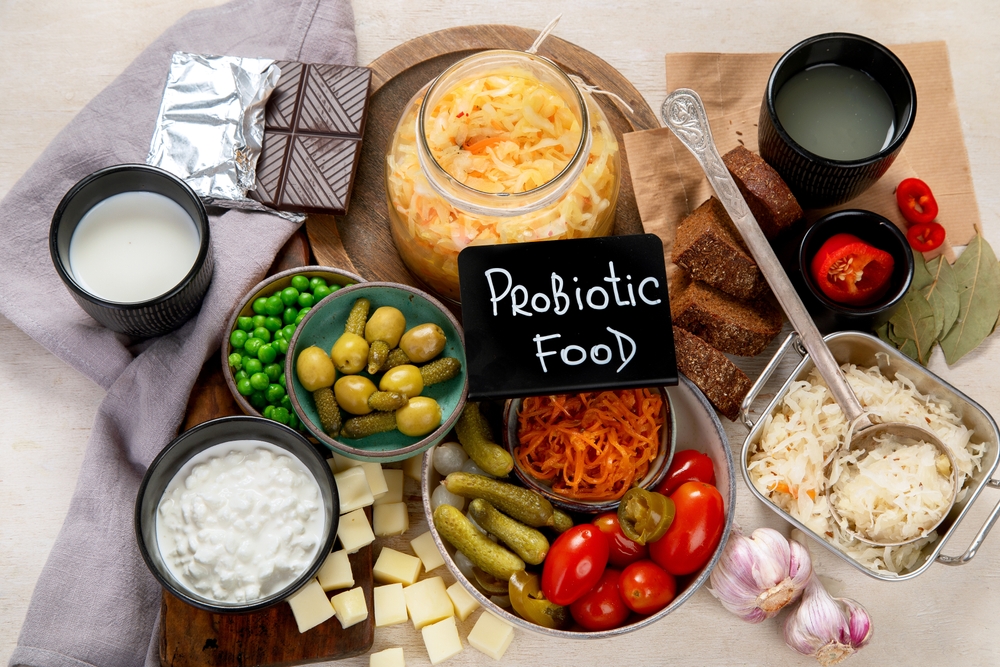
During the summer months, your food preferences may change; instead of wanting heavier meals, you’ll likely prefer lighter (and cooler) types of foods. It’s also a good time to start thinking about how to incorporate more probiotic-rich foods into your diet.
Probiotics are “good” bacteria that can help with digestion, maintain a healthy balance in your gut, and, in general, support good health. You don’t have to spend a lot of money on supplements or fancy meal plans to add probiotics to your diet. There are many simple, refreshing foods commonly eaten in the summer that already contain some form of probiotics, so you have options!
Here are 9 easy ways to add probiotics to your meals during the summer.
1. Yogurt for Breakfast
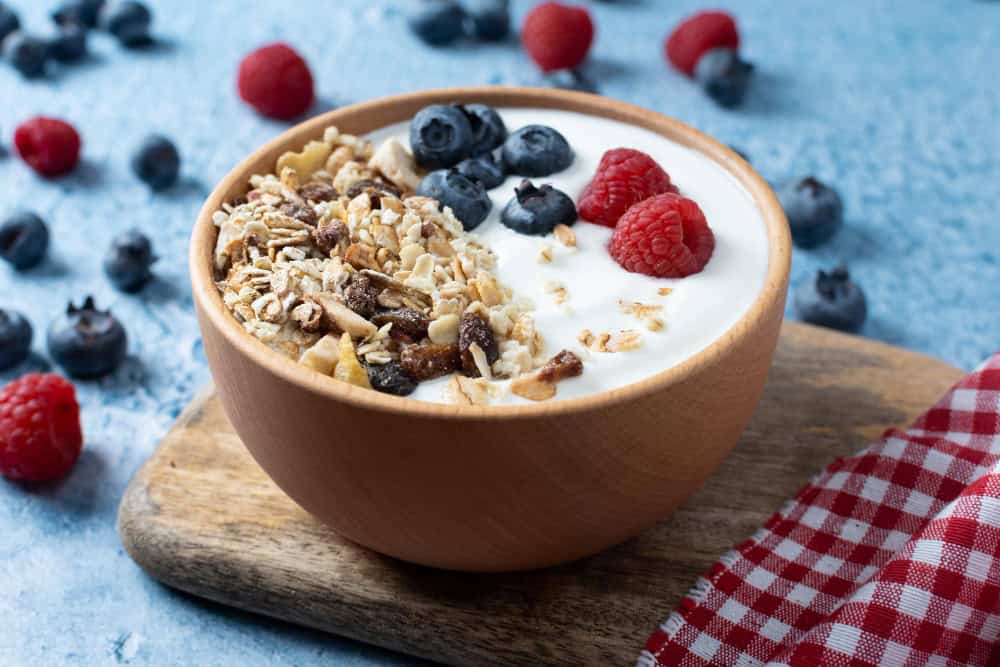
Yogurt is one of the most widely eaten probiotic-rich foods. Yogurt contains the live and active bacteria that contribute to gut health, and may help support healthy digestion.
Yogurt, particularly in the summertime, is a light and refreshing food. You can enjoy plain yogurt for breakfast and top it with fruit, oats, nuts, or seeds. Most people prefer to make their own yogurt because it has live, active cultures, doesn’t contain the sugar commonly found in grocery store yogurt, and doesn’t contain any preservatives.
If you must eat flavored yogurt, try avoiding colored or heavily sweetened yogurts; too much sugar may inhibit some of the benefits to your health.
2. Add Buttermilk (Chaas)

Buttermilk or chaas is a common summertime drink in India used as a fluid source for digestion. Chaas is made from yogurt diluted with water and includes spices like cumin or coriander. It is easy to add to lunch for probiotic support after heavy meals.
Chaas is consumed by many individuals during hot summer afternoons due to its cooling effect.
3. Use Fermented Pickles Sparingly

Eating fermented pickles may provide probiotic benefits for your gut health. Fermented pickles made at home with natural fermentation, not only add flavor but are a great source of probiotics to your meals. Just as with any food, you should not overconsume fermented pickles. Pickles from a grocery store are often high in salt and oil; therefore, always eat them in moderation.
When you consume a small amount of fermented pickles as part of your meal, you’ll get their nutritional benefits.
4. Try Kefir As A Refreshing Drink
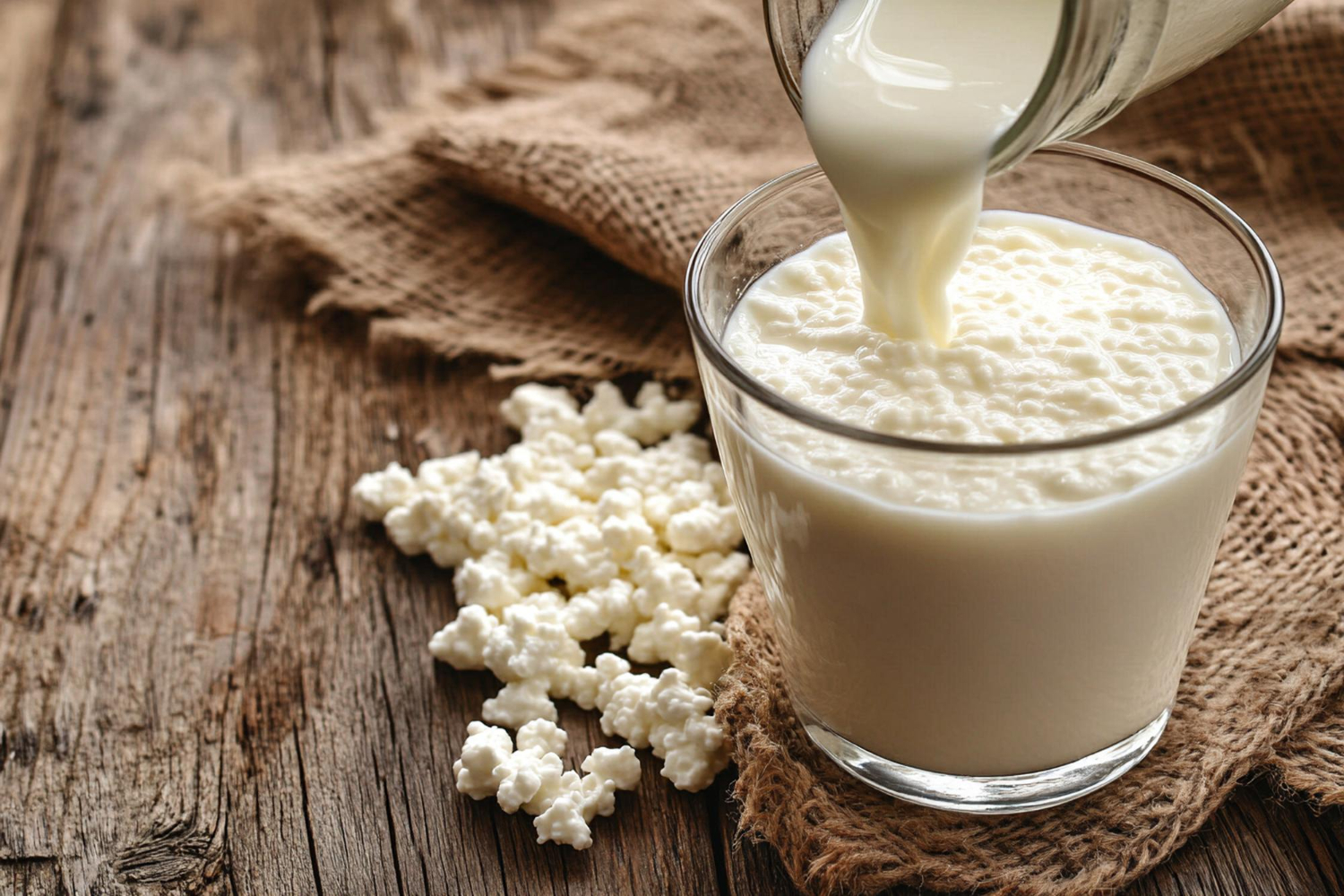
The fermented dairy drink known as kefir contains beneficial bacteria. It has a fermented-tasting texture and supports healthy digestion by maintaining the body’s natural balance of bacteria.
You can drink kefir plain, blend it into a shake, or add fruit to make a refreshing summer snack. Kefir has many different types of bacteria compared to regular yogurt.
If you are not tolerant of milk products, you need to consult a nutritionist or doctor before adding kefir to your daily meals.
5. Include Kanji In Your Summer Routine

Kanji is a traditional drink from India made from black carrots, mustard seeds, and water. It is naturally fermented, creating a very sour taste, which is said to assist with digestion. This drink may also be enjoyed before meals as an alternative to a welcome drink in the summertime, and provides a refreshing alternative.
Making kanji is done in most homes; however, the ingredients and fermentation process can differ from one household to another.
6. Add Sauerkraut To Salads Or Sandwiches
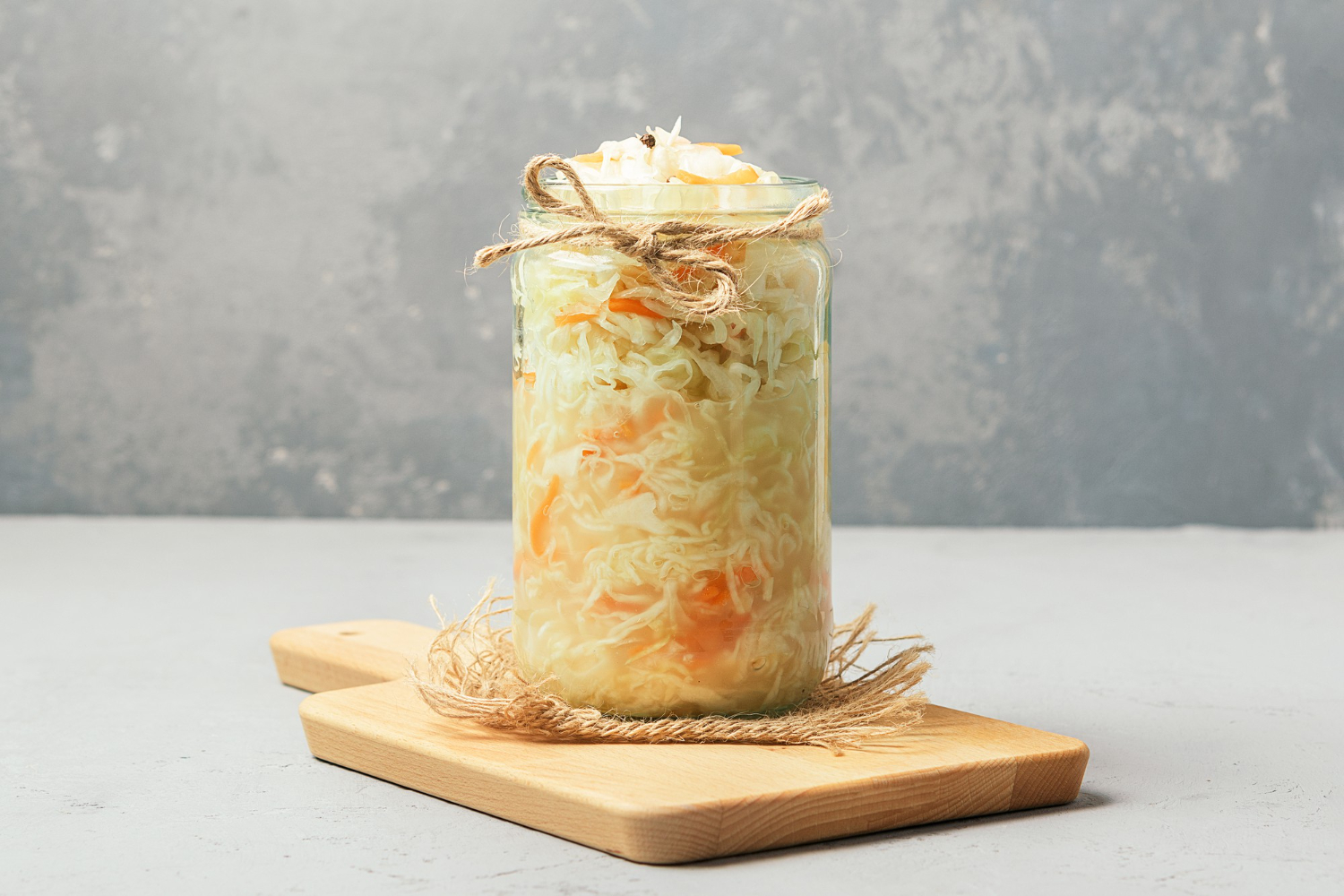
Sauerkraut is made from fermenting cabbage and contains healthy bacteria and fiber. Eating small amounts of this fermented food may help promote healthy digestion and diverse gut bacteria. It can be used in small amounts to put crunch and flavour in your salads, wraps, sandwiches, or grain bowls. The sour flavour in sauerkraut pairs well with many summer vegetables. You can make it at home with a naturally fermented process whenever possible and use it only in moderation.
7. Enjoy A Homemade Yogurt Smoothie
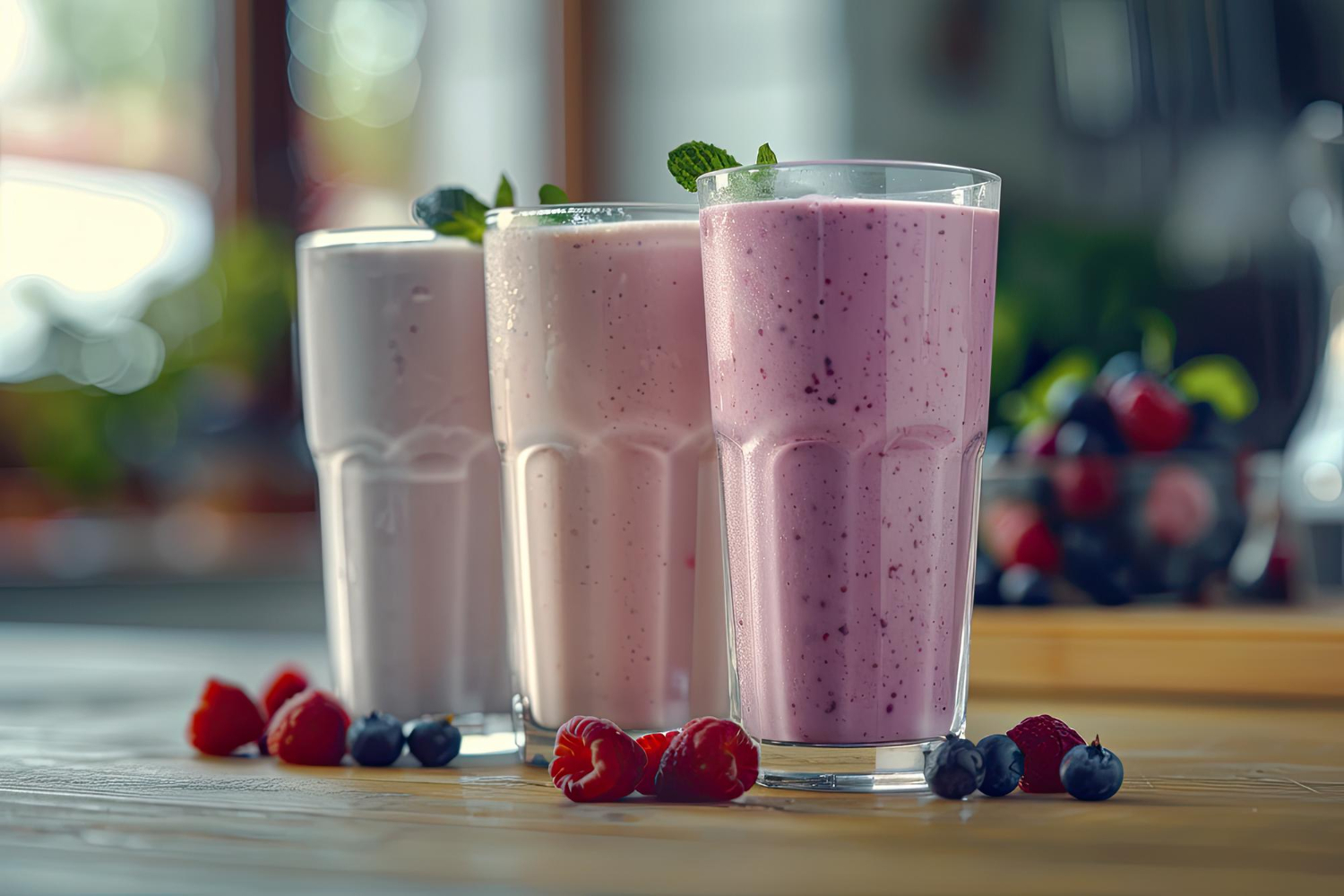
Making your own smoothie from plain yogurt is a good and tasty way to add probiotics to your summertime meals. You can make a refreshing snack during the hot summertime by blending plain yogurt with fruit, such as mango, banana, berries, or watermelon. You may want to add nuts or seeds for even more nutrition. Homemade smoothies will generally be healthier than store-bought sugary drinks, and you may find that they help keep you hydrated on hot days.
8. Try Kombucha Occasionally

Kombucha is a fermented tea drink, which is becoming more widely available because of its probiotic content. Some of the beneficial bacteria and yeast found in kombucha are created during its fermentation process. Many people enjoy drinking kombucha as a fizzy alternative to sugary sodas.
However, you should drink kombucha in moderation, especially if you are sensitive to caffeine or fermented beverages. You may also want to select low-sugar varieties.
9. Incorporate Idlis and Dosa Into Your Meal Plan

Idlis and dosas are both traditional Indian fermented foods that contain beneficial bacteria from the fermentation process.
These foods are light, nutritious, and easy to digest, making them great options for summertime meals. If eaten with vegetable-rich side-dishes, they can help provide your body with well-rounded meals that aid digestion and general well-being.
In some cases, fermentation will also aid in the absorption of nutrients contained in the foods that you eat.
Why Probiotics Matter During Summer?
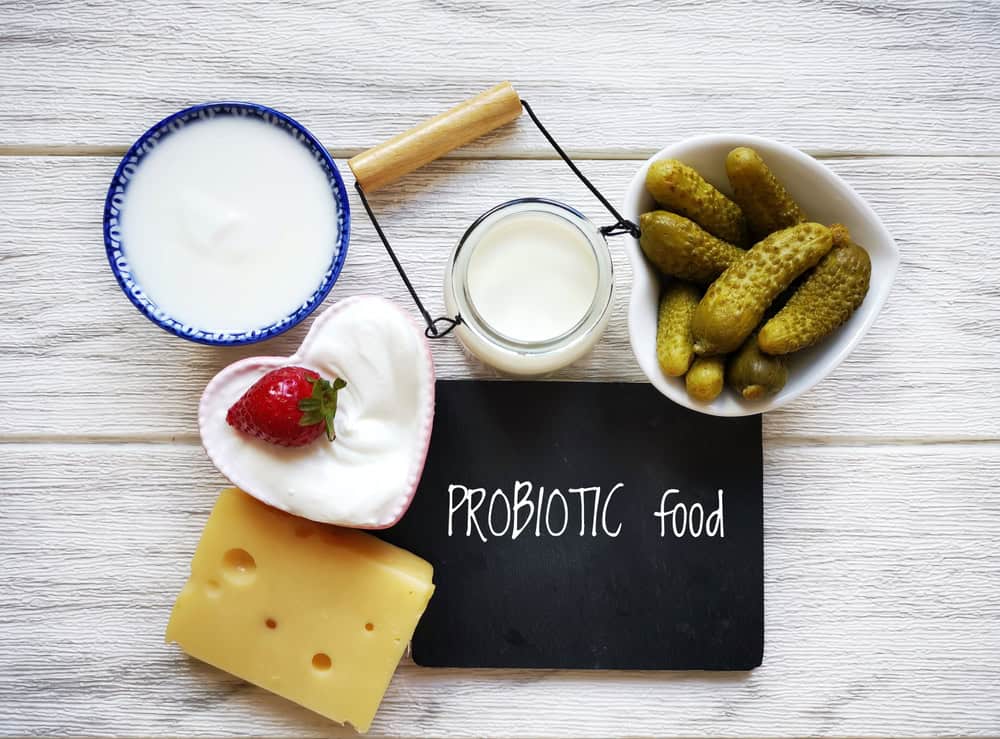
Summer’s high temperatures, dehydration, irregular meal times, traveling, and eating outside can disrupt your digestive system. Foods rich in probiotics can help you keep your digestive system healthy by:
- Maintaining a healthy digestive system
- Balancing the bacteria in the gut
- Reducing bloating and gas
- Improving how well we absorb nutrients from our food
Many probiotic foods also have other essential nutrients, including water-keeping ingredients and enzymes.
Probiotics are not a cure for every digestive problem. Therefore, if you are having stomach problems or any other health problems that bother you, you should consult your doctor.
Healthy Habits to Achieve a Healthy Gut

There are many daily habits you can build into your life to keep your gut healthy during the summer when you are using probiotics and making a conscious effort to maintain your health:
- Drink plenty of water
- Eat enough fiber
- Manage your stress levels
- Get plenty of sleep
- Limit your intake of highly processed food
- Get regular exercise
- Limit your intake of sugary drinks
Having healthy meals by combining them with healthy habits will generally have a greater positive effect than relying on the consumption of a single “superfood.”
Wrapping Up!

You can easily add probiotics to your daily food intake in the summer. Probiotic-rich foods such as yogurt, buttermilk, kanji, kefir, fermented vegetable pickles, and idli batter should all be readily available to you and can be integrated into a gut health-promoting balanced routine.
These probiotic-rich foods can help with keeping you hydrated, providing a good digestive system, and having a healthy gut throughout the hot summer months; small changes to your diet combined with conscious eating habits and regular healthy living can go a long way.
FAQs
- What are probiotics?
Probiotic bacteria are healthy bacteria that help you have normal digestion, balance your gut, and naturally improve your overall digestive health.
- Which summer foods are naturally rich in probiotics?
Some examples of food containing probiotics during the summer include yogurt, chaas (buttermilk), kefir, kanji (fermented vegetable juice), kombucha (fermented tea), fermented pickles, and sauerkraut.
- Is fermented food appropriate for everyone?
Some individuals with digestive sensitivity or diagnosed medical conditions may want to discuss their ability to eat fermented foods before increasing their consumption significantly.
- What is the best time to consume probiotics?
Many individuals eat probiotic-rich foods throughout the day with their meals and/or as a light snack based on their personal preference.
- Can probiotics replace medical treatment?
While taking probiotics is known to support and /or assist in promoting gut health, you should always consult with your medical provider for any medical condition or health-related issues.
- Can probiotics help with stomach bloating?
The consumption of probiotic foods may increase the rate of digestion in certain instances and thus help with relieving discomfort due to excessive gas in the stomach through their consumption on an ongoing basis.
- Is it safe to consume probiotic foods daily?
Most probiotics may be consumed with little to no adverse effects when consumed regularly and in moderation, and can serve as part of an overall healthy diet.
Recommended Reads
(The article is written by Deepa Sarkar, Senior Medical Writer, and reviewed by Monalisa Deka, Deputy Manager, Clinical Health & Content, Medical Affairs)