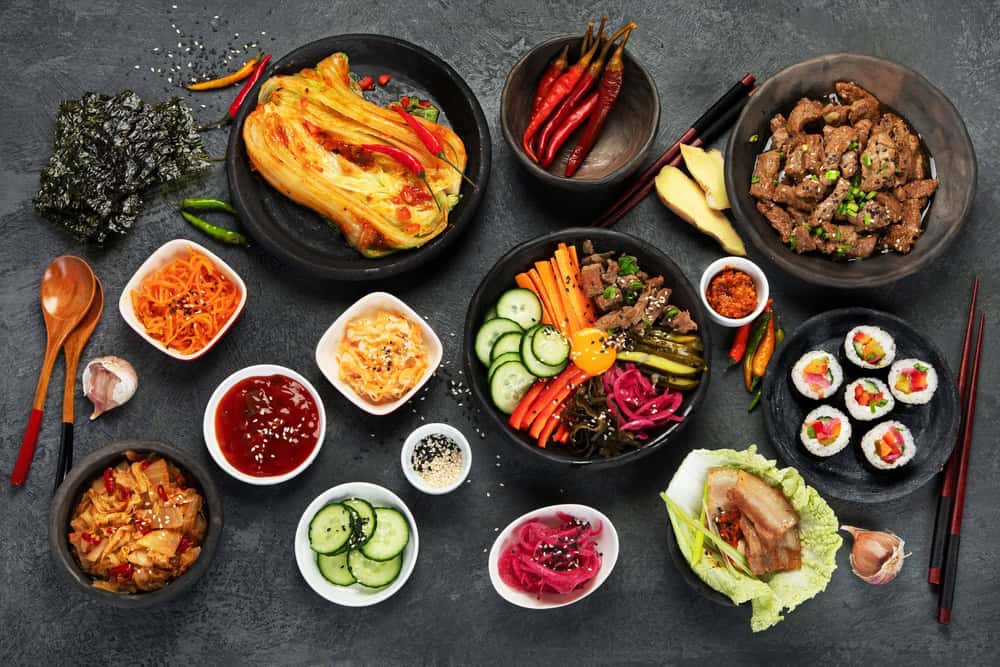
In 2026, more people are following food trends that support metabolic health rather than turning to extreme diets like starvation or fad detoxes. One popular method for weight loss is the Korean switch-on diet. Instead of crash dieting, this approach
The diet encourages eating fermented foods, keeping portions reasonable, and practicing mindful eating, much like traditional Korean eating habits.
Let’s discuss the Korean switch-on diet in-depth to understand how it works as a food trend to promote safe and sustainable weight loss.
What Is the Switch-On Diet of Korea?
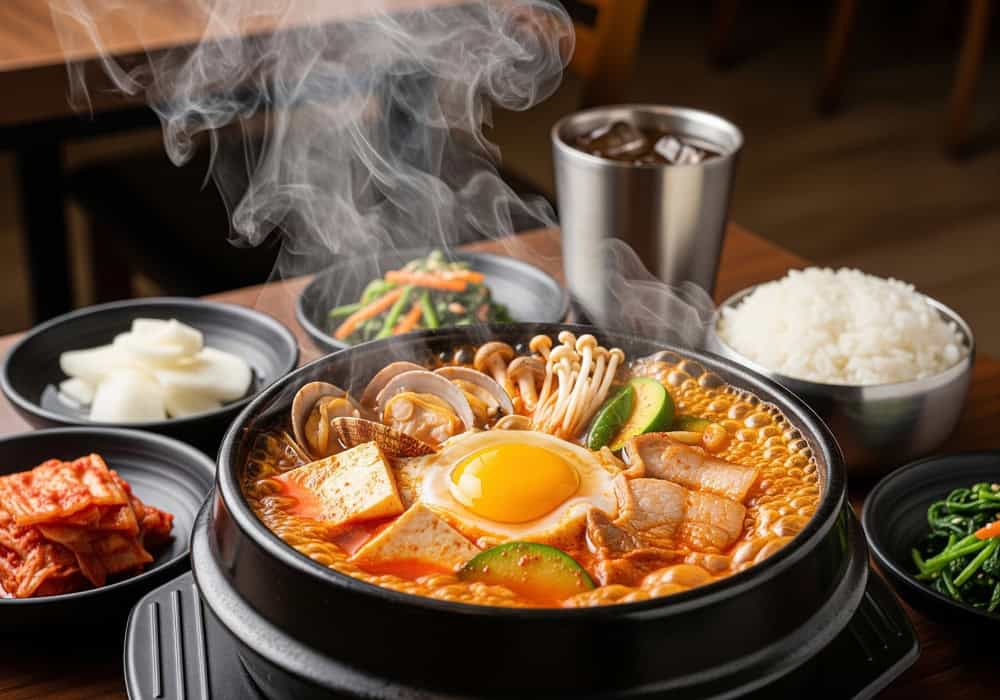 Korean cuisine and lifestyle include a switch-on diet that is not a set meal plan or prescribed way of eating, but rather a metabolism-friendly method of eating that helps your body activate its natural ability to burn fat.
The term switch-on refers to the process of activating your metabolism by:
- Improving gut health
- Decreasing inflammation
- Making blood sugar levels stable
- Helping with digestion
The focus is not on calories, but on the quality and timing of when you eat, as well as balancing your food.
Key Components of the Korean Switch-On Diet
1. Balanced Meals Instead of Eating Less
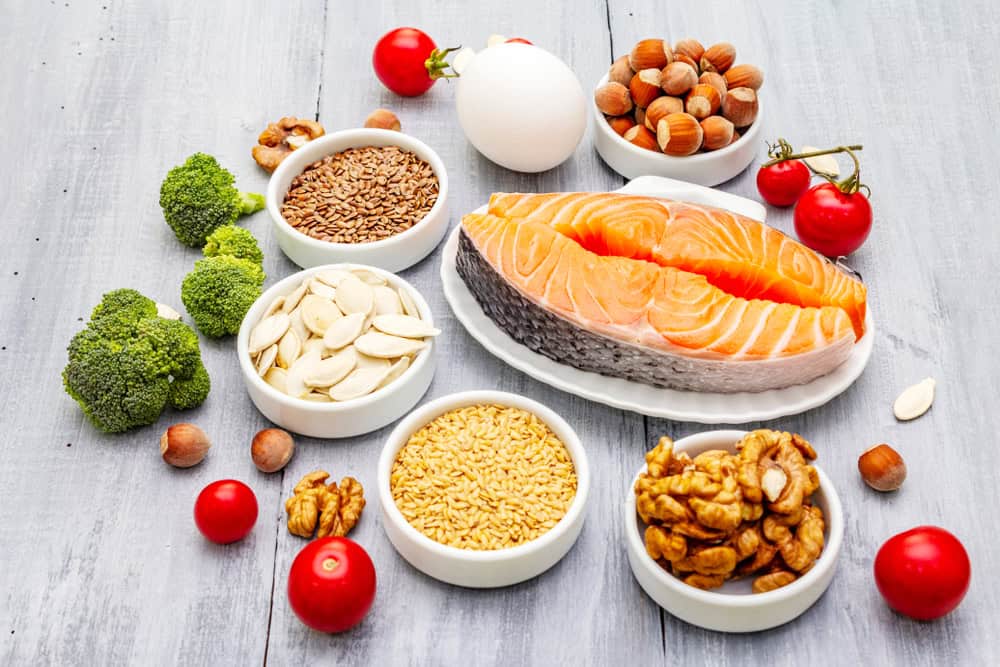 A typical meal consists of the following:
- Lean proteins
- High-fibre vegetables
- Complex carbohydrates
- Healthy fats
A balanced meal prevents energy crashes and keeps you from overeating.
2. Fermented Foods for Gut Health
 Fermented foods are a key component of the Korean way of eating and play an important role in the Korean switch-on diet.
Examples of fermented foods are:
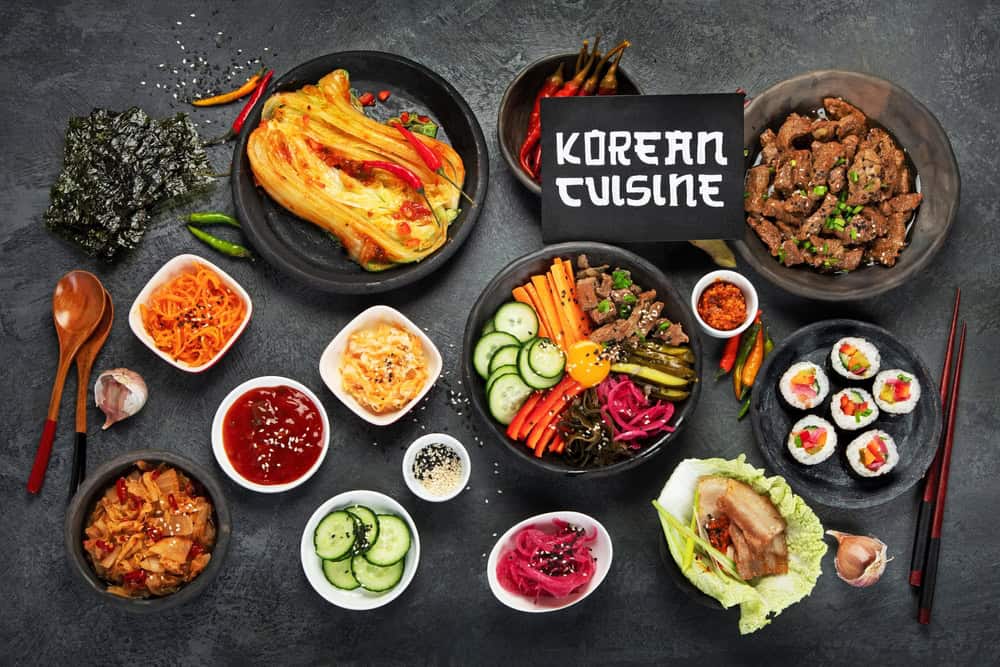
- Kimchi
- Fermented vegetables
- Soybean paste (Doenjang)
- Fermented vegetables
Fermented foods promote healthy gut bacteria, improve digestion, and may improve your body’s ability to metabolize fat.
3. High Vegetable Consumption
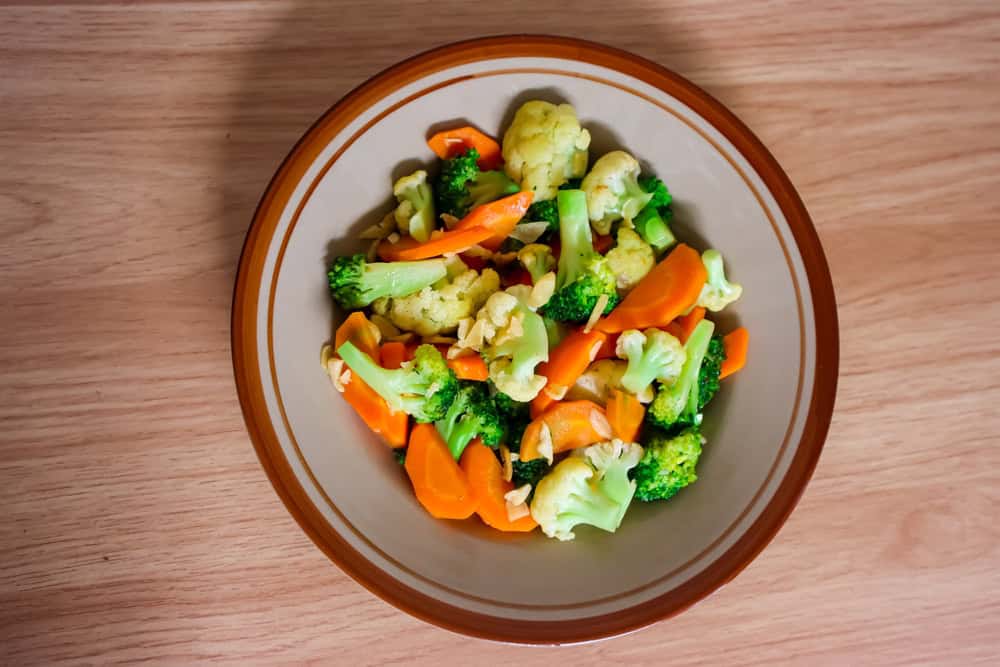 Korean meals typically include lots of low-calorie/high-volume vegetables that provide satiety (feeling full) without extra calories. Commonly used vegetables are cabbage, spinach, mushrooms, zucchini, and seaweed. This makes it easier to naturally control portion sizes.
4. Protein With Every Meal
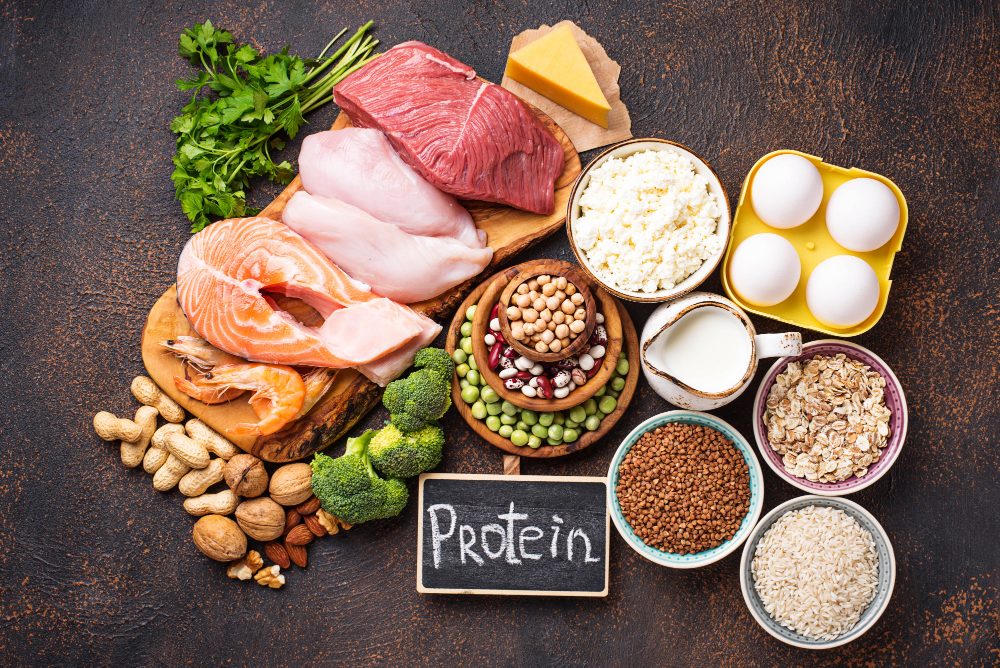 Protein should be consumed with each meal during the weight-loss process, as it is essential for the maintenance of muscle mass and helps to keep one feeling satisfied for a longer period.
Some common sources of protein in the traditional Korean diet include:
- Eggs
- Fish and shellfish
- Soy products such as tofu
- Poultry (chicken)
- Legumes
Also, the intake of protein may help decrease the risk of muscle loss while dieting.
5. Low in Added Sugar and Refined Foods
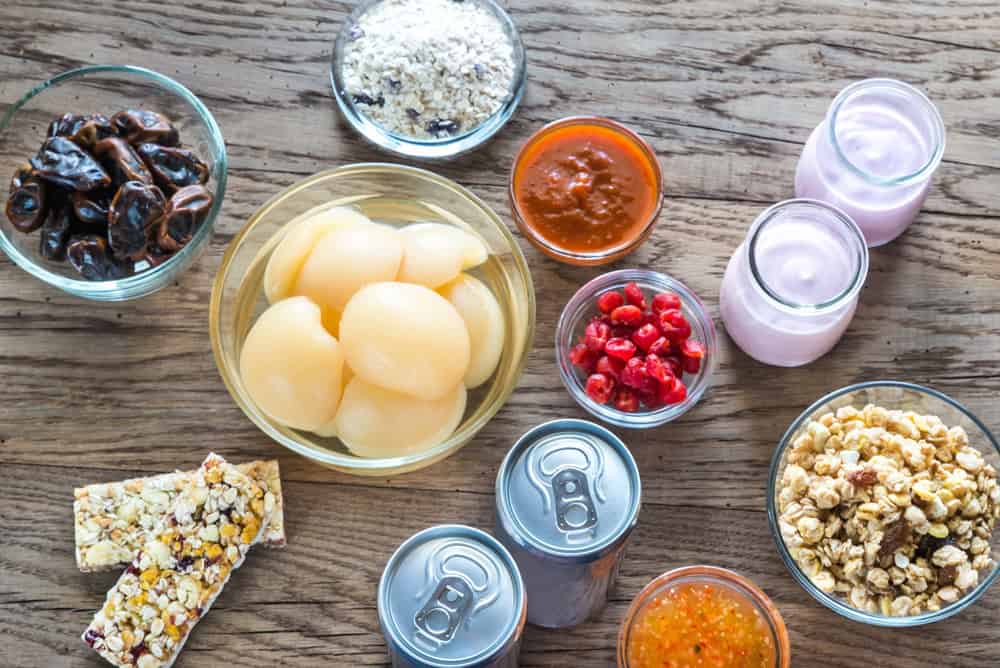
The traditional Korean diet is low in the following categories of foods:
- Sugar is added to foods and drinks.
- Ultra-processed foods
- Sweetened drinks
This diet helps maintain normal insulin levels and prevents excess body fat, offering benefits for both health and sustainable weight control.
By preparing and eating using the traditional techniques described in the Korean switch-on diet, individuals now have the possibility of losing weight by living a healthier lifestyle through a healthier metabolism, which helps keep obesity away.
How the Korean Switch-On Diet Supports Weight Loss?

1. Improves Metabolism
By adding fermented foods and fibre-filled vegetables to the typical Korean Diet plan, this diet has positive effects on gut health, and therefore it allows for a more metabolically efficient state.
2. Reduces Sudden Spikes in Blood Sugar
A proper meal helps to control blood sugar levels, which may help to reduce fat buildup or increase energy after a meal.
3. Reduces Inflammation
Certain foods contain anti-inflammatory properties, including garlic, ginger, chilli, and fermented items. This is believed to aid in reducing the effects of chronic inflammation on overweight and obese individuals.
4. Mindful Eating
Korean-style eating encourages being mindful and aware when eating, and allows the person to identify when they are full.
What Does a Typical Korean Switch-On Diet Day Look Like?
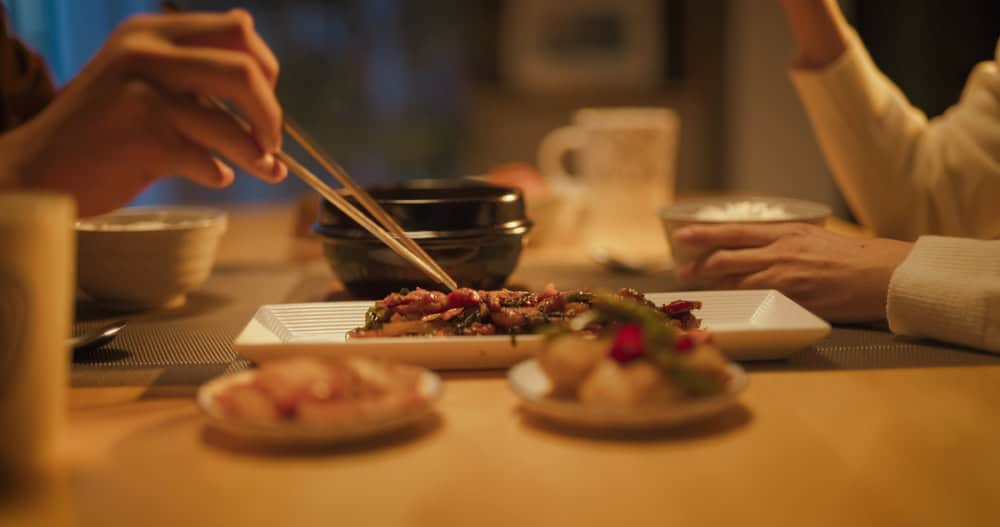 For Breakfast
Vegetable omelette made with fermented vegetables; green tea
For Lunch
A small quantity of steamed rice with grilled fish/tofu mixed with vegetables, and ending with kimchi.
For a Snack
Fresh fruit or roasted seaweed.
For Dinner
Homemade vegetable soup with a protein, seasoned lightly with spices and herbs.
Note: Each serving on the “Korean Switch-On” Diet should include moderate portion sizes.
Korean Switch On Diet Plan
| Day | Breakfast | Lunch | Dinner |
| Day 1 | Vegetable omelette + green tea | Brown rice, grilled fish, and kimchi | Vegetable soup + tofu |
| Day 2 | Greek yogurt + berries | Chicken salad + mixed vegetables | Stir-fried vegetables + tofu |
| Day 3 | Boiled eggs + cucumber | Brown rice, chicken + kimchi | Miso soup + vegetables |
| Day 4 | Tofu scramble + spinach | Vegetable bibimbap | Grilled fish + salad |
| Day 5 | Oatmeal + chia seeds | Tofu, rice + kimchi | Chicken vegetable soup |
| Day 6 | Eggs + fermented vegetables | Fish + mixed vegetables | Vegetable stew + tofu |
| Day 7 | Greek yogurt + fruit | Brown rice, lean protein + vegetables | Light vegetable soup |
Who Benefits from the Korean Switch-On Diet?

The Korean Switch-On Diet is best suited for:
- People who want to lose weight slowly and sustainably
- People who experience digestive problems or bloating
- People who have difficulty resisting sugar cravings
- People are fed up with going on extreme diets
Note: People who have food intolerances or medical conditions should follow the personalized version of the Korean switch-on diet under the guidance of a qualified health professional.
Will the Korean Switch-On Diet be Sustainable?
Yes, one of the biggest advantages of the Korean switch-on diet is its sustainability over the long term since the diet promotes moderation and consistency rather than eliminating carbohydrates, fats, and protein. Therefore, the Korean switch-on diet.
Common Mistakes to Avoid:
- Do not eat only spicy or salty foods. Avoid portion sizes.
- Do not skip meals.
- Avoid eating too much rice without vegetables or protein.
- Balance is important
In Summary – Why Does the Korean Switch-On Diet Work?

The Korean switch-on diet for weight loss works because it is based on metabolic health, not restrictive eating. By improving gut health and nutritional intake, as well as practicing mindful eating, the body can promote natural weight regulation.
The Korean switch-on diet allows your body to activate its own fat-burning processes, so it doesn’t have to use willpower to lose weight.
FAQs
Q. Is the Korean Switch-On Diet the same as the Korean Diet?
No. It is based on traditional Korean dietary patterns but has been modified to promote weight reduction and fit into modern lifestyles
Q. Are vegetarians able to follow the Korean Switch-On Diet?
Vegetarians can follow this diet. Both tofu and legumes, along with fermented vegetables and other forms of plant protein, make the diet very appropriate for vegetarians
Q. How quickly will I lose weight when I follow the Korean Switch-On Diet?
If you follow the guidelines, you should be able to see considerable changes on the scale in 3-6 weeks, although the rate of weight loss is gradual
Q. Do I have to eat kimchi every day?
Kimchi and other fermented foods are suggested as a part of this diet, but individuals can include them in their diet as they are tolerated.
Q. Does the Korean Switch-On Diet allow for rice?
The Korean Switch-On Diet does not eliminate rice; it does, however, need to be consumed in small servings along with protein and vegetables.
Q. Does the Korean Switch-On Diet require calorie counting?
No. The Korean Switch-On Diet focuses more on the quality of foods and the balance of foods than on calorie counts
Q. Is the Korean Switch-On Diet safe for people with diabetes?
While the Korean Switch-On Diet may assist individuals with diabetes in controlling their blood sugars, it is recommended that they work closely with their physician to determine the best course of action
Q. Does the Korean Switch-On Diet help eliminate belly fat?
Yes. Following this diet over time, in conjunction with reducing insulin resistance, will eventually reduce belly fat.
Recommended Reads
Lose Weight the Smart Way: Nutritionist-Approved Chia Seed Recipes for 30 Days
7 Science-Backed Winter Superfoods to Enhance Immunity and Fight Seasonal Infections
(The article is written by Deepa Sarkar, Senior Medical Writer, and reviewed by Monalisa Deka, Deputy Manager, Clinical Health & Content, Medical Affairs)