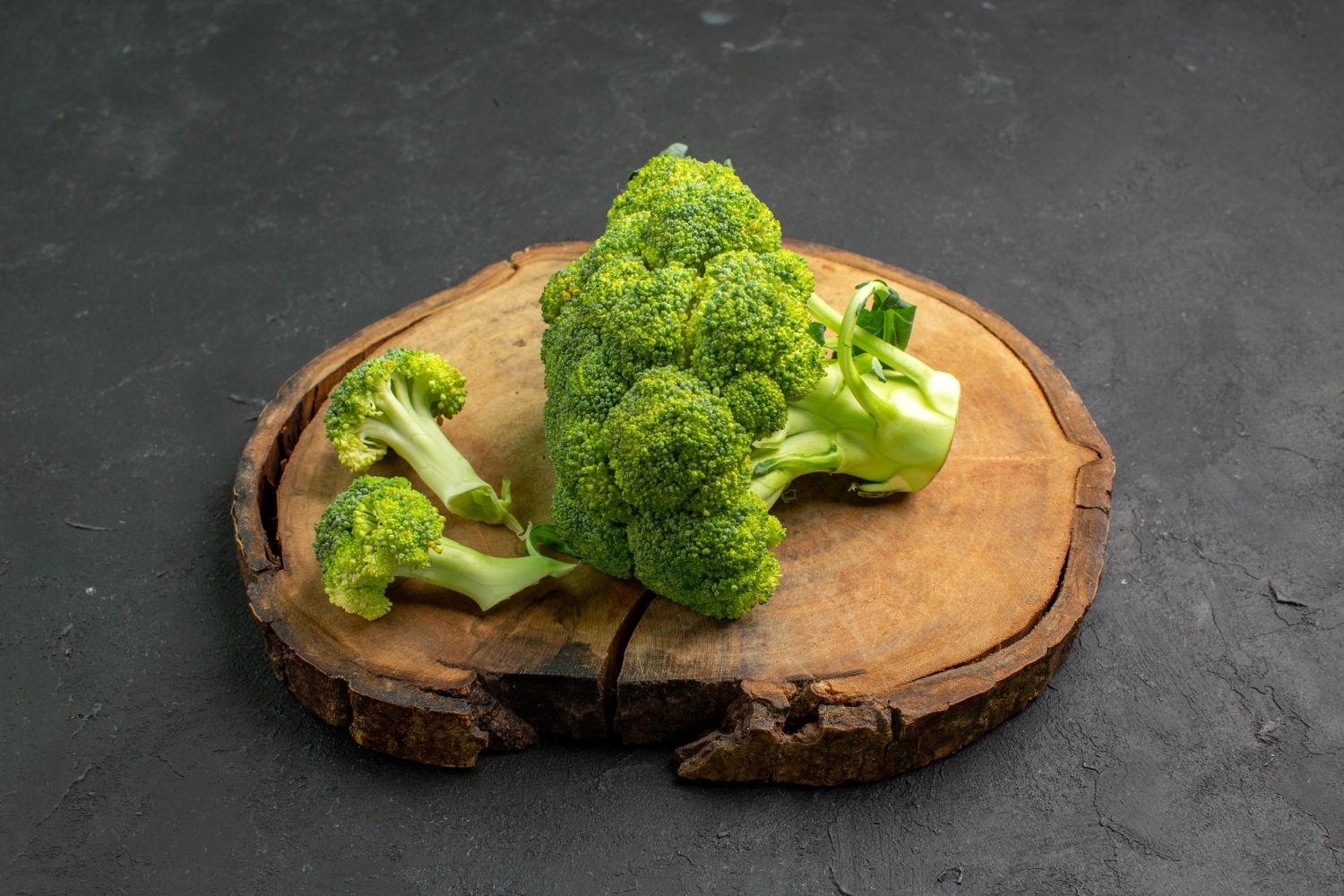
High cholesterol is one of the main contributors to heart disease. Many people all over the world have been diagnosed with high cholesterol. In many situations, cholesterol medications may be required, but they can be supplemented by natural cholesterol-lowering foods or by better eating. Of all the vegetables considered heart-healthy, broccoli is among the most nutritious.
Broccoli contains vitamins, fiber, antioxidants, and a variety of dietary phytochemicals. Broccoli also contains many other nutrients that are known to reduce the levels of high cholesterol.
What happens when a person with high cholesterol adds broccoli to their diet regularly? Here, we will discuss why broccoli is widely recommended by healthcare professionals and supported by scientific evidence.
Understanding High Cholesterol
Cholesterol is a waxy type of fat that exists in the bloodstream. Cholesterol is necessary for cell membranes and the production of hormones. However, when LDL (low-density lipoprotein), also known as ”bad cholesterol”, is elevated in the blood, the lipid can build up and block arteries, which can lead to a heart attack or stroke.
The major causes of high cholesterol are:
- Poor eating habits
- Inadequate exercise
- Obesity
- Smoking
- Family history
- Certain diseases
Many foods will help lower your cholesterol, broccoli being one of them.
Why Is Broccoli Considered Heart-Healthy?
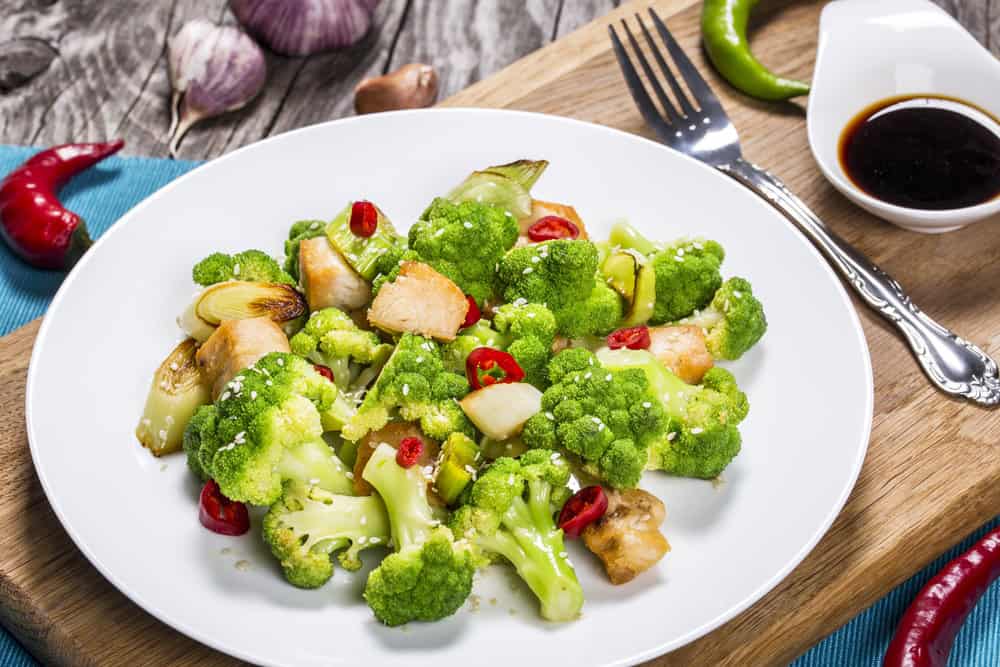
Broccoli is part of a larger family of cruciferous vegetables (such as kale, cabbage, cauliflower, and Brussels sprouts) that contain many nutrients that can benefit your heart.
Broccoli is rich in dietary fiber, vitamin C, vitamin K, folate, potassium, antioxidants, and sulforaphane, which is a type of phytochemical.
Together, these nutrients support overall health and can help to lower cholesterol levels.
How does broccoli affect cholesterol levels in people with high cholesterol?
1. It May Help To Lower LDL (Bad) Cholesterol.
Broccoli contains a large amount of dietary fiber. The soluble fiber from broccoli binds to bile salts (which contain cholesterol) during digestion and helps to remove them from the body.
When the body is removing bile salts from the digestive system through stool, it is therefore using more cholesterol to form new bile salts in the liver. This may lead to a gradual reduction of LDL cholesterol over time.
Including fiber-rich foods like broccoli regularly in your diet is one way to support healthy cholesterol levels when eaten as part of a balanced diet.
2. It May Support Better Heart Health.
Broccoli has antioxidants and anti-inflammatories, which may protect blood vessels from damage.
Oxidative stress and inflammation increase the likelihood that fatty plaque deposits will form in the arteries; therefore, the antioxidants found in broccoli may help reduce the impact of oxidized blood and support healthy blood flow.
3. It Helps In Weight Management
It is a must for people diagnosed with hyperlipidemia to keep their weight down and maintain a healthy body weight.
Broccoli is low in calories but high in fiber and water. This makes it filling, helps you eat less, and also manages weight loss because one feels full after dining on this dish.
The management of weight, followed by a drop in body weight, provides a lift to the cholesterol level and heart health.
4. It Provides Powerful Antioxidants
The cumulative quantity of antioxidants inside the broccoli includes vitamin C, lutein, and beta-carotene.
These compounds neutralize in the body the harmful free radicals and probably enhance the oxidative damage associated with heart diseases. Most diets rich in antioxidant-containing foods have been associated with good health outcomes in terms of heart and coronary health.
5. It May Improve Blood Vessel Function
Research shows that sulforaphane, a bioactive substance found in broccoli, can assist in supporting the health of the vessels.
Healthy blood vessels allow the most efficient blood flow with the least stress imposed on the cardiovascular system, which is especially helpful in those patients who have high cholesterol or other risk factors for heart ailments.
According to Dr. Subita, Medical Expert at TATA 1mg, “Eating broccoli regularly as part of your balanced diet could help to support your body’s ability to maintain healthy blood cholesterol levels and improve overall heart health. While eating broccoli does not provide a substitute for prescribed medications, individuals with high blood cholesterol levels can benefit from eating broccoli.”
Best Ways to Eat Broccoli for Cholesterol Management
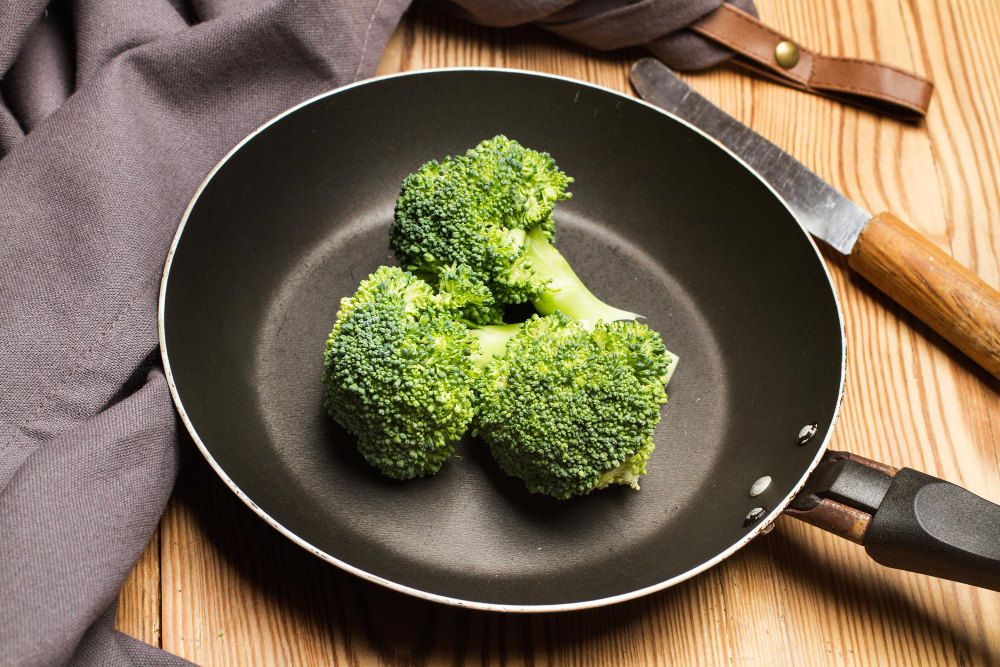 There are healthy methods to prepare broccoli in order to maximize its health benefits.
Steamed Broccoli
Steaming broccoli minimally is thought to keep the most nutrients while also improving digestion. This is one of the healthiest methods of eating broccoli.
Stir-Fried with Very Little Oil
A quick stovetop stir fry using olive oil, garlic, and some other vegetables can improve the taste of your broccoli and still be heart-healthy.
Added to Salads
Raw broccoli florets can offer a crunchy texture and additional nutrients on top of your salad.
In Soups
You can utilize broccoli as an ingredient in soups to create a healthy supper, particularly if you limit the use of cream or butter.
Mixed into Grain Bowls
A meal consisting of broccoli combined with whole grains and legumes and a source of lean protein results in a balanced meal that is great for heart health.
How Much Broccoli Should You Eat?
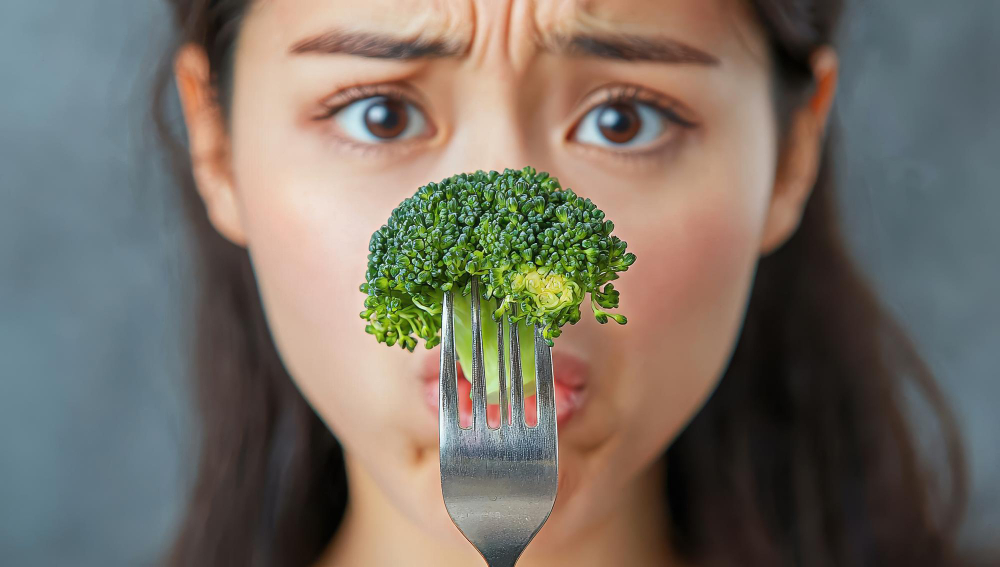
Although there really aren’t hard and fast guidelines on how much broccoli to eat each week, adding a couple of servings of broccoli a few times a week is part of a healthy diet with respect to heart health.
Experts encourage people to eat a wide variety of vegetables every day rather than eating only one type of vegetable. The best way to eat broccoli is to include it in a dish with other types of cholesterol-friendly foods. Examples of these foods included:
- Oats
- Beans
- Lentils
- Nuts
- Seeds
- Fruit
- Whole grain
- Fatty fish
Can Broccoli Replace Cholesterol Medication?

Broccoli should not be utilized as an alternative to prescribed cholesterol-lowering medications obtained through your healthcare provider.
For individuals who have very high cholesterol or who have (had) heart disease, medications may still be indicated as part of their treatment. However, a heart-health-focused diet that includes broccoli will help facilitate all aspects of medical treatment and improve long-term health outcomes.
Other Lifestyle Habits That Help Lower Cholesterol

Just eating broccoli alone will not effectively manage cholesterol levels. Effective cholesterol management involves a multifaceted approach that incorporates:
- Routine exercise consistently
- Maintaining a healthy body weight
- Not smoking
- Limiting the use of trans fats in cooking
- Reducing the consumption of saturated fats
- Controlling one’s stress levels
- Upholding good sleep patterns
When these additional lifestyle factors are implemented, alongside an overall well-balanced diet, you will improve your chances of successfully managing your cholesterol.
Final Takeaway

Broccoli is an excellent addition to your diet if you have high cholesterol due to its soluble fiber, according to the medical expert Dr. Subita. Reasonable consumption of antioxidants and plant compounds that support heart health by assisting in lowering LDL cholesterol, promoting healthy blood vessels, and aiding in overall cardiovascular health.
While broccoli alone cannot treat high cholesterol, it can help support a heart-healthy diet when combined with physician-recommended dietary advice and healthy lifestyle practices.
FAQs
- Can broccoli independently reduce LDL (bad) cholesterol?
Broccoli’s soluble fiber has been shown to lower LDL (bad) cholesterol levels as part of a balanced diet.
- Is cooked or raw broccoli better for lowering cholesterol?
Cooked broccoli retains more nutrients than raw broccoli but is easier to digest.
- How often can someone with high cholesterol consume broccoli to support a heart-healthy diet?
Including broccoli several times per week in your diet supports overall cholesterol management and a heart-healthy lifestyle.
- Can broccoli increase HDL (good) cholesterol?
Broccoli enhances cholesterol levels but primarily lowers LDL cholesterol through a healthy fiber source.
- Are there any negative effects of eating too much broccoli?
No, there are no negative effects associated with eating too much broccoli.
- Do any specific nutrients found in broccoli support a healthy heart?
Yes, some of the most beneficial nutrients found in broccoli for heart health include:
- Fiber,
- Vitamin C,
- Potassium,
- Antioxidants, and
- Sulforaphane.
- Are broccoli supplements as effective as eating broccoli?
No, eating whole broccoli offers a synergistic effect – the combination of fiber and other nutrients that whole broccoli provides may not be found in supplements.
- What other types of food can be consumed with broccoli to help lower cholesterol?
Foods such as oats, beans, lentils, nuts, seeds, fruit, whole grains, and fatty fish can all work in conjunction with broccoli as part of a cholesterol-friendly diet.
(The article is written by Deepa Sarkar, Senior Medical Writer, and reviewed by Monalisa Deka, Deputy Manager, Clinical Health & Content, Medical Affairs)