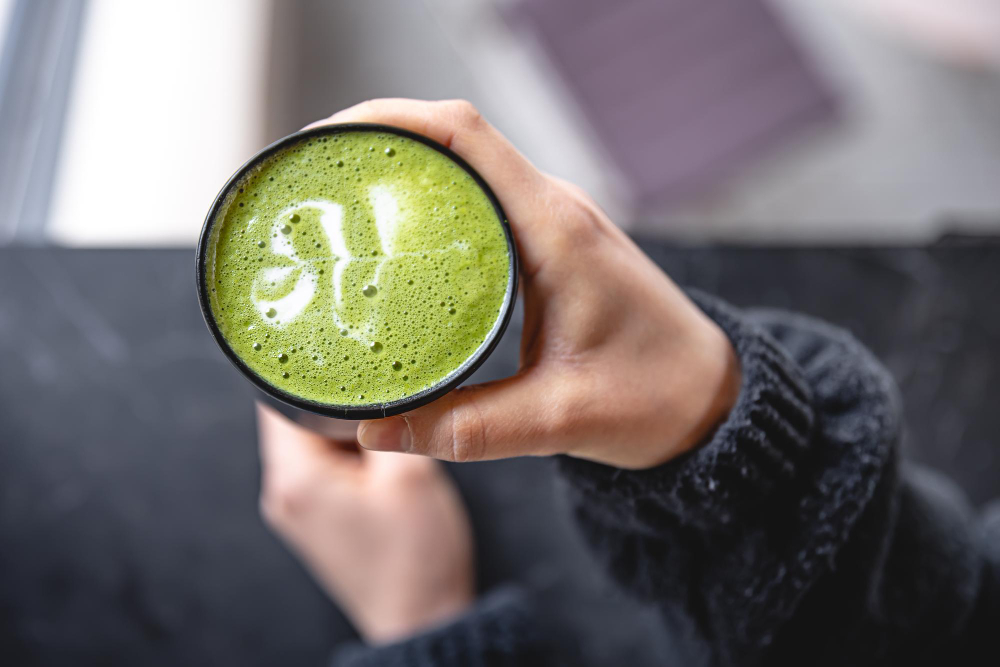
You’ve probably seen matcha everywhere. Lattes at your local café, face masks at the pharmacy, chocolate bars at the airport. It’s had a moment, actually, it’s been having a moment for about a decade now. But unlike most wellness trends that quietly disappear, matcha keeps sticking around. There’s a reason for that.
Matcha isn’t just green tea. It’s made from shade-grown tea leaves that are stone-ground into a fine powder. When you drink it, you consume the whole leaf, not just water that’s been steeped through it. That small difference changes everything about what ends up in your cup.
Let’s talk about what it actually does for you, no exaggeration, no miracle claims.
It Calms You Down Without Putting You to Sleep
This is the thing that surprises people most. Matcha has caffeine, yes, roughly 70mg per cup, but it doesn’t hit you like coffee. That jittery, heart-racing feeling most people associate with caffeine? Matcha largely skips that.
The reason is L-theanine, an amino acid found in tea leaves that promotes a relaxed but alert mental state. When it works alongside caffeine, you get focus without the anxiety. It’s the kind of clear-headed energy that lets you sit down and actually get something done, not just feel wired for an hour and then crash.
Buddhist monks have used matcha for centuries before meditation. That’s not marketing folklore; it’s genuinely why the drink became part of Japanese ceremony culture. They needed to stay sharp and still.
Your Liver Will Thank You
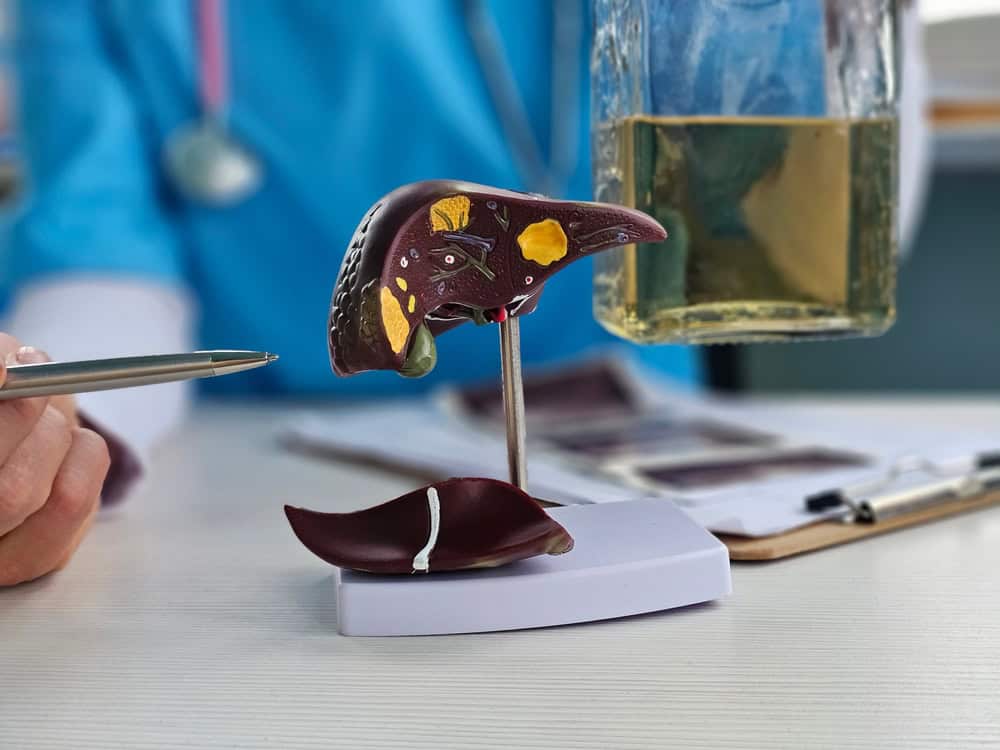
Matcha is rich in catechins, specifically one called EGCG (epigallocatechin gallate). Research has linked high EGCG intake to improved liver function, particularly in people whose diets aren’t exactly spotless. One study found that people who drank green tea regularly had a significantly lower risk of liver disease [1].
This doesn’t mean you can drink matcha and eat terribly and expect results. But as part of a reasonable diet, it contributes something real.
It’s Genuinely Good for Your Heart

The same catechins that support the liver also seem to do good work for your cardiovascular system. Studies suggest regular green tea consumption is associated with lower LDL cholesterol and reduced blood pressure. Matcha, being more concentrated than regular green tea, likely carries those benefits forward, possibly in a stronger form.
Japan has one of the lowest rates of heart disease in the world. That’s not entirely down to matcha, obviously; diet, lifestyle, and genetics matter too. But it’s hard to ignore the correlation.
It Has More Antioxidants Than Most Foods
Antioxidants protect your cells from damage caused by free radicals. You get them from fruits, vegetables, and certain teas. Matcha has an ORAC score (a measure of antioxidant capacity) that’s many times higher than blueberries, dark chocolate, or spinach.
What does that mean practically? It means regular consumption helps your body deal with oxidative stress, which is connected to aging, chronic illness, and inflammation. It’s not a cure. It’s more like giving your immune system consistent, reliable support.
It Can Help with Weight Management
Matcha slightly increases your metabolic rate and promotes fat oxidation during exercise, according to several studies. It’s not a weight loss product. If someone’s selling it as one, ignore them. But if you’re already active and eating well, adding matcha can give your body a bit of an extra edge.
How to Actually Make It
The traditional way to make matcha is simple once you get the hang of it.
You need about one teaspoon of ceremonial-grade matcha powder, 60ml of water heated to around 80°C (not boiling water makes it bitter), and a bamboo whisk if you have one. A regular small whisk or even a fork works fine. Sift the powder into a bowl to break up clumps, add the water, and whisk in a quick W or M motion until you get a light froth on top. Drink it from the bowl if you want the full experience. It takes three minutes and tastes like nothing else.
Matcha Latte
If straight matcha is too intense for you at first, a latte softens it nicely. Mix one teaspoon of matcha powder with two tablespoons of hot water into a paste. Heat 250ml of milk, oat milk works particularly well, it has a natural sweetness that balances the bitterness, and froth it. Pour the milk over the paste, stir, and add a little honey if you need it. That’s it.
Matcha Overnight Oats
This one’s for mornings when you want breakfast and a caffeine fix in the same bowl. Stir one teaspoon of matcha into 150ml of milk until dissolved. Add 80g of rolled oats, a tablespoon of chia seeds, and a drizzle of maple syrup. Refrigerate overnight. In the morning, top with sliced banana or a few blueberries. It’s filling, it keeps you alert, and it takes about four minutes to prepare the night before.
A Few Things to Keep in Mind
Quality matters more with matcha than with most things. Cheap culinary-grade matcha can taste like grass clippings. Ceremonial grade, while pricier, has a smoother, slightly sweet flavour with only a mild bitterness. You don’t need to spend a fortune, but spending a little more makes the experience much better.
Also, matcha does contain caffeine, so if you’re sensitive to it or pregnant, keep your intake moderate. One or two cups a day is plenty for most people.
FAQs
What’s the difference between matcha and regular green tea?
Regular green tea is made by steeping leaves in water and then removing them. Matcha uses the whole leaf, ground into powder, which you consume entirely. That’s why matcha has higher concentrations of antioxidants, caffeine, and L-theanine than a regular cup of green tea.
Can you drink matcha every day?
Yes. One to two cups daily is considered safe and beneficial for most healthy adults. If you’re caffeine-sensitive, stick to one cup in the morning so it doesn’t interfere with sleep.
Is matcha good for anxiety?
It can help. The L-theanine in matcha promotes calm alertness without sedation. Many people find it less anxiety-inducing than coffee. That said, if you have a diagnosed anxiety disorder, talk to your doctor before using it as any kind of support tool.
Does matcha help with skin?
Internally, the antioxidants in matcha help combat oxidative stress, which contributes to skin aging. Some people also apply it topically, though the evidence for that is thinner. Drinking it regularly is the more reliable approach.
What does matcha taste like?
It’s earthy, slightly grassy, and mildly bitter with a lingering umami quality. High-quality matcha has a natural sweetness underneath all that. It’s not for everyone immediately, but most people warm up to it quickly.
References
Yin, X., Yang, J., Li, T., Song, L., Han, T., Yang, M., Liao, H., He, J., & Zhong, X. (2015). The effect of green tea intake on risk of liver disease: a meta analysis. International journal of clinical and experimental medicine, 8(6), 8339–8346.
(The article is written by Mantasha, Sr. Executive, Clinical Health & Content, and reviewed by Monalisa Deka, Deputy Manager, Clinical Health & Content, Medical Affairs.)