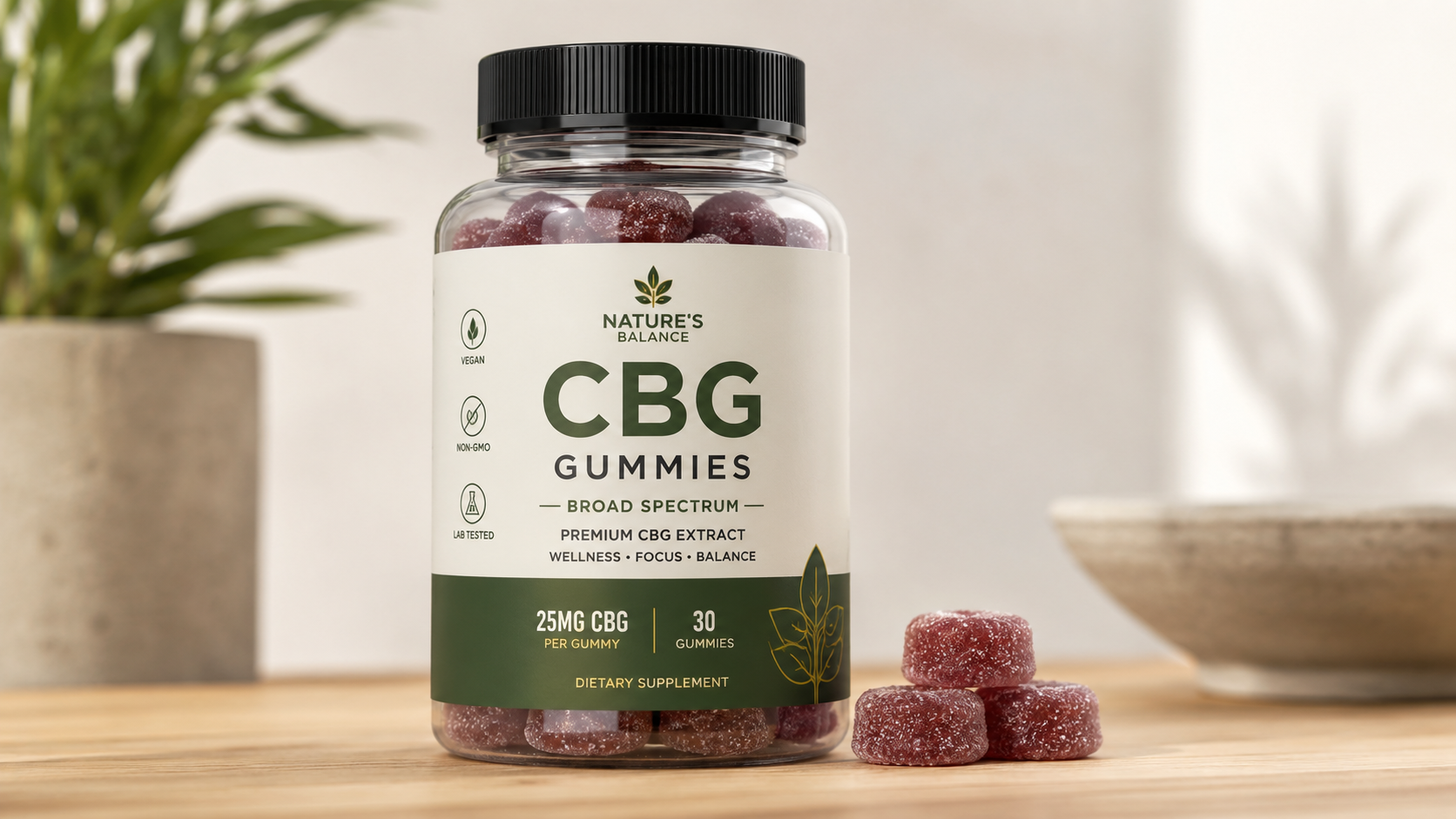
CBG gummies may be relatively new to the wellness space, but the compound inside them has been attracting scientific interest for quite some time. CBG, short for cannabigerol, is a naturally occurring, non-psychoactive cannabinoid found in the cannabis plant, much like the better-known CBD. As these gummies become more widely available, many people are left wondering what exactly they contain and whether they offer any real health benefits.
The answer is not as straightforward as many marketing claims suggest. While early research into CBG is promising, scientists are still working to understand its full potential and long-term effects. Before adding CBG gummies to your routine, it helps to know what CBG is, how it interacts with the body, and what current evidence actually says.
What Exactly Is CBG?
Cannabigerol, or CBG, is one of more than a hundred naturally occurring cannabinoids identified in the cannabis plant. Unlike THC, it does not produce a psychoactive “high,” which is why it has attracted growing interest from researchers and the wellness industry alike. CBG gummies are simply edible supplements formulated with this compound, offering an easy and convenient way to consume it.
Much of the current interest in CBG comes from the way it interacts with the body’s endocannabinoid system (ECS), a complex network of receptors and signalling molecules involved in maintaining homeostasis, or internal balance. The ECS plays a role in regulating several important functions, including mood, appetite, pain perception, inflammation, and sleep. Although research is still evolving, scientists believe CBG may influence this system in ways that could support overall well-being, making it an active area of ongoing investigation.
How CBG Interacts With Your Body
Once it enters your system, CBG goes straight to work on your endocannabinoid system. This is the complex internal network responsible for keeping your physical body balanced and regulating everything from your mood to how you process pain.
This is also where its biological behavior differs drastically from CBD. While CBD takes a mostly indirect route by gently encouraging your system to produce more of its own natural chemicals, CBG takes direct and immediate action. It physically binds itself to both the CB1 and CB2 receptors, which are heavily concentrated throughout your central nervous system, your digestive tract, and your immune cells. This direct receptor interaction is of interest to researchers studying CBG’s potential effects on pain and inflammation, though clinical evidence in humans is still emerging.
Why is CBG Added to Gummies?
You might be wondering why health companies put this rare extract into gummy form instead of just sticking to traditional sublingual oils or standard capsules. The biggest reason comes down to basic palatability. Raw hemp extracts and especially pure CBG carry a deeply earthy and incredibly bitter flavor that most people find very difficult to swallow on a daily basis. Formulating the extract into a gummy perfectly masks that harsh taste with sweet, natural fruit flavors, making your daily health routine feel much more enjoyable.
Beyond the taste factor, gummies offer a far more consistent and easy way to measure your daily dose. Liquid oil droppers can be messy and inconvenient, leaving you to eyeball your dosage while sitting at your desk or on the go. While it is true that manufacturing quality can vary across the industry, choosing reputable brands means you get a straightforward, reliable portion in every bite. This simplicity makes it incredibly easy to stick to a routine, which is exactly what your body needs to let the compound build up in your system and deliver steady relief.
Potential Health Benefits of CBG Gummies
While research on cannabigerol is still in the early phases, the initial findings point to some very real physical benefits. Because CBG interacts directly with your internal receptors, it targets the body in ways other supplements do not. Instead of just masking a problem, it goes straight to the source of physical discomfort and stress. Here is a practical look at what current medical studies actually support.
Aids Gut Health

Your digestive tract is filled with cannabinoid receptors, which is why researchers are looking closely at the endocannabinoid system to help manage gut issues like IBS. Early lab studies show that CBG is especially promising. The research suggests CBG can help calm irritated gut nerves and reduce painful swelling. Scientists are also finding that it may protect the cells lining the colon from inflammatory damage. While large human trials are still needed, the current science points to a real benefit for overall digestive health. [1]
Protecting Eye Health
Preliminary research suggests that CBG may help reduce intraocular pressure, a key risk factor for glaucoma. However, the evidence is based largely on early experimental and preclinical studies, and more human research is needed before CBG can be considered an effective treatment for glaucoma or other eye conditions. [2]
Managing Anxiety and Stress
While CBD usually receives the credit for relaxation, some studies indicate that people using CBG-heavy products report significant drops in anxiety and daily stress. Even better, they are managing this stress without experiencing the brain fog, fatigue, or withdrawal symptoms often tied to traditional anxiety medications. [3]
May Have Anti-Inflammatory Properties
Inflammation lies at the heart of many chronic diseases, which is one reason CBG has attracted attention in research laboratories. Experimental studies have shown that it may reduce inflammatory activity in certain cells, including those involved in rheumatoid arthritis. However, these findings have not yet translated into proven clinical benefits in people. [4]
Read More at –The Power Of CBG Gummies: 7 Health Benefits Revealed
CBG vs. CBD: What is the Difference?
Since both compounds come from hemp and neither gets you high, it is easy to mix them up. The real difference comes down to how they interact with your nervous system. CBD works mostly behind the scenes. It encourages your body to use its own natural calming chemicals, making it fantastic for full-body relaxation, easing daily anxiety, and helping you sleep.
CBG takes a much more direct route. It physically binds straight to the receptors in your brain, gut, and immune cells. Because of this direct connection, CBG is much better at targeting specific physical issues like joint inflammation or digestive pain. Another major difference is the daily effect. While CBD is famous for helping you wind down, CBG usually provides an uplifting sense of mental clarity. Keep CBD around for deep sleep, but use CBG for daytime focus and targeted physical relief.
Are CBG Gummies Safe?
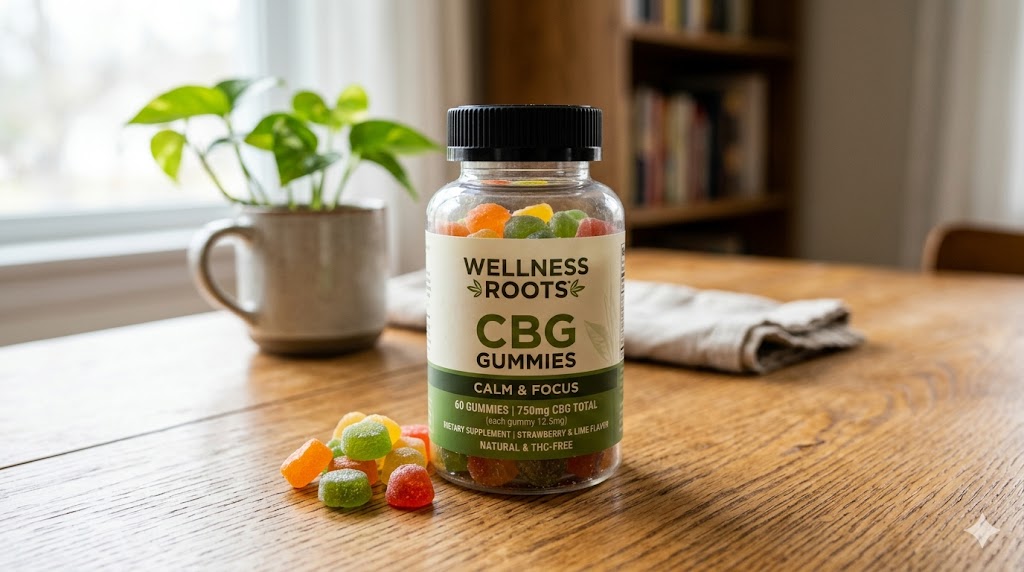
Current research suggests that CBG is generally well tolerated, but studies in humans are still limited, and its long-term safety profile is not yet fully understood. As with any supplement, some people may experience side effects or interactions with prescription medications. Product quality can also vary depending on the manufacturer, making it important to choose reputable brands that undergo third-party testing. If you are pregnant, breastfeeding, have an underlying medical condition, or take regular medications, it is always best to speak with your doctor before trying CBG gummies. A healthcare professional can help you decide whether they are appropriate for your individual needs.
Disclaimer:
CBG supplements, including gummies, may not be suitable for everyone. Always consult your doctor or a qualified healthcare professional before starting any new supplement, especially if you are pregnant, breastfeeding, have an underlying medical condition, or are taking prescription medications.
FAQs
Can I take CBG and CBD gummies together?
Some people use CBG and CBD together, but the combination may increase the risk of side effects or drug interactions. Consult your doctor before taking both, especially if you use other medications.
When is the best time of day to take CBG?
Most people prefer mornings or afternoons because they promote clear daytime focus rather than drowsiness.
How long does it take for a CBG gummy to work?
It typically takes around forty-five minutes to an hour for your digestive system to process it.
Can CBD oil be used for massage?
Yes. Some massage oils contain CBD and are applied directly to the skin as part of a massage. While many users find them soothing, research on their effectiveness remains limited, and they should only be used externally.
References
1- Borrelli, F., Fasolino, I., Romano, B., et al. (2013). Beneficial effect of the non-psychotropic plant cannabinoid cannabigerol on experimental inflammatory bowel disease. Biochemical Pharmacology, 85(9), 1306-1316.
2- Cital S, Kitikittiwat A, Crumbley C, et al. Survey of CBG-predominant cannabis use in the United States. Cannabis Cannabinoid Res. 2022;7(5):658-666. doi:10.1089/can.2021.0040. PMID: 34569849.
3- Cuttler C, Stueber A, Cooper ZD, Russo E. Acute effects of cannabigerol on anxiety, stress, and mood: a double-blind, placebo-controlled, crossover, field trial. Sci Rep. 2024 Jul 13;14(1):16163. doi: 10.1038/s41598-024-66879-0.
4- Lowin T, Pongratz G, Straub RH. Anti-inflammatory effects of cannabigerol in rheumatoid arthritis synovial fibroblasts and peripheral blood mononuclear cells are mediated by TRPA1. Int J Mol Sci. 2023;24(2):1560. doi:10.3390/ijms24021560.
(The article is written by Ehsan Siddiqui, Team Lead and reviewed by Monalisa Deka, Deputy Manager, Clinical Health & Content, Medical Affairs)