
You don’t need a complicated diet. You don’t need to count every calorie or give up the foods you love. The weight loss plate method is one of the simplest tools experts have recommended for years – and it starts with building a smarter plate. No tracking, no restriction, no stress.
Here are five straightforward ways to build yours, backed by nutrition science and easy enough to start tonight. Let’s begin with,
How Does the Weight Loss Plate Methods Actually Work?
Before the five steps, here’s the science behind why refined carbs work against you – and why the plate method fixes it.

What Happens 1 Hour After Eating Refined Carbs?
You eat refined carbs → Blood sugar shoots up fast → Pancreas panics and dumps insulin → Insulin overcorrects, blood sugar crashes → You feel tired, foggy, and irritable → Hunger and cravings hit again → you reach for more food → cycle repeats.
What Happens When You Swap Refined Carbs With Whole grain?
If you swap refined carbs with whole grains such as brown rice, oats, quinoa, and whole wheat, your body responds very differently — with steadier energy, better fullness, and fewer cravings.
You eat whole grains → Fibre slows down digestion → Blood sugar rises gradually → Insulin releases steadily and calmly → Your cells get a slow, consistent energy supply → You stay full, focused, and satisfied for longer → Fewer cravings and energy crashes → Your body stays balanced and energised for hours.
As Dr. Syeda Aafia, Medical Content Expert at Tata 1mg explains, “The plate method focuses on balance rather than restriction. Building meals with vegetables, protein, whole grains, and healthy fats can help support steady energy levels, better satiety, and healthier eating habits across different cuisines and lifestyles.”
Here Are 5 Expert-Recommended Strategies For Weight Loss Plate Method
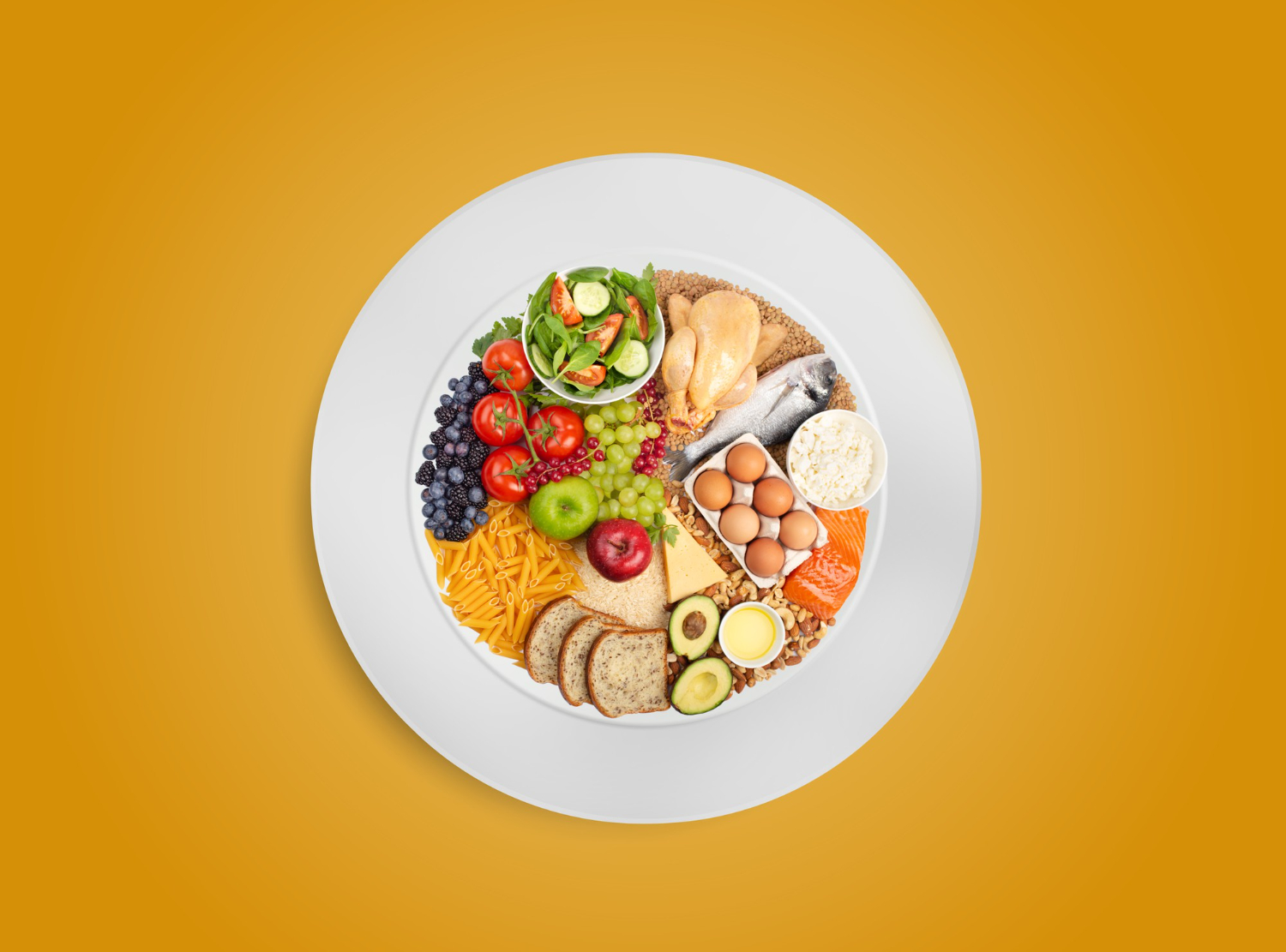
1. Fill half your plate with vegetables and fruits
Harvard’s guidelines are clear: half your weight loss plate should be vegetables and fruits. Not a garnish on the side – half the plate. Go for colour and variety. The more colours on your plate, the wider the range of nutrients you’re getting.
However, there’s one important note from the experts: potatoes don’t count here. Because of their negative impact on blood sugar, potatoes behave more like refined carbs than vegetables. Swap them for leafy greens, broccoli, peppers, tomatoes, or cucumbers instead.
2. Give a quarter of your plate to whole grains – not refined ones
One quarter of your weight loss plate goes to whole grains – whole wheat, barley, oats, quinoa, brown rice, or whole wheat pasta. According to Harvard’s nutrition research, the type of carbohydrate matters far more than the amount. Whole grains have a milder effect on blood sugar and insulin than white bread or white rice.
For example, swapping white rice for brown rice at one meal a day is a small change that adds up significantly over weeks. Additionally, whole grains keep you fuller longer – which naturally reduces how much you eat overall.
3. Use the last quarter for lean protein
The final quarter of your weight loss plate belongs to protein. Fish, poultry, beans, lentils, and nuts are all healthy, versatile choices – they mix well into salads, pair naturally with vegetables, and keep hunger at bay between meals.
That said, not all proteins are equal. Harvard specifically recommends limiting red meat and avoiding processed meats like bacon and sausage altogether. Research in the American Journal of Clinical Nutrition confirms that higher protein intake reduces hunger hormones and supports fat loss while preserving muscle.
4. Add healthy oils – and ditch the low-fat myth
Healthy fats don’t make you fat – the wrong fats do. Harvard recommends using healthy plant oils like olive oil, canola, or sunflower oil in moderation on your weight loss plate. These support hormone function and help your body absorb fat-soluble vitamins like A, D, E, and K.
Meanwhile, avoid partially hydrogenated oils, which contain trans fats. And here’s something most people don’t know: low-fat does not mean healthy. Many low-fat products replace fat with sugar, which does far more damage to your weight loss goals than a drizzle of olive oil ever would.
5. Drink water, coffee, or tea – skip sugary drinks
What you drink alongside your weight loss plate matters just as much as what’s on it. Harvard’s guidelines recommend water, coffee, or tea as your go-to drinks. Sugary drinks – cold drinks, sweetened juices, flavoured milk – are one of the biggest hidden sources of calories, usually with very little nutritional value.
Furthermore, limit milk and dairy to one to two servings a day, and keep juice to a small glass – even 100% fruit juice. Drinking water before and during a meal also reduces the total amount you eat, making it one of the simplest habits to add to your routine.
“The type of carbohydrate in the diet is more important than the amount of carbohydrate, because some sources – like vegetables, fruits, whole grains, and beans – are healthier than others.”
How to Manage Portions at Home?
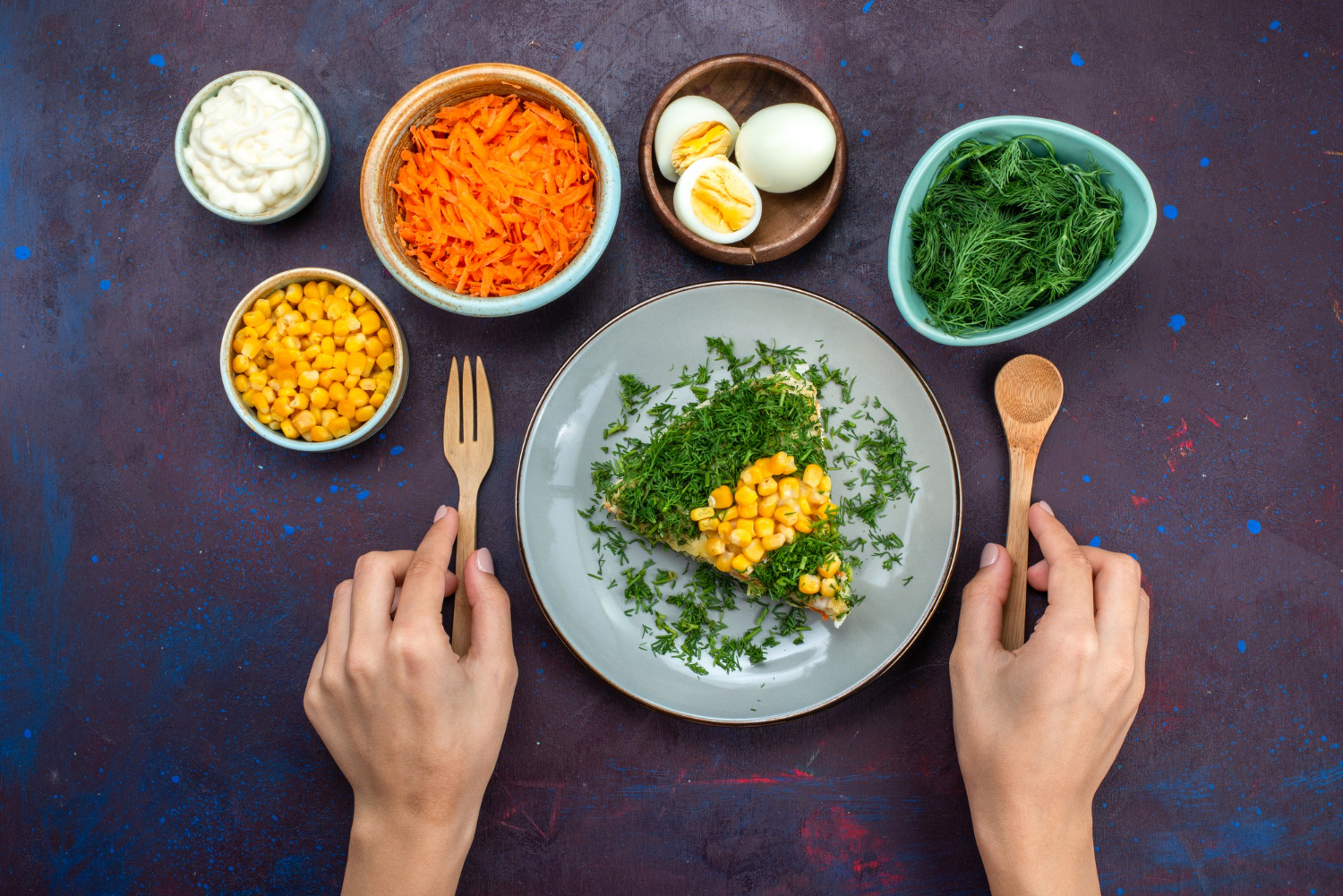
Building a solid weight loss plate is step one. Controlling how much ends up on it is step two. You don’t need to measure and count everything forever – just long enough to understand what a real serving size looks like. Here are the habits that make it stick:
Eat off a plate
Always serve one portion onto a plate. Never eat straight from the box or bag – it’s almost impossible to know how much you’ve had.
No screens while eating
Avoid eating in front of the TV or while on your phone. Distracted eating leads to eating more without realising it.
Eat slowly
Your brain takes at least 15 minutes to register that your stomach is full. Slow down and give it time to catch up.
Use smaller plates
Smaller dishes, bowls, and glasses automatically reduce how much you serve yourself – without feeling restricted.
Eat at regular times
Skipping meals leads to overeating later. Stick to consistent meal times to keep hunger in check through the day.
Freeze extra portions
If you cook too much, freeze single servings immediately. You won’t be tempted to finish the batch – and you’ll have ready meals for later.
How to Manage Portions When Eating Out?
Most people eat out regularly – and restaurant portions are designed to be generous. That doesn’t mean your weight loss plate habits have to go out the window. These strategies keep you on track without skipping the meal or the fun:
- Share a meal with a friend or ask for half to be packed up before you start eating.
- Skip all-you-can-eat buffets. They’re designed to make portion control nearly impossible.
- Order one or two healthy starters instead of a full main – a grilled protein, a side salad with dressing on the side, or roasted vegetables.
- Ask the server to remove the bread basket or chips from the table. If it’s not there, you won’t eat it.
- Always pick the smaller size – whether it’s a drink, a salad, or a dessert. The difference in calories is bigger than you think.
- Stop eating when you feel full – not when the plate is empty. Put your fork down and enjoy the conversation instead.
A Healthier Plate, One Meal at a Time
Starting tonight. Pick up a regular dinner plate. Fill half with any vegetable you have. Add a portion of lean protein. Finish with a small serving of whole grain. That’s your weight loss plate – simple, expert-recommended, and proven to work. No app, no tracking, no stress.
FAQs
Q: Does the weight loss plate method work without exercise?
A: Yes. The plate method creates a natural calorie deficit by controlling portions and prioritising low-calorie, high-volume foods. However, combining it with regular movement produces faster and more sustainable results. Even a 20-minute daily walk makes a difference.
Q: Can I use the plate method for Indian food?
A:Absolutely. Fill half your plate with sabzi or salad, one quarter with dal, paneer, or egg curry, and one quarter with one or two whole wheat rotis or a small portion of brown rice. The method fits any cuisine -it’s about proportions, not specific foods.
Q: How much weight can I lose with the plate method?
A: Research suggests a consistent calorie deficit from portion control supports a gradual loss of 0.5 to 1kg per week. This rate is considered healthy and far more likely to last long-term than rapid weight loss from crash diets.
Q: Can I follow the plate method if I’m vegetarian or vegan?
A: Yes -easily. The protein quarter of your plate works perfectly with lentils, chickpeas, tofu, tempeh, paneer, or Greek yoghurt. Plant proteins are just as effective for satiety and muscle preservation as animal proteins.
References:
1. Harvard T.H. Chan School of Public Health. Healthy Eating Plate [Internet]. Boston (MA): The Nutrition Source; [cited 2026 Jun 3]. Available from: https://nutritionsource.hsph.harvard.edu/healthy-eating-plate/
2. National Institute of Diabetes and Digestive and Kidney Diseases. Just enough for you: About food portions [Internet]. Bethesda (MD): NIDDK; [cited 2026 Jun 3]. Available from:https://www.niddk.nih.gov/health-information/weight-management/just-enough-food-portions
(The article is written by Nancy Dixit, Associate Manager, and reviewed by Monalisa Deka, Deputy Manager, Clinical Health & Content, Medical Affairs)
Recommended Reads:
Crash Dieting vs Healthy Weight Loss: Which One Actually Works and Which One You Should Never Try
8 Benefits of Jump Squats for Weight Loss & Full-Body Fitness: What Doctors Say