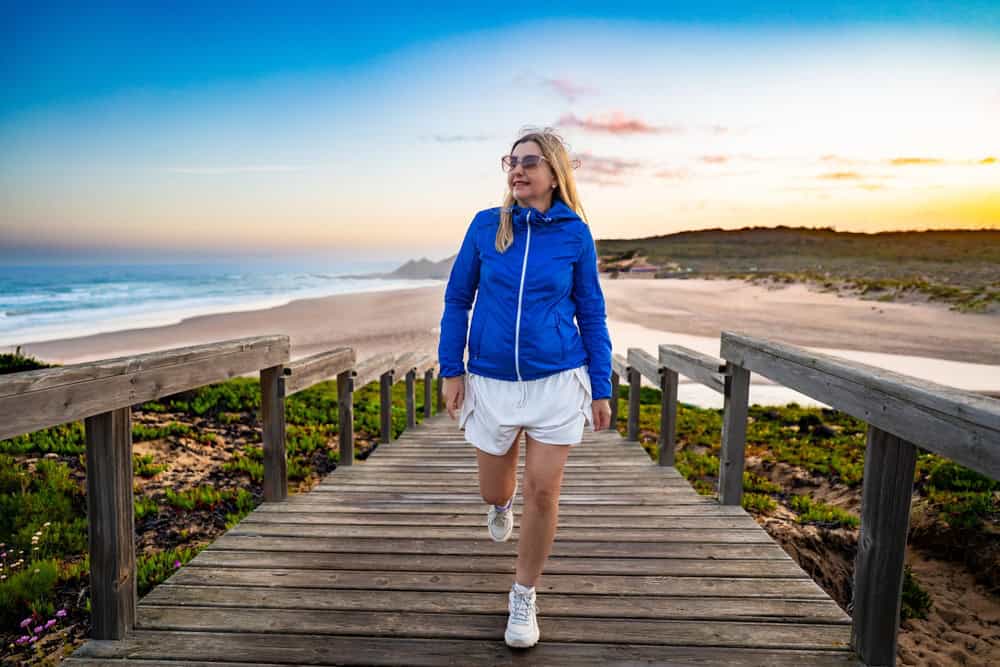
 Walking has long been the most affordable way to exercise. In 2025, innovations are turning it into a major fitness trend. Thanks to smart technology and mindful slow walking techniques, people are discovering new ways to enhance their walking experience. With more people working at desks and growing concerns about mental health, walking has become a fun, effective, and science-backed way to stay active.
The majority of the successful walking trends of 2025 were practical, accessible to all ages, and sustainable. Many did not require gym memberships or large financial commitments, but instead promoted consistency, proper posture, and efficient calorie burning to improve mental health. As a result, walking was the most popular global exercise of the year.
This article gives an overview of proven walking methods, research that supports them, and how to apply these trends to your daily routine.
1. Zone 2 Walking (Heart-Rate-Based Walking)
Zone 2 walking gained popularity in 2025 for enabling people to achieve visible fitness results, such as improved stamina and fat burning, without causing excessive physical strain.
The Zone 2 walking method is walking at a heart rate between 60%-70% of one’s MHR (maximum heart rate); so the user should be able to maintain a conversation with someone at this heart rate, yet still feel warm and slightly out of breath.
Why was it successful?
-It allows for better fat burning.
-It promotes higher metabolic rates.
-It provides support in building endurance.
-It can easily be done for 30-45 minutes.
-Fitness trackers/smartwatches allow individuals to keep their heart rates in the Zone 2 range, making it very easy to use every day.
2. 3-12-30 Walking Method
The 3-12-30 formula is based on incline training. This trend was introduced on social media in 2025.
Rules:
-30 minutes of walking
-Incline of 12%
-Speed of 3 Mph (miles per hour)
Why was it successful?
-Higher calorie burning
-Strengthen glutes, core, and legs
-Increased cardiovascular health
The structure and simplicity of the 3-12-30 method attracted the attention of office workers and postpartum mothers seeking a healthy alternative to traditional cardio.
3. Silent Walking for Mental Clarity
In 2025, silent walking emerged as a global mental health trend: walking without equipment, music, or conversation.
Why was it successful?
-Decreases anxiety
-Increases focus
-Increases creativity
-Increases emotional Regulation
Therapists and psychologists have endorsed this practice as “moving meditation”. It is also gaining popularity among those who have become digitally stressed.
4. Rucking (Walking with Light Weights)
When you walk with a rucksack on your back (the weight of the ruck usually averages between 5-10 kg).
Why was it successful?
-Burns almost double the amount of calories that would typically be burned while walking.
-Strengthens back and leg muscles.
-Improves postural alignment.
-Risks of injury while rucking are lower than other forms of exercise.
Note: Rucking is an effective alternative to high-intensity workouts (shift distance run) like running.
5. Posture-Focused Walking (Aligned Walking)
Many people began focusing on how they walked instead of how much they walked, a trend referred to as posture-focused walking.
The essential cues for posture are:
– Chest up,
– Shoulders relaxed,
– Core engaged,
– Heel to toe movement,
– Neutral spine.
Proper posture leads to increased calorie burn, less knee pain, and faster walking; physiotherapists helped drive this movement forward with social media and online marketing strategies.
6. 5-Minute “Snack Walks” Throughout the Day
Move towards short bursts of walking as a ‘snack walk’ during the day (breaking up all-day sitting).
Why was it successful?
-To help combat long hours of being seated.
-To control blood sugar levels
-Increase productivity at work.
By doing mini-walks throughout the day, you can easily increase your total steps for the day.
According to research done in 2025, taking shorter, more frequent walks (movement bursts) instead of one longer walk would have a greater impact in reducing the risk of metabolic disease than if you walked longer.
7. Nature Trails & Forests
With offline experiences becoming increasingly popular among many, walking in nature has had its highest ever level of participation (nature).
What makes it work?
-Releasing stress
-Improving the function of the lungs
-Sleeping better & feeling better
Green walking zones have been created by many cities to promote a healthier lifestyle through the benefits of taking a mindful daily nature walk. This also includes the rising practice of Shinrin-yoku (forest bathing), where people walk slowly through greenery to calm the mind and reconnect with their senses. Just a few minutes of this Japanese method has been shown to ease anxiety and restore mental balance.
8. Social Walking/Community Walks
The concept of walking clubs has made walking a “Social fitness experience”.
What makes it work?
-Promotes consistency in walking
-Improves mental health
-Holds one another accountable
-Add fun to the process, provide companionship, and finally promote team building within a community (Corporations and residential communities have developed a few programs like “Step challenge programs” each week, with walking being utilised as a team-building event).
9. Retro Walking/Running (Walk-Run Intervals)
People have also taken to practising walk-run intervals instead of the normal exhausting running-style workouts.
An example of a walk-run interval is 1 min. brisk walk + 30 sec. slow run (this interval would be repeated 20-30 times). This is a great way to burn calories, protect your joints, and develop stamina, while being friendly for those new to exercise.
10. Multisensory Walking Workouts
A very effective method of combining a walk with a multisensory experience.
This type of program includes walking while utilising one or more of the following items:
-Aromatherapy oils
-Nature sound playlists
-Breathwork
-Mindfulness
-or All four of the above.
Combining the above sensory items with walking has created moods, focus, and relaxation, especially among women and the aging population’s preference for using this method of exercise.
11. Japanese Walking Technique (Namba Aruki)
Namba Aruki is an ancient form of walking that originated in Japan and is characterized by moving the opposite arm and leg together.
Some key points to use in your Namba Aruki Practice are:
– Your torso should have minimal twisting or turning,
– Your posture should be natural and upright, and
– You should use smooth coordinated movements of both arms and legs.
This method helps reduce fatigue, improve balance, and support joint alignment. Its simplicity and posture benefits made it a widely adopted mindful walking practice in 2025.
Final Insight
2025 has shown that while walking is a simple activity, doing it mindfully can positively impact multiple areas of your life. When tailored to your lifestyle, walking can become the easiest and most effective way to improve your overall health.
FAQs
Q. What walking trend was the best for 2025?
Walking in zone 2 was the most successful trend due to its ability to enhance fat burning, build stamina, and improve heart health while also allowing for easier long-term maintenance.
Q. How does silent walking help mental wellness?
There are multiple advantages of silent walks on mental wellness; for example, it lowers anxiety, improves attention, and encourages mindfulness, which is extremely beneficial to anyone dealing with digital fatigue.
Q. Is the 3-12-30 walking routine appropriate for beginners?
If beginners follow this method with caution and start on a low slope (5-7%), they can safely complete this routine according to their pace and increase the intensity at their discretion.
Q. How much weight can rucking help you lose?
Rucking generates approximately double the caloric expenditure when compared with traditional walking; when performed consistently and combined with a healthy diet, individuals can expect to lose 2-4 kg monthly through regular rucking activity.
Q. Do “movement snack” walks generate more benefit than a longer walk?
In terms of cardiovascular health and overall activity, walking multiple short distances promotes greater efficiency in achieving health benefits associated with reduced sedentary behaviours compared to single lengthy walks only.
Q. Will joining a walking group benefit me?
The motivation, socialisation, and accountability that come from participating in a walking group will boost an individual’s ability to participate in their fitness activities consistently. It also allows individuals to make their fitness experience more enjoyable than without it.
Q. Are walk/run intervals appropriate for everyone?
While most adults should not encounter any issues executing this type of training if they follow appropriate warm-up procedures, those suffering from joint problems should consult their physician beforehand.
Recommended Reads
(The article is written by Deepa Sarkar, Medical Writer, and reviewed by Monalisa Deka, Deputy Manager, Clinical Health & Content, Medical Affairs)