
You can apply the best moisturizer in the world, but if your body lacks internal hydration, your skin may still look dull or tight. Healthy skin starts from the inside. What you eat and the nutrients you take daily shape how well your skin holds moisture, repairs itself, and maintains its natural glow. Certain supplements can support this process. They don’t replace a balanced diet or water intake, but they help your skin maintain hydration more effectively.
Hyaluronic Acid: Supports Moisture Retention
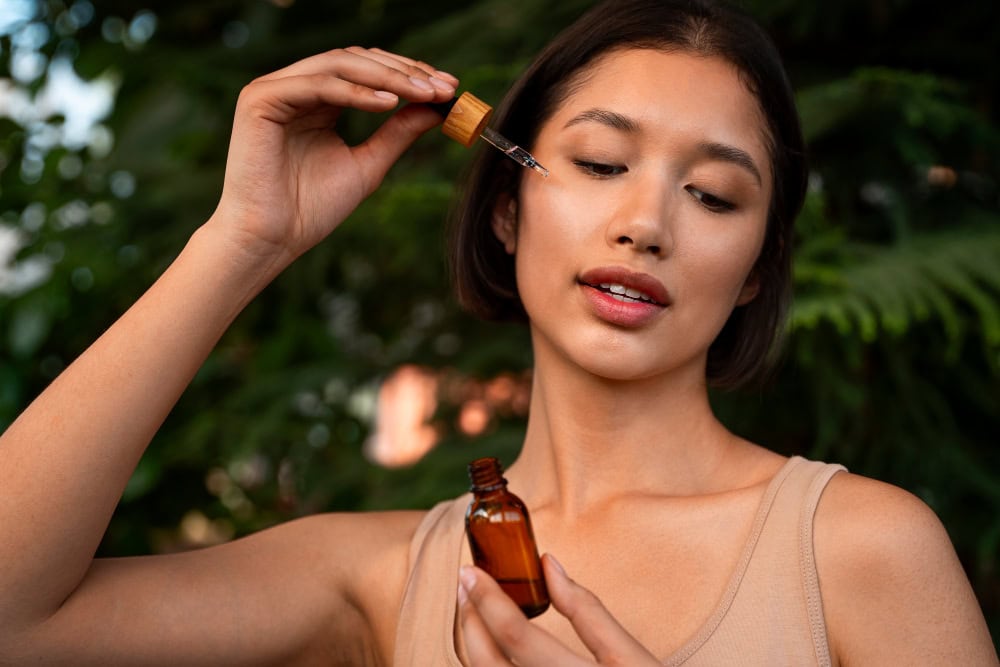
Hyaluronic acid is naturally present in your body, and its main job is to hold water. One molecule can hold many times its weight in moisture, helping skin stay plump and smooth. As you age, natural levels decline. Oral hyaluronic acid supplements may help restore moisture balance over time. With regular intake, many people notice that their skin feels less dry and appears more hydrated. It works quietly at the cellular level, supporting long-term hydration.
Collagen Peptides: Strengthen Skin Structure

Collagen is the protein that gives your skin structure and elasticity. When collagen levels drop, the skin loses its ability to retain moisture effectively. Hydrolyzed collagen peptides are easier for the body to absorb and may improve skin hydration when taken consistently. Stronger skin structure helps reduce moisture loss and supports a smoother texture.
Omega-3 Fatty Acids: Protect The Skin Barrier

Omega-3 fatty acids, commonly found in fish oil or algae-based supplements, help maintain the skin’s lipid barrier. This barrier acts like a protective shield that prevents water loss. When the barrier weakens, moisture escapes more easily, leaving skin dry and irritated. Omega-3 fats help reinforce this barrier and support calmer, better-hydrated skin.
Vitamin E: Protects Skin Cells
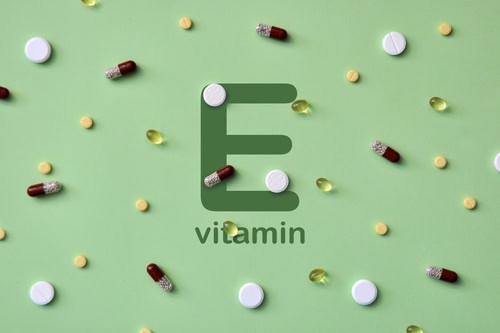
Vitamin E supports hydration by protecting skin cells from environmental stress. Healthy skin cells retain moisture more effectively. This vitamin also supports the lipid layer that helps lock water inside the skin. Regular intake may help the skin feel smoother and less prone to dryness.
Ceramides: Strengthen The Outer Skin Layer
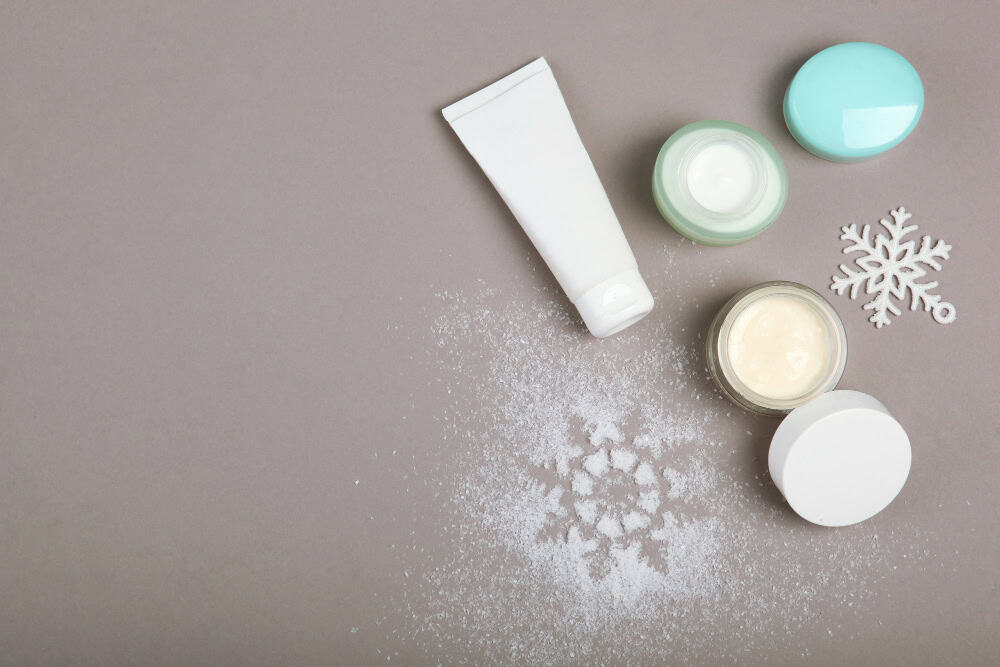
Ceramides are natural lipids present in the outer layer of the skin. They play an important role in maintaining the protective barrier. When ceramide levels drop, the skin loses moisture faster. Plant-derived ceramide supplements may help restore this barrier, leading to softer and more hydrated skin over time.
Vitamin C: Supports Collagen Formation

Vitamin C helps the body produce collagen, which supports both skin strength and moisture retention. It also protects the skin from oxidative stress that can weaken the skin barrier. Taking vitamin C along with collagen supplements may enhance hydration benefits because the body needs vitamin C to form collagen effectively.
Biotin: Maintains Healthy Skin Function
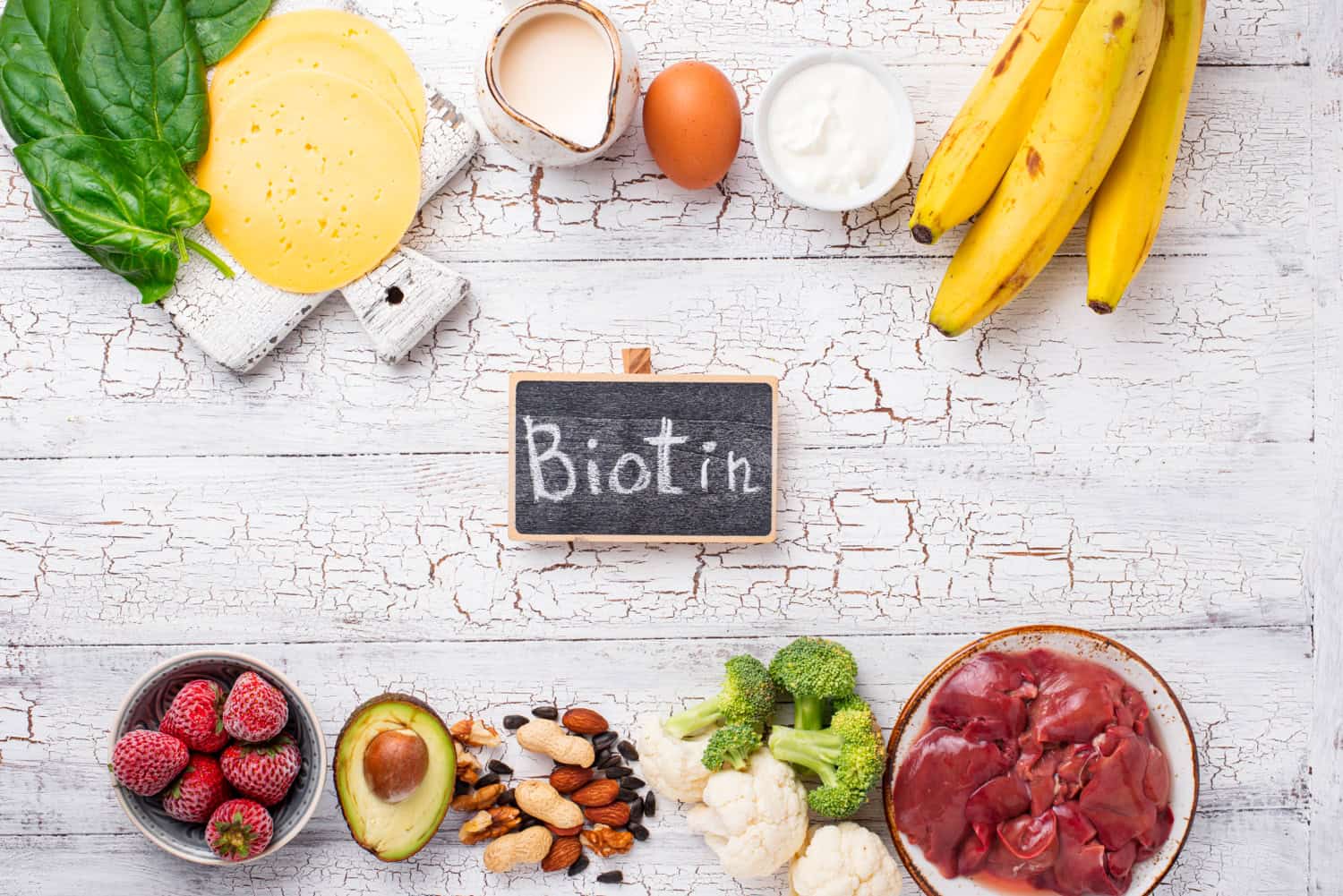
Biotin, also known as vitamin B7, helps maintain normal skin health. While it doesn’t directly hydrate the skin, it supports the processes that keep the skin barrier functioning properly. Adequate intake may help prevent dryness linked with nutrient deficiencies.
Zinc: Supports Repair And Oil Balance

Zinc helps with skin repair, reduces inflammation, and supports the production of natural oils that prevent dryness. When zinc levels are low, skin may appear rough or irritated. Adequate zinc intake supports healthier skin barrier function and better moisture retention.
Probiotics: Support Skin Through Gut Health
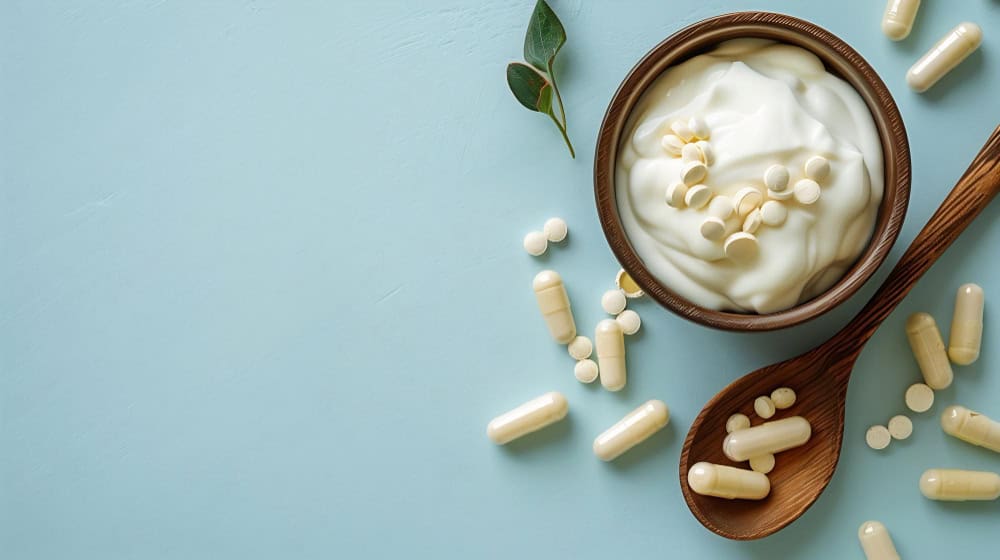
The gut and skin are closely connected. A balanced gut microbiome supports nutrient absorption and helps regulate inflammation, both of which influence skin hydration. Certain probiotic strains may improve skin barrier function and reduce dryness over time.
Daily Habits That Enhance Supplement Benefits
Even with the right supplements, hydration still depends on daily habits. Drinking enough water, eating fruits and vegetables rich in water content, and including healthy fats in meals all help these supplements work better. Supplements support the process, but they cannot replace proper nutrition and hydration.
Consistency Is Key
Skin cells renew slowly, so visible improvements in hydration often take several weeks. Taking supplements regularly for two to three months usually gives a clearer picture of their effects. Consistency allows the nutrients to support skin repair and moisture balance gradually.
Balanced Supplement Use
It’s wise to avoid taking multiple high-dose supplements without guidance. A simple combination such as collagen, omega-3 fatty acids, vitamin C, and hyaluronic acid often provides balanced support for hydration. Always check existing multivitamins to avoid doubling certain nutrients.
Healthy hydration is a continuous process. When your body receives the nutrients it needs, your skin naturally becomes softer, smoother, and better hydrated from within.
FAQs
1. Which supplement works best for skin hydration?
There isn’t a single “best” supplement for everyone. A combination of collagen, hyaluronic acid, omega-3 fatty acids, and vitamin C often provides balanced support for skin hydration because each works in a different way.
2. How long do supplements take to improve skin hydration?
Most supplements need consistent use for at least 6–12 weeks before noticeable changes appear. Skin renewal takes time, so patience and regular intake are important.
3. Can supplements replace drinking water for hydrated skin?
No. Supplements support hydration, but they cannot replace proper water intake. Drinking enough fluids daily is still essential for maintaining healthy skin moisture.
4. Is it safe to take multiple skin supplements together?
Many hydration-focused supplements can be taken together, but it’s important to check ingredient labels to avoid exceeding recommended daily amounts. If you have medical conditions or take medications, consult a healthcare professional before starting new supplements.
5. Do skin hydration supplements cause side effects?
Most supplements are safe when taken in recommended doses. Some people may experience mild digestive discomfort, especially with collagen or fish oil. Starting with the recommended dose and taking supplements with meals may reduce this risk.
6. Are vegetarian options available for hydration supplements?
Yes. Plant-based omega-3 (algae oil), vegan collagen-support formulas, plant ceramides, and hyaluronic acid supplements are widely available for those following vegetarian or vegan diets.