
Fats often get a bad name when it comes to healthy eating, but not all fats are the same. Some, like trans fats or too much saturated fat, can be harmful, while others are good for you. What works best for your body depends on how you change your eating habits. Swapping unhealthy fats for healthier ones is important, and making smart choices about fat doesn’t have to be hard.
Why Healthy Fats Matter?
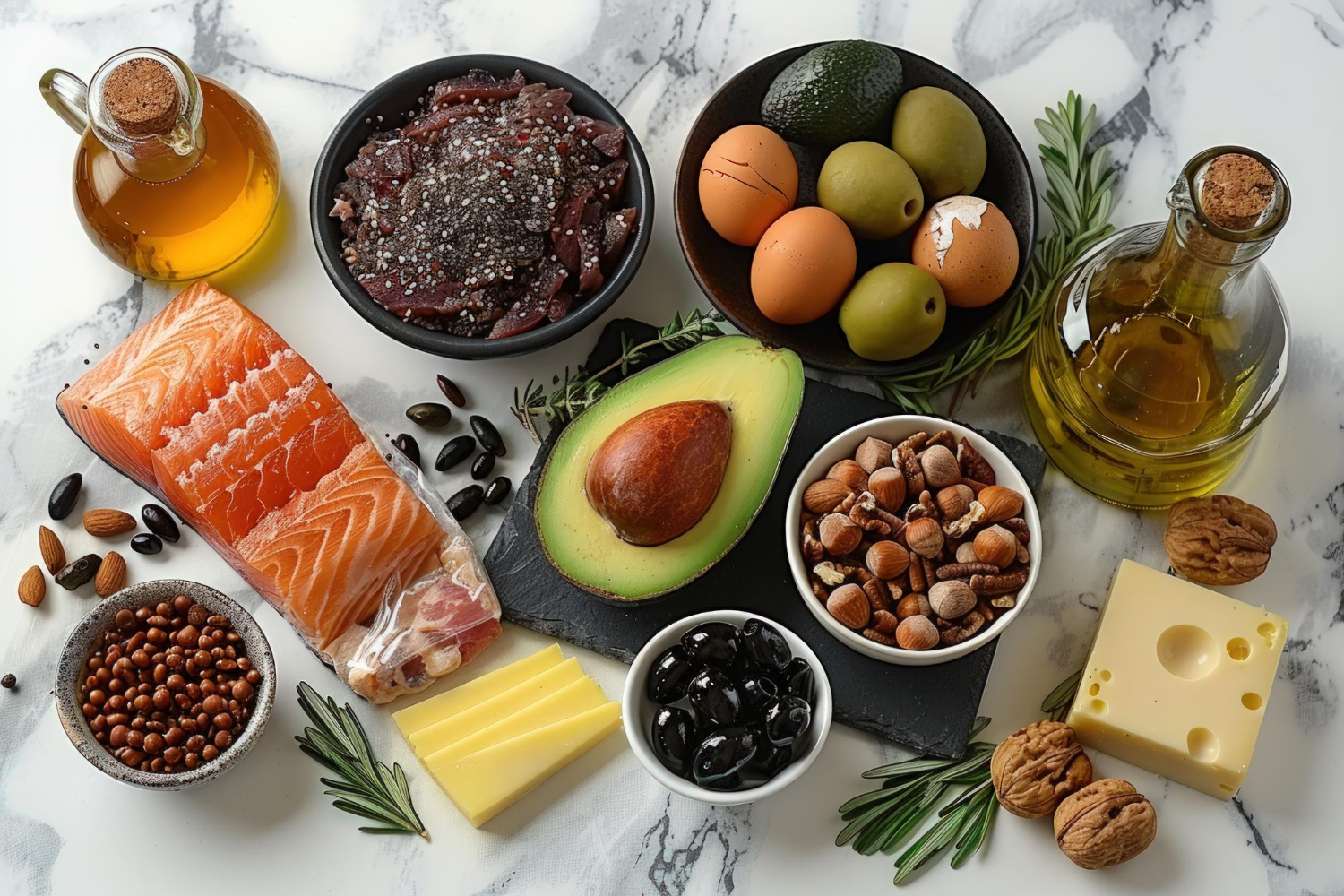
Healthy fats provide the following benefits:
- Heart health
- Reduced inflammation
- Cholesterol management
- Improved cognitive function
- Long-lasting energy source
The following 10 simple strategies will help you incorporate these types of fats into your daily diet without much change to your eating habits or requiring much, if any, time to prepare.
1. Swap Butter with Olive Oil

Olive oil is very beneficial to your heart, whereas butter comes packed with saturated fats. Be sure to use olive oil whenever you are cooking, sautéing, or adding oil to salads.
2. Substitute Nuts and Seeds for Fried Chips/ Snacks
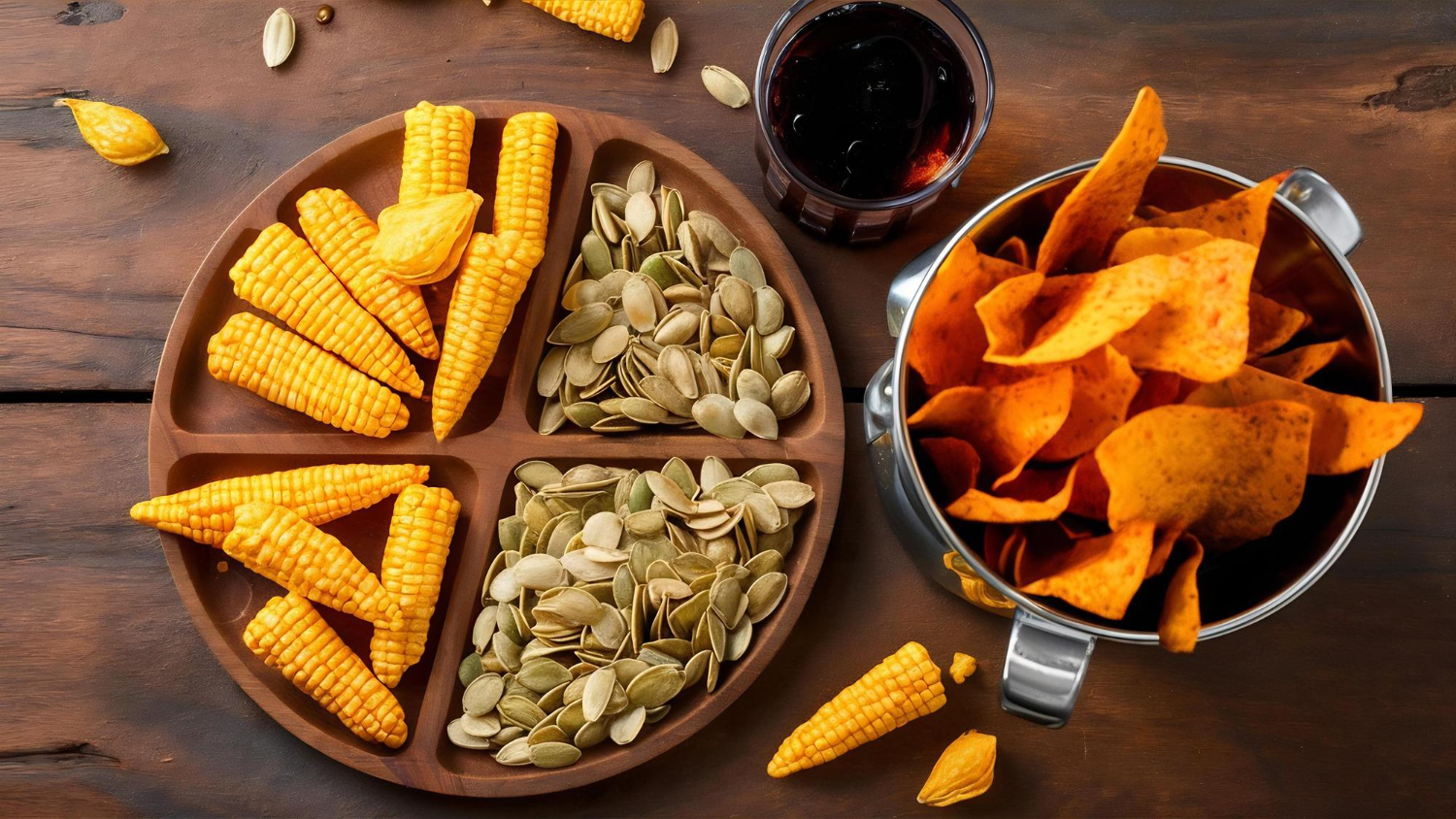
Fried chips and snacks contain unhealthy fats. Instead, snack on almonds, walnuts, flaxseeds, or raw sunflower seeds for healthier fat alternatives.
3. Choose Avocado Instead of Mayonnaise
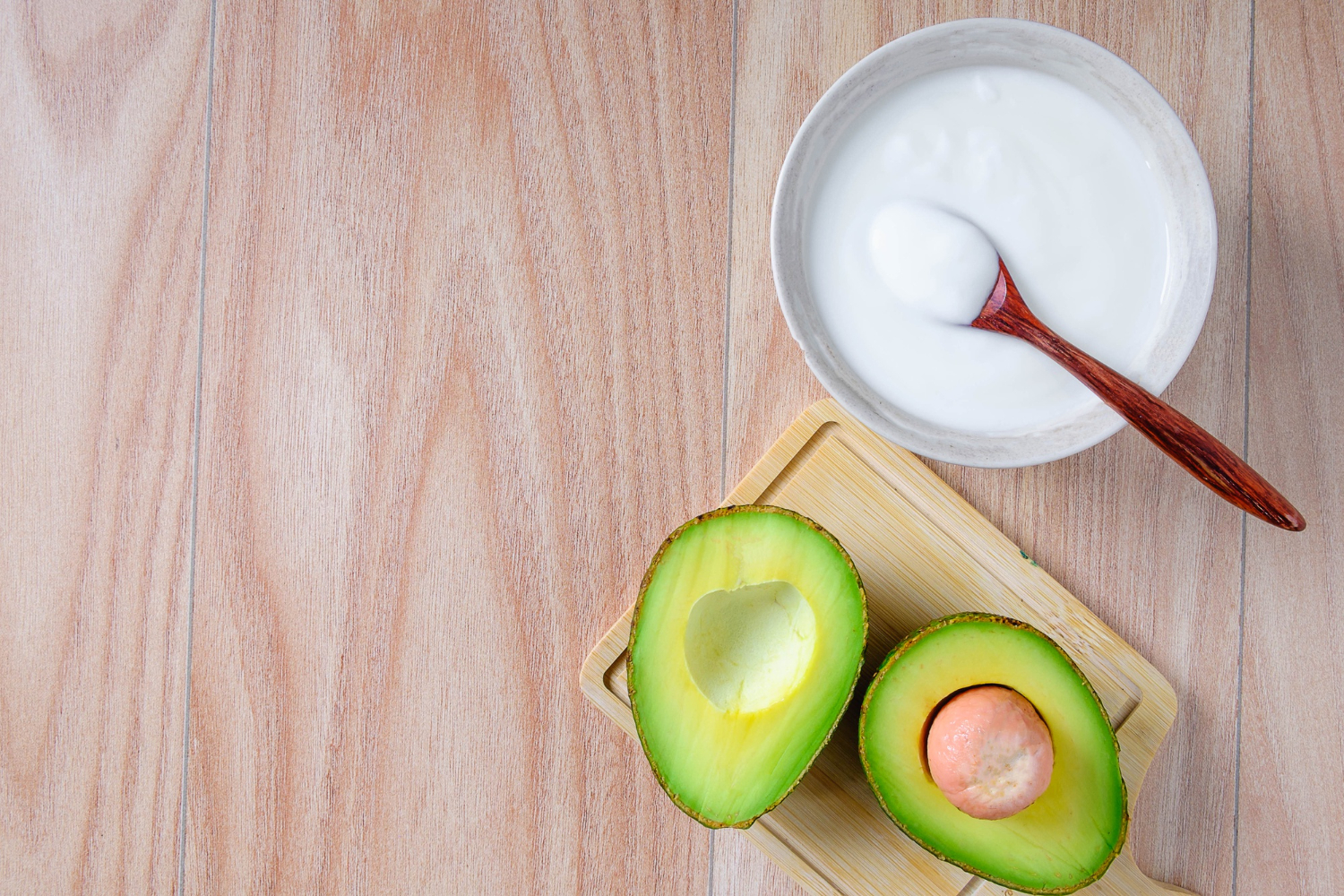
Mayonnaise contains unhealthy fats, whereas an avocado is perfect for providing you with a smooth, creamy texture while providing healthy fats and fiber.
4. Switch from Refined Oils to Cold-Pressed Oils
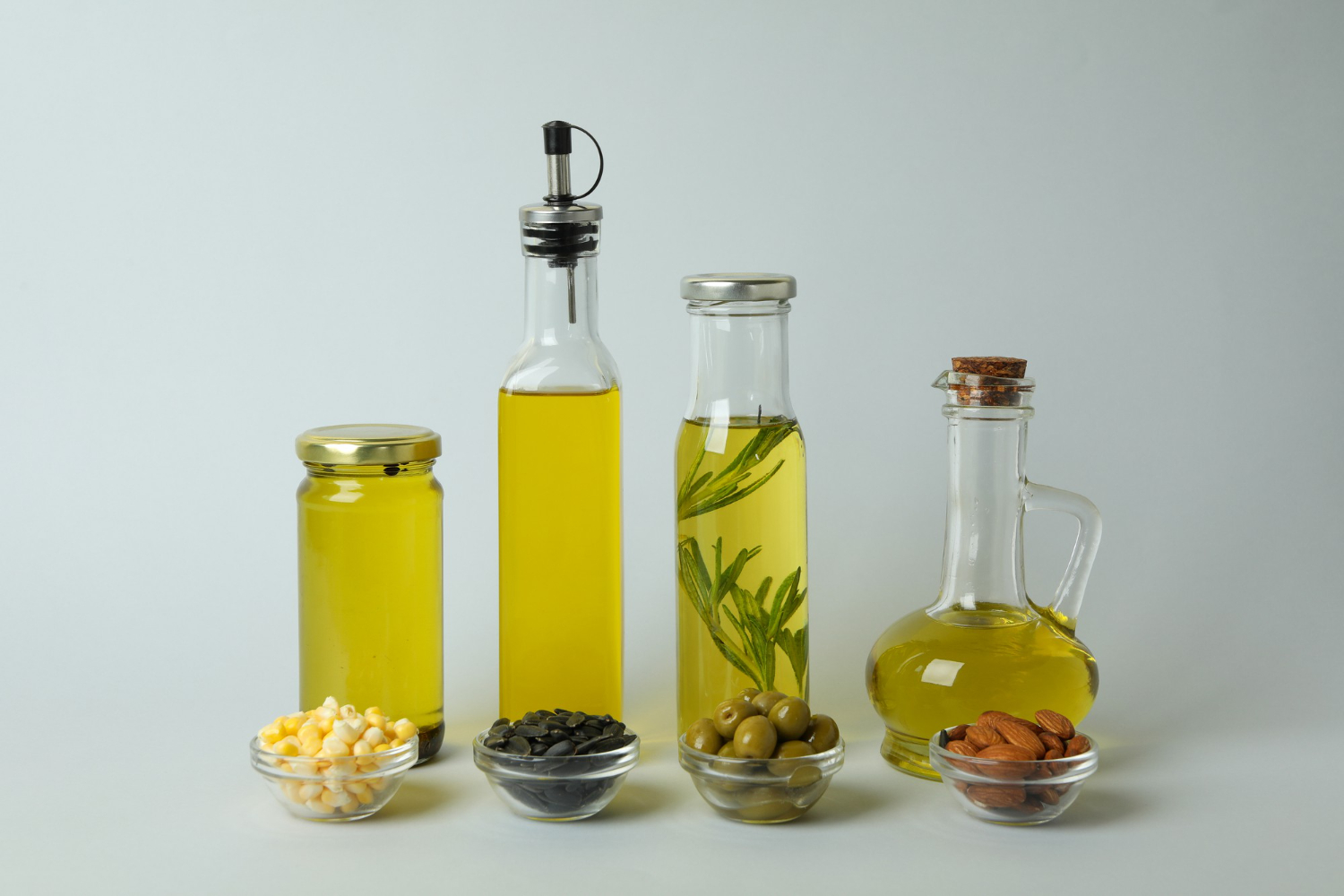
Refined oils lose valuable nutrients due to the way they are processed. Cold-pressed oils such as olive oil, mustard oil, and coconut oil are the best source of nutrients because they retain their naturally occurring nutrients.
5. Replace Full-Fat Cream with Greek Yogurt
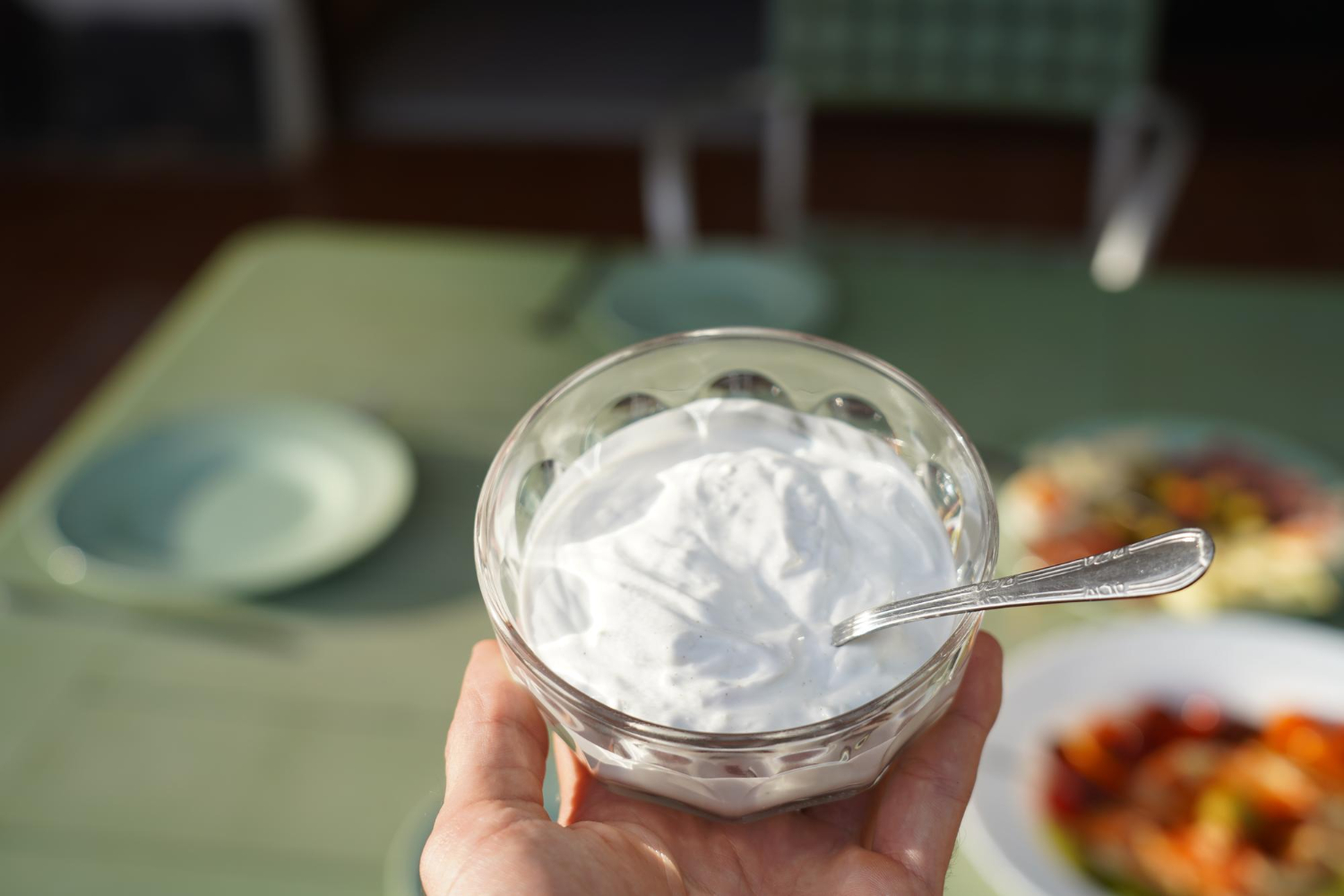
Cream can be a heavy and unhealthy form of fat. Greek yogurt is a much lighter and higher in protein replacement with better quality fat than regular cream.
6. Swap Processed Meat with Fatty Fish
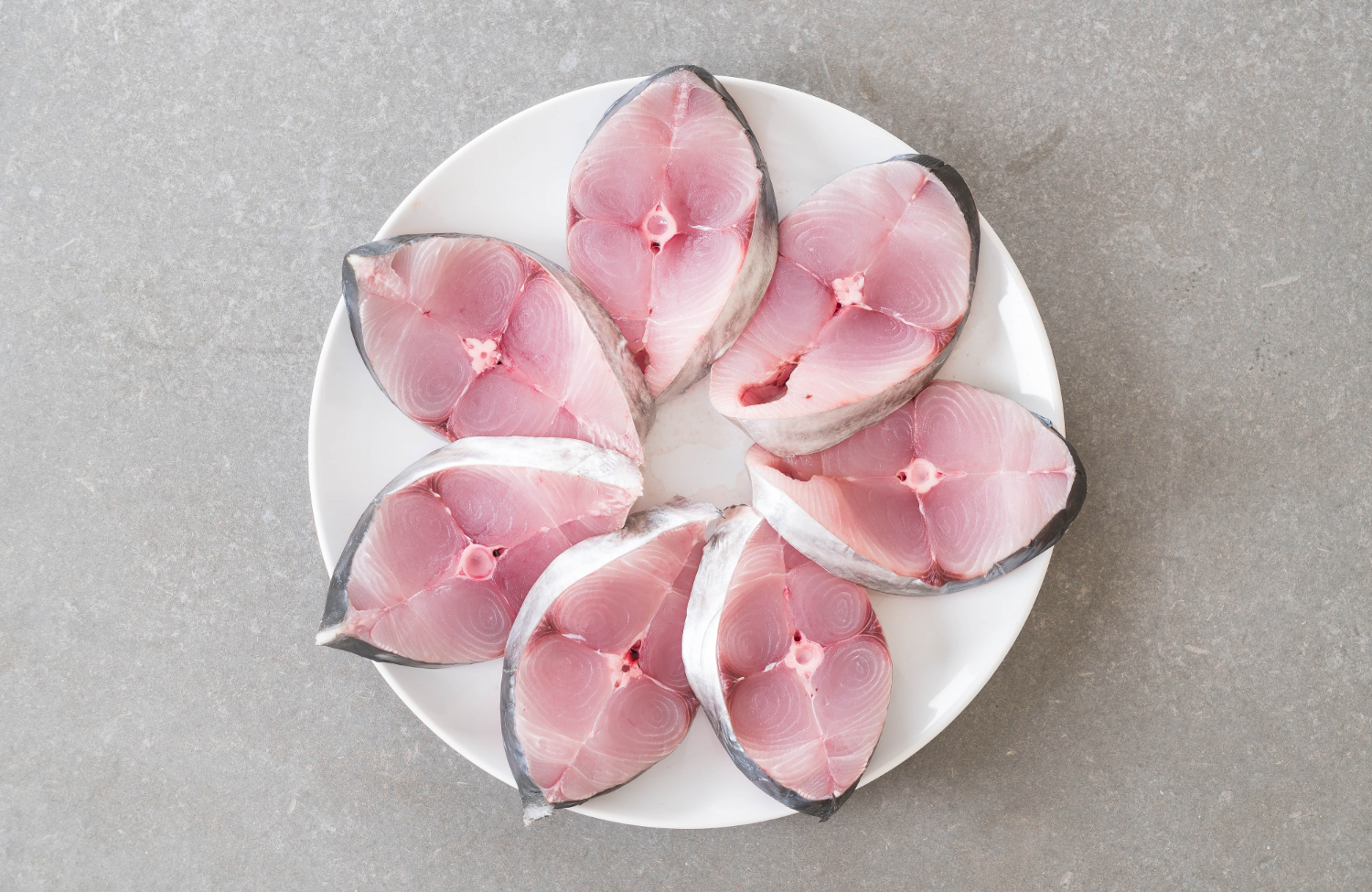
Processed meats have unhealthy fats and additives. Fatty fish such as salmon and mackerel are highly valued sources of omega-3 fatty acids that provide many health benefits.
7. Use Nut Butters Instead of Regular Spreads
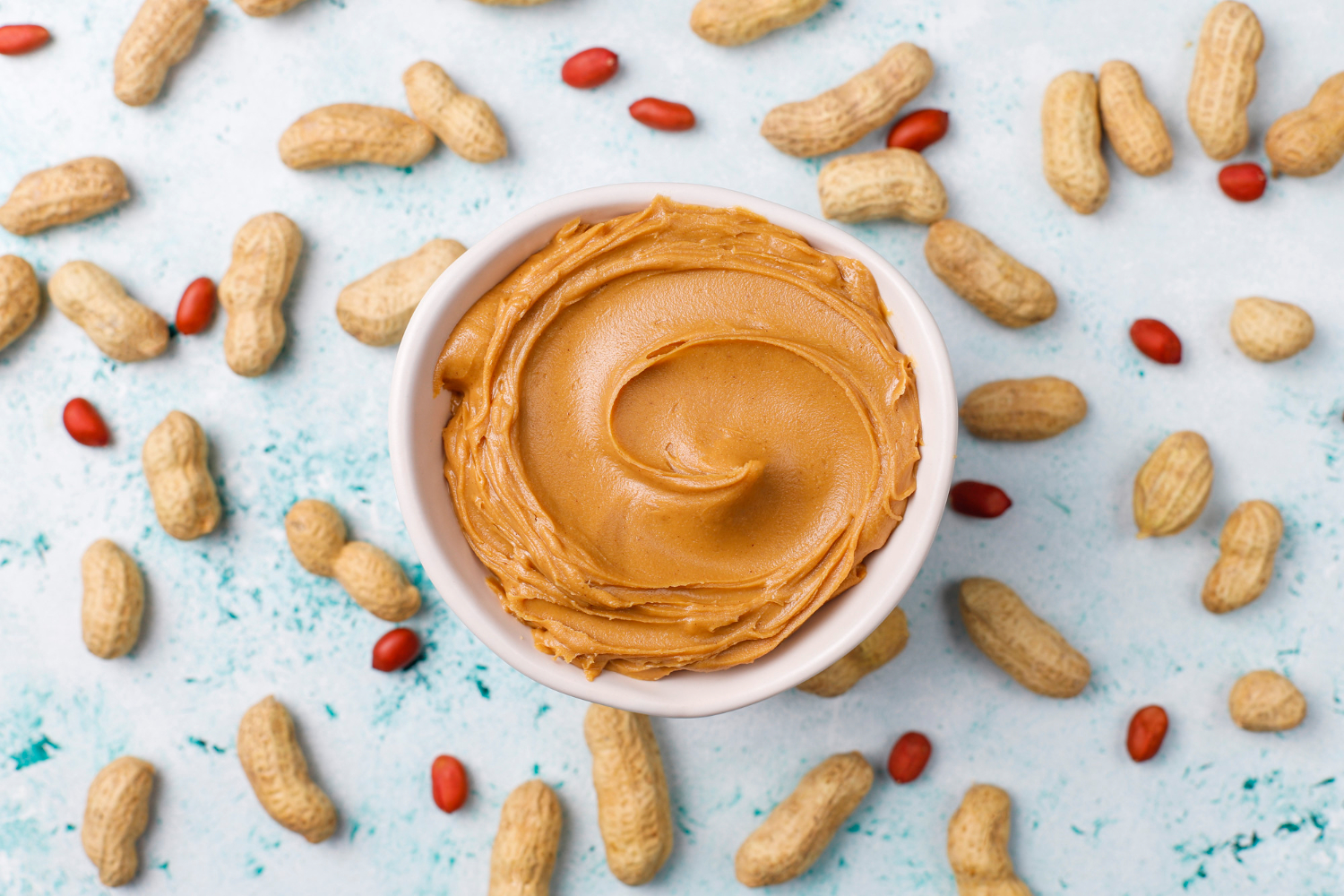
Nut butters (almond butter and peanut butter) are healthier than regular butters and spreads (butter and sugary spreads). Therefore, the best way to use nut butter as a substitute is when you would normally use regular butters and/or regular spreads when preparing your meals.
8. Swap Sugary Desserts for Dark Chocolate

Healthier desserts can include dark chocolate (in moderation), as it has healthy fat content and some antioxidants (in addition to the regular source of sugar). Thus, using these nutritious sweet treats will assist you in reducing the amount of processed sugars consumed.
9. Replace Packaged Salad Dressings with Homemade Ones
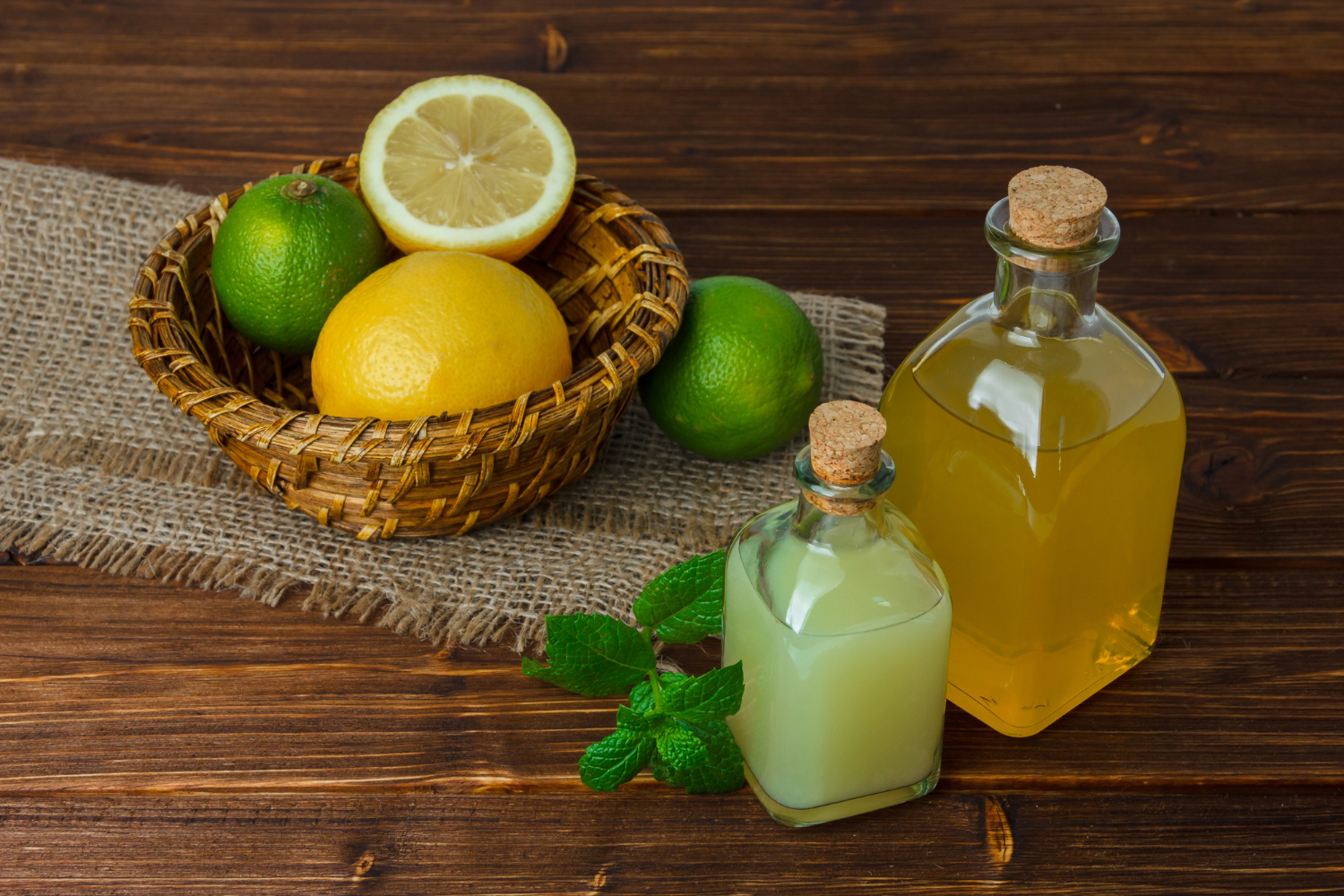
Most commercial or pre-made dressings contain unhealthy oils, so it is better to make your own by mixing olive oil, lemon juice, and spices/herbs.
10. Swap White Bread with Whole Grain Options
 Although whole grain bread is not necessarily a fat swap, generally the whole grains have a better relationship with healthy fat, help with digestion, & metabolism.
Tips to Assist with Making These Swaps
- Start with small, manageable changes (one thing at a time).
- Read all food packaging labels closely.
- Avoid trans-fatty acids and excessively processed food products.
- Look for a good balance of overall health rather than just seeking perfection.
Quick Takeaway
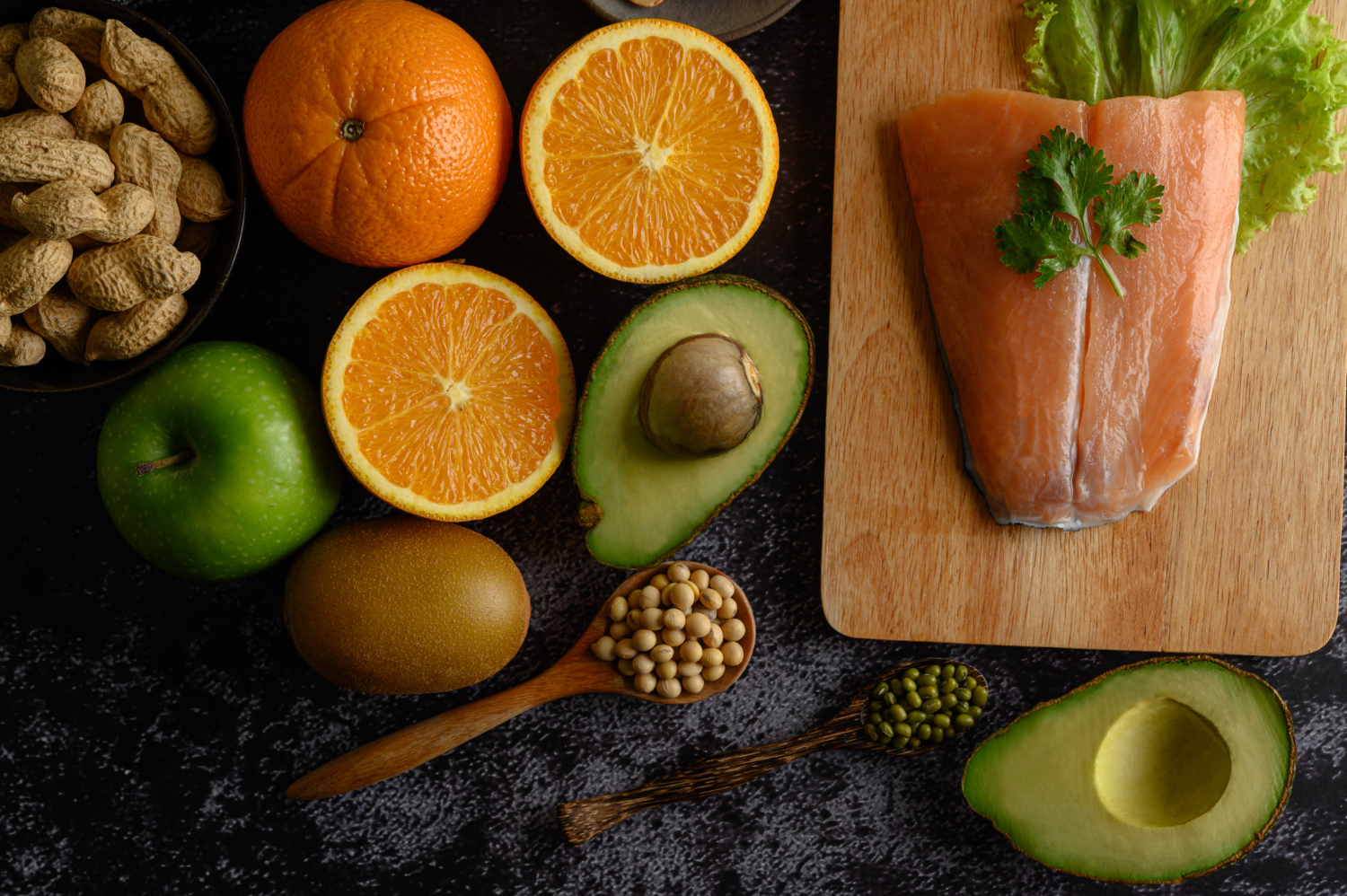
Being a healthy eater doesn’t mean you need a complete dietary overhaul, as the most minor modifications can yield the largest outcomes. If you’re able to swap out bad fats with healthier ones, not only will you enjoy a healthier diet, but you will also create better long-term health.
FAQs
Q: What are healthy fats?
A:Unsaturated fats (found primarily in nuts, seeds, fish, and oils such as olive oil) are considered healthy fats.
Q: Are all fats bad for you?
A: No – only unhealthy fats (trans fats and too much saturated fat) are harmful.
Q: Will eating healthy fats help me lose weight?
A: Yes, healthy fats can help you feel full longer, so you will have fewer unhealthy hunger pangs.
Q: Is ghee a good source of fat?
A: Yes, you can eat ghee in moderation as part of a healthy, balanced diet.
Q: How much fat do I need to eat daily?
A: It varies based on your food choices; balance and moderation are the best practices.
Q: Are nuts high in calories?
A: Yes, nuts are high-calorie foods, but they are also high in nutrients so they are a healthy choice when eaten in moderation.
Q: Can I cook with olive oil?
A: Yes, you can use olive oil for cooking at low to medium temperatures.
Q: Should I completely avoid eating saturated fats?
A: No, you can eat saturated fats in moderation, but you should focus more on eating healthy fats.
Recommended Reads
6 Surprising Fish Oil Benefits for Skin
Stay Cool, Hydrated, and Energised With These Summer Foods
(The article is written by Deepa Sarkar, Medical Writer, and reviewed by Monalisa Deka, Deputy Manager, Clinical Health & Content, Medical Affairs)