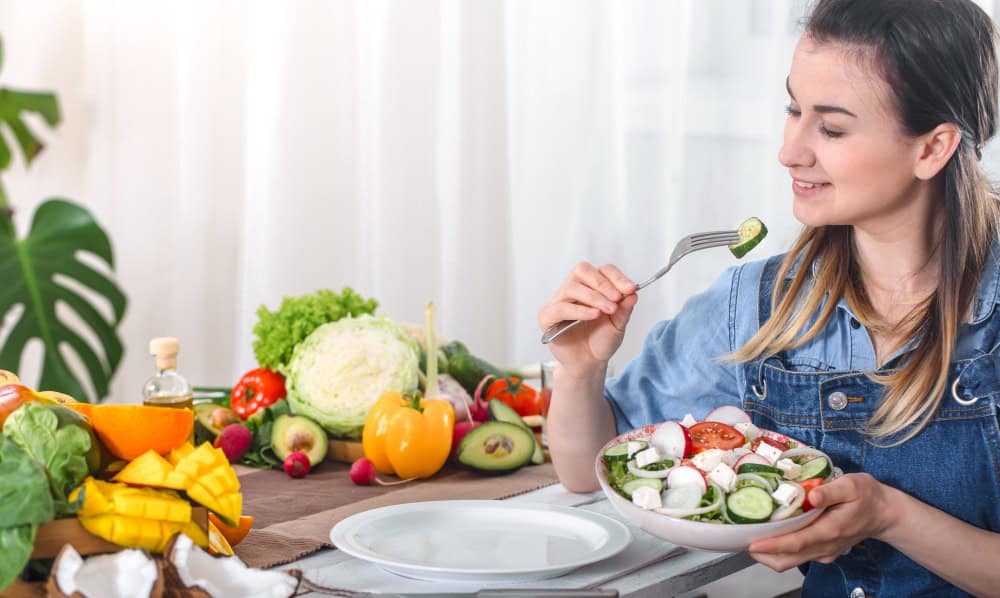
A healthy diet is one of the most important aspects of living healthily. Along with rest and physical activity, healthy nutrition determines everything from your physical health and energy levels to even your mental functions. While all of us want to make healthy eating choices, the real trouble starts in actually making them. Even if you overcome the initial temptations and cravings of junk food, some days, making healthy meals for yourself feels like a race against time.
On a busy weekday morning when you have to be at the office in 15 minutes, cooking a healthy breakfast takes a backseat. Or when you come back at 8 pm, tired and hungry, to a ton of chores waiting for you, the last thing you want to do is spend over an hour cooking a healthy dinner. But these situations are more common than you may realize. So what to do? Keep reading to find out how to ensure healthy meals on days you don’t have time.
Smart Hacks To Make Healthy Eating Easy
Shop Strategically
To eat healthy on the go, it is very important to shop smartly and strategically. Always make a list before walking into the store. Look for items that have a shorter gap between raw foods and finished meals. Look for pre-prepped produce, such as pre-chopped meats, veggies, pre-washed salad greens, frozen mixed veggies, canned beans, etc. Quick‑cook staples like brown rice, quinoa, oats, and lentils can be combined in endless ways. Keep quick protein sources handy, like eggs, Greek yogurt, paneer, chicken, or canned fish. You can also include healthier ready-to-eat options like hummus, roasted chana, or boiled sprouts. Depending on your location, you can also order your groceries or have them delivered to you, helping you save time.
Meal Prep Is Your Friend
Preparing ingredients in bulk is one of the most efficient methods to save time. Cooking in larger servings will allow you to have numerous meals on hand. Wash, cut, and store veggies in airtight containers until they are ready to be used. Cook a large amount of lentils, rice, pasta, or quinoa and keep it in the refrigerator. These staples can be utilized to put together simple dinners throughout the week. Using time-saving kitchen appliances such as an air fryer, a multi-purpose kettle, or a rice cooker may help you multitask and save time during meal preparation.
Go For Frozen Items
Frozen fruits and veggies are a great way to eat healthily while on the clock. When properly preserved, they are not only as healthy as fresh produce, but they are also often less expensive and keep longer. In addition, they are really simple to prepare. Heat frozen vegetables in a skillet with olive oil for a few minutes to make them slightly crispy. Simply reheat frozen fruit in the microwave before adding it to muesli, smoothies, parfaits, and other recipes.
The One-Pan Rule
To save time on both cooking and the dreaded cleanup, embrace the one-vessel approach. If a meal requires multiple pots and pans, it isn’t a weekday meal. Sheet pan dinners are a prime example: toss a protein like salmon, chicken, or paneer with your frozen mixed veggies in olive oil and spices, then bake everything together. A wholesome Vegetable Khichdi or a Masala Pulao allows you to simmer your grains, lentils, and fiber-rich veggies all in one pressure cooker or pot simultaneously. By utilizing your rice cooker or an electric kettle, as mentioned earlier, you can even steam your sprouts or paneer in a basket right above your cooking rice or dal. This type of multitasking ensures that by the time your whistle blows or the timer dings, every component of your macro-balanced meal is ready at once, with minimal scrubbing required afterwards.
Keep 10-Minute Meal Options Ready
Sometimes, keeping a few 10-minute meal options at hand can prove to be a lifesaver. These are not elaborate recipes, just simple combinations that help when we are too tired or too busy to think about what to make. A vegetable omelette with bread, a bowl of yogurt with fruits and nuts, a quick stir-fry with pre-cut vegetables, etc., are some of the options that could be included in this category. The idea is that when we know what our quick meal options are, we are not likely to go for anything that is not good for us.
Use Smart Shortcuts
Healthy eating is not about making everything from scratch, at least not at the beginning of the journey. Using smart shortcuts is an effective way of eating healthy without compromising on the time we save. A variety of ready-to-eat foods, like plain yogurt, whole-grain bread, boiled eggs, store-bought hummus, etc., are some great options for this. Even a few nuts and seeds could help add value to the meal we eat. The idea is that we focus on the aspect of convenience without compromising on the health aspect too much. Using the right shortcut helps us stay with the program, even when we are too busy.
Non-Cooked Meals Are Meals Too
One of the biggest hurdles to consistent healthy eating is the belief that every meal needs to be a “cooked” dish. On your busiest days, the mental energy required to chop, sauté, and stir can feel like a chore, leading you to reach for a delivery app instead. This is where you should permit yourself to embrace the “no-cook” meal. A simple platter of boiled sprouts, a few slices of paneer, some raw cucumber or carrots, and a handful of roasted chana is a perfectly balanced dinner that requires zero actual cooking. It provides high-quality protein, complex carbs, and fiber without you ever touching the stove. Shifting your focus from “making a meal” to simply “assembling nutrients” allows you to stay on track even when your energy is at zero.
Final Bite
It can be tricky to maintain a healthy diet when you have a very busy lifestyle. But you don’t need long hours in the kitchen to eat healthy, balanced meals. With a little planning, some smart shortcuts, and a few minutes of weekly prep, you can build a routine that saves time, reduces stress, and supports your well-being. Ultimately, the key is to stay flexible and proactive, making sure that your diet complements your busy lifestyle rather than competing with it.
(The article is written by Ehsan Siddiqui, Team Lead and reviewed by Monalisa Deka, Deputy Manager, Clinical Health & Content, Medical Affairs)
Recommended Read:
From Berries to Turmeric: Foods That Fight Inflammation
Top 10 Healthy Food Swaps That Can Make Weight Loss Easier