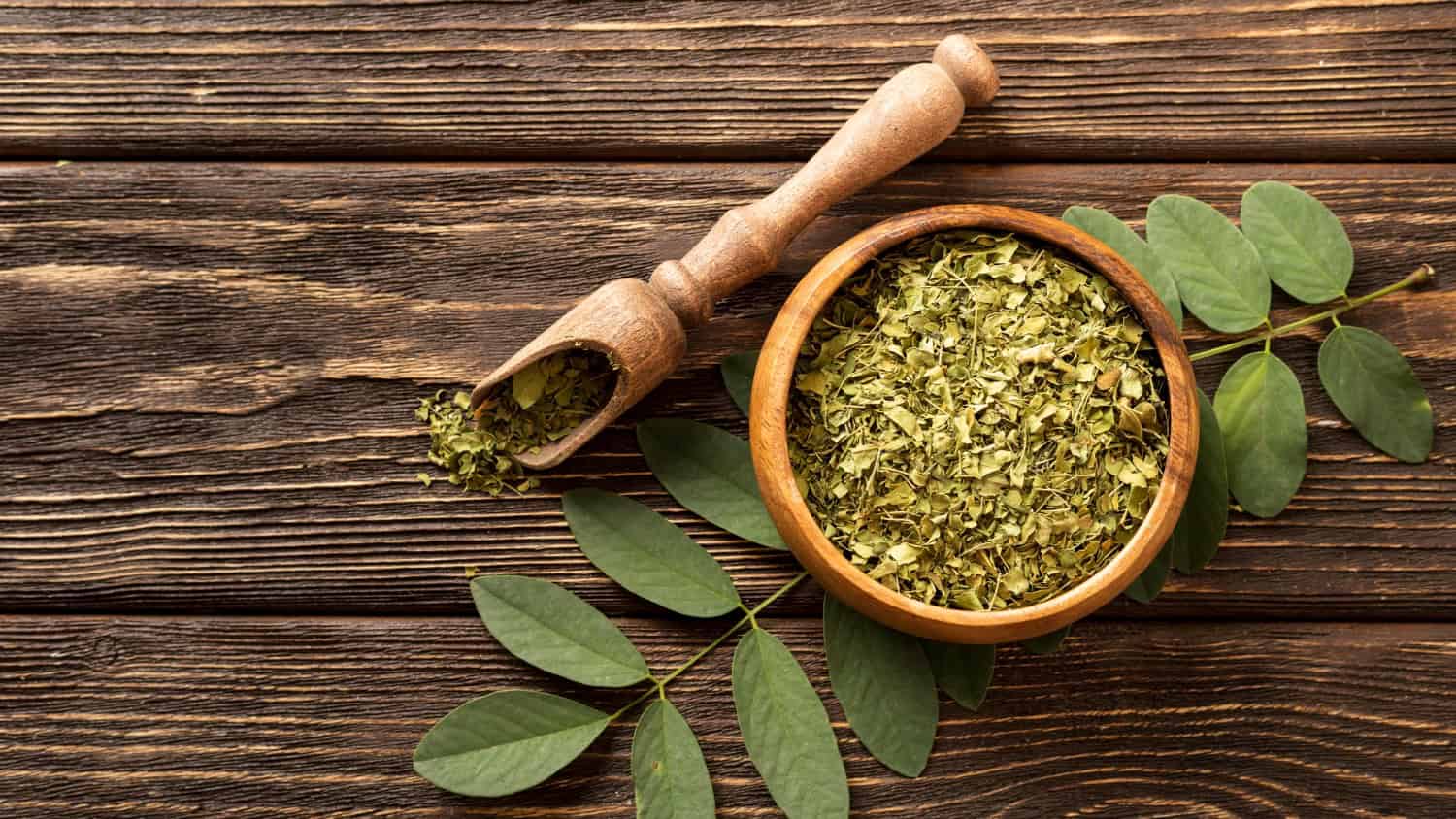
Calcium is an essential mineral that supports strong bones, healthy teeth, muscle function, and nerve signaling. While dairy products are a common source of calcium, people who are vegan, lactose intolerant, or prefer plant-based options may need alternatives. Moringa, often called the miracle tree, can help fill this gap.
Moringa (Moringa oleifera) is a highly nutritious plant that contains significantly high concentrations of minerals. It is specifically the leaves of the moringa tree that hold substantial amounts of calcium, iron, magnesium, and numerous antioxidants. Moringa leaves have about 7 times (by weight) more calcium than milk when compared gram for gram in the dried state, making it an incredible source to achieve your daily calcium requirement.
In addition, moringa can be easily added to your daily meals without making significant changes to your current diet.
In this article, we will look at practical methods for adding moringa to increase your daily calcium intake, along with additional suggestions to ensure that you are receiving the maximum benefit from moringa.
Moringa is an Excellent Source of calcium
Moringa leaves are a good source of calcium. They are beneficial for:
- Women who are pregnant or menopausal (Consult a physician before starting it).
- Growing children and teenagers
- Older adults who are susceptible to osteoporosis
- Individuals who follow a vegetarian or dairy-free diet
Calcium from moringa is accompanied by many additional nutrients that also aid in the absorption of calcium into the bones. These nutrients include vitamin K, magnesium, and antioxidants. If you eat moringa powder regularly in moderation, it will help maintain bone mineral density and decrease the likelihood of experiencing a calcium deficiency.
How to add Moringa leaf powder to your daily diet?
Using moringa leaf powder is one of the easiest ways to consume moringa. Moringa leaf powder is created by drying and grinding moringa leaves into a fine powder and is easily added to different types of foods.
Half a teaspoon to one teaspoon of moringa powder can be added to:
- Roti or paratha dough
- Dal, sambhar, or vegetable curry
- Soup and stews
- Cooked rice or khichdi
The mild, earthy flavour of moringa powder blends nicely with Indian cuisine and will not overpower the dish. Adding moringa powder to your daily diet will also increase your calcium intake.
Blend Moringa into Smoothies and Beverages
Mixing moringa leaf powder into smoothies and other drinks is an excellent way to quickly and easily increase your intake of calcium and other nutrients.
You can make moringa drinks by mixing:
- Banana, almond milk, and moringa leaf powder
- Spinach, apples, lemon juice, and moringa leaf powder
- Mango smoothie w/a bit of moringa leaf powder
You can also mix moringa leaf powder into warm water, herbal tea, or coconut water. This works well for people who don’t care for eating green leafy vegetables and still want the health benefits.
Cook Fresh Moringa Leaves Like Regular Greens
Cooking fresh moringa leaves like any other green leafy vegetable, can also provide a good source of calcium, as well as being a whole, natural, and nutritious food.
You can:
- Make moringa leaves sabzi (not too much oil) with moringa leaf powder.
- Add moringa leaves to dal (soupy lentils), kadhi (sour yogurt soup), or rasam (peppery, spiced broth)
- Put moringa leaves into omelets or savory pancakes.
- Add moringa leaves to soups and broths.
By cooking moringa leaves lightly instead of long-term cooking, you will help retain the maximum amount of nutrients and make them more digestible. Be careful not to overcook moringa leaves because extended heat will cause less availability of minerals from the moringa.
Including Moringa in Breakfast
Breakfast is a great time to sneak in extra calcium; by adding moringa in breakfast recipes, you can do just that. Moringa can easily be added to an everyday breakfast.
Ideas for adding moringa into breakfast include:
- Adding moringa powder to dosa or cheela batter
- Incorporating moringa in upma or poha
- Sprinkling moringa over avocado toast or vegetable sandwiches
Small amounts of moringa can drastically increase your daily intake of calcium without adding extra effort.
Making Moringa Chutney or Pesto
Moringa leaves can make great chutneys and spreads for your meals.
Examples of chutneys and spreads made from moringa leaves include:
- Moringa leaf chutney made with coconut, garlic, and spices
- Moringa pesto made with olive oil, nuts, and herbs
Both of these can be eaten with roti, dosa, idli, or used as a sandwich spread. This will also help to make moringa more palatable to those people new to moringa.
Incorporating Moringa in Soups and Broths
Soups and broths are easy on the stomach and provide a good environment for nutrient absorption. Adding moringa leaves or powder to soups will enhance the calcium and mineral content of the soup.
You can incorporate moringa into soups by:
- Adding fresh moringa leaves to vegetable soups
- Stirring in moringa powder to lentil or bone broth
- Using moringa in clear soups when you’re ill or recovering from illness
Especially for older adults who may have difficulty chewing leafy greens, this is a great option.
Try Moringa Capsules if Food Options Are Limited
Moringa capsules can be a practical supplement for individuals with hectic lives or who aren’t fond of the moringa flavour. Moringa capsules may still add to calcium levels, whereas whole food sources of moringa are the best means of consuming moringa.
However, when consuming moringa capsules, remember to:
- Choose a reputable brand that sells quality products.
- Don’t take more than what is recommended by the manufacturer.
- Pregnant females or those on prescription drugs should consult their doctor before taking a moringa supplement.
- Use moringa capsules in addition to a well-balanced diet (not as a replacement).
Pairing Moringa With Calcium Absorption-Friendly Nutrients
To increase the absorption of calcium from the moringa leaf, combine it with nutrient sources that assist with bone health.
The following nutrient sources can enhance calcium absorption from the moringa leaf:
- Vitamin D (from the sun or fortified foods)
- Healthy fats (nuts, seeds, ghee)
- Magnesium (from whole grains and legumes).
Avoid consuming moringa with excess caffeine or very high sodium food sources (both can inhibit calcium absorption).
How Much Moringa Do I Need?
Use moringa in moderation. If you are an adult:
- The typical daily serving of moringa is ½ to 1 teaspoon of moringa powder.
- A small mixing bowl of cooked moringa leaves, a few times weekly, works well.
Excessive amounts of moringa may cause digestive upset. Therefore, for first-time users, begin with small amounts of moringa, slowly increasing the amount consumed on subsequent days.
Cautions Need to Be Taken When Using Moringa
Although generally regarded as safe for use, caution could be warranted based on the specific group of individuals who consume it.
- Pregnant women should not take moringa or moringa supplements unless under the care of a physician.
- Individuals with hypothyroidism or low blood pressure should consult with their physician before taking it.
- Individuals taking calcium and iron supplements should not exceed the recommended limits of moringa.
- Lastly, listen to your body’s needs; if you have an adverse reaction to the moringa, seek medical attention.
Conclusion
Moringa is a high-quality plant-based source of calcium, which makes it easy to incorporate moringa into daily meals. You will find some simple recipes for utilizing moringa fresh, in powdered form, or as a supplement to improve your daily calcium requirements. Moringa consumed with regularity and moderation will build strong bones, support healthy teeth, and provide overall health benefits. Therefore, moringa should be included as a key component in a balanced diet.
Small changes to your eating habits today can impact your long-term health and wellness. Moringa is one natural food ingredient that should demonstrate the fact that good nutrition does not have to be complicated!
FAQs
Q. Can I get calcium from natural sources?
Your calcium needs can be met through several sources; one of these natural sources is moringa. Because moringa is high in calcium, each gram of moringa leaves contains more calcium than a glass of milk; therefore, moringa will help build strong bones.
Q. For daily calcium benefits, how much Moringa should I have each day?
To get a nice amount of calcium every day, most adults should consume ½ to 1 teaspoon of moringa leaf powder every day (or eat a few times a week) in either raw or cooked forms.
Q. Can moringa prevent calcium deficiency naturally?
Having moringa in your diet regularly will naturally aid in decreasing the chance of having a calcium deficiency, as long as there is also a properly balanced diet being eaten along with it each day.
Q. Is moringa a suitable product for those who are lactose intolerant?
Yes, moringa is an amazing dairy-free source of calcium for anyone who has been diagnosed with lactose intolerance, as well as anyone who lives a vegan or a plant-based lifestyle.
Q. Does cooking moringa change the amount of calcium it contains?
Lightly cooking moringa will allow you to retain most of its minerals (calcium and all). Overcooking moringa leaves will minimize the number of nutrients that would be available.
Q. Can you mix moringa powder with milk to aid in the absorption of calcium?
Yes, you can combine moringa powder and milk or a non-dairy milk. If you add some foods containing vitamin D with moringa, it may also improve calcium absorption.
Q. Is it safe for women to consume moringa during menopause?
Yes, moringa can help women maintain bone health through menopause as it provides calcium and antioxidants; however, you should speak with your doctor before taking moringa on a daily basis.
Q. Are moringa supplements as beneficial as eating fresh leaves?
In terms of nutrition, fresh moringa leaves and powder are much better than using supplements to get the same nutrition. Supplements could also serve as a second option for obtaining necessary nutrients when food sources are not available, but they should never replace healthy eating.
Recommended Reads
(The article is written by Deepa Sarkar, Medical Writer, and reviewed by Monalisa Deka, Deputy Manager, Clinical Health & Content, Medical Affairs)