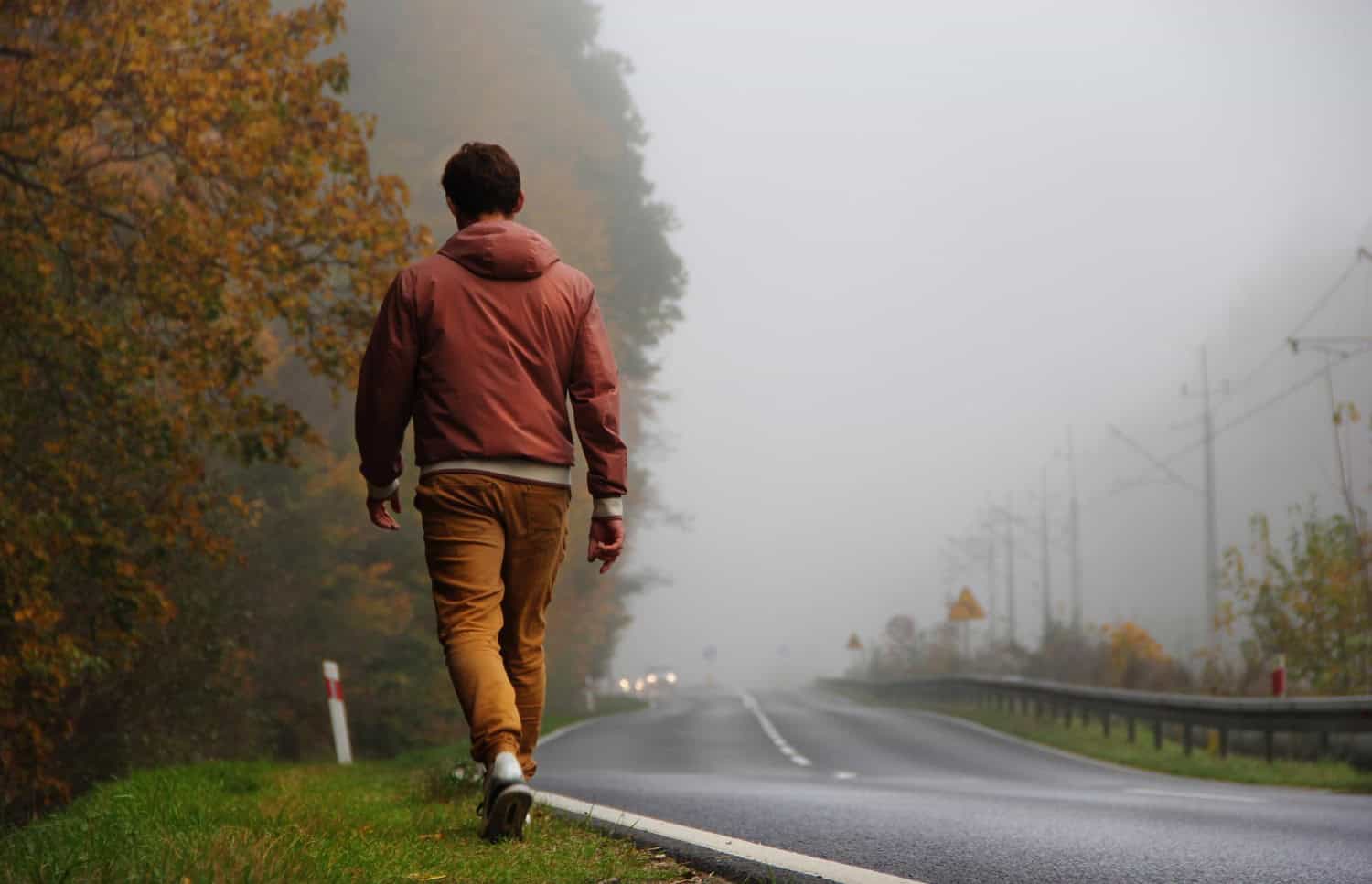
Taking a walk in the morning is a very well-known habit that has a positive effect on physical condition, heart health, and mental well-being. But when air pollution increases, going outside for a morning walk can turn out to be not the best solution. In cities that have to face air pollution, the air in the morning may contain poisonous elements that negatively affect the respiratory and cardiovascular systems [1,2].
So, how do you know whether to skip your morning walk when the Air Quality Index (AQI) shows high pollution? The answer depends on the pollution level, your health background, and how intense and how long your physical activity is supposed to be. Instead of canceling your exercises completely, you can learn when to avoid going outside and how to modify your exercises so that you do not harm your health.
How Does Poor AQI Affect Your Health During A Morning Walk?
Air Quality Index (AQI) indicates the level of air pollution and the potential health risks associated with exposure. Common air pollutants include particulate matter (PM2.5 and PM10), ground-level ozone, nitrogen dioxide, sulphur dioxide, and carbon monoxide [1,3].
During brisk walking, your breathing rate increases, causing you to inhale more air than you would while resting. This can increase the amount of pollutants entering your respiratory system [1,4].
Fine particulate matter (PM2.5) can penetrate deep into the lungs, and some components may enter the bloodstream. Exposure to polluted air can contribute to respiratory and cardiovascular health problems [1,2].
Being exposed to polluted air results in:
– Respiratory Irritation: it can lead to coughing, a sore throat, wheezing, and difficulties in breathing.
– Increased Asthma: an individual suffering from asthma is likely to experience allergy symptoms and more frequent attacks.
– Cardiovascular Issues: pollution leads to a higher likelihood of cardiovascular issues.
– Poorer Lung Functioning: being exposed to polluted air may jeopardize lung health.
Consequently, being outdoors while exercising during serious air pollution increases the chances of inhaling more air into the body needing oxygen than usual.
Should You Miss Your Morning Walk Because Of AQI Levels?
Yes, you may need to alter or skip your outdoor walk whenever the AQI levels are not healthy. However, it’s best to think about the actual AQI reading instead of assuming that the early morning air is always cleaner.
CPCB (Central Pollution Control Board of India) classified AQI into six categories
According to India’s Central Pollution Control Board (CPCB), AQI is divided into six categories based on pollution levels and their potential health effects [3].
| AQI range | Air quality | What should you do? |
| 0–50 | Good | Normal outdoor activities can continue. |
| 51–100 | Satisfactory | Most people can continue normal activities. Sensitive individuals should avoid prolonged or strenuous outdoor exertion. |
| 101–200 | Moderate | General population should reduce prolonged or strenuous outdoor exertion. Vulnerable groups should avoid prolonged or strenuous outdoor physical activity. |
| 201–300 | Poor | Avoid outdoor physical exertion. Vulnerable groups should avoid outdoor activities. |
| 301–400 | Very Poor | Avoid outdoor physical activities, particularly during morning and late evening hours. Vulnerable groups should remain indoors and keep activity levels low. |
| 401–500 | Severe | Avoid outdoor physical activities. Vulnerable groups should remain indoors and keep activity levels low. |
People who have asthma, chronic lung disease, heart disease, seniors, and children need to be careful, even with lower AQI levels.
Note: these are practical safety measures, not absolutes. One’s individual tolerance, area sources of pollution, etc., are all relevant here.
5 Safer Alternatives for Morning Walks During High-AQI Days

If outdoor air quality is poor, keep moving indoors with indoor exercises.
-Indoor Walking: Walk around your house or in a well-maintained indoor space with cleaner air. Marching in place for a few minutes is also another way to move your limbs.
-Gentle Yoga: Simple yoga postures and stretching exercises can provide great flexibility, balance, and mobility. If the air inside your house is polluted, avoid straining yourself with breathing warnings.
-Low-impact exercises: If you want gentle exercises, perform some squats, standing leg raises, wall push-ups, or seated exercises depending on your level of fitness.
-Walking on the treadmill: A good alternative to walking outdoors is to perform your workout on a treadmill indoors, at home, or in a gym.
-Break your activity into three 10-minute sessions: Rather than a single 30-minute walk, break up the movement into three 10-minute sessions throughout the day.
Bear in mind that indoor exercises only stand a better chance of working if the indoor air quality is not too polluted. Indoor pollutants such as dust, smoke, incense, and fumes from cooking can also pose a threat to air quality.
5 Precautions To Implement When Going Outdoors
If the AQI is healthy enough, here are five precautions to keep in mind before setting foot outside:
– Check the current AQI: Use the CPCB website or any other authentic air quality monitoring app and check the current AQI in your area.
– Go for less polluted routes: Always avoid busy streets, intersections, construction sites, or factories.
– Make sure you exercise at a minimum level: It’s better to walk than to jog, run, or exercise vigorously outdoors.
– Do not overstay: Limit the time of your outdoor activities.
– Listen to your body: If you feel unwell when walking, for example, if you feel abnormally breathless or experience coughing spells, you need to stop exercising immediately and move to a safer place [4].
When Air Quality Is Poor, Who Must Refrain From Taking A Morning Walk?

People of all stripes, from asthmatics to expectant mothers, are susceptible to pollution in one way or another and need to be protected.
– Asthmatics: Breathing polluted air irritates the respiratory tract, leading to coughing and difficulty breathing.
– Patients with heart or lung diseases: Pollution aggravates their symptoms.
– Older population: The changes due to age, coupled with pre-existing conditions, break down the human body’s defenses.
– Children: Children may be more susceptible to air pollution as their lungs are still developing and they breathe more air per unit of body weight than adults.
– Pregnant women: Recommend that pregnant women limit exposure during high pollution episodes and follow their healthcare provider’s advice for physical activity.
People in the above categories are advised to either refrain from exercising outdoors or seek advice from a professional on indoor physical activities in the case of air pollution.
When Is The Right Time To Start Walking Again?
You do not have to wait for pollution levels to return to zero before going back to your morning walk routine, but you should keep monitoring the air quality index every day and follow health advisories.
Once the air quality improves, you can start walking again, gradually returning to the same walking time and effort as before. Still, if you have any existing respiratory or heart problems, consult your doctor before going for your walk.
Seek immediate medical attention if you experience chest pain or severe breathing difficulty. Consult a healthcare professional if coughing, wheezing or breathlessness persists after exposure to polluted air.
The Bottom Line
You do not have to stop your morning walking routine just because the air is polluted. However, once the air quality index falls into the poor, very poor, or hazardous categories, you should skip going out and find some alternative indoor activities.
Keep in mind that the most effective morning walk is the one that helps you achieve physical activity without endangering your respiratory or heart health.
FAQs
Q. Is it safe to walk when the AQI equals 150?
For most people, it is wise to avoid extensive outdoor exercise. Sensitive groups must be particularly careful.
Q. Should one practice morning running during smog?
No. Just because it’s morning doesn’t mean it’s clean air. You’d better check AQI beforehand.
Q. Would a thirty-minute walk in a polluted area be harmful for one’s lungs?
It depends on the air quality, duration, and medical condition of the individual. Avoid outdoor exercise when things are particularly bad.
Q. Is indoor walking more advantageous at high levels of AQI?
Indeed, as long as the indoor air is clean.
Q. Does an N95 mask make walking a safe activity outdoors?
A well-fitted N95 can reduce exposure to airborne particles but does not protect against gaseous pollutants or make strenuous outdoor exercise safe during severe pollution.
Q. Can people with asthma exercise during high AQI?
They should avoid outdoor exercise when pollution levels are high and listen to their doctor’s advice.
Q. Is it safer to walk in the evening than in the morning?
Not necessarily. Pollution levels fluctuate all day, so it is important to check AQI numbers.
Q. Should I completely avoid physical activity during high pollution?
No, rather shift your activities to indoors in order to keep fit but avoid exposure to pollution.
References
1. World Health Organization. Air pollution: Personal interventions and risk communication [Internet]. Geneva: WHO; 2024 [cited 2026 Nov 10]. Available from: https://www.who.int/news-room/questions-and-answers/item/air-pollution-personal-interventions-and-risk-communication
2. Ministry of Health and Family Welfare, Government of India. Advisory on air pollution and health [Internet]. New Delhi: National Centre for Disease Control; 2021 [cited 2026 Nov 10]. Available from: https://ncdc.mohfw.gov.in/wp-content/uploads/2024/05/2-Public-Health-Advisory-on-Air-Pollution-and-Health-2021-Revised.pdf
3. Central Pollution Control Board. About National Air Quality Index (AQI) [Internet]. New Delhi: CPCB [cited 2026 Nov 10]. Available from: https://app.cpcbccr.com/ccr_docs/About_AQI.pdf
4. Hung A, Nelson H, Koehle MS. The acute effects of exercising in air pollution: A systematic review of randomized controlled trials. Sports Med. 2022;52(1):139-64. doi:10.1007/s40279-021-01544-4.