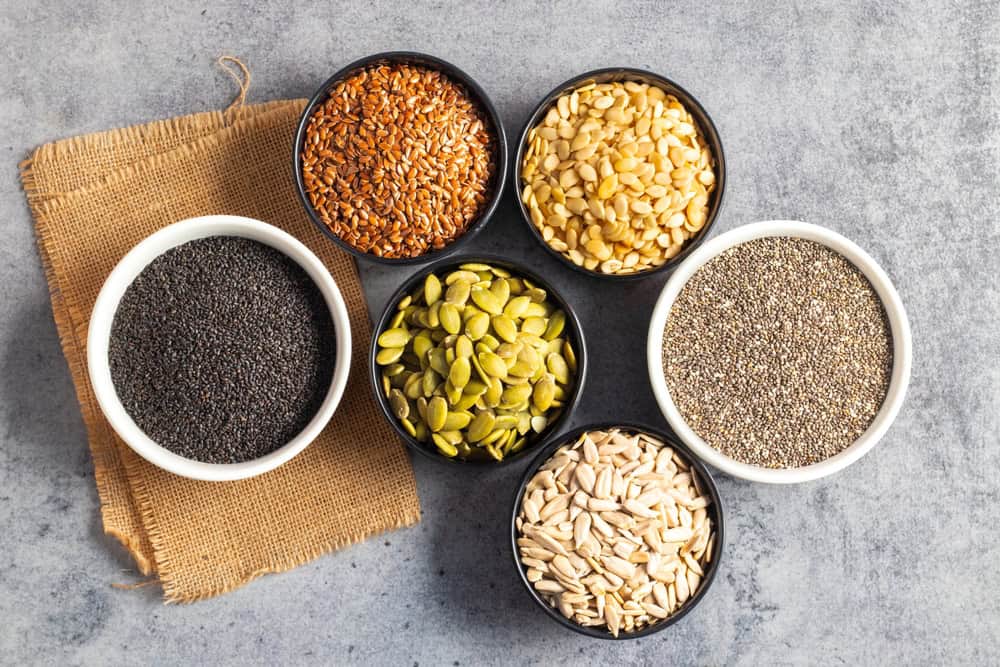
Healthy snacking is not just a fad. It is an intelligent way of living. With our busy lives, irregular meal times, and constant cravings, we often opt for processed chips, sweet biscuits, or namkeen. How do we manage hunger while treating our bodies well? This is where seeds come in. They are tiny but offer massive nutrition. Seeds are one of the greatest healthful snack ideas available—guilt-free, healthy, and definitely filling!
Seeds are packed with nutrients; they’re high in healthy fats, protein, fiber, minerals, antioxidants, and vitamins; seeds pack a ton of nutrients in every handful! Seeds can stimulate your metabolism, aid digestion, contribute to heart health, and help regulate healthy hormone levels, all while being a significant player in healthy snacking.
This article explains the best seeds, how to use seeds, the benefits of seeds for health, and why you need to keep them on hand in your pantry!
What Makes Seeds a Great Snack?
Eating seeds is one of the best options for snack substitutes for many reasons.
1. High in Nutritional Value
Seeds are high in protein, fiber, omega-3 fatty acids, magnesium, zinc, iron, and antioxidants.
2. Keeps You Full Longer
The combination of fiber and healthy fats in seeds will keep you feeling fuller for longer, reduce cravings, and lower your likelihood of overeating.
3. Helps with Weight Management
Seeds are great for digestion, balancing blood sugar levels, and helping you avoid mindless snacking.
4. Good for the Skin and Hair
Seeds are high in vitamin E, antioxidants, and fatty acids, amazing for hydrating and nourishing your skin and strengthening your hair.
5. Versatile & Convenient
You can eat seeds roasted, blended into smoothies, tossed onto salads, blended with yogurt, or just eat them straight out of the bag, perfect for snacking on the go.
According to Mamta Sharma, Consultant Nutritionist at Tata 1mg, “Choosing nutrient-dense snacks that are rich in protein, fibre, healthy fats, and complex carbohydrates supports sustained energy release and promotes overall health. Incorporating seeds as a mid-meal snack can help manage appetite, reduce hunger pangs, boost energy levels, and contribute to a more balanced diet.”
Top 7 Seeds for Healthy Snacks
Now, let’s review the most nutrient-dense seeds that are a great snack option or to sprinkle onto a nut-friendly health care meal.
1. Sunflower Seeds
Sunflower seeds are an excellent source of vitamin E, one of the best antioxidants for your skin and your immunity. Further, they provide plant protein and healthy fats.
Benefits:
- Enhances immunity
- Good for the health of your heart
- Good for glowing skin
- Good for controlling inflammation
How to snack:
Roast lightly with a pinch of rock salt or black pepper. They make a great addition to poha, salads, and oatmeal.
2. Pumpkin Seeds
Packed with magnesium, zinc, and omega-3 fatty acids, pumpkin seeds make a great snack to support both metabolism and hormonal health.
Benefits:
- Supports thyroid health and helps manage PCOS
- Improves sleep patterns due to high amounts of tryptophan
- Helps repair muscle tissue
- Support hair growth
How to snack:
Try roasting them with peri peri or chaat masala, or combine them with nuts to make your own trail mix.
3. Chia Seeds
Tiny, but chia seeds are among the highest plant sources of omega-3 fatty acids. On top of that, chia seeds have tons of fiber.
Benefits:
- Aids in weight loss
- Improves digestion
- Stabilizes blood sugar
- Good for heart health
How to snack:
Chia seeds are typically not eaten dry. Instead, they should be soaked in water or coconut water, or even milk. You can make chia pudding, chia lemon drink, or sprinkle it over fruit.
4. Flaxseeds
Flaxseeds are also an excellent food for digestion and hormonal balance, as well as heart health (due to their high content of fiber and lignans).
Benefits:
- Improves gut health
- Reduces cholesterol
- Helps support PCOS and hormonal balance
- Aids in weight loss
How to snack:
Roast well, then grind lightly and sprinkle over smoothies, curd, or soups. You can also use them to make flaxseed chutney powder.
5. Sesame Seeds
Sesame seeds are among the most ancient superfoods in Ayurveda. They have a high calcium, iron, and antioxidant sesamin content.
Benefits:
- Supports bone health
- Strengthens hair
- Increases energy
Ways to snack:
Til chikki, put roasted white sesame on salads, or black sesame in ladoos.
6. Watermelon Seeds
Watermelon seeds are often thrown out, but they’re surprisingly nutritious and a high-protein seed option.
Benefits:
- Repairs skin
- Increases energy
- Good for muscles
Ways to snack:
Roast and eat as a crunchy snack, or add to trail mixes.
7. Various Seed Combinations
If you’d like to get the mixed benefits of all the seeds, select a mixed seed combination. Most packaged mixes will include pumpkin seeds, sunflower seeds, flax seeds, chia seeds, and watermelon seeds.
Benefits:
- Balanced nutrition
- More filling and yummy
- Beneficial to metabolism and the immune system
- Ideal for on-the-go snacking
Ways to snack:
Take a small container or bag, and when you feel hungry, snack on 1-2 tablespoons of seeds.
How many seeds can I eat a day?
Although seeds offer numerous health benefits, they are classified as calorie-dense foods.
A daily intake of 1–2 tablespoons (15–30 grams) of mixed seeds is ideal—have them in the morning or as a mid-meal for better digestion. Always stay well-hydrated, stick to the recommended portion to avoid bloating, and prefer lightly roasted or ground seeds for improved absorption.
Healthy Ways to Add Seeds to Your Snacks:
|
Final Thoughts
Seeds may be small, but they give you a tremendous amount of nutrition in each spoonful. If you are looking to lose weight, improve digestion, have more glowing skin, or eat healthier snacks, seeds can easily become your best snack choice. Seeds are easy to carry, take zero prep, and provide a crunchy and satisfying taste that helps substitute unhealthy snacks with something healthful.
By incorporating a mix of seeds (pumpkin, sunflower, chia, flax, sesame, and watermelon) into your diet, you are making a small commitment that will yield large payoffs in terms of long-term health benefits. So when you are hungry for a little something next time, pack in the seeds. Your body will be happy you did!
FAQs
Q. Are seeds okay to snack on every day?
Seed varieties such as pumpkin, sunflower, chia, flax, and sesame are packed with nutrients and are safe to consume daily in moderation (1-2 tablespoons) with meals or as snacks.
Q. What type of seeds are best for weight loss?
Types of seeds, such as chia, flaxseed, or pumpkin, can help impact cravings, balance your blood sugar, and improve digestion.
Q. Can we give seeds to kids?
Yes, it’s best to offer seeds blended or soaked to introduce them as a potential choking hazard. Seeds provide healthy fats, proteins, and minerals necessary for growth in your developing child.
Q. When is the best time to eat seeds?
Seeds can be eaten anytime. The best time to help satisfy cravings and sustain energy levels is a mid-morning snack or an early evening snack.
Q. How many seeds are sufficient to eat?
Limit seeds to not more than 2-3 tablespoons a day since they are calorie-dense items. Eating many seeds in one sitting can cause a disturbance in digestion.
Q. Do seeds need to be roasted before you eat them?
Roasting seeds can definitely add flavor to them and make them easier to digest, but it is not strictly necessary. A light roast (i.e., roasting them without oil) is best. Avoid seeds that are heavily salted, flavored, and packed with other additives.
Q. Are seeds ok for a person with diabetes?
Seeds such as flax, chia, and pumpkin all contribute to better blood sugar control because they are good sources of fiber, protein, and healthy fats, which can slow the rate at which glucose is absorbed.
Q. Will eating seeds help with skin and hair health?
Seeds are good sources of vitamin E, omega-3 fats, zinc, and antioxidants, all of which promote glowing skin, decrease inflammation, and strengthen hair follicles.
(The article is written by Deepa Sarkar, Medical Writer, and reviewed by Monalisa Deka, Deputy Manager, Clinical Health & Content, Medical Affairs)