
The diyas are lit, the plates are full, and the sweets keep coming. Then the heavy, puffed-up feeling arrives. If you’ve felt it, you may wonder about probiotics after festive eating. Can a few friendly bacteria really calm your tummy? Did you know? Your gut holds almost 10 times more bacteria than your body has cells [1]. That busy crowd helps with digestion every day. Let’s see what probiotics after festive eating can and can’t do for bloating relief.
Why Festive Eating Leaves You Bloated
Festival food is joyful. It’s also heavy. These habits usually set off that tight, gassy feeling:
- Big portions that stretch your stomach
- Fried, creamy and sugary dishes that take longer to digest
- Fizzy drinks that add extra gas
- Fast eating that makes you swallow air
- Late dinners with no time to settle before sleep
Bloating is a feeling of tightness or fullness in your belly. Trapped gas or slow-moving food in your gut can cause it. Your gut bacteria (called the microbiome) help break food down. Probiotics are live microbes you eat or swallow to support that crowd. That’s the link people hope for after a feast
Quick Byte: Bloating is a tight, full feeling in your belly, often from gas. Probiotics are live microbes that may help balance your gut. They aren’t an instant fix for one heavy meal.
Still have a box of mithai waiting? Plan your portions and timing before the next round of sweets.
Read This: Diwali Diabetes Meal Planning: Sweets, Portions and Timing
What are probiotics?
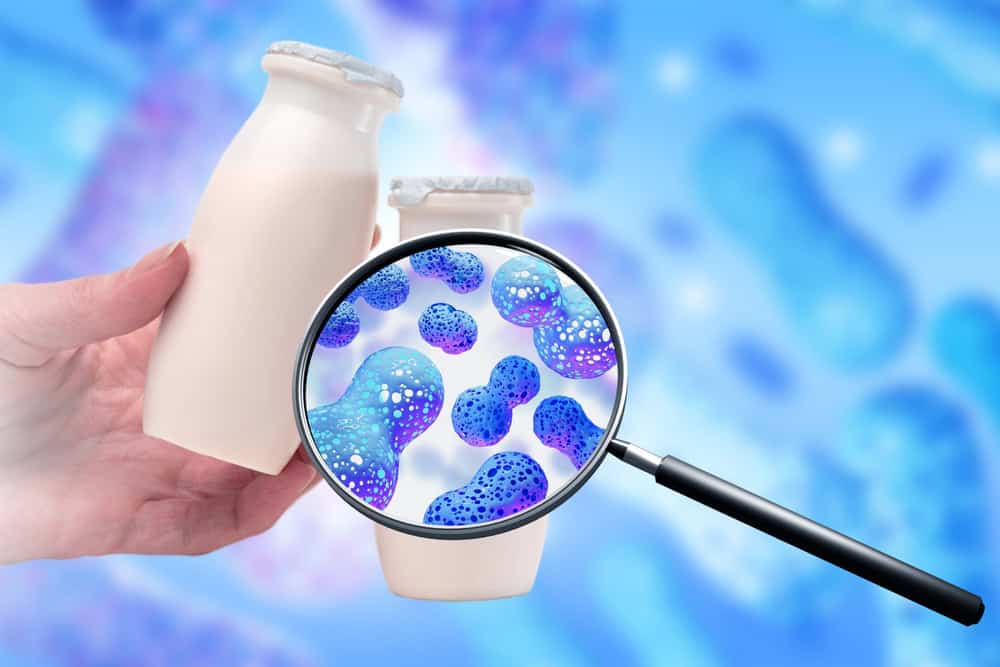
Probiotics are live microbes that offer a health benefit when you take enough of the right kind. Most are bacteria; some are yeasts. They come in certain foods and supplements.
They’re different from prebiotics, which feed beneficial microbes already living in your gut. Think of probiotics as the microbes and prebiotics as their food. Not every product labelled “probiotic” has proven benefits [2].
Also Read: How To Find Your Perfect Probiotics & Prebiotics?
Probiotics After Festive Eating: What Does the Research Say?
Probiotics may offer benefits for certain gut problems associated with illness or antibiotic treatment, but the effects depend on the specific strain and condition [3]. However, most research focuses on gut conditions such as IBS and diarrhoea linked to antibiotics, rather than on festival meals.
Bloating Relief: Where Probiotics May Help
- Certain probiotics may ease symptoms, especially bloating, in individuals with irritable bowel syndrome (IBS), a common gut condition characterised by pain, bloating, and loose or hard stools, although many studies were small [1,3].
- In a review of 10 trials (877 adults), every probiotic tested reduced gas, and some strains, such as Bifidobacterium breve and Lactobacillus plantarum, also eased belly swelling. Another review of 15 trials (1,793 people) found probiotics eased overall IBS symptoms and belly pain better than a dummy pill (placebo) after 8 to 10 weeks [2].
- But the trials used different strains, and many were low quality. They also didn’t clearly show better quality of life. Experts still can’t say which product, dose or length works best [2,4].
Note: So for IBS, the evidence is modest. For one heavy Diwali dinner, it’s not clear that probiotics help. Bloating has many causes, and IBS needs a doctor’s diagnosis, so don’t self-diagnose.
Digestion Help: What’s Strong and What’s Weak
- Certain probiotics may reduce the risk of diarrhoea linked to antibiotics. The benefits of probiotics depend on the strain, dose, and individual factors, so different products may not produce the same results [4].
- Some probiotics may ease constipation in adults, including certain strains of Bifidobacterium lactis. However, benefits vary by strain and product. A doctor or dietitian can help you decide whether to try one and for how long [1,4].
- Strains matter. A strain that helps one problem may not help another [5].
- In many countries, probiotics are classed as food, not medicine, so they face less testing. A product may not contain what its label says [3].
How to Take Probiotics After Festive Eating Safely

1. Food First
- Choose yoghurt that says “contains live or active cultures”. If milk products upset your stomach, skip yoghurt.
- Kimchi, kombucha and sauerkraut may contain live microbes. They don’t usually have proven probiotic strains. Most shop-bought pickles have no live microbes left [2].
- Add prebiotics slowly. These are foods that feed your good bacteria, like onion, garlic and asparagus. They can add gas in some people, so cut back if your bloating gets worse [6].
2. Supplements: Check Before You Buy
- If you’re healthy, a supplement is unlikely to add much [1].
- Look for the strain name and the CFU (live cell count) at the end of shelf life [4].
- Store it exactly as the label says.
Who Should Talk to a Doctor First
- Weak immunity or a serious illness: Probiotics have been linked to serious infections in some very ill people and people with a weak immune system. Ask your doctor first [3,4].
- Pregnant, breastfeeding, or have a long-term health condition: ask your doctor before starting any supplement.
- Premature babies: Severe infections have been reported. Don’t give probiotics to any baby or young child without a doctor’s advice [4].
- On antibiotics: Don’t stop or change a prescribed medicine because of a probiotic. Watery diarrhoea that is severe or doesn’t settle during or after antibiotics needs a doctor’s review, as it can be a C. difficile infection [4].
- Red flags: Go to the nearest emergency department if bloating comes with sudden, severe belly pain or vomiting blood. Seek urgent medical advice if you have repeated vomiting or cannot pass stool or gas. Blood in your stool or persistent bloating also needs a doctor’s assessment. Do not delay seeking care while trying probiotics [7].
- See a doctor soon if bloating lasts more than a few days, keeps coming back, or comes with weight loss you can’t explain.
Post-Eating Habits for Bloating Relief
- Take a short walk after meals.
- Eat slowly and chew well.
- Sip warm water.
- Keep your next meal lighter.
- Cut back on fizzy drinks.
A Gentler Return to Your Routine
Probiotics after festive eating may help selected gut symptoms, but they aren’t a guaranteed fix for a heavy meal. Start with smaller portions, water and gentle movement. If you want to try a supplement, choose it for a clear reason with professional guidance. Persistent bloating deserves attention, even after the celebrations end.
FAQs
1. Can probiotics help with bloating after a heavy meal?
They may help some people, mainly those with IBS. For a one-off heavy meal, the evidence isn’t clear. Eating slowly, walking and drinking water are simple first steps.
2. Should I take probiotics before or after meals?
Timing differs by product. Follow the dose and duration on the pack, and store it as the label says.
3. Is curd a reliable probiotic?
Yoghurt with live or active cultures can be a source of friendly bacteria. Not every fermented food has proven probiotic strains. Whether curd eases bloating isn’t proven.
4. How long do probiotics take to work?
There is no single timeframe that applies to every probiotic. The time needed to assess any benefit depends on the strain, product and condition. A doctor or dietitian can advise whether a trial is suitable and when to review the results
5. Can probiotics make bloating worse?
Sometimes. Gas is the most common side effect, and it’s usually mild [2]. For most people with a healthy immune system, probiotics are safe [3]. Stop the product and ask your doctor if bloating or pain gets worse.
Disclaimer: This article is for general awareness and isn’t medical advice. Talk to your doctor or dietitian before you start any supplement, especially if you have a health condition or take regular medicines.
References:
1. British Dietetic Association. Probiotics and gut health [Internet]. Birmingham: BDA; 2022 Jul [cited 2026 Nov 9]. Available from: https://www.bda.uk.com/resource/probiotics.html
2. Office of Dietary Supplements, National Institutes of Health. Probiotics: fact sheet for health professionals [Internet]. Bethesda (MD): ODS; 2025 Mar 25 [updated 2025 Mar 25; cited 2026 Nov 9]. Available from: https://ods.od.nih.gov/factsheets/Probiotics-HealthProfessional/
3. National Health Service. Probiotics [Internet]. London: NHS; 2017 Oct 19 [updated 2025 Apr 15; cited 2026 Nov 9]. Available from: https://www.nhs.uk/tests-and-treatments/probiotics/
4. National Center for Complementary and Integrative Health. Probiotics: usefulness and safety [Internet]. Bethesda (MD): NCCIH; 2019 Aug [cited 2026 Nov 9]. Available from: https://www.nccih.nih.gov/health/probiotics-usefulness-and-safety
5. International Scientific Association for Probiotics and Prebiotics. Probiotics [Internet]. Sacramento (CA): ISAPP [date not shown; cited 2026 Nov 9]. Available from: https://isappscience.org/topic/probiotics/
6. British Dietetic Association. Following a plant-based diet whilst having IBS [Internet]. Birmingham: BDA; [date not shown, add before publishing; cited 2026 Nov 9]. Available from: https://bda.uk.com/resource/following-a-plant-based-diet-whilst-having-ibs.html
7. National Health Service. Bloating [Internet]. [updated 2026 Jan 21; cited 2026 Nov 9]. Available from: https://www.nhs.uk/symptoms/bloating/
(The article is written by Nancy Dixit, Associate Manager, Clinical Health & Content, Medical Affairs, and reviewed by Monalisa Deka, Deputy Manager, Clinical Health & Content, Medical Affairs.)
Recommended Reads:
5 Foods For Gut Wellness: Probiotics, Prebiotics, And More
Diwali With Asthma: A Preparation Checklist Before the Celebrations Begin