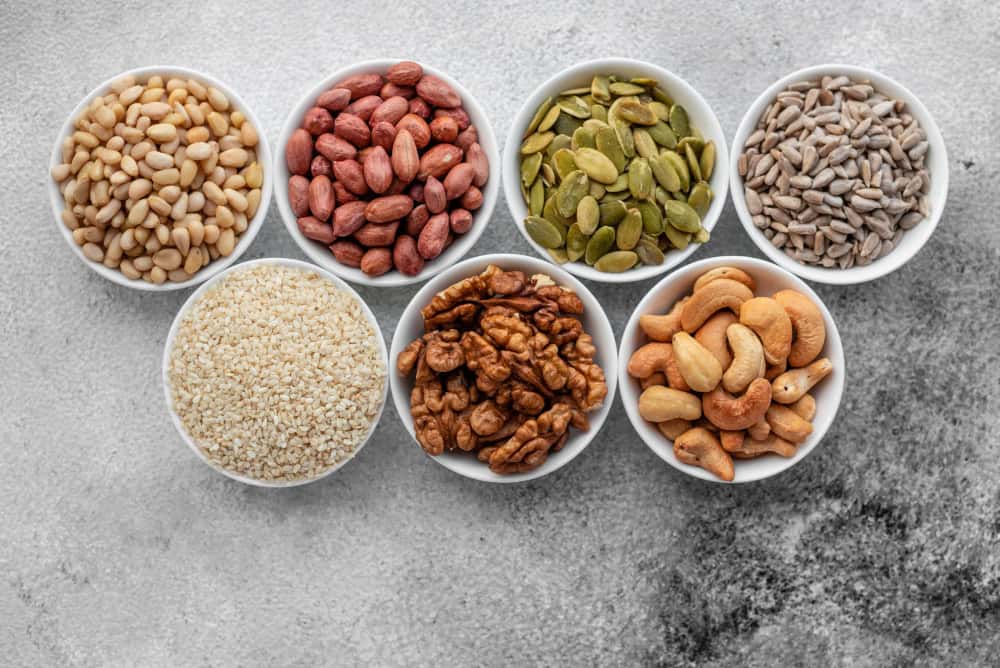
Many people have heard that breakfast is the most important meal of the day, and in many ways, this statement is true! What you eat in the morning helps start your body off with energy for the day, kick-starts your metabolism, and sets your body up for success.
Adding nuts and seeds to your breakfast is an easy way to make it more nutritious.
These tiny powerhouses are loaded with good fats, protein, fiber, vitamins, and minerals. They contribute to a range of health benefits, from a healthy heart to better digestion and weight management. Health experts suggest that you mix things up and include different nuts and seeds in your diet to get the most out of them.
According to Dr. Subita, Medical Expert at Tata 1mg, “Incorporating nuts/seeds into your breakfast has been shown to assist with satiety levels, as well as to stabilize blood glucose levels and provide energy throughout the entire day.”
Let’s take a look at some of the best nuts and seeds to add to your breakfast!
1) Almonds
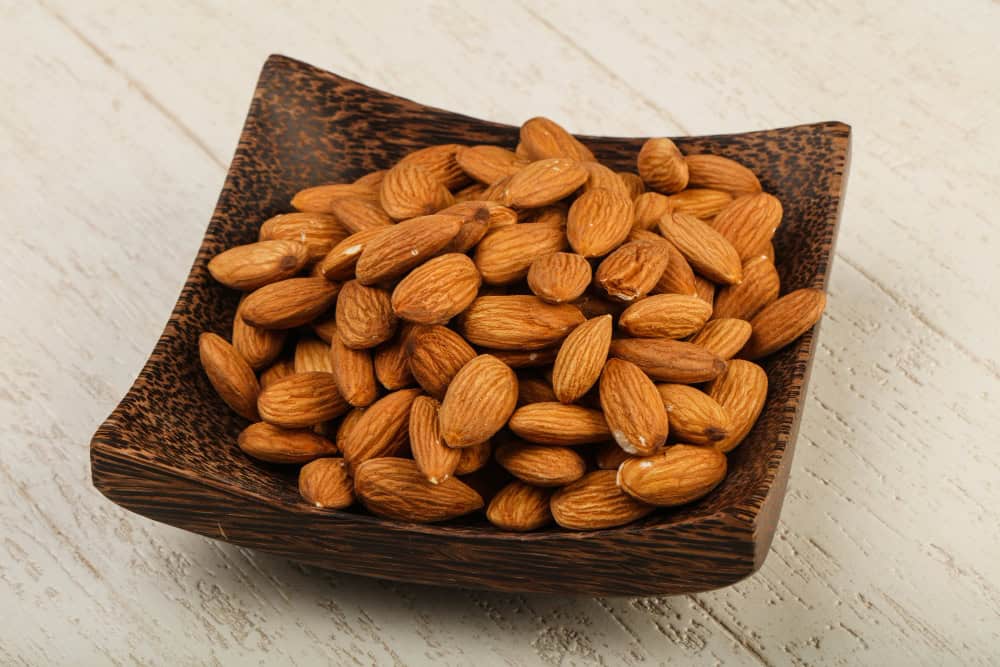 A staple in countless Indian households, almonds have been a dietary mainstay for ages. They’re packed with vitamin E, beneficial fats, and antioxidants.
Benefits of almonds:
- They boost brain function.
- They contribute to heart health.
- They can aid in weight management.
How to include:
Soak 5-6 almonds overnight, and add them to a breakfast bowl; alternatively, you can consume them on an empty stomach.
2. Walnuts
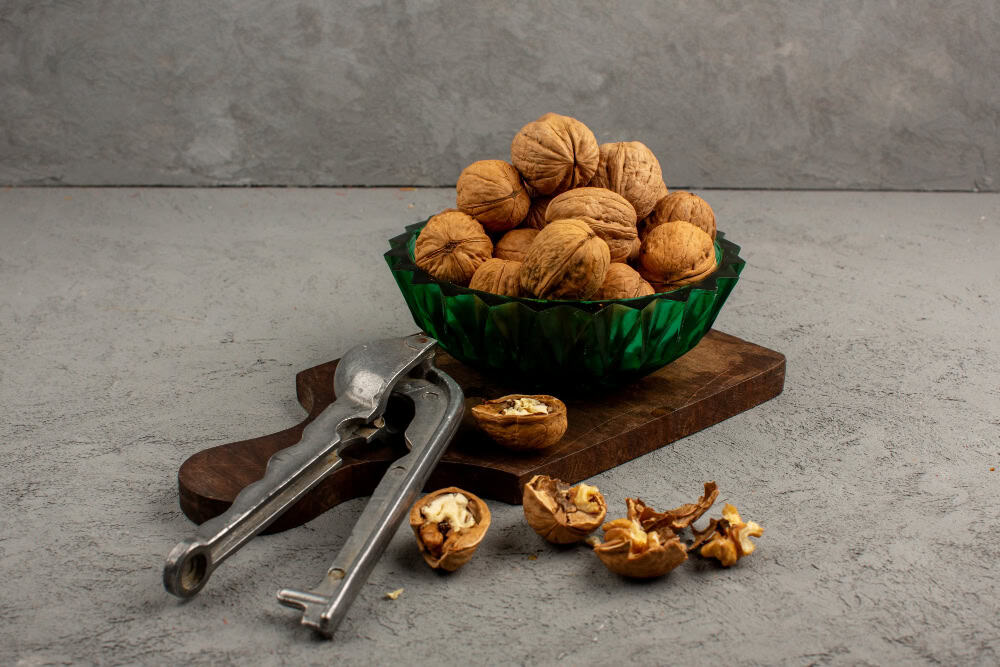 Walnuts are high in omega-3 fatty acids, making them an excellent brain food.
Benefits of walnuts:
- Aids in enhancing brain health
- Reduces the risk of inflammation
- Promotes heart health
How to include:
Place 2-3 walnuts into your oatmeal, smoothies, or yogurt.
3. Chia Seeds

Chia seeds may be small, but they are packed with fiber, protein, and omega-3 fatty acids.
Benefits of chia seeds:
- Aids in digestion
- Keeps you full longer
- Supports weight loss
How to include:
Soak chia seeds overnight in water or milk, then add them to smoothies or puddings.
4. Flax Seeds
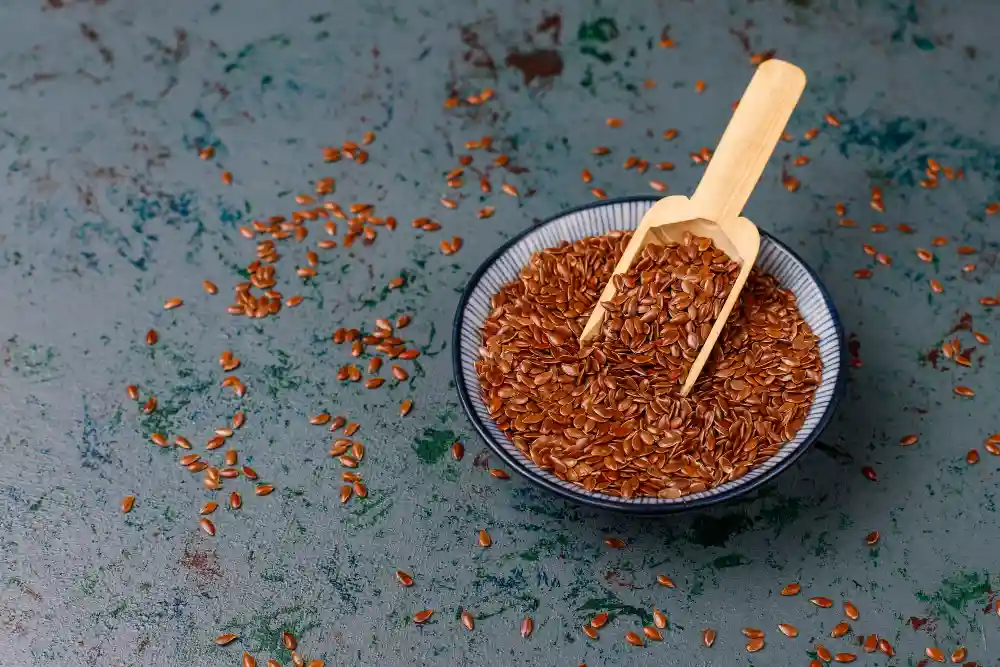 Flax seeds provide healthy plant-based omega-3s and lignans.
Benefits of flax seeds:
- Aids in balancing hormones
- Improves digestion
- Promotes heart health
How to include:
Use ground flax seeds in smoothies, sprinkle on breakfast cereals or fruit.
5. Pumpkin Seeds
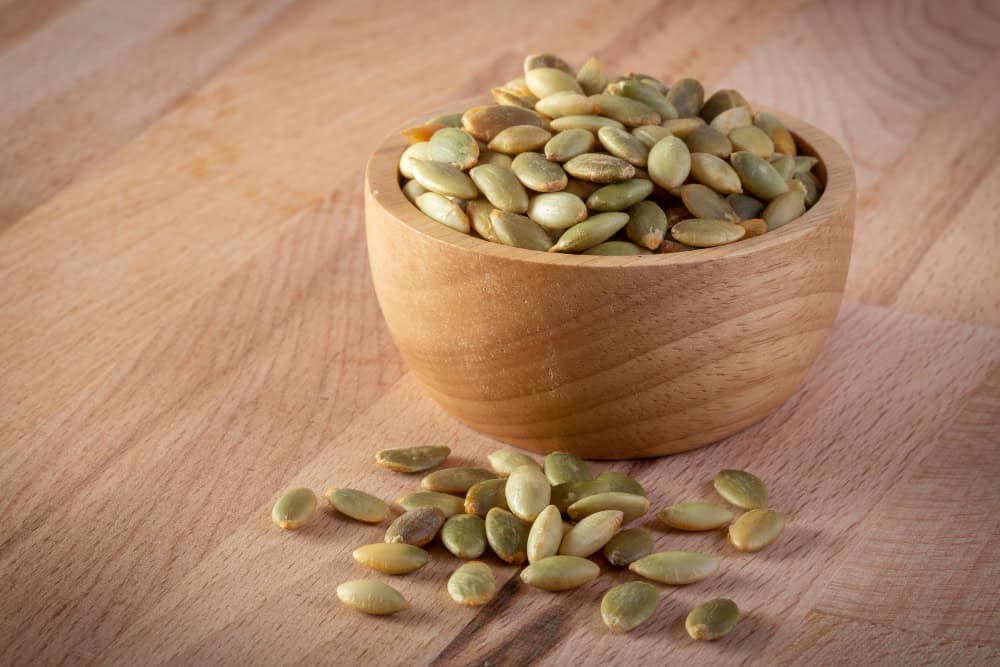 Pumpkin seeds have high amounts of magnesium, zinc, and protein.
Benefits of pumpkin seeds:
- Strengthens your immune system
- Improves the quality of sleep
- Promotes healthy muscles
How to include:
Add 1 tbsp of pumpkin seeds to your breakfast bowl or use as a topping on toast.
6. Sunflower Seeds
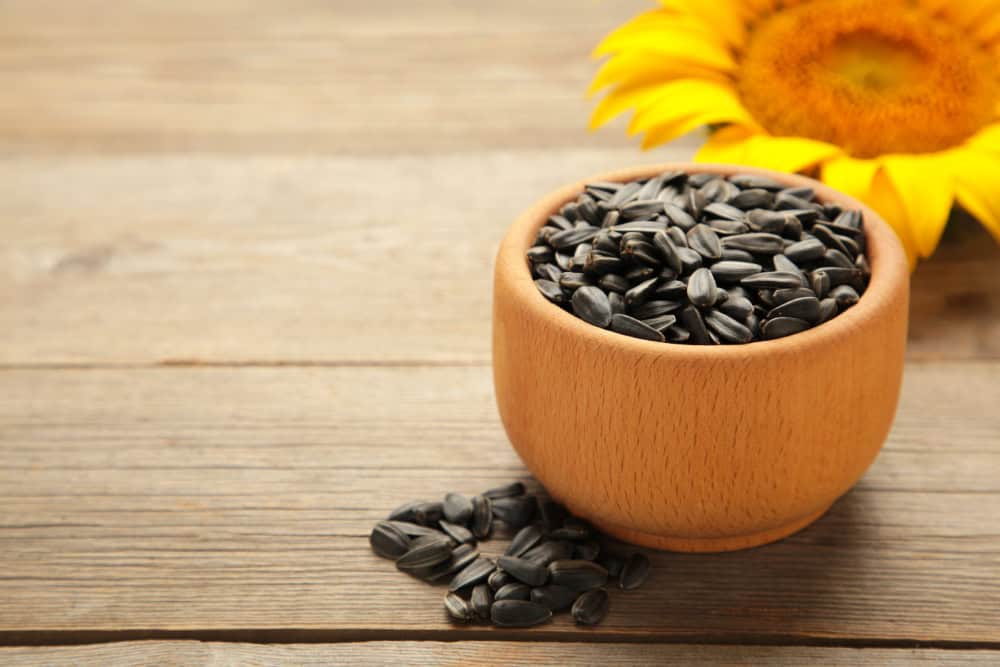 Sunflower seeds contain vitamin E and have polyunsaturated fat.
Benefits of sunflower seeds:
- Keeps your skin healthy
- Promotes heart function
- Helps to reduce inflammation
How to include:
Sprinkle on salads, smoothies, or yogurt.
7. Sesame Seeds
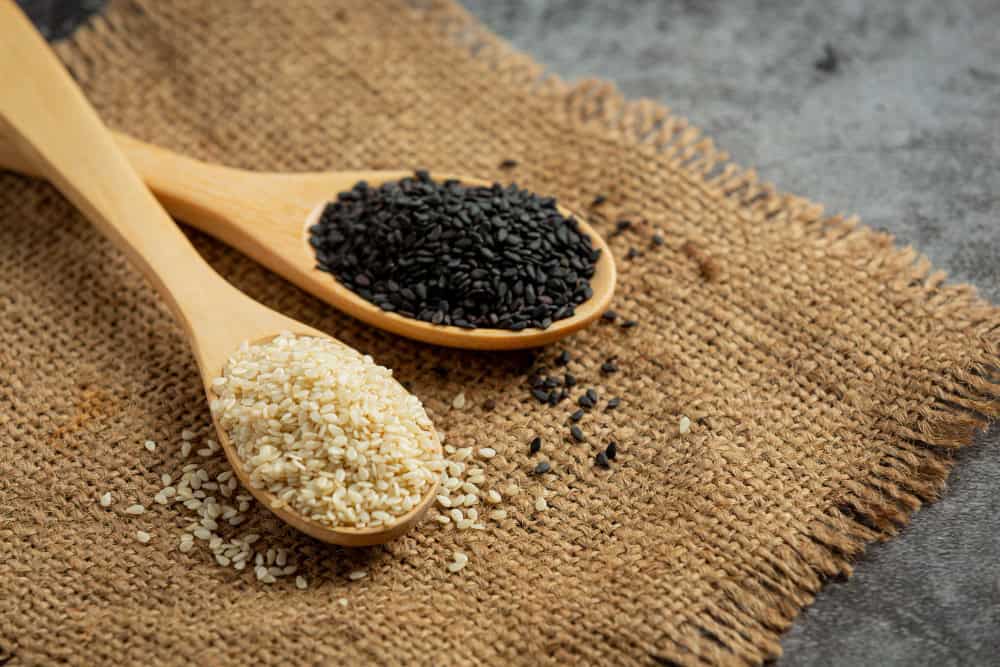 Sesame seeds have many nutritional benefits, ranging from being high in calcium and iron.
Benefits of sesame seeds:
- Helps in better digestion
- Regulates hormones
- Strengthens bones
How to include:
Incorporate sesame seeds into your daily routine by adding them to smoothies, sprinkling them over toast, or mixing them with jaggery for a healthy snack.
Why Add Nuts and Seeds to Breakfast?
When you add nuts and seeds to your breakfast, you’re not just adding flavour, but also providing significant health nutrients for your body. Nuts and seeds can also help:
- To provide you with energy throughout the day (sustained),
- Better digestion/gut health,
- Control cravings,
- Manage weight,
- Improve skin & hair health.
Nuts and seeds are particularly beneficial to busy people who are looking for long-term energy.
Best Ways to Combine Nuts & Seeds
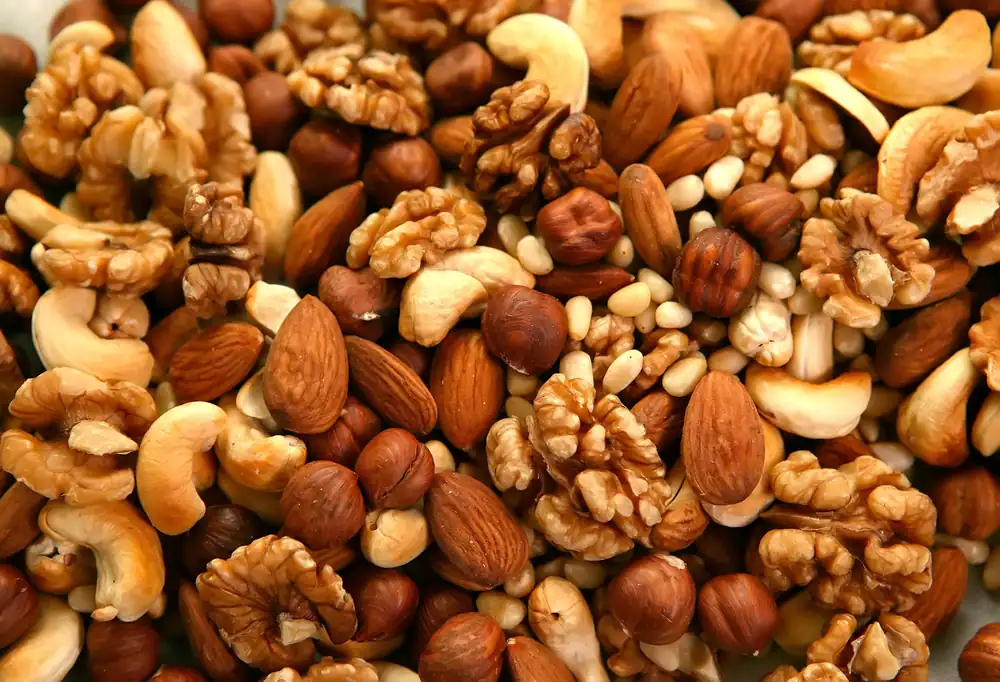 For optimal results, be sure to combine different types of nuts and seeds.
Add nuts and seeds to:
- Oatmeal/porridge,
- Smoothies,
- Yogurt or curd,
- Fruit bowls,
- Homemade granola.
The more variety you offer yourself, the more nutrients you will obtain.
Portion Sizes are Important
Although nuts and seeds provide excellent health benefits, they are all very calorie-dense foods.
- Almonds: 5-6 per day.
- Walnuts: 2-3 per day.
- Seeds: 1-2 tablespoons per day (such as chia, flax, pumpkin, or sunflower).
Exceeding these amounts will lead to excess calorie intake; achieving proper moderation will be critical.
Precautions to Take
- Do not consume salted/roasted varieties with added oil.
- Store appropriately to avoid spoilage.
- Check with a doctor if you have allergies.
Final Takeaway
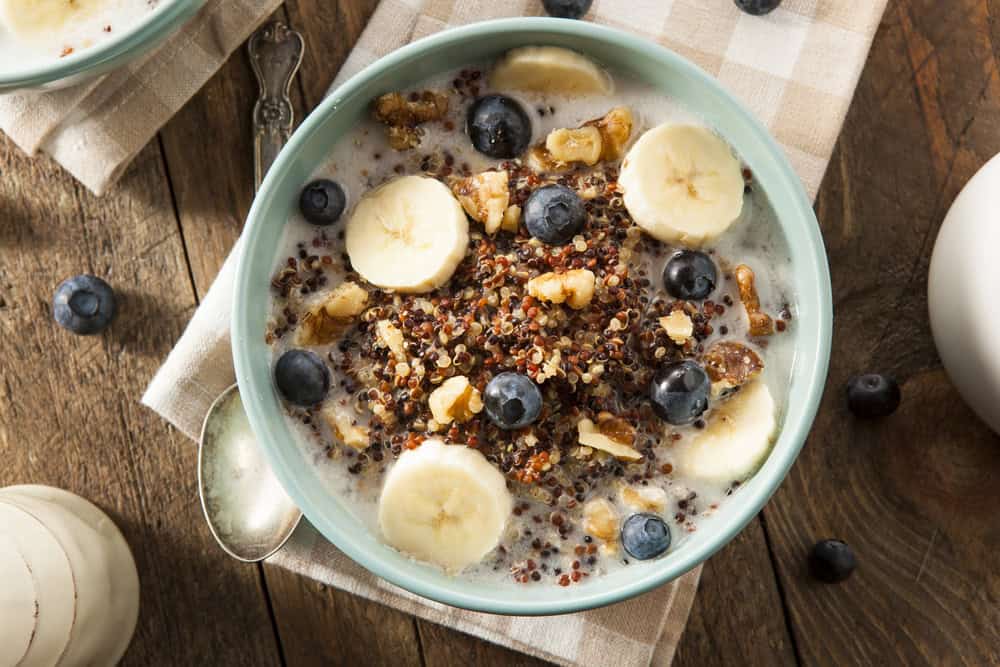
Adding nuts and seeds to breakfast is an easy way to improve your diet, enhance taste, and boost nutrition. Even small daily portions can increase your energy, support digestion, and improve health. Start with modest amounts and stay consistent for positive changes in your routine.
FAQs
1) What nut is best to have in the morning?
Both almonds and walnuts are some of the best choices for breakfast because of their healthy fats, protein, and ability to enhance brain function.
2) Can I eat nuts and seeds daily?
You can definitely eat nuts and seeds every day, provided you keep the portions moderate, as they are an important source of nutrition and good overall health.
3) Can nuts and seeds help me lose weight?
Yes, they assist in suppressing hunger and boosting metabolism when consumed in moderation.
4) Do you need to soak your nuts before consuming?
Soaking walnuts and almonds will improve their digestibility and absorption of nutrients.
5) Can I combine different types of seeds?
You can absolutely mix chia, flax, pumpkin, and any other types of seeds, and this will help you to get a variety of beneficial nutrients.
6) Are roasted nuts healthy?
Roasted nuts without salt or oil are acceptable for healthy eating, whereas salted or oil-roasted varieties are not.
7). When should you eat seeds for the greatest benefit?
The ideal time to eat seeds is in the morning or early in the morning, as this maximizes absorption by the body and provides energy.
8) Are nuts and seeds safe for those with diabetes?
Yes, if eaten in moderation and under the supervision of a physician, nuts and seeds can help regulate blood glucose levels.
Recommended Reads
(The article is written by Deepa Sarkar, Medical Writer, and reviewed by Monalisa Deka, Deputy Manager, Clinical Health & Content, Medical Affairs)