
If you’ve ever struggled with irregular periods, stubborn acne, or sudden weight gain that doesn’t seem to make sense, you might have wondered whether your hormones are trying to mess with you. For many women, the answer leads back to one very common condition: polycystic ovary syndrome, or PCOS.
PCOS affects millions of women around the world. In fact, experts estimate that between 6% and 13% of women of reproductive age have it. The real shock? Up to 70% of them are unaware of it. PCOS hides in plain sight. Its symptoms are easy to ignore, easy to blame on stress, diet, or “just genetics.” But PCOS is more than a hormonal hiccup. It’s a long-term condition that affects everything from fertility to emotional well-being.
Let’s break it down in a way that actually makes sense.
What is PCOS?

PCOS is a hormonal disorder that usually starts in adolescence but can be missed for years. It happens when the ovaries produce more androgens than they should. Androgens are often called “male hormones,” but women produce them too. With PCOS, these hormones get a little too ambitious.
As a result, the ovaries may stop releasing eggs regularly. Some women might notice long gaps between periods. Others might skip their periods entirely. You might think, “Hey, no period, no problem,” but a lack of ovulation makes it harder to get pregnant and can lead to other health risks.
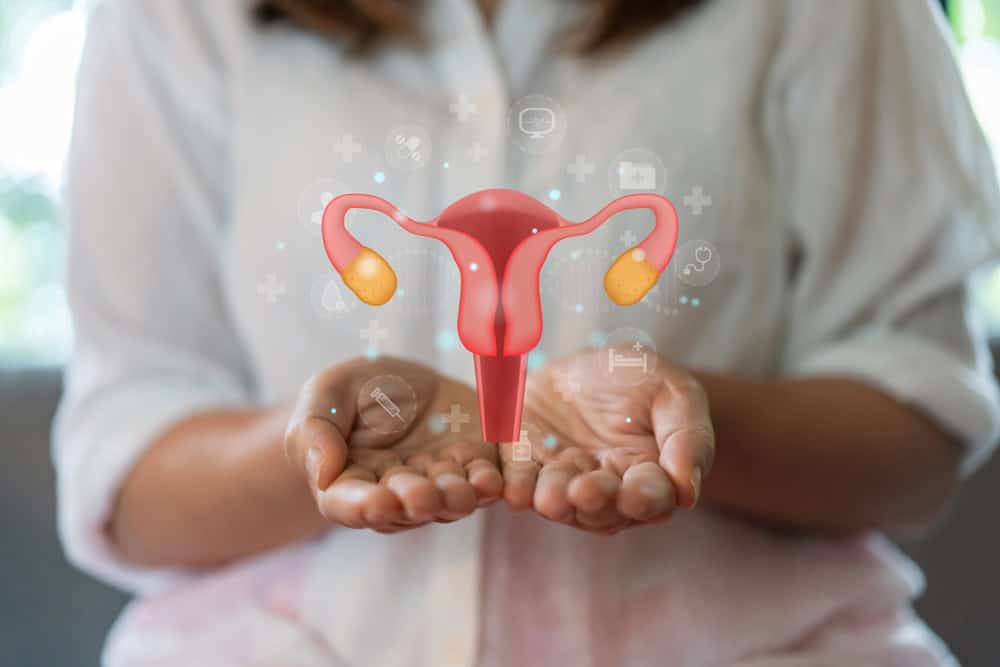
PCOS also gets its name from cysts in the ovaries. These are small, fluid-filled sacs that contain immature eggs. Not everyone with PCOS gets these cysts, though. That’s why a diagnosis doesn’t depend only on an ultrasound.
So, What Exactly Causes PCOS?
Here’s the tricky part: nobody knows. There’s no single cause. What we do know is that PCOS tends to run in families. If your mother, sister, aunt, or grandmother had it, there’s a decent chance you might too. There’s also a link to insulin resistance. Women with type 2 diabetes or a family history of diabetes have a higher risk.
PCOS doesn’t play favorites either. It affects women across all backgrounds, but some ethnic groups experience more severe symptoms, especially related to metabolism and weight.
What Does PCOS Look Like in Real Life?
PCOS doesn’t look the same for everyone. You could have regular periods and still have it. You could be thin and still have it. You could have acne but no cysts. That’s part of what makes it so confusing.
Common symptoms include:
- Irregular, heavy, or absent periods
- Difficulty getting pregnant
- Acne or oily skin
- Hair growing where you don’t want it (hello chin hairs)
- Hair thinning on the head
- Weight gain, especially around the belly
Some of these symptoms might feel purely physical, but the emotional side matters just as much. PCOS can stir up anxiety, depression, and a negative body image. Imagine experiencing infertility, unwanted hair growth, and weight gain all at once. It’s not just a medical condition. It affects how women feel about themselves and how the world treats them.
Health Problems Linked to PCOS
PCOS doesn’t stop at periods and acne. It can be a long-term health concern if it’s not managed. Women with PCOS are more likely to develop:
- Type 2 diabetes
- High blood pressure
- High cholesterol
- Heart disease
- Endometrial cancer (cancer in the lining of the uterus)
That might sound scary, but knowing your risk is the first step to taking control of your health.
How is PCOS Diagnosed?
Getting a PCOS diagnosis doesn’t come from one test. Doctors usually look for at least two of these three things:
- High androgen levels (either seen through symptoms like acne or hair growth, or in blood tests)
- Irregular or absent periods
- Polycystic ovaries on an ultrasound
Blood tests might show high levels of testosterone, estrogen, insulin, or hormones like LH (luteinizing hormone) and AMH (anti-müllerian hormone). But here’s the catch: not every woman with PCOS has the same hormone levels. And some women have polycystic ovaries without having PCOS at all.
A good doctor will consider your age, too. Irregular periods can be normal during puberty or as you approach menopause. That’s why PCOS can be tricky to diagnose; there’s no “one size fits all” test.
Take the first step toward better health. Book Your PCOS Screening Test Today.
Can PCOS Be Cured?
No, there is no cure for PCOS. However, PCOS can be managed in a way that improves your quality of life and well-being.
Lifestyle changes are very important. Regular exercise and a healthy diet can lower the risk of diabetes and aid in weight management. Little adjustments count. Strict diets and rigorous exercise are not necessary. Consider sustainability rather than drama.
Medication can also help manage specific symptoms like unwanted hair, acne, high insulin levels, or fertility issues. When it comes to getting pregnant, treatments range from lifestyle changes to medication and, in some cases, IVF.
Why Awareness Matters
You might be wondering why PCOS doesn’t get the attention it deserves. Considering how many women it affects, you’d think we’d talk about it more. But PCOS sits in a place where reproductive health and stigma meet. Fertility struggles, weight gain, unwanted hair, these aren’t topics women feel comfortable bringing up. So PCOS often gets ignored, brushed aside, or misdiagnosed.
Organizations like the World Health Organization (WHO) are pushing for more awareness and better care. They want governments to take infertility and women’s health seriously. They’re encouraging research and helping countries include reproductive health support in their policies so women can get treatment without financial stress.
Living with PCOS
If you think you might have PCOS, don’t wait for symptoms to “go away on their own.” They usually don’t. Talk to a healthcare professional. Ask questions. Advocate for yourself. You deserve answers.
And if you’re already diagnosed, remember this: PCOS doesn’t define you. It’s something your body is dealing with, not who you are. There’s strength in understanding what’s happening inside your body. There’s power in learning how to care for yourself.
Your body isn’t working against you. It’s asking for support. Listening to it is the best place to start.
Key Takeaways
- About 6 to 13% of women of childbearing age have polycystic ovary syndrome (PCOS).
- Worldwide, up to 70% of women who are affected have not been identified.
- PCOS is the most common reason for not ovulating and one of the main reasons people can’t have children.
- PCOS is linked to a number of long-term health issues that impact both physical and mental health.
- There are racial differences in how PCOS shows up and how it affects people, but it runs in families.
FAQs (Frequently asked questions)
1. What is it like having PCOS?
It can feel confusing because symptoms vary and change over time, from irregular periods to acne or weight gain. Many women deal with both physical and emotional stress because of it.
2. Is PCOS painful?
PCOS itself isn’t usually painful, but symptoms like heavy periods, bloating, or ovarian cysts can cause discomfort for some women.
3. What happens if a woman has PCOS?
Her hormones become imbalanced, which can affect her periods, fertility, skin, and weight. She may also face long-term risks like diabetes or heart disease.
4. What are the first signs of PCOS?
Irregular periods are often the first sign. Some women also notice acne, extra facial/body hair, or sudden weight gain.
5. Can I get pregnant with PCOS?
Yes, many women with PCOS can get pregnant naturally or with treatment. They just might need help regulating ovulation.
6. How can I test PCOS at home?
You can’t fully diagnose PCOS at home, but tracking your periods, symptoms, and using ovulation tests may give clues. A proper diagnosis requires a doctor’s exam, blood tests, and sometimes an ultrasound.
7. What happens if PCOS is left untreated?
Untreated PCOS can increase the risk of infertility, diabetes, heart disease, and uterine cancer. Symptoms may also get worse over time, affecting emotional well-being.
(The article is written by Mantasha, Sr. Executive, Clinical Health & Content, and reviewed by Monalisa Deka, Deputy Manager, Clinical Health & Content, Medical Affairs)