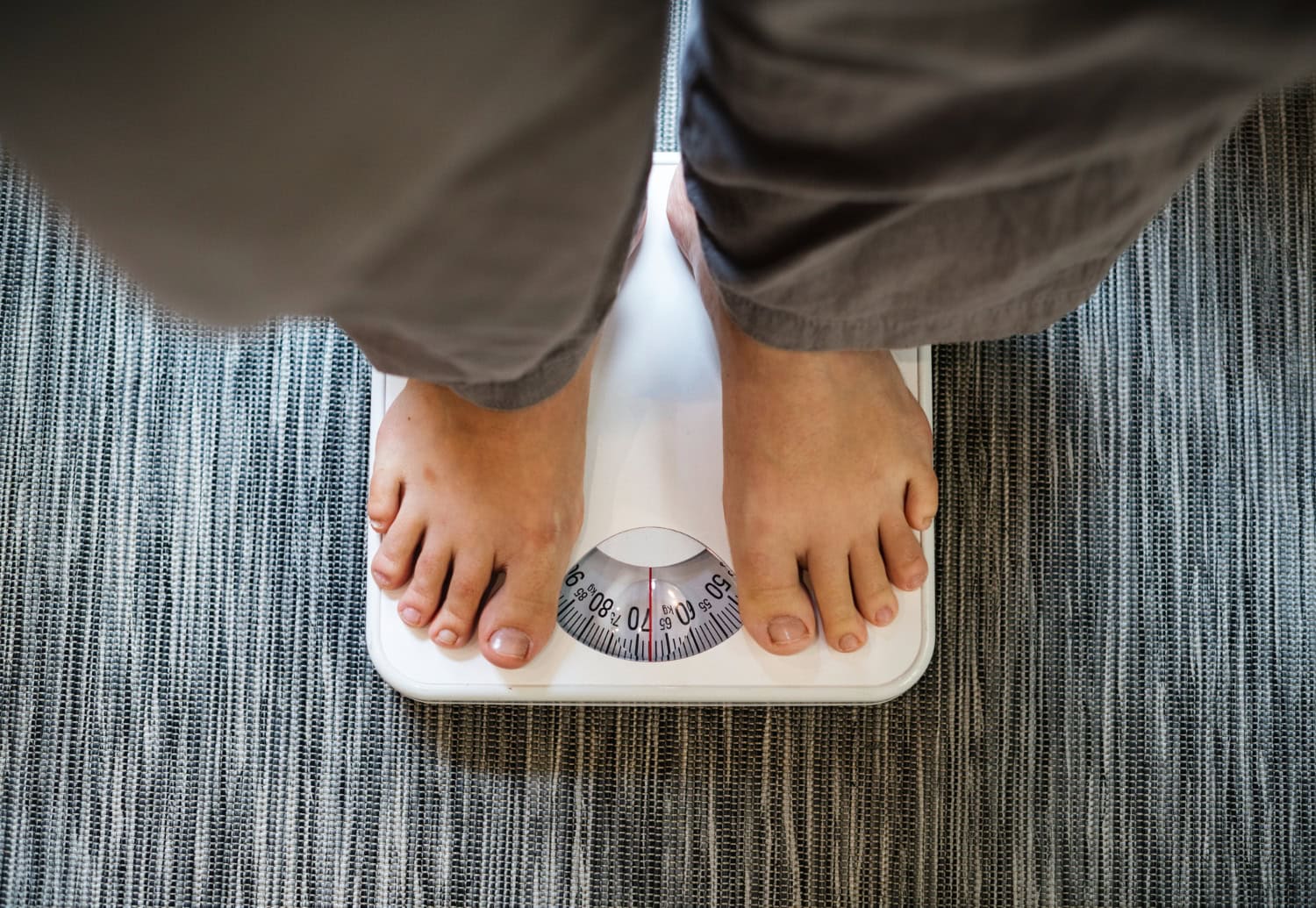
 Have you found your waistline expanding although your eating habits haven’t changed? Or is shedding weight becoming harder? This is a common occurrence that happens during perimenopause when changes in hormones start happening and periods become irregular.
The weight gain during perimenopausal years is not just due to getting older or having less willpower. It is because estrogen levels, muscle mass and strength, sleeping patterns, and food intake are changing during this period. It was found out that during the periods of perimenopause fat mass tends to increase while lean mass declines, but this process is different for each woman [1,2].
The good news is that losing weight is not limited to following unrealistic diets and exhausting exercises. You should learn the reasons why this weight gain happens and make relevant adjustments that will support muscle mass, physical strength, and help you maintain a healthy body weight.
What Causes Weight Gain during Perimenopause?

There are many contributing factors that can affect body weight during menopause transition.
- Hormonal Changes: Fluctuating hormone levels can impact fat distribution and lead to fat accumulation in the belly region.
- Decline in Muscle Mass with Age: Muscle mass tends to decline with aging, resulting in less energy expenditure.
- Sleep Problems: Issues like night sweats and hot flashes can negatively impact appetite, energy levels, and motivation for a physical workout.
- Lifestyle Change: Being inactive for long periods, stress, and changes in eating habits can make it harder to control weight during menopause.
- Change in Energy Balance: If energy expenditure declines and food intake remains the same, gradual weight gain occurs [1,2,3,4].
It should be noted that not all women will gain weight during menopause. Aging and lifestyle factors will lead to weight gain in men and women, while the process of menopause may cause changes in fat storage.
Perimenopause Weight Loss: 5 Changes That May Work

1. Build Balanced Meals With Enough Protein and Fibre
The right diet during perimenopause can help regulate hunger, facilitating muscle building and improving the diet composition. Rather than going on a drastic diet, emphasis should be placed on proper balance and quality of the meals.
You should include foods high in protein: eggs, fish, chicken, paneer, tofu, lentils, chickpeas, and beans. Adequate protein intake when combined with resistance exercise, can support muscle maintenance and recovery.
Vegetables, fruits, oats, whole grains and legumes are the main fiber sources that help with digestion and leave you feeling full after food intake.
What you can do is:
- Get a source of protein in every meal.
- Choose whole grain foods consistently.
- Fill up your plate with vegetables.
- Reduce your consumption of sugary drinks and snacks.
- Make room for some nuts and seeds in your diet.
A modified Mediterranean diet can prove to be a good example of what a healthy diet can look like. However, no diet can guarantee weight loss in the end since even the best diet needs to be one that is sustainable in the long run [3,5].
2. Incorporate Strength Training in Aerobic Workouts
Walking has its advantages. However, incorporating strength training will enhance the overall effects of your exercise plan for preserving your muscle mass during midlife.
Try to build up to:
- Strength Training: Do strength training at least two times each week with bodyweight exercises like squats, wall push-ups, resistance band rows, and weights.
- Aerobic Exercise: Engage in at least 150 minutes of moderate-intensity aerobic activity weekly with activities like power walking, cycling, or swimming [6].
- Everyday Movement: Ensure you take regular walking breaks during the day, take the stairs where possible, and avoid long periods of sitting down.
Regular physical activity contributes to maintaining a healthy weight, improving cardiovascular fitness, and promoting metabolic health. When combined with diet, exercise can help prevent an increase in body fat during the menopause transition [3,5].
There is no need to begin with hard workouts. Start off with less strenuous activities and gradually increase duration, resistance, and intensity of exercises. In case of chronic health problems or concerns about joint pain, consult a fitness expert before starting a new exercise regimen.
3. Make Sleep a Priority and Handle Stress Properly
Sleep is often overlooked when it comes to weight loss during perimenopause. Due to symptoms like hot flashes, sweating at night, anxiety, and disrupted sleep, one could find it difficult to get through the day. In addition, bad sleep might also affect one’s appetite, choice of food, and physical activity [2,3].
Here are some suggestions to help out with sleep:
- Have a set sleep and wake-up time.
- Aim to get about 7 to 9 hours of sleep every night.
- Make sure the bedroom is cool, dark and comfortable.
- Try to reduce caffeine consumption if it does not allow for a good night’s sleep.
- Practice simple yoga or do some breathing or meditative exercises.
Stress management might not lead to losing belly fat, but it definitely makes it easier to lead a healthy lifestyle.
In case of persistent insomnia, heat sensations, anxiety, or feeling low, consult a doctor. Good treatment may help with sleep improvement and well-being, thereby making healthy habits easier to sustain.
4. Implement Sustainable Dietary Changes and Adjust Portions
You do not need to adhere to a restricted calorie-counting regimen to start managing your weight. Nevertheless, total energy intake is still important: constantly consuming a larger amount of energy than your body expends will lead to gaining weight.
To begin with, track your normal behavior for one week. Pay attention to portion sizes, sweet drinks, persistent snacking, dining out, and eating because of stress.
Then, make small but effective changes:
- Eat meals regularly that are consistent with your timetable.
- Serve the meals with the right portion size and chew meals carefully.
- Choose water or non-sweetened beverages more frequently.
- Have convenient snacks, such as fruits, roasted chana and plain yogurt.
- Go back to your routine after having a rare treat meal.
You can enjoy rice, roti, potatoes, and other sources of carbohydrates. The aim is to balance portions of carbohydrate-containing foods with protein and fiber without banning carbohydrates.
The measures of success are beyond weight. Waist size, energy levels, strength, and how clothes fit will also show you if changes in body composition occurred.
5. Manage Symptoms and Verify Other Reasons Behind Weight Gain
Weight gain during the perimenopause stage may not just come from hormonal changes. Other factors, such as thyroid issues, medication intake, sleeping problems and various diseases, can also contribute to weight gain.
Thus, if you experience unforeseen weight gain and your weight keeps increasing regardless of the lifestyle changes made, it is advisable to consult a doctor. A clinician may evaluate your thyroid function, as well as glucose level, blood pressure, and cholesterol.
Hormone replacement therapy can be appropriate for some bothersome menopause symptoms depending on the results of individual assessment. Eligibility depends on factors including age, time since menopause, medical history, and personal risks. It is generally not suitable for everyone, particularly those with certain hormone-sensitive cancers, unexplained vaginal bleeding, a history of blood clots, stroke, or significant liver disease. However, it should not be used for the sole purpose of losing weight [3,4].
Similarly, weight-loss medications may be prescribed to eligible individuals following a thorough medical assessment. Avoid using hormone medications, fat burners, or herbal weight-loss products without consulting a healthcare professional, as their safety, effectiveness, and potential interactions with other medications may vary.
When Should You Seek Medical Help?

Reach out to a doctor if you notice sudden changes in your weight or if you feel fatigued all the time. You should also get evaluated for unusual swelling or other symptoms that disrupt your daily routine.Seek medical review for very heavy or prolonged menstrual bleeding, unusually frequent periods, bleeding between periods, bleeding after sexual intercourse, or any bleeding after menopause. These changes may require evaluation to identify the underlying cause and determine appropriate treatment.
If you monitor your blood pressure, blood sugar level, blood cholesterol level, and your waist size, you can determine if you have metabolic risks. Your doctor will recommend tests depending on your symptoms and your medical history.
Final Takeaway
The issue with weight gain during perimenopause is complex and cannot be attributed to one single factor. Even though you cannot control every little change that happens, there are things you can do to ensure that your health stays at a good level. First of all, you need to learn what constitutes a good perimenopause diet, a healthy amount of both protein and fiber, and how to get enough sleep and exercise.
If you experience sudden and unexplained weight gain, you should consult a doctor.
FAQs
Q. What is the reason behind my weight gain during perimenopause despite having a similar diet?
Changes in metabolism, muscle mass, physical activity level and hormonal status contribute to weight gain during perimenopause.
Q. Is belly fat a result of perimenopause?
Hormonal changes can lead to fat accumulation in the abdomen, along with factors such as age, physical activity level, and diet.
Q. Is it possible to lose weight during perimenopause?
Yes, if you eat a balanced diet, do resistance and aerobic exercise, get enough sleep, and develop new weight-loss strategies.
Q. What is the most effective diet during perimenopause?
One of the most practical diets for weight loss during perimenopause is a balanced diet. However, there is no universal diet for everyone.
Q. Is walking beneficial for losing weight during perimenopause?
Walking leads to burning calories and improving heart health. If combined with physical exercise and a healthy diet, it will help the body attain better composition.
Q. How much protein intake is needed during perimenopause?
Protein needs depend on body weight, activity level, dietary pattern and medical conditions. Most healthy adults need approximately 0.8 g of protein per kilogram of body weight daily. Include eggs, dairy, lentils, beans, tofu, fish or lean meat in your diet. Consult a doctor or dietitian for personalised guidance, especially if you have kidney disease.
Q. Is hormone replacement therapy effective for weight loss?
Hormone replacement therapy is used to alleviate the symptoms brought by menopause and is not prescribed purely due to the necessity of losing weight.
Q. How long does losing weight during perimenopause take?
The weight loss duration is dependent on various factors, like starting weight, health, activity, and eating habits. Weight loss takes time and is a gradual process.
(The article is written by Deepa Sarkar, Senior Medical Writer, and reviewed by Monalisa Deka, Deputy Manager, Clinical Health & Content, Medical Affairs)
References
1. Greendale GA, Sternfeld B, Huang M, Han W, Karvonen-Gutierrez C, Ruppert K, et al. Changes in body composition and weight during the menopause transition. JCI Insight. 2019;4(5):e124865. doi:10.1172/jci.insight.124865. Available from:https://pubmed.ncbi.nlm.nih.gov/30843880/
2. Kodoth V, Scaccia S, Aggarwal B. Adverse changes in body composition during the menopausal transition and relation to cardiovascular risk: a contemporary review. Womens Health Rep (New Rochelle). 2022;3(1):573-581. doi:10.1089/whr.2021.0119. Available from: https://pubmed.ncbi.nlm.nih.gov/35814604/
3. Kapoor E, Faubion SS. Weight management in midlife women during the menopause transition. Menopause. 2026. Available from: https://pmc.ncbi.nlm.nih.gov/articles/PMC13592837/
4. Baraut MC. Nutrition during the menopausal transition: current evidence, health trajectories and clinical implications. Clin Nutr ESPEN. 2026;75:103405. doi:10.1016/j.clnesp.2026.103405. Available from: https://pubmed.ncbi.nlm.nih.gov/42303129/
5. Hutchison SK, Stepto NK, Harrison CL, Moran LJ, Strauss BJ, Teede HJ. Effects of exercise on insulin resistance and body composition in overweight and obese women with and without polycystic ovary syndrome. J Clin Endocrinol Metab. 2011;96(1):E48-56. doi:10.1210/jc.2010-0828. Available from: https://pubmed.ncbi.nlm.nih.gov/20926534/
6. Gupta R, Vaqar S. National guidelines for physical activity. StatPearls Publishing, Treasure Island; 2025. Available from: https://www.ncbi.nlm.nih.gov/books/NBK585062/