
Every year, when winters arrive, chilly mornings and sniffles are one thing you can expect. The seasonal infections and diseases are on the rise in colder months. So, naturally, people reach out to immunity-enhancing foods to give their body’s defense an extra boost. Since it is one of the most important minerals to strengthen your immunity, adding vitamin C-rich foods to your diet is a great idea. Meanwhile, for many people, it means loading up on citrus fruits. But vitamin C foods extend far beyond just oranges and lemons. Bell pepper, for instance, is also one such natural source of vitamin C. But is it really a match to oranges head-to-head in terms of vitamin C content and supporting immunity? Let’s take a look at oranges vs. bell peppers; which of these foods has higher vitamin C, and which one should you make a part of your winter diet?
Oranges vs. Bell Peppers: Which Has More Vitamin C?
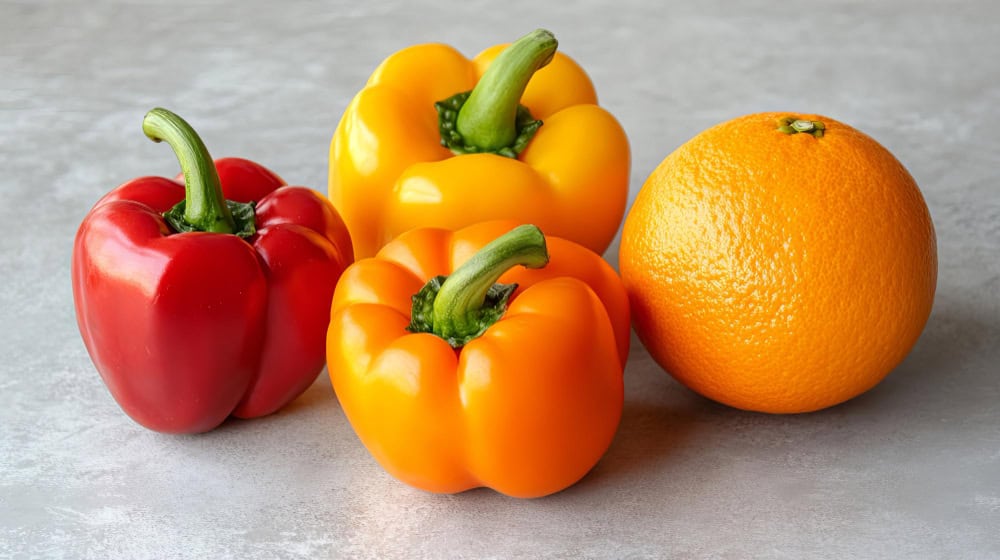
Vitamin C is vital for healthy skin, body healing, and the development of a strong immune system. It also functions as an antioxidant, protecting cells from the damage caused by free radicals.
When we talk about vitamin C, oranges are usually the first item that springs to mind. Because of their vibrant color and refreshing flavor, oranges have long been associated with strong immunity. A medium-sized orange has about 70 milligrams of vitamin C, which is more than enough to give an average adult the recommended daily intake.
Meanwhile, it might come as a surprise to many, but when it comes to per-gram vitamin C content, bell peppers take the edge against oranges. Depending upon their size, variety, and source, a single bell pepper can contain somewhere between 100 and 150 mg of vitamin C, which is far higher than that of an orange. This makes bell peppers one of the best natural sources of this essential vitamin. This suggests that bell peppers have a higher vitamin C content gram per gram when compared to oranges. It may provide superior immunological support, particularly throughout the winter.
Because of their naturally rich antioxidant profile, they retain a significant amount of this vitamin even when cooked gently. Oranges are still a great choice since they are sweet, refreshing, and full of antioxidants like hesperidin. However, when it comes to vitamin C levels, bell peppers take the lead.
Nutritional Profile
Although vitamin C may be the single standout, the two foods contain a diverse range of nutrients. Oranges are a good source of fiber, natural carbohydrates, and trace amounts of potassium and calcium. They are also super hydrating and contain low calories, making them suitable for breakfast or snacks.
On the other hand, bell peppers have high levels of vitamins A, B6, and folate. Additionally, bell peppers provide antioxidants like zeaxanthin and lutein that help the body combat inflammation. They may also lower the risk of age-related macular degeneration and shield the eyes from damage. Because they are high in water and low in calories, they are perfect for controlling weight.
How Does Bell Pepper Keep You Healthy?
Due to their high vitamin C content and the presence of natural antioxidants, bell peppers are beneficial in supporting our body’s immune system. But it is not the only benefit you get from eating bell peppers on a regular basis. There are other health benefits this fruit has to offer.

1-Keeps Your Skin Glowing
Vitamin C is an essential component in the formation of collagen, which keeps skin tight, youthful, and elastic. When combined with bell peppers’ antioxidants and carotenoids, it aids in the fight against oxidative stress, enhancing natural, glowing skin and avoiding premature aging.
2- Supports Heart Health
Bell peppers include antioxidants such as lutein, zeaxanthin, and beta-carotene that combine with vitamin C to prevent oxidative damage to blood vessels. This combination promotes healthy cholesterol levels, reduces inflammation, and enhances cardiovascular health in general.
3- Aids iron absorption
The body finds it more difficult to absorb iron from plant-based sources like spinach, lentils, or beans. Because vitamin C improves the absorption of iron from plant-based diets, bell peppers go well with vegetarian food, helping your body absorb iron more efficiently.
4- Enhances Eye Health
Nutrition plays a significant role in preventing age-related vision deterioration. Lutein and zeaxanthin, two carotenoids, are particularly beneficial to eye health. They do this by shielding the retina from oxidative damage. Bell peppers are particularly high in carotenoids, as well as other antioxidants such as vitamin C. Eating bell peppers supports eye health and promotes healthy vision.
5- Aids Weight Management
Bell pepper could be an excellent addition to a healthy diet and exercise regimen. Because of its high fiber content, it helps with weight management. Also, water accounts for more than 90% of the weight of bell peppers. Its high fiber and water content can help minimize overeating, increase feelings of fullness, and eventually aid in weight loss.
Final Bite
When it comes to vitamin C content in oranges vs. bell peppers, oranges may have the fame, but yellow bell peppers quietly outperform them with a much higher concentration of this immunity-enhancing nutrient. Still, both foods bring valuable benefits to the table. Oranges offer hydration, natural sweetness, and fiber, while bell peppers deliver antioxidants, vitamin A, folate, and a powerful vitamin C punch that helps strengthen your body’s defenses, especially in winter.
The good news? Adding bell peppers to your everyday meals is incredibly simple. Enjoy them raw with hummus, toss them into salads, blend them into soups, sauté them lightly in stir-fries, or roast them as a warm, comforting side. Since they retain much of their vitamin C even when cooked gently, they fit easily into both quick snacks and full meals.
In the end, you don’t need to pick a single winner. Your immunity thrives on variety. But if you’re looking for a stronger dose of vitamin C in each bite, yellow bell peppers clearly take the lead, making them a smart, delicious addition to your winter diet.
Quick Glance
|
FAQs
Oranges vs. bell peppers: which has more vitamin C?
In terms of vitamin C content per 100 grams, bell peppers are above oranges, as they have more vitamin C.
How much vitamin C does a bell pepper have?
It may vary in size and variety, but an average bell pepper can have 100-150 mg of vitamin C.
What makes bell pepper so good for immunity?
Their high vitamin C content and the presence of antioxidants make bell peppers an ideal choice to enhance your immunity.
Does cooking bell peppers reduce their vitamin C content?
Long or high-heat cooking decreases vitamin C levels slightly. But bell peppers maintain a good quantity when lightly cooked or sauteed.
Can I eat raw bell peppers?
Yes, eating bell peppers raw helps preserve their vitamin C and antioxidants, making them an excellent option for immunity.
Can people with diabetes eat oranges and bell peppers?
Both are diabetic-friendly when eaten in moderation, whereas oranges should be consumed in moderation due to their natural sugar content.
Are red, orange, or yellow bell peppers more nutritious?
All three are nutritious. But red bell peppers have the highest antioxidants, while yellow peppers offer the most vitamin C.
Can I eat oranges and bell peppers on the same day?
Yes, eating both provides your body with a greater variety of nutrients, antioxidants, and immunity-strengthening advantages than just one.
What other foods should I prioritize to enhance immunity in winter?
Beyond Vitamin C, focus on Zinc and Vitamin D. Good winter foods include Garlic, Ginger, and Turmeric, along with sources of Vitamin D like fortified milk or fatty fish.
(The article is written by Ehsan Siddiqui, Team Lead and reviewed by Monalisa Deka, Deputy Manager, Clinical Health & Content, Medical Affairs)
Recommended Reads
Doctor-Recommended Guide to Paracetamol for Fever: When It Helps and When to Wait
7 Science-Backed Winter Superfoods to Enhance Immunity and Fight Seasonal Infections