
Are you one of the many people who work when the rest of the world goes home? There’s more to working the night shift than simply changing your sleep routine, even if it can feel like you’re in a different time zone.
Your physical and emotional health may suffer as a result of working night shifts, including sleep difficulties and increased cardiovascular risks.
Understanding the negative effects of working while the world sleeps is essential for managing the demands of night shift work while prioritising your health and quality of life, regardless of whether you’re an experienced night owl or thinking about changing careers.
The Hidden Health Toll of Working the Night Shift
Millions of people work overnight to keep the world running. But doing so goes against your body’s natural circadian rhythm, your internal 24-hour clock. Here’s what science says about the real health risks of working against your body’s natural clock.
1. Lack of Quality Sleep

Your body is naturally designed to sleep at night. Flipping that routine makes getting a decent night’s sleep extremely difficult. No matter how long they stay in bed, night workers frequently have trouble falling asleep during the day, get up too early, or feel exhausted.
Many night workers experience Shift Work Sleep Disorder (SWSD), a condition where your sleep-wake cycle is constantly misaligned. Sunlight, noise during the day, and domestic activity also don’t help.
2. Persistent Fatigue

This isn’t just feeling a little drowsy – it’s chronic fatigue. Severe fatigue can even cause microsleeps (seconds-long sleep lapses), brief moments of unconscious sleep, especially dangerous while driving or operating machinery.
Working at night requires you to resist your body’s natural desire to sleep, which quickly wears you out. Day by day, week by week, the fatigue increases to the point that even easy chores seem like a lot of work.
3. Focus Issues and Brain Fog

Your brain suffers when you don’t get enough sleep. Workers who work nights frequently struggle with forgetfulness, difficulty focusing, slow thinking, and poor decision-making. This becomes a serious safety issue if your work entails operating machines, driving, or providing patient care.
4. Emotional Issues

Social isolation and little sleep are difficult to combine. Many night workers experience increased levels of anxiety, irritability, or depression without usually understanding why. Anxiety and depression may become more likely over time due to the emotional strain of an erratic schedule.
5. Digestive and Gut-health Problems

There is a clock in your digestive system as well. Eating at night, when your body is supposed to be sleeping, causes your gut to become unbalanced and slows down digestion. Research suggests night eating may alter the gut microbiome, affecting metabolism and overall health.
Eating at night can cause bloating, indigestion, constipation, and upset stomachs. Night shift workers have a higher risk of acid reflux (GERD) and irritable bowel syndrome (IBS).
6. Low Testosterone and Hormonal Imbalance
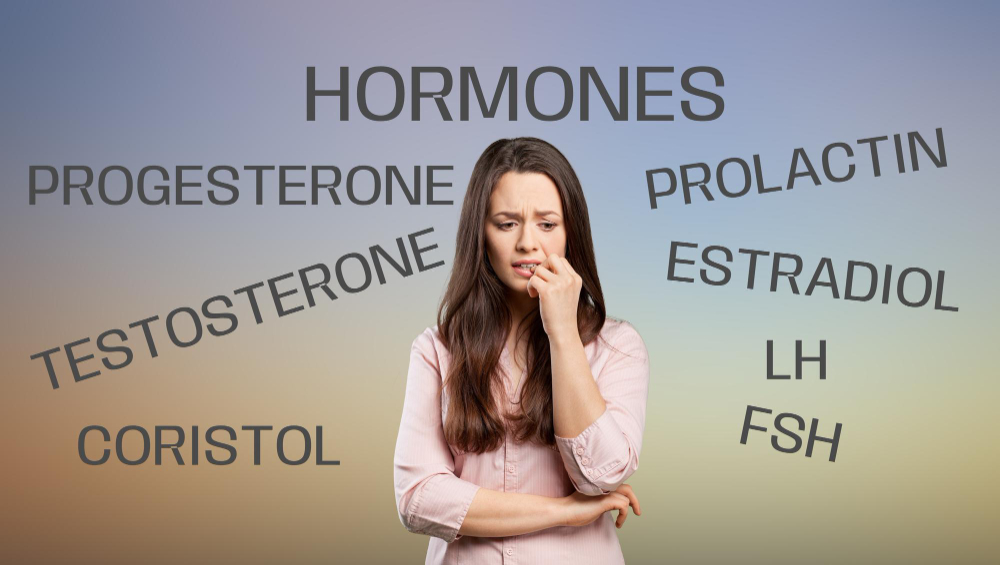
Night shifts make it hard to get deep sleep, especially in the early morning hours when testosterone levels are highest. Men and women can both have lower testosterone levels if they don’t get enough sleep or sleep at the wrong time.
Low testosterone can make men feel tired, lose muscle, and have a low mood. It can make women feel tired, moody, and have irregular periods.
Night shifts also mess with insulin (which controls blood sugar), melatonin (which helps you sleep), and cortisol (which is your stress hormone).
7. Increased Danger of Serious Illness
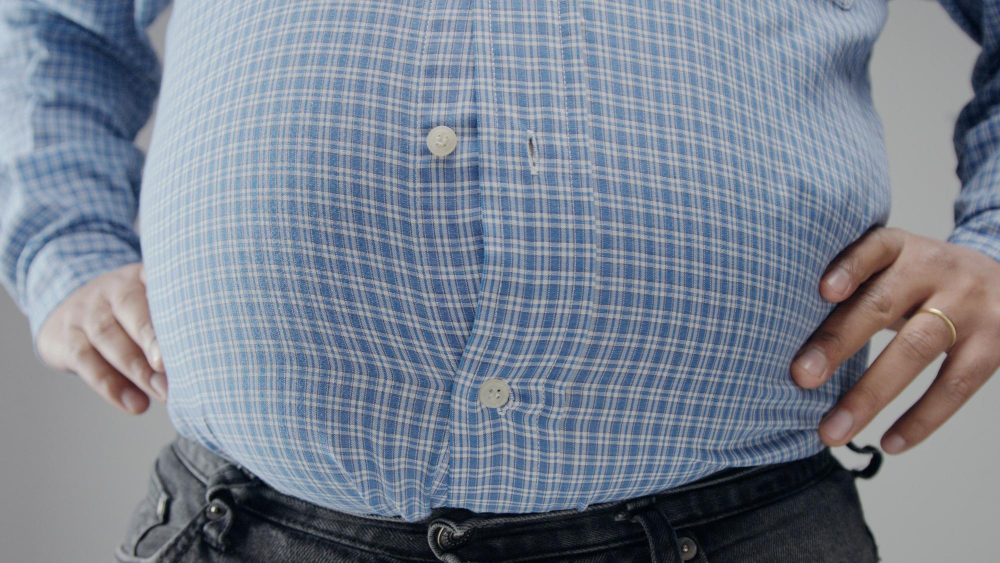
This is the point at which things become quite serious. A higher risk of type 2 diabetes, heart disease, obesity, and some types of cancer has been associated with years of working night shifts.
Your body’s internal 24 hour clock, or circadian rhythm, is the primary cause. Your metabolism slows, blood sugar remains elevated after meals, and your heart has to work harder when it is continuously disturbed. This effect builds up over time.
| Quick Byte: People who work night shifts are more likely to gain weight and develop diabetes.
|
8. Tense Social Life and Relationships

Birthdays, family dinners, school functions, and informal time with friends are all missed when you work while everyone else is sleeping. This type of persistent social separation can subtly result in loneliness, which is a known risk factor for both physical and mental health issues.
Hacks to Cope Up With Night Shifts
Although it’s not always possible to avoid working nights, these small actions can help:
- Even on days off, make an effort to maintain a regular sleep routine.
- To keep daylight out while you sleep, use blackout curtains.
- During your shift, eat lighter meals instead of heavier ones.
- Reduce your coffee intake a couple of hours before going to bed.
- To help reset your body clock, get some sunlight as soon as you get up.
- If you have persistent exhaustion, mood swings, or other symptoms, consult a physician.
FAQs
Does night shift age you faster?
Poor sleep, decreased melatonin and high cortisol levels can contribute to dullness, acne, pigmentation, and early signs of aging.
What is the healthiest shift to work?
Sleep patterns are best supported by late-morning to evening shifts (9 AM–5 PM or 11 AM–7 PM).
Can night shift mess with your menstrual cycle?
Not getting enough sleep or sleeping at odd times can disrupt your circadian rhythms, which regulate your menstrual cycle and reproductive hormones. Women who work at night or have irregular sleep patterns may have problems with their menstrual cycles because their melatonin and cortisol levels change.
Reference:
1. National Institutes of Health. Reducing the health risks of night shifts. NIH News in Health. 2022 Feb. Available from:https://newsinhealth.nih.gov/2022/02/
2. Wu QJ, Sun H, Wen ZY, et al. Shift work and health outcomes: an umbrella review of systematic reviews and meta-analyses of epidemiological studies. J Clin Sleep Med. 2022;18(2):653–662. Available from:https://pmc.ncbi.nlm.nih.gov/articles/PMC9210564/
3. UCLA Health. 5 long-term health effects of shift work. 2024 Jun 18. Available from:https://www.uclahealth.org/news/article/5-long-term-health-effects-shift-work
4. Hulsegge G, Proper KI, Loef B, Paagman H, Anema JR, van Mechelen W. The mediating role of lifestyle in the relationship between shift work, obesity and diabetes. Int Arch Occup Environ Health. 2021 Aug;94(6):1287-1295.Available from:https://pmc.ncbi.nlm.nih.gov/articles/PMC8292292/
(The article is written by Nancy Dixit, Subject Matter Expert, and reviewed by Monalisa Deka, Deputy Manager, Clinical Health & Content, Medical Affairs)
Recommended Reads:
The Science Of Rest: How Many Hours You Need For Quality Sleep?