
You may have noticed how challenging it has become to focus on something without any distractions. Whether it is switching between tasks or struggling to remember small details, mental fatigue has quietly become a part of everyday life. As a result, mental fatigue has become a part of daily life. Unlike countless quick fixes you may find on the internet, Japanese techniques take a different approach to fight this. By focusing on slowing down and training the mind to build awareness, Japanese techniques effectively help in improving mental clarity, focus, and memory. If you wish to have better mental clarity and a sharper brain, then Japanese techniques are the best option for you.
Best Japanese Techniques to Boost Brain Function
Zazen Meditation
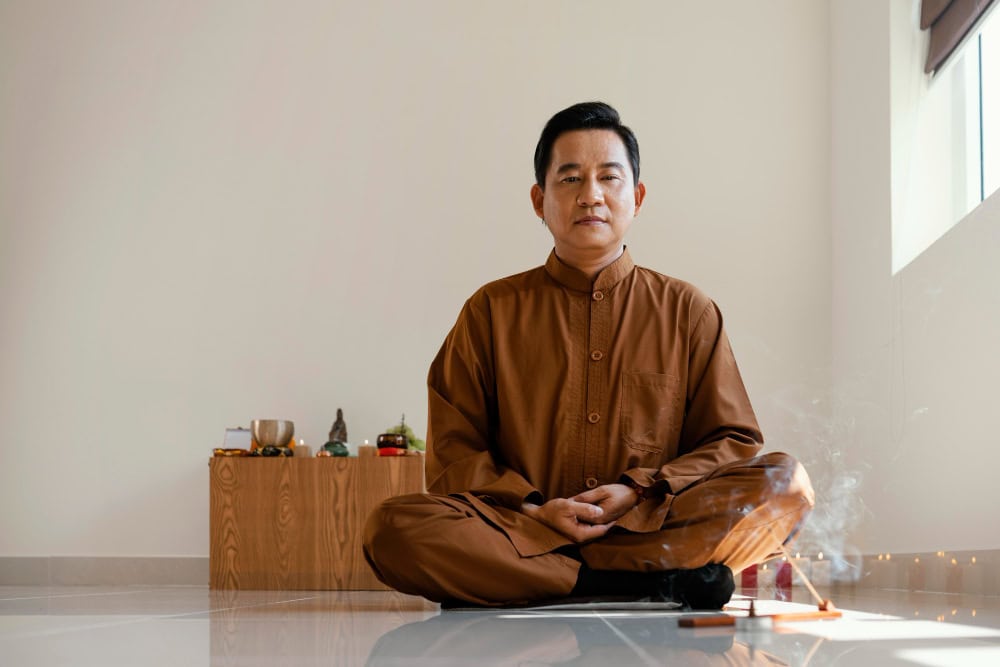
Seated meditation, or zazen, originates from the traditions of Zen Buddhism. Millions of people in Japan practice this technique, which entails letting go of distractions and concentrating on your breath. Meditation promotes attention control, lowers anxiety, and enhances control over emotions. To practice Zazen, find a peaceful spot, cross your legs on a cushion, sit upright, and hold your hands in a certain arching motion. Pay attention to your breathing while being separate from your thoughts. Regular Zazen practice helps your brain stay present, improves focus, and promotes memory recall. Even 10 minutes per day might help you think more clearly and relax your mind.
Kinhin
Walking meditation, or kinhin, is a Zen practice that is performed in between periods of sitting meditation. It requires walking clockwise at a steady, controlled speed, paying close attention to each step. The act of walking remains the primary focus, encouraging a conscious awareness of each step. Kinhin practice teaches practitioners how to blend attention into movement in order to achieve a continuous state of awareness. Including meditation in your routine encourages peace and relaxation while supporting a sense of presence despite life’s stresses, helping you to master your focus in a more efficient manner.
Rajio Taiso
Rajio Taiso, sometimes known as Radio Taiso by English speakers, is a brief morning workout program that has been regularly followed throughout Japan for decades. These mild, rhythmic motions increase blood flow to the brain while also activating both hemispheres through coordination. According to a 2025 study, mild physical exercise can improve memory and postpone cognitive decline by increasing oxygen availability to brain areas. Hence, practicing Radio Taiso for just ten minutes each morning can increase alertness and mental clarity.
Shodo
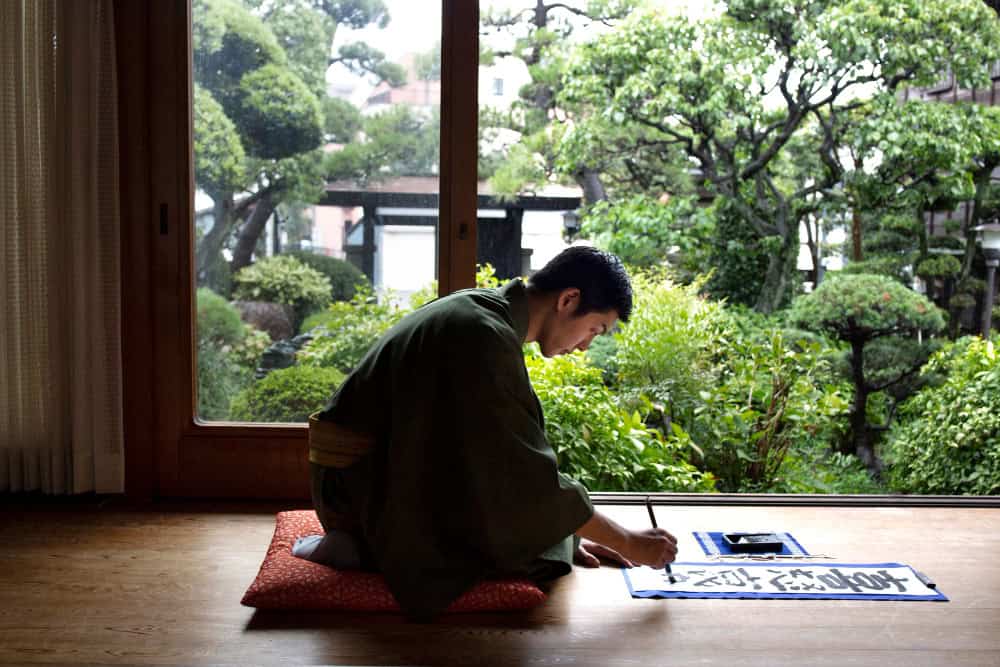
Japanese calligraphy, or shodo, is a meditative art that improves focus and hand-eye coordination. The systematic process of precisely crafting each character with a brush necessitates intense attention and a steady hand. Regular Shodo practice improves concentration and memory retention by stimulating the brain’s creative and analytical regions. It’s an amazing combination of creativity, awareness, and discipline that educates your mind to be both calm and sharp and efficient.
Mind Mapping
While not unique to the island country, mind mapping is widely utilized in Japanese educational institutions and workplaces to organize thoughts, plan tasks, and comprehend complicated concepts. Mind mapping is a visual method of organizing knowledge, generally by starting with a primary idea or subject and spreading out with related thoughts. Visually organizing information makes it simpler to discover connections and patterns, which aids memory recall. Mind maps take advantage of our visual memory. Creating a mental or physical layout that arranges information systematically gives your brain a visual picture that makes it simpler to recall.
Ikigai
Made popular around the world by the best-selling book of the same name, Ikigai is a Japanese concept that simply means “a reason for being.” Whether via employment, family, hobbies, or volunteer work, it is about discovering meaning in everyday life. It’s about finding the balance between what you enjoy, what you’re excellent at, what the world requires, and what you can be compensated for. Studies show that a strong sense of purpose helps reduce stress and may minimize the risk of cognitive decline as well as neurodegenerative disorders such as dementia. When you wake up with a reason for dealing with the world, your brain is more engaged and driven. Even little goals, such as cultivating a hobby to write or learning a new skill, can help improve mental sharpness.
Wabi-Sabi
Wabi-Sabi, as a Japanese philosophy, focuses on finding beauty in impermanence and imperfection. This unique mindset helps us understand the transient nature of life, love, and things in general. Wabi-Sabi can help you understand that nothing in life is permanent, which can help you let go of the need to control everything in life. This way of thinking can help you let go of negative thoughts, clutter, and stress that result from the fear of change or loss. Wabi-Sabi can help you let go of the stress of being perfect, which can help you lower the pressure in your brain, making you less prone to brain fatigue and confusion, thus making you sharper in focusing on the important things in life.
Shinrin-yoku (Forest Bathing)
Forest bathing is the Japanese practice of immersing yourself in nature to wash away mental fatigue. Unlike a hike or a power walk, this is about simply being present and engaging all five senses with the natural world. By stepping away from digital screens and breathing in the natural oils released by trees, you allow your brain to rest and recover from the constant drain of modern life. This mental reset lowers stress hormones and reduces the exhaustion caused by urban noise. It leads to a natural surge in creativity and a much sharper ability to focus once you return to your daily tasks.
Wrapping Up
Adopting Japanese techniques is not just a way to get a quick mental boost; rather, it is a way to create a sustainable lifestyle that promotes a balance between relaxation and discipline. By incorporating Japanese techniques into your daily life, you are creating a natural environment that enables your brain to perform optimally despite the challenges you may face in your life. Therefore, a sharp brain that is always focused is a result of mindful decisions that you take to protect your mental health in the long term.
(The article is written by Ehsan Siddiqui, Team Lead and reviewed by Monalisa Deka, Deputy Manager, Clinical Health & Content, Medical Affairs)
Recommended Read:
Always in a Rush? Here’s What This ‘Hurry Sickness’ Is Doing to You
Exam Stress? Tips to Help Students Handle It Like a Pro