
Consider your regular meals – pickles on the side, packaged snacks, salted sabzi, and perhaps a couple of soft drinks. It all seems typical. But, over time, these minor decisions may cause your kidneys to become more stressed. The kidneys filter waste, maintain fluid balance, and promote general health while operating quietly in the background. However, some foods can exacerbate conditions when the body is already under stress or malfunctioning. Understanding which foods to avoid with kidney disease is crucial, not only for those diagnosed with kidney problems but also for those seeking to safeguard their long-term health.
Why Nutrition Is Important for Kidney Health
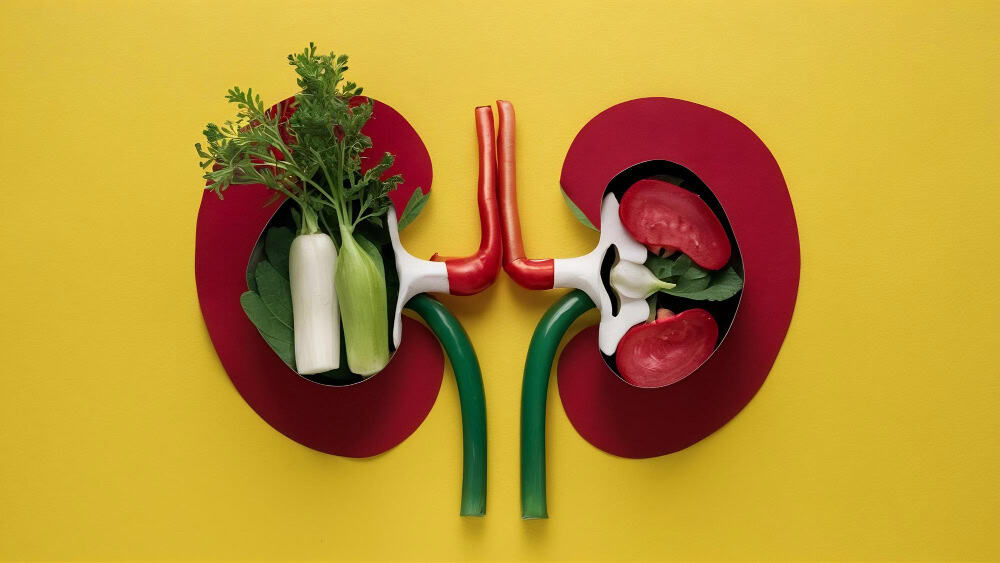
The kidneys may find it difficult to eliminate waste and toxins from the body when they are not functioning properly. This may result in the accumulation of waste materials, which in turn creates a fluid imbalance and a greater amount of physical strain. Certain nutrients, such as phosphorus, potassium, and sodium, should be limited [1], particularly if you have kidney-related disorders.
Six Foods to Avoid When Having Kidney Disease

You don’t need to change everything about your diet. But being aware of these foods to avoid with kidney disease can help you make better choices every day. Hence, to reduce extra strain on your kidneys, avoid:
Excess Salt in Foods
Salt added during cooking or at the table can quickly increase your daily sodium intake. In many Indian meals, this includes pickles (achar), papad, chutneys, and extra salt sprinkled on salads or fruits.
Too much salt can disturb fluid balance and put extra pressure on the kidneys over time. Cutting back on added salt and using herbs or spices for flavour can make a noticeable difference.
Foods High in Potassium
Potassium is an essential mineral that supports muscle and nerve function. However, when kidney function declines, potassium levels can rise in the bloodstream. High potassium levels can affect heart rhythm and become dangerous if not controlled [2]. Some potassium-rich foods that may need to be limited include bananas, tomatoes, potatoes, oranges, and coconut water. It’s important to note that potassium needs vary depending on the stage of kidney disease. So, dietary advice should always be personalised.
Phosphorus-Rich Foods
Another mineral that the kidneys normally regulate is phosphorus. When phosphorus levels get too high, it can lead to bone and heart problems over time. Foods that contain high amounts of phosphorus are processed cheese, cola drinks, packaged baked goods, fast foods, and processed meats. Many processed foods also contain phosphate additives, like cold drinks, canned or instant soups, and so on. These are easily absorbed by the body, which increases the phosphorus levels quickly.
Excess Red Meat and High-Protein Diets
Protein is essential for the body, but very high protein intake can increase the workload on your kidneys. When protein is broken down during digestion, waste products such as urea are produced. The kidneys are responsible for filtering waste products from the bloodstream. For those dealing with kidney disease, a heavy protein intake, particularly from red meat, can exacerbate existing kidney issues. It’s not about cutting out protein entirely. Instead, it might mean being more mindful of how much you eat and what you opt for (a better protein choice).
Sugary Beverages and Ultra-Processed Drinks
Soft drinks, packaged juices, and energy drinks are all considered sugary beverages. These can contribute to weight gain, diabetes, and high blood pressure—all factors that risk your kidney health [3]. In addition, many cola beverages contain phosphorus additives that may further burden kidney function. Replacing sugary beverages with water, unsweetened beverages, or fresh fruit-infused water can be a healthier option.
Ultra-Processed and Packaged Foods
Many packaged and ready-to-eat foods contain “hidden sodium” along with preservatives and additives. Even if they don’t taste very salty, they can still add a significant amount of sodium to your diet. Common examples include:
- Instant noodles and soups
- Chips and namkeen
- Processed meats like sausages
- Packaged sauces and dressings
Checking labels and choosing low-sodium options can help you stay more mindful of your intake.
Early Signs of Kidney Problems
 Kidney diseases are known as “silent conditions” because symptoms may not appear early. However, some warning signs may include:
– Getting tired very easily and recurrently
– Swelling showing up on legs or ankles
– Changes in the urination patterns
– Poor appetite
– Difficulty concentrating
If these symptoms occur, do what your healthcare professional recommends.
Simple tests, such as blood creatinine levels or urine tests, can help you check your kidney function.
Book Now!
When Should You Be More Careful?
If you have diabetes, high blood pressure, or a family history of kidney problems, you should be vigilant about your health. Routine health screenings are a good way to catch potential problems before they become serious.
What Can You Eat Instead?
 Rather than dwelling solely on what to avoid, consider healthier alternatives, like:
– Preparing meals at home, from scratch
– Consuming seasonal vegetables and whole grains, in reasonable amounts
– Hydrating yourself sufficiently (as recommended by a physician)
A quick tip: Simple home-cooked meals tend to be gentler on the kidneys.
Everyday Habits That Support Kidney Health
Small lifestyle changes like:
– Avoiding excessive salt
– Drinking an adequate amount of water
– Managing blood sugar or blood pressure
– Limiting processed foods
These habits support not just kidney health but overall health.
FAQs
Q1. What are the worst foods to avoid with kidney disease?
When eaten frequently, packaged, processed, and high-salt foods are the most harmful foods for kidney health.
Q2. Is drinking more water beneficial for kidney health?
Yes, indeed, staying hydrated can improve kidney function, but consumption should be tailored to each person’s needs.
Q3. Is rice safe for renal disease sufferers?
In moderation, one can include plain rice in their diet, particularly when it’s part of a well-balanced meal.
Q4. Do fruits harm people with renal disease?
Not every fruit is dangerous. Depending on potassium levels, some may require portion management. Fruits high in potassium, like bananas, mangoes, or oranges, may need to be limited.
Q5. Can renal health be improved by food alone?
While diet is important, optimal treatment also requires some medical advice with some other lifestyle changes.
Q6. What drinks should be avoided in kidney disease?
Natural and fresh drinks in general are okay, but packaged juices, soft drinks (especially cola), and sugary drinks should be limited. These drinks contain sugar in excess amounts and may also have phosphorus additives.
Q7. What is the best cooking method for kidney-friendly meals?
Simple methods of cooking, like steaming, boiling, and using less oil or salt, are generally better choices.
Q8. Five foods that are good for kidney repair?
No food can directly repair kidneys, but some can support kidney health. Options include apples, cabbage, cauliflower, garlic, and egg whites. All these are generally low in potassium or easier on the kidneys. Always follow portion control and medical advice, as needs can vary depending on your condition.
References
1. Eating Right with Kidney Failure. National Institute of Diabetes and Digestive and Kidney Diseases. https://www.niddk.nih.gov/health-information/kidney-disease/kidney-failure/eating-right. Published October 7, 2025.
2. AHA – Hyperkalaemia (High Potassium).
https://www.heart.org/en/health-topics/heart-failure/treatment-options-for-heart-failure/hyperkalemia-high-potassium.
3. Risk factors for chronic kidney disease. Chronic Kidney Disease. https://www.cdc.gov/kidney-disease/risk-factors/index.html. Published May 15, 2024.
(The article is written by Sneha Jajoo, Intern, Clinical Health & Content, and is reviewed by Dr.Subita Alagh, Assistant Team Lead, Disease Content.)