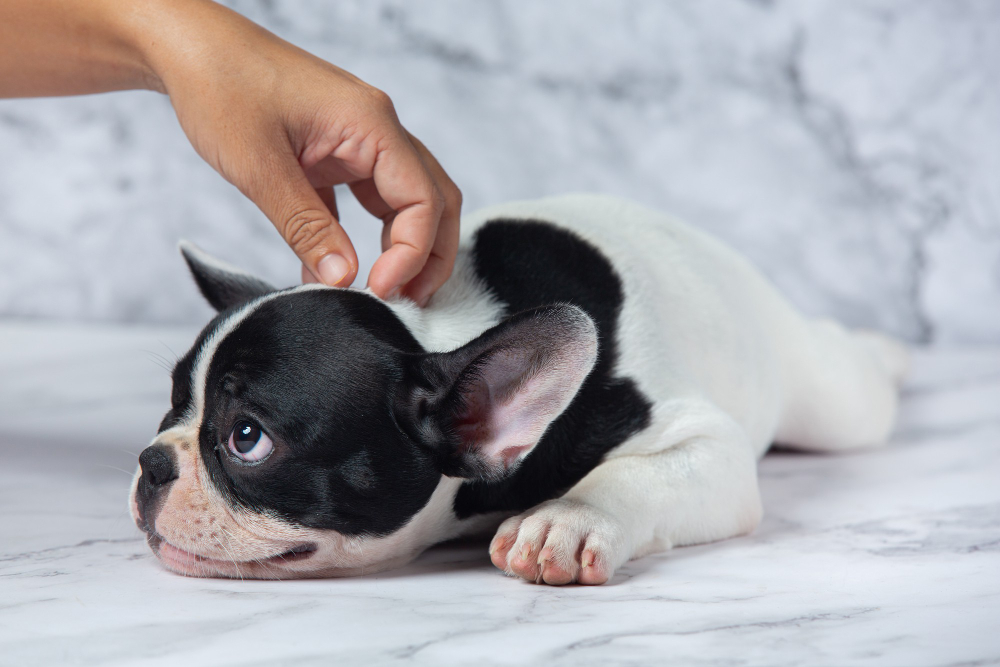
Every pet parent out there would agree that it feels absolutely heartbreaking and helpless seeing our furry friends scratching and biting themselves. And we often do not know the reason behind it. It often starts as a slight itch, and before you know it, your pet is restlessly scratching, rubbing their face on the carpet, and biting their paws, sometimes even injuring themselves in the process. While the causes aren’t always clear, skin issues, itching, and allergies are among the common problems pet parents have to deal with. Is there something in the food, are fleas bugging them, or is it the changing weather? Understanding what’s behind it is the first step to helping your pet feel calm, comfortable, and itch-free again.
Why is Itching So Common in Dogs?

While all animals can experience irritation, dogs are often the most visible sufferers of skin issues. This is largely due to their active lifestyle and unique biology. Dogs spend more time outdoors, making them primary targets for environmental allergens like pollen, grass, and pesticides. Furthermore, their skin is thinner than ours and has a different pH balance, which makes them more susceptible to yeast infections and parasitic bites. Their tendency to “explore with their paws” also means they frequently track irritants back into their bedding, leading to persistent discomfort.
What About Our Feline Friends?

While dogs are very obvious when they have an itch, cats handle skin irritation quite differently. A cat dealing with skin irritation might not scratch visibly. Instead, they tend to overgroom. If you notice your cat constantly licking their belly or legs, leaving behind bald patches, or coughing up more hairballs than usual, an underlying itch is often to blame. Cats can also develop tiny scabs under their fur, particularly around the neck and base of the tail, frequently triggered by flea bites or environmental allergens. Since cats hide discomfort so well, paying close attention to any sudden changes in their daily grooming habits is key.
Discover grooming essentials for better summer care. Click here
Why Your Pet Might Be Itching?
Fleas
If your pet is not protected against fleas year-round with a high-quality parasite prevention medication, fleas may be causing their itch. Fleas can cause itching in pets. Some pets have a flea allergy, making them more vulnerable. A dog with a flea allergy might become irritated with a few flea bites, even if the pet and its surroundings are pest-free. Fleas are a common source of irritation and may be easily identified. The itch is usually focused above the tail, but it can occur elsewhere on the body.
Atopy
Atopic dermatitis is an allergic response caused by airborne pollen or particles from grass, trees, dust, cleaning agents, or mold. Severe itching is a common symptom of atopy. Atopic dogs frequently chew their paws and get ear infections, whereas cats scratch around their faces and necks. There are several treatment options available for atopic dogs and cats. Other causes of itching must be excluded before atopy can be diagnosed.
Insect Bites or Stings
Stings and insect bites are another common reason behind household pets often scratching themselves aggressively. These things are more common in summer. If your pet is scratching and chewing on a specific region of their body during the summer, they may have been bitten or stung by something. Check the area for insects and remove them if you discover any. Use a cold flannel or an ice pack wrapped in a towel to help calm the bite. Inquire with your veterinarian about antihistamines or other therapies.
Contact Allergy
It is not uncommon for pets, especially dogs, to be allergic to substances in common items they encounter daily. These can include things like household cleaners, shampoos, insecticides, and plants. Unlike other allergies, these triggers cause a localized reaction; pets with contact allergies will often be intensely itchy and develop red, inflamed skin in the specific areas that touch the allergen, most commonly their paws, belly, or chest.
Food Allergies
While environmental triggers are common, what goes into your pet’s bowl can be just as impactful. Food allergies, or adverse food reactions, occur when a pet’s immune system overreacts to a specific protein source like chicken, beef, or dairy, and occasionally certain grains. Unlike seasonal allergies, food-related itching persists year-round and is often accompanied by chronic ear infections or gastrointestinal issues like gas and loose stools. If you notice your pet “scooting” or obsessively licking their paws regardless of the weather, a vet-supervised elimination diet might be necessary to identify the dietary culprit.
Make summer care simpler with the right pet essentials. Click here
What To Do If Your Pet Is Itching?
Managing your pet’s skin allergies and infections involves a combination of knowledge and effective remedies. The best strategy to cure itchy skin in pets is to determine what is causing them to scratch in the first place. For example, if it is caused by their shampoo or fur care products, replacing them may be the solution. Shampoos containing aloe vera and apple cider vinegar, which are free of sulfates and parabens, may soothe and repair inflamed skin while fighting germs and fungus. Incorporating oatmeal baths into your pet’sregimen can also help with itching and irritation. Furthermore, using coconut oil helps moisturize dry, irritated skin and gives antimicrobial properties.
But remember, not all cases of itching in pets can be taken care of at home. If symptoms persist or recur, or there is any manifestation such as redness, smell, or hair loss, then consult your a veterinarian. Some treatments might include medicated shampoos, adjusting their diet, and managing allergies.
(The article is written by Ehsan Siddiqui, Team Lead and reviewed by Monalisa Deka, Deputy Manager, Clinical Health & Content, Medical Affairs)