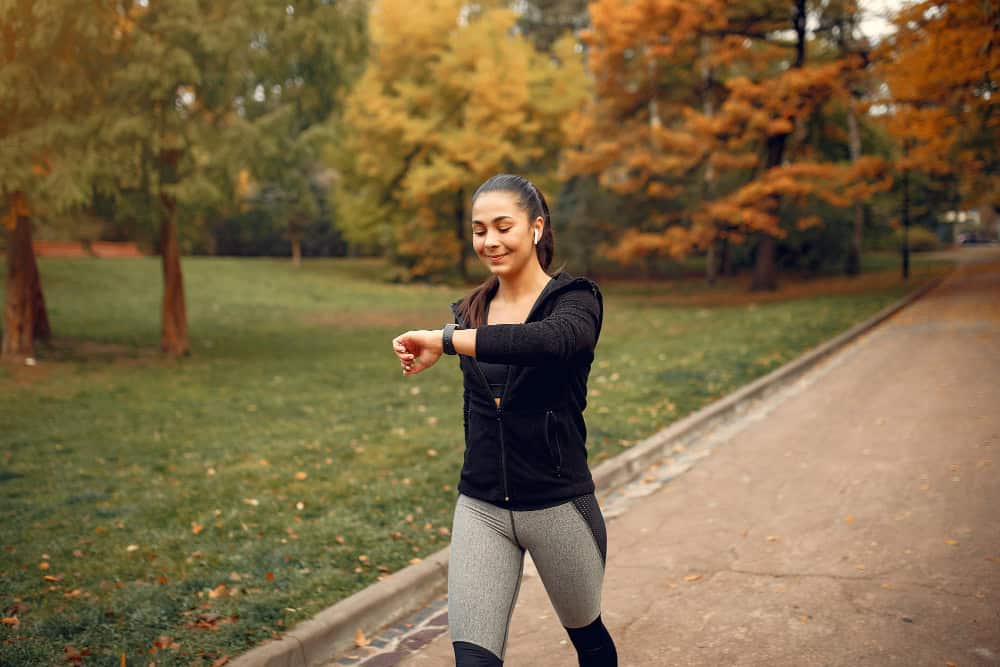
Trying to lose weight but tired of workouts that feel too hard to stick with? Walking is one of the easiest ways to lose weight. But here’s what most people don’t know – how you walk may matter more than how long you walk. A simple shift between slow and fast walking could help your body burn more fat without running.
Many of us begin intense workout plans, feel exhausted within a few weeks only, and end up quitting. The real challenge is not starting – it’s finding something that is effective and sustainable.
That’s where interval walking plays a significant role. It turns simple walking into an efficient fat-burning workout – without the strain of running or high-intensity training sessions in the gym. Let’s decode how it works and figure out if it’s better than regular slow walking.
Let’s begin with,
How Does Weight Loss Actually Happen?
Weight loss is simple in theory:
- You need to burn more calories than you consume.
- Exercise or sports helps increase calorie burn.
- Consistency is more important than intensity.
Although slow walking and interval walking both are beneficial, the only difference is how your body responds.
What Is Slow-Continuous Walking?

Slow-continuous walking is steady walking at the same speed throughout the way. You can walk for a longer period of time, talk comfortably and breathe normally.
Here are a few benefits:
- Very easy and gentle on joints or knees
- Have a low risk of injury
- Easy to do every day, helps maintain consistency
- Very good for beginners and older adults, especially with joint problems
- Improves heart health gradually
However, the slow-continuous walking calorie burn per minute is a bit lower as compared to interval walking.
What Is Interval Walking?

Alternating between fast walking and slower recovery walking is known as interval walking. Unlike regular walking at the same pace, this walking style helps the body keep burning extra calories even after you finish your walk. Instead of walking at one pace, you change speed in cycles.
Example session:
- Warm-up for 5 minutes: Easy walking prepares the muscles and cardiovascular system.
- High-intensity phase: 1 to 3 min fast or vigorous walk (breathing heavier)
- Recovery phase: 2 to 3 min slow walk, at conversational pace, allowing your heart rate to drop without stopping.
- Repeat for 20–30 minutes.
- Cool-down for 5 minutes: Easy walking, heart rate returns to normal.
It’s like giving your body short challenges, then letting it recover.
Safety Tip – For Beginners and Obese People
Start with very short fast walks, around 30 seconds, followed by longer slow recovery walks around 2 to 3 minutes. During the faster parts, you should feel challenged but still be able to say a short sentence (also known as the talk test). If talking feels difficult and you’re gasping, slow down, because the goal is effort, not exhaustion.
Benefits of Interval Walking for Weight Loss
When you walk fast in intervals:
- Your heart rate increases
- Your muscles need more oxygen.
- Your body works harder.
This creates something often called an ‘afterburn effect’. Your body continues to burn extra calories even after you finish walking. In scientific terms, it is known as EPOC (excess post-exercise oxygen consumption).
Research shows interval walking can increase calorie burn 9–15% more than steady walking and improves the body’s fat-burning efficiency over time.
At a cellular level, it even helps build more mitochondria, the tiny “energy factories” in your cells, improving your metabolism.
Calories: Which Burns More?
| Type | Intensity | Calorie burn | Fat loss effect |
|---|---|---|---|
| Slow walking | Low–moderate | Steady but lower | Good over long time |
| Interval walking | Moderate–high bursts | Higher per minute | May improve fat loss faster |
A 30-minute interval walking session can burn between 300 and 400 calories, plus an additional burn after the workout. But always keep in mind – regular slow walking can beat interval walking done once a week.
Who Should Choose What?
Choose slow walking if you:
- Are new to exercise
- Have knee or joint pain
- Are overweight and starting fresh
- Prefer relaxed, longer walks
Choose interval walking if you:
- Already walk comfortably
- Want faster results
- Have limited time
- Want to improve stamina
Best Interval Walking Protocols
Beginner Plan (1:2 ratio)
- 30 sec fast
- 60–90 sec slow
- Repeat 10–15 times
Japanese 3×3 Model (researched)
- 3 min fast
- 3 min moderate
- Repeat 5 times (30 minutes)
Weekly Goal
- 2 to 4 sessions per week is enough to see results.
Proper Technique Matters
To avoid injury and burn more calories:
- Stand upright
- Relax shoulders
- Engage your core
- Swing arms naturally
- Land heel-to-toe
Before You Start: A Quick Safety Check Matters

Interval walking is generally safe. Speak with a doctor before starting if you have a history of:
- Heart disease
- Diabetes
- Severe obesity
- If you’ve been inactive for a long time
Power Wrap
Interval walking proves you don’t need to do intense or extreme workouts to lose weight. You just have to have a skill of smart pacing and consistency. By switching between faster and slower walking, you boost calorie burn and improve heart health as well. Interval walking is simple, joint-friendly, and effective. It’s a routine your body can actually sustain.
FAQs
Q: Is interval walking effective?
A: Yes, interval walking can definitely help in weight loss and fitness. By switching between fast and slow walking, it puts more strain on your heart and muscles than steady walking. This helps you burn more calories and increase stamina over time.
What is the Japanese interval walking method?
A: The Japanese interval walking technique was first developed by researchers in Japan. It involves 3 mins of fast walking followed by 3 minutes of slow walking to recover. Repeat this cycle for about 30 minutes; it is usually done 4 to 5 times per week.
Q: Is interval walking on a treadmill possible?
A: Yes, indeed. You can do interval walking on a treadmill by increasing the speed or adding an incline for the fast phase, then relaxing down for recovery. It’s a fantastic indoor choice, especially during bad weather or when you prefer a managed environment.
Q: Is interval walking better than walking?
A: Interval walking forces your body to work hard and burn more fat, while slow, continuous walking pushes your body to work harder but in short bursts. However, the better choice is the one that you can do consistently and safely. Consistency matters more than intensity.
Q: What is the Japanese technique of walking for weight loss?
A: The Japanese technique refers to the same interval walking approach – switching 3 minutes of fast walking with 3 minutes of slower walking. This technique is designed to improve heart health, endurance, and calorie burn, which can eventually support healthy weight loss when done consistently.
Q: Will joining a walking group help me?
A: Yes, walking with a group can make a big difference. It keeps you motivated, adds a social element, and helps you stay consistent because others are counting on you. Plus, it makes exercise feel more enjoyable and less like a chore.
Q: Are walk or run intervals suitable for everyone?
A: Most healthy adults can try walk or run intervals safely, especially if they warm up properly. However, if you have knee, hip, or other joint problems, it’s best to check with your doctor before starting.
(The article is written by Nancy Dixit, Subject Matter Expert, and reviewed by Monalisa Deka, Deputy Manager, Clinical Health & Content, Medical Affairs)