
Are you waking up with a sore back? Do you experience tight shoulders after spending many hours at a computer? Many people experience the same issues.
Stiff muscles and less flexibility often come from sitting too much, spending long hours on electronic devices, feeling stressed, and not moving enough. Over time, staying inactive or holding the same position for too long can lead to discomfort, poor posture, and ongoing pain. Sometimes leads to chronic lifestyle illnesses.
Fortunately, yoga can be a natural method for relieving muscle tightness, enabling greater freedom of movement in the body, and improving overall flexibility.
Let’s take a look at how yoga can help you and what yoga poses you should do daily to improve your flexibility.
How to Address Muscle Stiffness?
Some of the general causes of muscle stiffness include:
- Prolonged periods of sitting or being inactive.
- Stress and tension in the muscles.
- Not regularly stretching your muscles.
- Aging causes a reduction in the elasticity of the collagen in your body.
- Poor posture.
If a muscle isn’t regularly moved through its full range of motion, it will shorten and tighten. Yoga gently stretches and strengthens your muscles and returns balance to your body.
1. Cat/Cow Pose: To Warm Up Your Spine and Improve Flexibility

The cat/cow pose is a gentle, flowing movement that warms up your spine and improves the flexibility of your spine.
- Start on all fours.
- Inhale and arch your back like a cow.
- Exhale and round your back like a cat.
- Repeat for 8-10 breaths.
Benefits of Performing Cat/Cow Pose:
- Increased movement in your spine.
- Decreased tension in your back.
- Improved posture.
2. Downward Facing Dog (Adho Mukha Svanasana)

The downward-facing dog pose is useful for stiffness in the hamstrings, calves, and shoulders. It is a classic yoga position that helps stretch the entire back of your body.
Benefits of Performing Downward-Facing Dog Pose:
- Assists with lengthening your hamstrings
- Opens the shoulders
- Assists with leg stiffness
- Improves blood flow to your lower body.
Tip: Hold for 30 to 60 seconds while breathing deeply.
3. Standing Forward Fold (Uttanasana)

Great for tight hamstrings and a stiff lower back. This position gives a nice deep stretch to the hamstrings and releases tension in the lower back.
Tip: If you cannot touch the floor, then slightly bend your knees.
Benefits of Performing Downward-Facing Dog Pose:
- Relieves tension in the spine
- Increases flexibility
- Calms the mind
4. Butterfly Pose (Baddha Konasana)
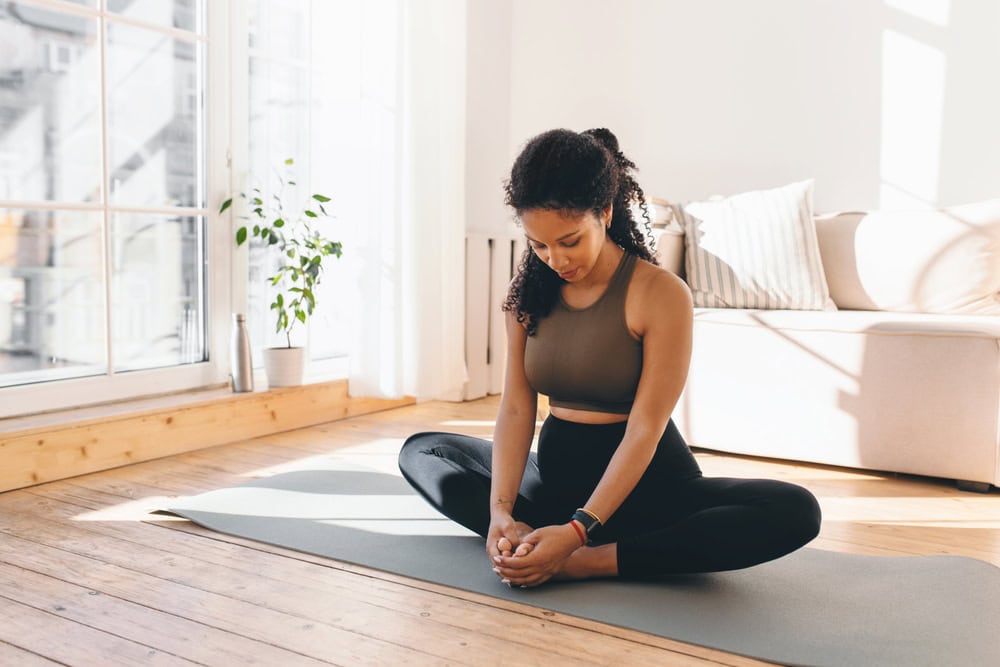
The hip flexors tend to tighten when we sit for long periods; this position helps relieve the tightness in the hips.
Benefits of Performing Butterfly Pose:
- Helps with improving flexibility in the hips
- Assists in decreasing total body tightness
- Improves blood flow to the lower body.
Tip: Hold for 1 to 2 minutes while breathing slowly to reduce stiffness.
5. Child’s Pose (Balasana)
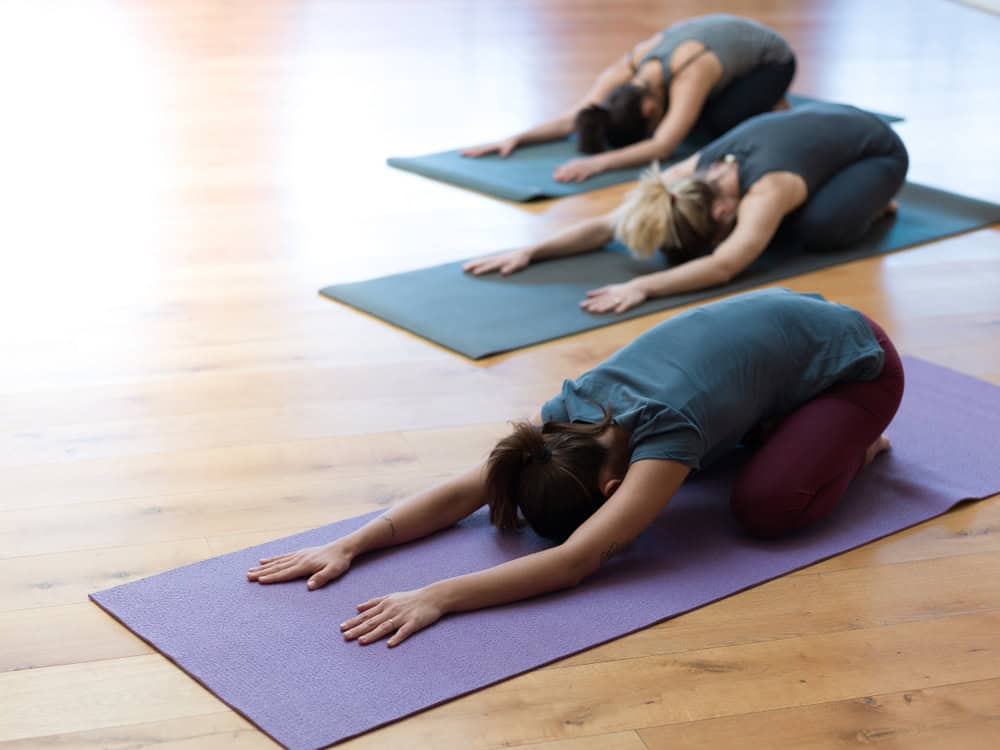
This is a very relaxing pose that will release tension in the back and the hips.
Benefits of Performing Child’s Pose:
- Relieves muscle fatigue
- Decreases tension due to stress
- Increases flexibility in the spine.
Tip: Great to do after a hard day of work.
6. Cobra Pose (Bhujangasana)

The Cobra pose is a gentle backbend that can counteract the effects of sitting slouched at your desk throughout the day. It will also improve your spinal flexibility.
Benefits of Performing Cobra Pose :
- Opens the chest
- Strengthens the lower back
- Decreases stiffness caused by being sedentary.
Tip: Be sure not to overextend by lifting only your body as far as it feels comfortable.
7. Seated Spinal Twist (Ardha Matsyendrasana)
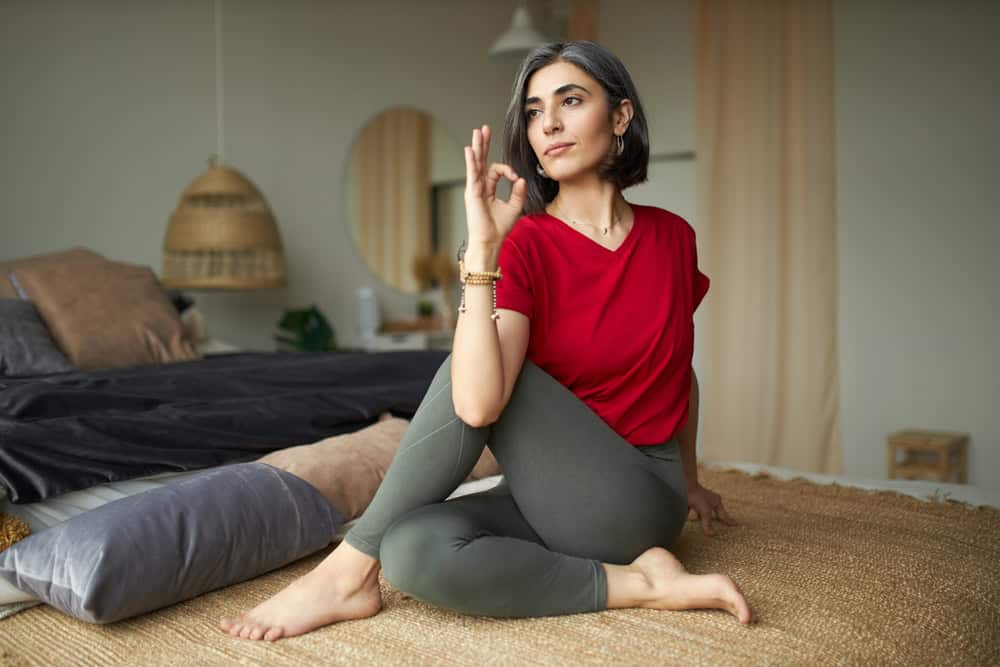
The act of twisting aids in relieving tensions of the spine and increasing mobility of the spinal column.
Benefits of Performing Seated Spinal Twist :
- Increase spinal flexibility
- Decrease the stiffness of the back, especially mid back.
- Improve posture
- Boosts digestion
8. Bridge Pose (Setu Bandhasana)
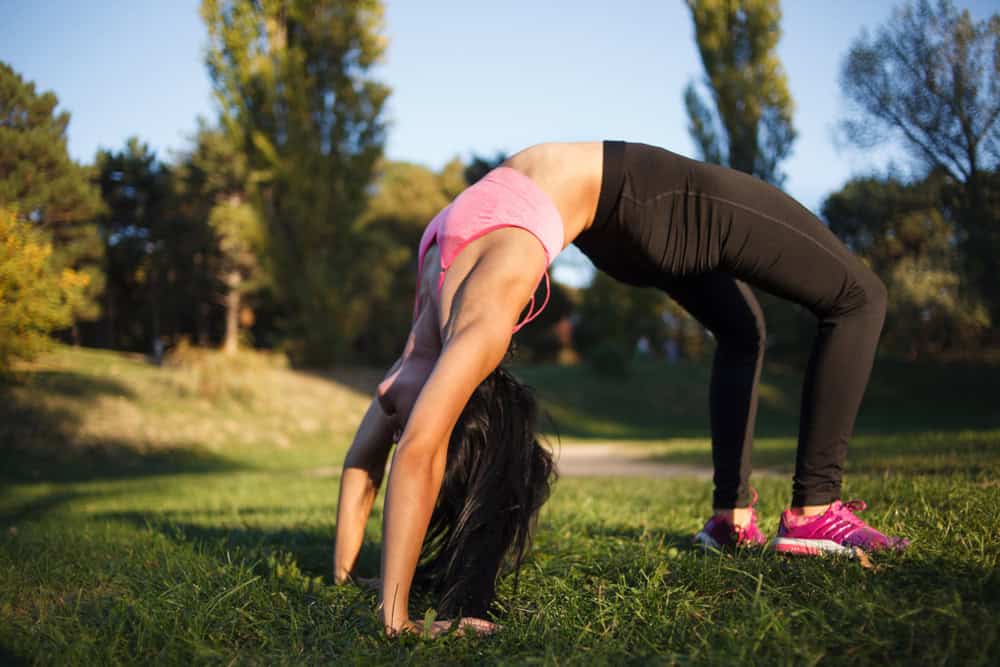
This pose is both strengthening and stretching. Mostly beneficial for hip flexors & the spinal column
Benefits of performing the Bridge Pose :
- Improves the flexibility of the hip
- Strengthens the lower back
- Increases mobility
Tip: Hold for 20-30 seconds and do 3 repetitions of the pose to improve flexibility.
How Often Can You Expect Results From Practicing These Poses?
The following guidelines will help you achieve the best results:
- Practice these poses for 15-20 minutes each day.
- Hold each pose for 30-60 seconds.
- Focus on deep breathing while doing the poses.
- Be consistent in your practice for 4-6 weeks.
- Expect to see gradual results while improving your flexibility. Be careful not to force your body during these movements.
Tips for Safely Increasing Flexibility
- Warm up your body before performing more advanced stretches.
- Do not bounce while stretching.
- Breathe deeply and consistently through every stretch.
- Keep yourself hydrated.
- Consider combining your yoga practice with walking at a moderate pace.
Remember, flexibility is not defined by how far you can reach, but rather the ability to move freely and with comfort.
In Summary
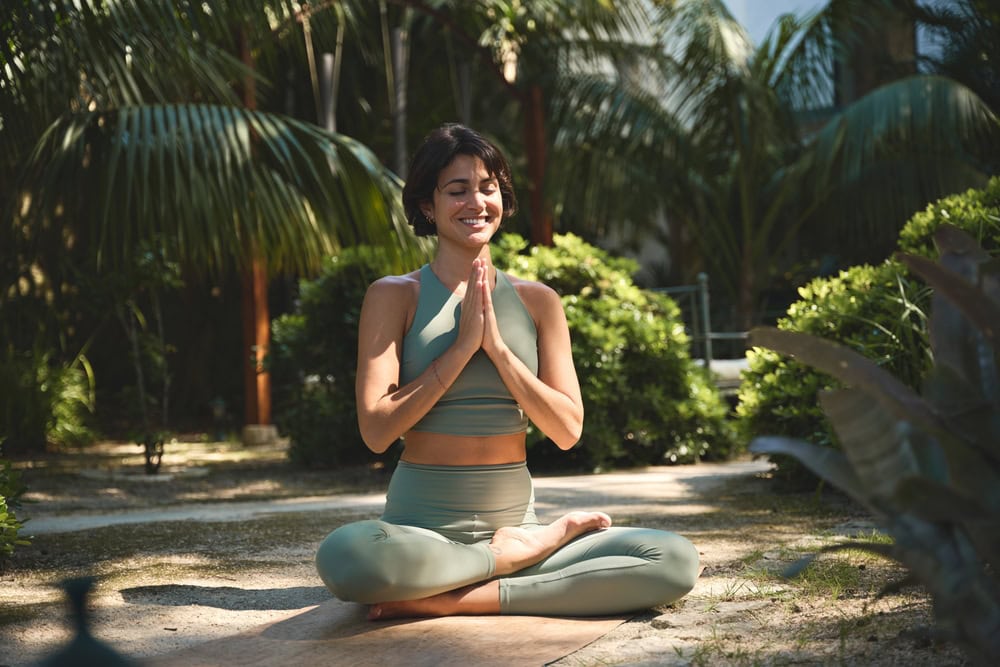
Yoga offers a gentle and complete approach to help you regain flexibility and move more easily.
When practicing these techniques consistently, you will see:
- Less tightness in muscles
- Better overall postural alignment
- More stability
- Greater ease when performing daily activities.
Begin with short practices, stay consistent, and let your body easily adapt.
FAQs
- How long does one need to practice yoga before they see changes in their flexibility?
For many people, they will begin to see changes in their flexibility from 4-6 weeks of regular practice.
- Can beginners do these yoga stretches/poses?
Yes, these stretches/poses were all designed for the beginner, and you can adapt them to fit your level.
- Between gym stretching and yoga, which is the more effective way to improve one’s flexibility?
Yoga combines stretching, strength training, and breath control all together, making it the best option for long-term flexibility improvements.
- Should you practice yoga every day to keep your muscles limber and prevent stiffness?
Yes! By regularly performing gentle movements through yoga, you will get better results and keep your muscles from tightening up.
- Can practicing yoga help to relieve age-related stiffness?
Definitely! Doing regular yoga will help you maintain your joints’ ability to move freely as well as keep your muscles flexible throughout your life.
- When is the best time to perform market yoga to improve flexibility?
By doing market yoga in the morning, you will be able to increase your range of motions, whereas doing it in the evening will help to decrease the accumulated stress that you would have built up over the course of the day.
- Is mild muscle soreness a normal occurrence when you first begin doing yoga?
Yes! Mild muscle soreness is typical for individuals beginning to do yoga; however, sharp pain should be avoided, and you should discontinue activity or practice if you ever feel pain.
- Can you improve your posture and flexibility by doing yoga?
Absolutely! You can improve your posture while simultaneously increasing your flexibility by enhancing the strength of your postural muscles and also improving your overall range of motion.
Recommended Read
Waking Up Early Can Help You Rise and Shine—Here’s How!
It’s Not Just You, It’s The Weather: Winter Blues Are Real And Here’s How To Fight It
(The article is written by Deepa Sarkar, Medical Writer, and reviewed by Monalisa Deka, Deputy Manager, Clinical Health & Content, Medical Affairs)