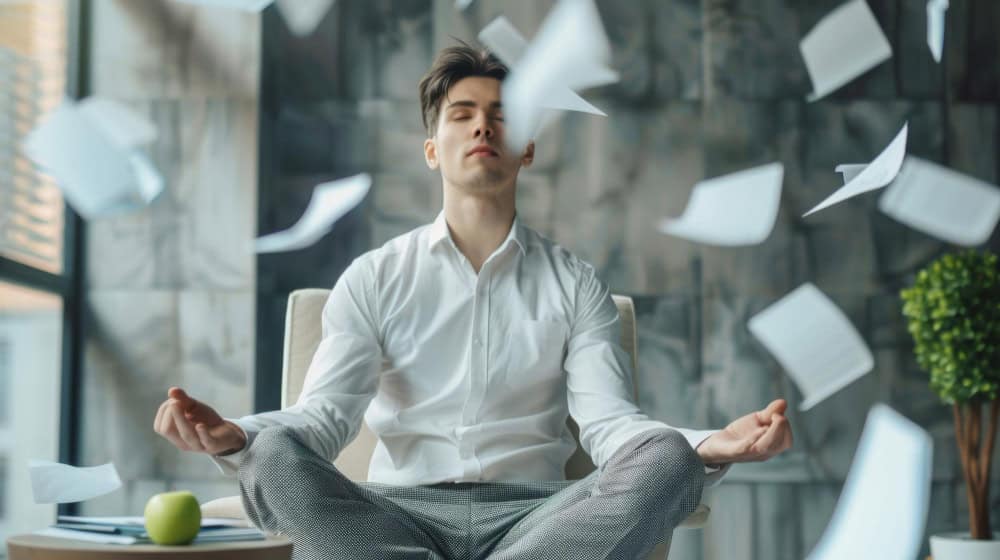
Ever felt a sudden wave of calm take over your body? Many don’t know, but it’s actually a function of your vagus nerve. Working like a built-in power switch, the vagus nerve is a critical component of the nervous system that plays an important role in managing stress. Connecting your brain to vital organs like the heart, lungs, and gut, the vagus is one of the longest nerves in the human body. It regulates essential functions like heart rate, respiration, and even digestion When functioning properly, the vagus nerve can be helpful in relaxing your body and reducing the physical symptoms of stress, like shortness of breath. However, an underactive or overloaded vagus means stress taking over you and affecting things like your mood, sleep cycle, etc. But worry not, as there are ways to reclaim your senses and reset your vagus nerve, and in this article, we’re going to take a look at them.
What is the Vagus Nerve?
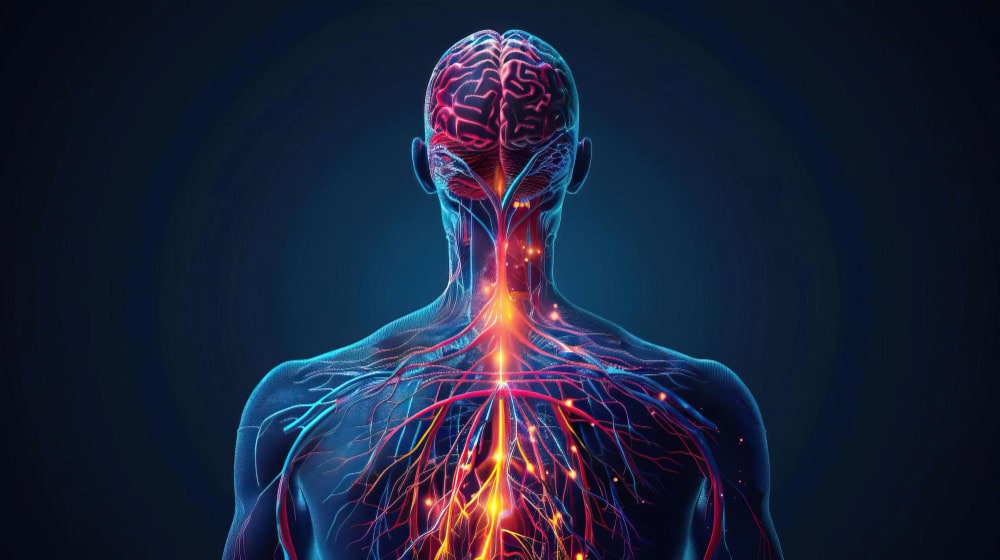
The name “vagus” is derived from the Latin word for “wandering,” which is fitting given that the vagus nerve is the longest and one of the most essential of the 12 cranial nerves. These nerves originate in your brain and extend throughout your head, neck, and body. Important bodily systems, including the respiratory, digestive, and cardiovascular systems, are connected to the brain by the vagus nerve. It is a vital component of your parasympathetic nervous system. This system regulates certain bodily processes, including your immune system, heart rate, and digestion. These functions are involuntary, which means that you cannot consciously regulate them. The nerve is a complex and advanced monitoring system that gives the brain real-time feedback to maintain the health of your bodily systems.
What Does it Mean to ‘Reset’ Your Vagus Nerve?

The term “vagus nerve reset” is not a medical word. There is no single workout that can change your nervous system from chaotic to peaceful. People use this term more broadly to refer to activities that make them feel less overwhelmed and more rooted. Resetting your vagus nerve entails engaging in activities that promote the health and responsiveness of the vagal nerves. Vagus nerve-resetting exercises can help with emotional regulation, gut health, and relaxation. The idea is to establish an environment in which their nervous system feels comfortable enough to switch from fight-or-flight to rest-and-digest mode.
How to Reset Your Vagus Nerve?
1- Deep Breathing
If you can use your breath effectively, it can be a really useful tool. Using your breath is one of the simplest yet most efficient methods of stimulating the vagus nerve. It works especially well when you make your exhale longer than your inhale. Deep breathing techniques, such as the 4-7-8 approach may help people relax. This can help to lower heart rate and blood pressure while also allowing the body to transition from fight or flight to rest and digest. The next time you feel nervous, take a deep breath from your nose while counting to four, hold it for seven counts, and then release it through your mouth for eight counts. Repeat the cycle for a few minutes.

2- Cold Water Exposure
If you’re reading this in the winter, it may sound unpleasant, but exposure to cold water can have a positive impact on the parasympathetic nervous system and vagus nerve. When your body comes into contact with cold water, it activates an inborn physiological reaction known as the mammalian diving reflex or response. A quick cold-water bath or simply a splash over your face, particularly on your cheeks or the area surrounding your eyes, might stimulate a natural vagal reaction that reduces your pulse rate, helping calm down your nerves.
3- Humming or Singing
Your voice cords and the muscles at the back of your throat are connected to your vagus nerve. You can vibrate and “stimulate” the vagus nerve by humming, singing, or chanting your favorite song. Producing vibrational noises like humming, singing, or gargling has been demonstrated to activate muscles and stimulate the vagus nerve, increasing vagal tone and heart rate variability. These vibrations can reduce stress and elevate mood by sending calming signals through the vagus nerve. You can incorporate these easy voice exercises for stress relief into your usual routine.
4- Meditation
When your mind is racing, meditation is an effective method to relax. There are many different ways to meditate, and it doesn’t have to be lengthy. Contemplative practices,” like yoga and meditation, can help people feel calm by stimulating the vagus nerve. Meditation lowers your heart rate when combined with deep breathing, which involves taking slow, deep breaths. While you meditate, you can listen to soothing noises like the sound of the waves at the beach or the soft rain to help you feel more relaxed. Or you can simply focus on your breathing and quiet surroundings.
5- Gentle Massage
It goes without saying that massages are fantastic, and their ability to activate the vagus nerve may be a factor in their relaxing benefits. A massage can improve vagal tone while reducing physical tension. But it shouldn’t be a painful or deep tissue massage. Instead, gentle, moderate pressure is preferable, with the neck, shoulders, and feet as the primary focus. It stimulates the parasympathetic nervous system, promoting relaxation and reducing stress. Do this while engaging in deep breathing exercises to enhance relaxation and trigger the calming effects of the vagus nerve.
FAQs
1-What Is the Vagus Nerve?
The vagus nerve, one of the longest in the body, connects the brain to the heart, lungs, and digestive system. It helps in the control of vital functions such as heart rate, respiration, and digestion.
2-What does it mean to reset your vagus nerve?
To reset your vagus nerve means engaging in relaxation techniques like deep breathing, exposure to cold water, or meditation to calm down your body when you are feeling stressed.
3-How long does it take to reset the vagus nerve?
It is different for every individual. After a few weeks of regular practice, some people experience benefits, while others feel calmer after just a few minutes of deep breathing or meditation.
4-What happens when the vagus nerve is not working properly?
Your body may find it more difficult to relax after stress if your vagus nerve is underactive. You might experience trouble sleeping, heart palpitations, poor digestion, or anxiety.
5-Is it safe to do vagus nerve exercises every day?
Absolutely. Most people can safely perform simple breathing, humming, or mindfulness exercises on a daily basis to promote relaxation and general well-being.
(The article is written by Ehsan Siddiqui, Team Lead, Clinical Health & Content and reviewed by Monalisa Deka, Senior Health Content Editor)
Recommended Reads
How Gut Health Affects Your Brain: The Science Behind the Gut-Brain Connection
Fuel Your Mind for Optimal Performance: Essential Nutrients for Brain Health