
Ever felt that uncomfortable scratch in your throat and thought, “Oh no… not now”? A runny nose, blocked sinuses, body aches—and suddenly even the simplest tasks feel exhausting. The common cold might not be dangerous, but it has a way of slowing life down. That too, when you least expect it. So, how to get rid of common cold fast?
The truth is that there’s no instant cure for a cold. However, there are ways you can support your body so it can recover faster, feel better sooner, and avoid complications. Getting rid of a cold “fast” isn’t about forcing the illness out—it’s about helping your immune system do its job efficiently. Let’s break down what truly works and how you can heal with care, rather than frustration.
To Understand ‘How to Get Rid of Common Cold’, First Know, What Exactly Is a Cold

A common cold is a viral infection of the upper respiratory tract, usually caused by rhinoviruses. Antibiotics don’t help (because viruses aren’t bacteria), and your immune system is the real hero here. Typical symptoms include sneezing, sore throat, fatigue, a runny or blocked nose, headache or body aches and mild fever. Most colds resolve in 5-7 days [1], but how you take care of your body during this time makes a big difference.
Stages of the Common Cold
A cold doesn’t hit all at once—it unfolds in stages. Knowing where you are can help you respond better (and stress less). So, here are 4 stages of a common cold:
Incubation Stage (Day 1–2)
This is the silent phase. You’ve caught the virus, but symptoms haven’t fully shown up yet. You may feel slightly tired, heavy-headed, or “off”, but nothing obvious.
Early Symptom Stage (Day 2–4)
This is when the cold announces itself. You might notice a scratchy or sore throat, mild headache, body aches, fatigue, sneezing and a runny nose. Your immune system has started fighting back.
Peak Cold Stage (Day 3–5)
Symptoms are at their strongest now. Expect a blocked or dripping nose, cough, watery eyes, and heaviness in the head or chest. This is the phase where rest, fluids, steam, and proper care matter most.
Recovery Stage (Day 5–10)
The body begins to bounce back. Mucus thickens and reduces, energy slowly returns, and you can also notice a reduction in cough. You may still feel tired, but symptoms gradually fade.
How to Get Rid Of Common Cold: 6 Effective Ways To Heal Faster
1. Rest Properly (It Is Not Laziness)

When you’re sick, your body focuses its energy toward fighting the virus. If you keep pushing through work, workouts, or late nights, you are stealing energy from your immune system. Think of rest as active recovery, not inactivity.
What helps:
– Sleep 7–9 hours (or more if needed)
– Short naps during the day
– Avoid intense workouts until symptoms improve
2. Hydration: Eases the Discomfort

Fluids play a key role in cold recovery. Dehydration thickens mucus, making congestion worse and recovery slower. Drinking enough water helps in thinning of the mucus, which can make the congestion easier to clear and prevent dryness. If drinking warm water doesn’t help in balancing the hydration, then try to drink more warm fluids like:
– Herbal teas (ginger, chamomile, tulsi, etc.)
– Clear soups and broths
– Warm lemon water with honey
Although all these are soothing during a cold, do remember to limit alcohol (suppresses immunity) and excess caffeine (can dehydrate).
NOTE: Urine colour can show how well you are hydrated, so if your urine is pale yellow, you are well-hydrated.
3. Eat to Heal, Not Just to Fill Up

When appetite drops, nutrition gradually follows—but your immune system still needs fuel. The best foods during a cold are:
– Warm soups: Especially chicken soup if you are a non-vegetarian, or spinach soup if you are a vegetarian.
– Fruits rich in vitamin C: Oranges, guava, and kiwi
– Garlic & ginger: Natural anti-inflammatory compounds
Avoid heavy, greasy, or ultra-processed foods that can affect your digestion.
4. Steam Inhalation for Instant Relief

Steam doesn’t “kill” the virus, but it can loosen the mucus, ease sinus pressure and reduce throat irritation. So, how to do it safely? Take steam as is or add a pinch of salt, this can help you breathe gently for 5–10 minutes. In this way, you can feel immediate comfort, especially when you have a blocked nose. Do avoid essential oils if you have asthma or sensitivity.
Looking for an affordable option for a vaporiser or nebuliser?
Click here and add to cart!
Dry air can irritate your nose or throat and prolong congestion, making cold symptoms worse. Add moisture to the air by using a humidifier or placing a bowl of water near a heat source. Moist air can help your respiratory lining to recover faster. Along with that, it can also make breathing easier, relieve dryness, and reduce coughing.
5. Don’t Ignore Stress—It Slows Recovery

Stress raises cortisol, which can weaken your immune response. So, even during a cold:
– Practice deep breathing
– Reduce screen overload
– Let go of “I must be productive” guilt
Healing can accelerate when the nervous system is calm and focused only on recovery.
6. Manage Fever and Pain Wisely

If you have a fever, headache, or body aches and find it difficult to rest, over-the-counter pain relievers can help. But remember, fever is part of the immune defence; always consult a doctor and avoid medicines unnecessarily. In addition to that, do not self-medicate yourself or your loved ones.
If you are worried, then take the right decision and contact a physician.
What NOT to Do If You Want to Recover Fast
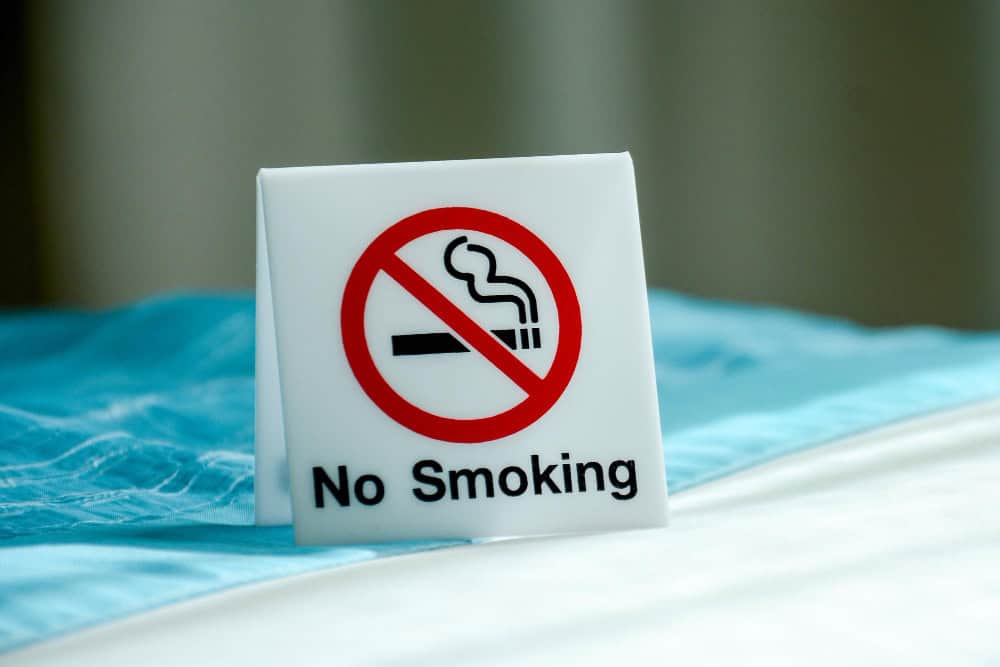
If you want to recover fast, don’t:
- Demand antibiotics
- Skip meals entirely
- Smoke or vape
- Overuse nasal sprays
- Ignore worsening symptoms
When a Cold Might Be More Than “Just a Cold”
See a doctor if symptoms last more than 10 days. You should also look out for:
– Fever that is high and persistent
– Breathing difficulty, especially if you have existing conditions like asthma, etc.
– Wheezing
– Frequent chest pain
FAQs
Q. How to get rid of common cold in 3 days?
A typical cold runs its course in 5–7 days, so you can’t fully get rid of a cold in 3 days. But you can feel much better in 3 days with good rest, fluids, and care.
Q. What are the symptoms of a cold?
Runny or blocked nose, sneezing, sore throat, cough, mild fever, headache, body aches, and feeling tired or foggy.
Q. Can a common cold be spread?
Yes, very easily. It spreads through droplets, close contact, and contaminated surfaces—especially in the first few days.
Q. What are common home remedies to do if you have a cold?
Warm fluids, steam inhalation, rest, honey (for cough), gargling with warm salt water, and humid air.
Q. Can someone prevent a common cold from coming back?
You can’t fully prevent it, but strong immunity, good sleep, hand hygiene, and stress control can reduce its recurrence.
Q. How to know if my cold is about to end?
Your nose feels clearer, energy starts returning, sneezing reduces, and mucus becomes thicker or less frequent.
Q. Is it not good if I stay all day and rest in bed?
Short rest is good, but light movement helps circulation. Total bed rest for many days can actually slow recovery.
Q. Which day is considered the worst day of a cold?
Days 3 to 5 are usually the toughest—this is when symptoms peak before improving.
Q. Can you prevent the next cold?
You can’t avoid every virus, but you can certainly lower the risk of having it again. Simple practices like washing hands regularly, sleeping consistently, eating a nutrient-dense diet, managing stress, and staying lightly active.
Reference
1. Pappas DE. The Common Cold. In: Elsevier eBooks. ; 2017:199-202.e1. doi:10.1016/b978-0-323-40181-4.00026-8
(The article is written by Sneha Jajoo, Intern, Clinical Health & Content, and is reviewed by Dr.Subita Alagh, Assistant Team Lead, Disease Content.)