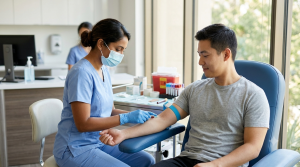
Did you ever skip breakfast before a blood test and wonder whether black coffee or juice would make a difference? Getting ready for a blood test can be confusing because different tests have different instructions.
Fasting before a blood test means not consuming any food or drink other than plain water over a defined period before your blood sample is taken. Fasting is important to ensure accurate results because foods and drinks consumed shortly before the test can interfere with the results. Nevertheless, not all blood tests require fasting, and following unnecessary fasting instructions is inconvenient.
According to medical guidance, fasting requirements depend on the type of blood test as well as the reason for conducting the test. For example, fasting plasma glucose requires a fasting sample, while many routine cholesterol assessments can be performed without fasting [1,2,3].
The knowledge of fasting before blood tests (the time to fast and whether or not drinking coffee or any drink is acceptable) contributes to accurate preparation for the test.
What Does Fasting Mean Before A Blood Test?
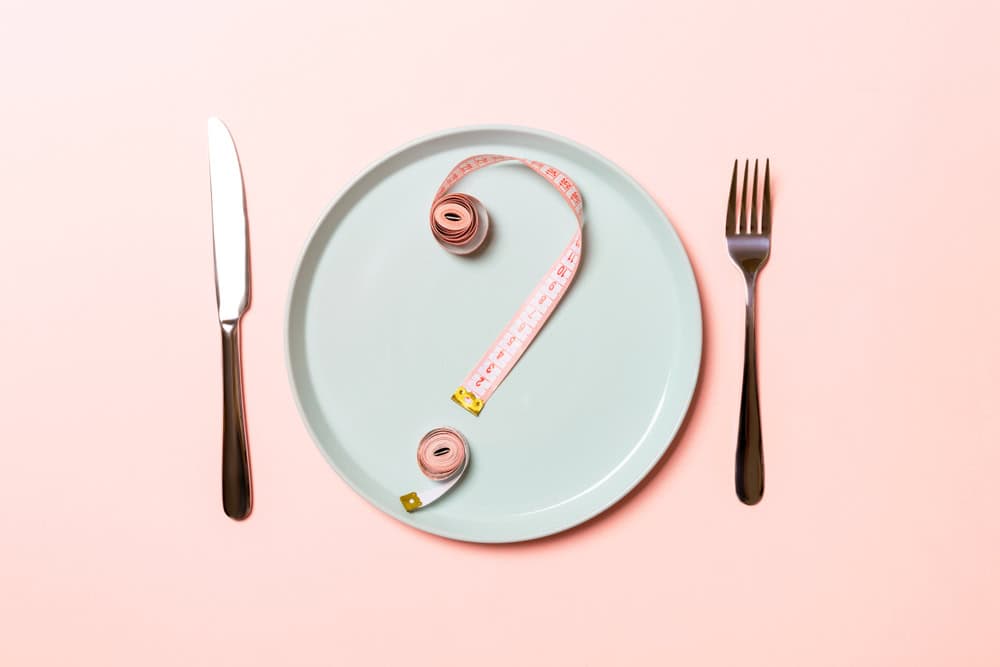
Fasting refers to abstaining from food as well as any beverages except for plain water for a set period before blood sampling is performed. While fasting, you should typically avoid the following:
- Food items, such as snacks or dessert.
- Any beverages containing caffeine, such as tea or coffee.
- Dairy products and sugar in drinks.
- Juice or soft drinks.
- Alcohol consumption, especially if your doctor has counseled against its use.
Plain water is generally allowed during fasting and may make blood collection easier.
Which Blood Tests Require Fasting?
Not all blood tests need an empty stomach. The following table outlines common tests and their usual preparation requirements.
| Blood test | Is fasting required? |
| Fasting blood glucose | Yes, usually at least 8 hours |
| Oral glucose tolerance test (OGTT) | Yes; follow the laboratory’s specific instructions |
| Lipid profile | Depends on the purpose of testing and the tests ordered |
| Triglyceride test | May require fasting, particularly when specifically requested |
| HbA1c (average blood sugar over approximately 3 months) | Usually not required; , not for HbA1c alone |
| Complete blood count (CBC) | Usually not required; not for CBC alone |
| Thyroid function tests (TSH, T3 and T4) | Usually not required for the test alone; other instructions may apply |
| Kidney function tests | Usually not required for routine testing, but some accompanying tests may require fasting |
Fasting plasma glucose is a method used to determine blood glucose levels after abstaining from food consumption. According to the Indian Council of Medical Research (ICMR), fasting plasma glucose is one of the diagnostic criteria for diabetes [1].
Standard practice does not recommend fasting before cholesterol testing for everyone. There is evidence indicating that non-fasting lipid profiles are adequate in many situations in which cardiovascular risk assessments are needed. A fasting lipid profile may be needed when non-fasting triglycerides are high, when one of the specific conditions is monitored, or when other tests require fasting [3].
Important: This table outlines general recommendations, not particular instructions concerning fasting required for a specific test. Your physician or laboratory will explain if fasting is necessary for your test.
How Long Should You Fast Before A Blood Test?

The length of fasting varies with the blood-test type and the instructions of the laboratory. While some blood tests need an overnight fast, there are tests requiring no fast.
8 hours: Fasting blood glucose test
Depending on the fasting blood glucose test, one should refrain from consuming food and calorie- containing beverages for a minimum of 8 hours. Plain water is usually allowed.
8-12 hours: Other fasting tests
There are other tests that may require 8-12 hours of fasting depending on a particular test and lab protocol.
No fasting required: Many routine blood tests
For instance, tests like the complete blood count (CBC), HbA1c, and most of the thyroid function tests.
For example, if the blood test is supposed to start at nine o’clock in the morning, 8 hours of fasting means the last meal must be finished at 1 AM; 12-hour fasting indicates that a meal must be finished at 9 PM the previous night.
Whenever possible, schedule fasting blood tests in the morning to make the fasting period more manageable.
Safety recommendation: Consider adding a brief note that people with diabetes, particularly those taking insulin or medicines that can cause low blood sugar, should confirm fasting and medication instructions with their healthcare provider before testing.
This is important because prolonged fasting can increase the risk of hypoglycaemia in susceptible individuals.
Can You Drink Coffee Before A Blood Test?
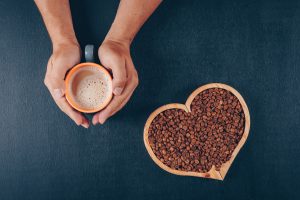
It is preferable to refrain from drinking coffee when instructed to abstain from eating food before a blood test. This goes for any type of coffee, including black coffee without sugar or milk [4].
Even though black coffee consists of practically no calories, its caffeine and other components may affect various physiological parameters. Adding milk, sugar, or cream also breaks the recommended water-only fast.
Although black coffee contains very few calories, it is generally not permitted during a fasting blood test because standard fasting instructions usually allow only plain water [5].
Can You Drink Water Before A Fasting Blood Test?

Indeed, plain water is typically allowed prior to a fasting blood test. Typically, avoiding water is unnecessary when fasting for a test.
Hydration can assist health professionals in locating the vein to draw blood, but refrain from drinking water with flavoring, sugar, or any other additives unless approval from your lab is confirmed [6].
Ignoring your healthcare provider’s advice about fluid restriction because of an underlying condition may not be a good idea.
What Happens If You Eat or Drink Before A Fasting Blood Test?
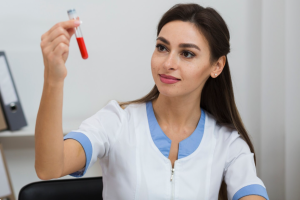
Eating or drinking anything other than water while you’re fasting can alter some of the results of your tests. That’s because a recent meal can affect blood sugar and triglyceride levels.
While this doesn’t necessarily mean that your tests will not be correct, it’s still important to keep in mind that the results can be affected depending on what you’ve consumed and how long ago it was consumed.
In case you inadvertently break your fast:
- It’s a good idea to inform the laboratory staff about what you ate or drank.
- Let them know when you consumed it.
- Do not hide the information or assume that the results won’t be altered.
- Follow laboratory instructions regarding what to do next and whether you should reschedule your test.
Do not delay a medically necessary test without checking with your doctor.
How To Prepare For A Fasting Blood Test?
To ensure success in preparing for a fasting blood test, keep the following tips on hand.
- Fasting Instructions: Confirm whether or not it’s necessary to fast for the blood test and for how long.
- Eat Your Usual Meals Beforehand: It’s safe to have your usual meals unless guided otherwise by a doctor.
- Drink Water: Unless specifically instructed otherwise, it is safe to drink plenty of fluids before the test.
- Abstain From Consuming Alcohol or Engaging In Vigorous Physical Activity: This way, there’s a high chance the patient will not interfere with the laboratory results.
- Medicines: Ask your healthcare provider whether you should take your regular medicines before the test. Do not skip, stop, or change prescribed medicines without medical advice. People taking insulin or other medicines that can cause low blood sugar may need specific fasting and medication instructions
- Carry Your Test Request: Check whether the laboratory requires an appointment or additional preparation.
Children, pregnant individuals, and people with diabetes or other conditions may need special preparation instructions. If fasting makes you dizzy or unwell, inform your healthcare professional rather than forcing yourself to continue.
Conclusion
Fasting is required for certain blood tests, but not all. When fasting is necessary, the duration is usually 8–12 hours, depending on the test and laboratory instructions. Plain water is generally allowed, while food, coffee, tea, juice, and other beverages should be avoided during the fasting period. If you accidentally break your fast or have a medical condition that requires special precautions, inform your doctor or laboratory before the test.
FAQs
1. Is fasting for 6 hours enough for the blood test?
It depends on the particular test. In fact, for some tests that require fasting for more than 6 hours, it might not be enough.
2. Is it allowed to brush teeth before a blood test?
Brushing teeth can be acceptable. However, one should not swallow toothpaste.
3. Is it alright to take one’s regular medications during fasting?
Many medicines can be taken as usual, but some require specific timing. People with diabetes or anyone taking medications should discuss with their health care provider the right time to take medications during fasting.
4. Can I Drink Lemon Water Before Fasting Blood Tests ?
In general, it is preferable to avoid lemon water during the fasting period, regardless of whether sugar is added. Drink plain water instead, unless your healthcare provider gives different instructions.
5. Does a lipid profile always require fasting?
No, it is not necessary all the time. Fast is needed when triglyceride levels are elevated or specific lipid disorders are checking.
6. Can I exercise before a fasting blood test?
Avoid strenuous exercise immediately before testing unless your healthcare provider advises otherwise. Physical activity can temporarily affect certain measurements, including glucose and some muscle-related enzymes [4,5].
7. Is it possible to obtain a blood test while on my menstruation?
Indeed, a number of blood tests may be conducted during one’s period. For example, periods can affect such results as levels of hemoglobin or the status of iron levels, while that some hormonal tests may require certain days of the cycle. Notify the doctor regarding the first day of your period.
8. What to do if you feel dizzy because of fasting?
Sit down or lie down and tell your doctor.If you have been diagnosed with diabetes or are treated with glucose-lowering medications, make sure you follow your full protocol for suspected low blood sugar.
(The article is written by Deepa Sarkar, Senior Medical Writer, and reviewed by Monalisa Deka, Deputy Manager, Clinical Health & Content, Medical Affairs)
References
1. Indian Council of Medical Research. Guidelines for management of type 2 diabetes 2018: Section 3—Diagnostic criteria [Internet]. New Delhi: ICMR; 2018. Available from:https://www.icmr.gov.in/icmrobject/custom_data/pdf/resource-guidelines/ICMR_GuidelinesType2diabetes2018_0.pdf
2. DeWaters AL, Mejia D, Thomas J, Elwood B, Bowen ME. Patient preparation for outpatient blood work and the impact of surreptitious fasting on diagnoses of diabetes and prediabetes. Mayo Clin Proc Innov Qual Outcomes [Internet]. 2020;4(4):349–56. Available from: http://dx.doi.org/10.1016/j.mayocpiqo.2020.04.002
3. Nordestgaard BG, Langsted A, Mora S, Kolovou G, Baum H, Bruckert E, et al. Fasting is not routinely required for determination of a lipid profile: Clinical and laboratory implications including flagging at desirable concentration cutpoints-A joint consensus statement from the European atherosclerosis society and European federation of clinical chemistry and laboratory medicine. Clin Chem [Internet]. 2016;62(7):930–46. Available from: http://dx.doi.org/10.1373/clinchem.2016.258897
4. Nhs.uk [Internet]. [cited 2026 Oct 16]. Fasting for your blood test. Available from: https://leaflets.ekhuft.nhs.uk/fasting-for-your-blood-test/html/
5. Lee L, Rankin W. Preparation for blood tests: what can go wrong before the sample reaches the lab. Aust Prescr [Internet]. 2025;48(4):122–7. Available from: http://dx.doi.org/10.18773/austprescr.2025.034
6. Simundic AM, et al. Joint EFLM-COLABIOCLI Recommendation for Venous Blood Sampling. Clinical Chemistry and Laboratory Medicine. 2018;56(12):2015–2038.