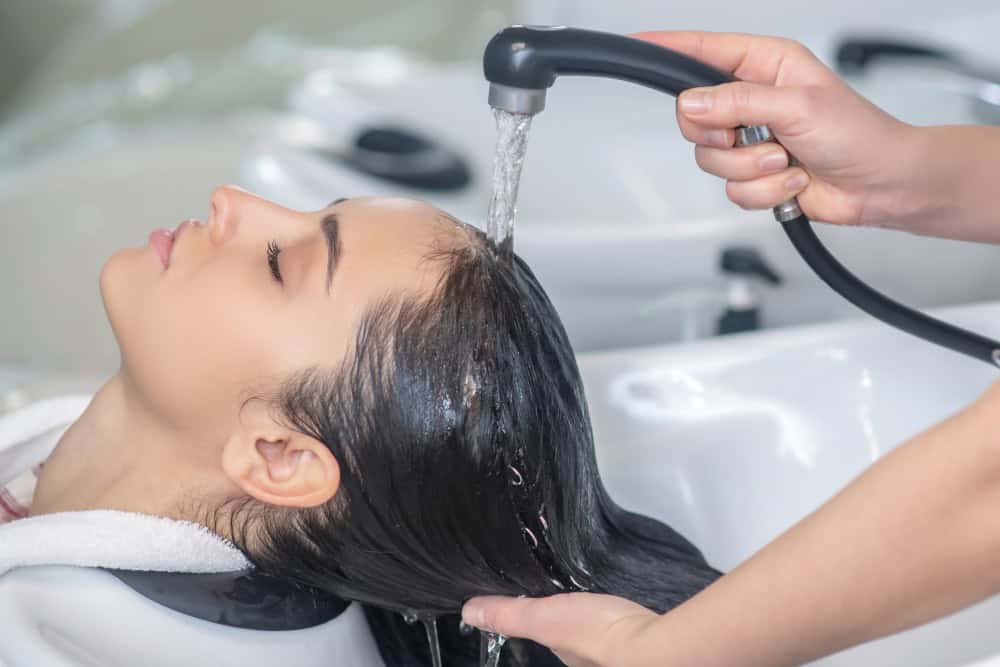
Most of us love long, steaming showers – especially in winter. There is something comforting about them. It feels relaxing, opens up the pores, melts stress, and makes chilly mornings bearable. But while your body may love that warmth, do your hair and scalp also? Or does hot water damage hair? Many people notice that their hair becomes frizzier, rougher, or weaker during winter. The scalp becomes dry and itchy. The instinct is always to change shampoo or try a new hair mask.
Dr. Deepak Soni, Senior Ayurveda Expert at Tata 1mg, says that “Hot water disturbs the natural balance of your scalp. Ayurveda usually recommends using mildly warm or room-temperature water for the head, regardless of season.”
Let’s understand how heat affects your hair, and learning how to balance comfort and care can prove to be beneficial. Let’s break it down.
How Exactly Does Hot Water Damage Hair?
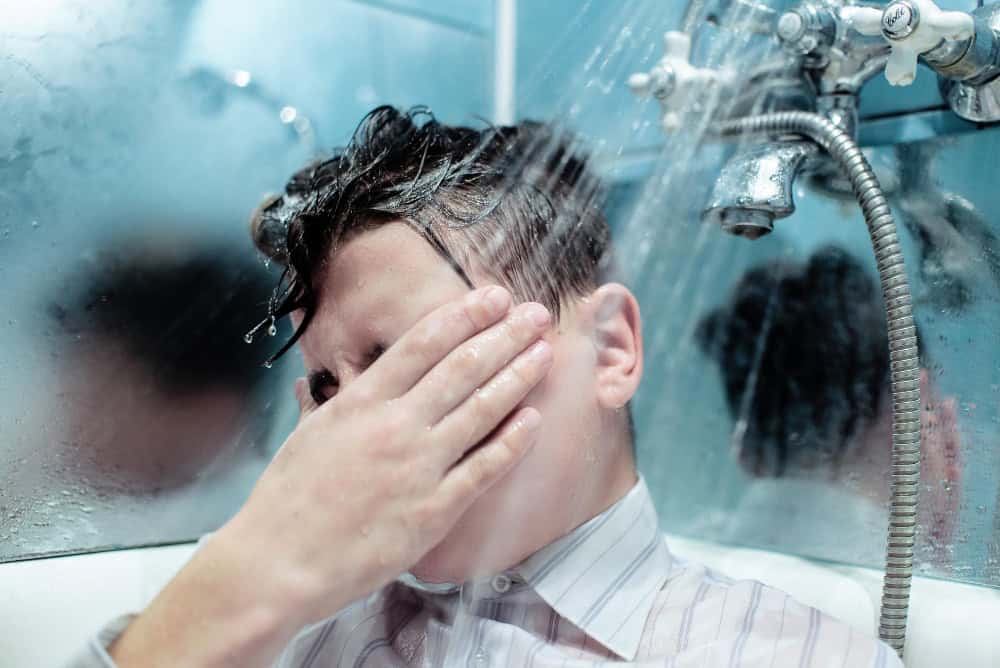
Your hair shaft is covered by tiny overlapping layers called cuticles. These cuticles act like a protective outer shield. Hot water lifts the cuticle, while cold water flattens the cuticle. Hence, water temperature can directly affect how this cuticle behaves. Let’s know how does hot water damages hair.
1. It Strips Away Natural Oils
Your scalp produces sebum – a protective, natural oil layer that keeps your hair soft and healthy. This natural oil coats each strand and keeps moisture locked in. When you wash hair with very hot water, it can dissolve these oils too quickly, leaving the hair shaft exposed and dry. According to a study, the surface lipids are essential for hair softness and locking in moisture [1]. When this is repeatedly removed, hair can weaken and break faster.
2. It Lifts The Hair Cuticle and Makes Hair Frizzy
The outer layer of your hair is known as the cuticle. Hot water lifts the hair cuticle. That allows moisture to escape and can also let damage occur. A study showed that repeated exposure to elevated temperatures (60-90°C) [2] can lift cuticles, increase the amount of protein, and weaken hair shafts. This is why you may feel your hair is becoming more tangled, dull, frizzy, and unmanageable.
3. It Can Trigger Dandruff and Itchiness
Your scalp is also skin, and usually, it can’t tolerate excessive heat above 40°C for a long period of time. Hot water can weaken the scalp’s protective barrier and can trigger or worsen dandruff, itching, or sensitivity. That is why many people notice dandruff getting worse in winter.
4. It May Lead To Excess Oil Production
Ironically, when the scalp gets too dry from heat or hot water, it may produce more oil to bring back the balance. This can make hair greasy at the roots but dry at the ends.
If you are also experiencing the same, book a simple hair test today.
Hot Water Can Especially Be Harmful In Winter
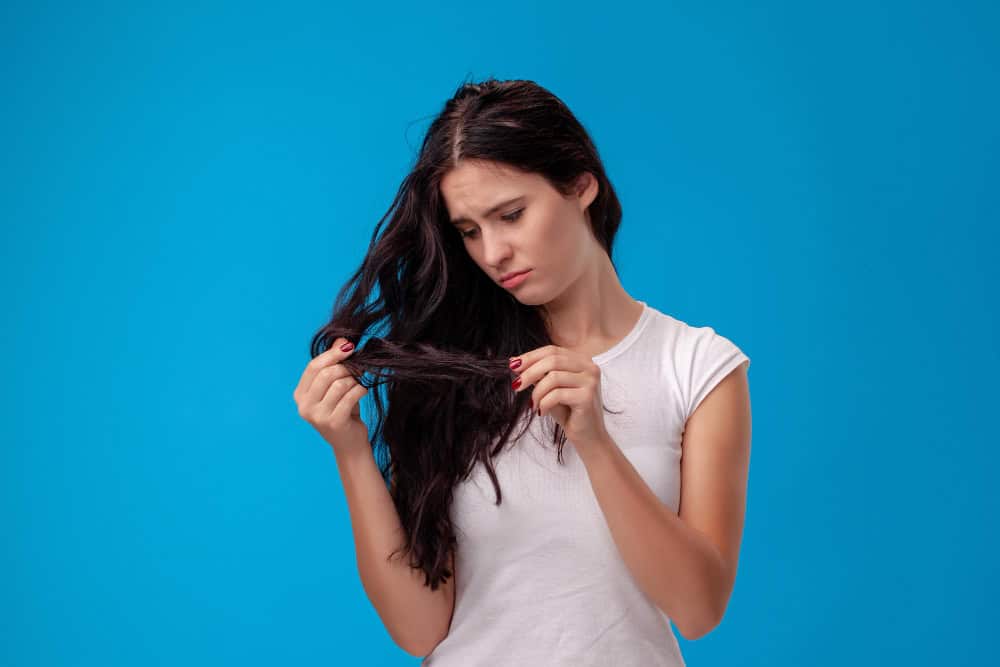
Winter already reduces moisture in the air. Your scalp can also lose hydration faster. Additionally, if you wear woollen caps, don’t oil your hair much, and opt for hot showers, the damage can gradually increase. That’s why winter hair fall is so common.
Who Is Most at Risk of Hot Water Hair Damage?
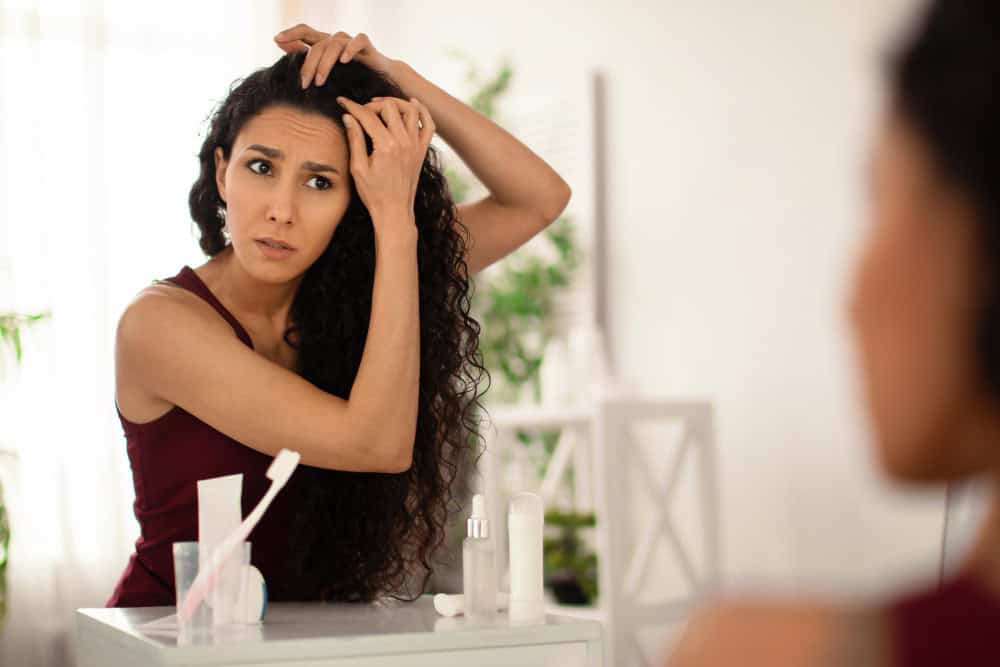
You should be extra cautious if you have:
– Coloured or chemically treated hair
– Curly or wavy hair
– Scalp conditions like dermatitis/eczema, or folliculitis
– A routine to wash your hair daily
– Frequent habit of heat styling
– Winter dryness and dandruff
What Can You Do If Your Hair Is Already Damaged?
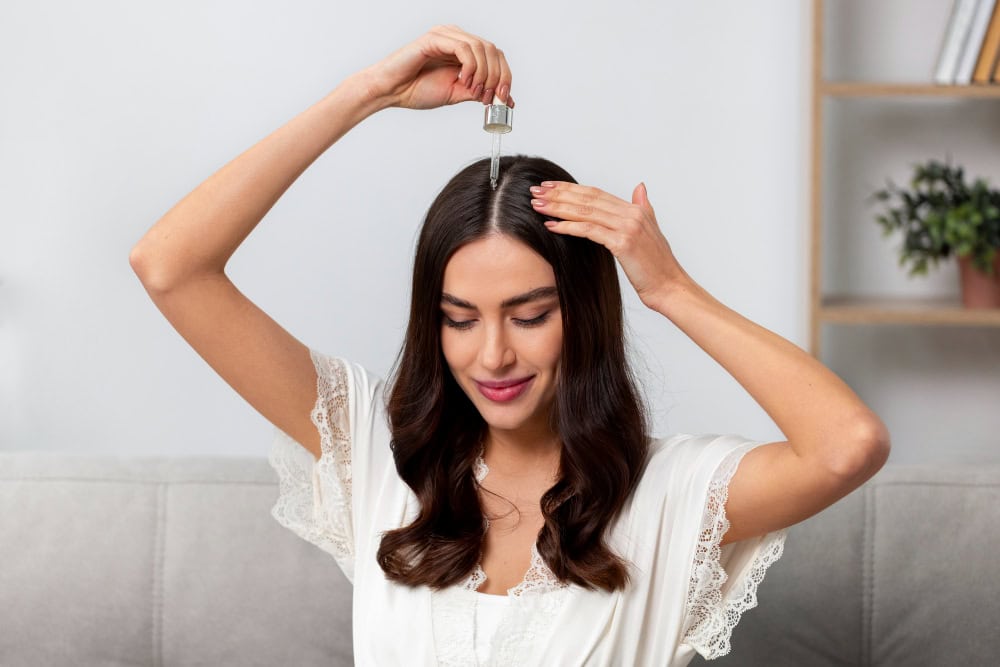
You can:
- Apply A Weekly Hair Mask: This can help replenish moisture and strengthen the hair shaft.
- Reduce Heat Styling: Limit straighteners and blow dryers wherever possible.
- Get Regular Trims: To prevent split ends from travelling upwards, get yourself a hair grooming now and then.
Our in-house Ayurveda specialist, Dr. Deepak, recommends coconut oil or bhringraj oil at night, which allows it to nourish the scalp overnight. Wash your scalp the next morning to remove excess oil and keep the follicles clean. He also advises that late-night sleep should be avoided, as it can cause dryness in the body.
Cold Water vs Hot Water: Which Is Better For Hair

When it comes to hair care, the battle between cold water and hot water is one of the most debatable ones. While cold water can help reduce frizz, improve shine, and lock in moisture, it does not repair hair damage. So, which one is actually better for your hair and scalp – especially in the long run?
The best method is not cold vs hot; it is warm with cold combination washing. Using lukewarm water can cleanse the scalp and rinse out excess/buildup oil. Finishing the head wash with a cool rinse can seal the cuticle and reduce frizz. This can give you the cleansing power of warm water and the protective benefits of cold water – without the damage.
FAQs
Q. What are the signs of heat damage to hair?
Some common signs are:
– Rough texture
– Dryness
– Increased frizziness
– Split ends
– Dullness
– Hair that breaks easily
Q. Can hair repair itself after heat damage?
No, once hair is heat-damaged, it cannot fully repair itself. You can only improve its looks with conditioning and eventually trimming the damaged ends.
Q. What should you put in my hair before straightening it?
Always apply a heat-protectant serum or spray before using a straightener to reduce the moisture and protein loss.
Q. Can coconut oil repair damaged hair?
It cannot repair damaged hair, but it can help prevent further damage. Its fatty acids penetrate deep into the hair shaft. It can strengthen the hair structure and lower moisture loss, making the hair feel softer, smoother, and less prone to breakage.
Q. Should I use heat protectant every time I straighten my hair?
Yes, every single time. Skipping it even once can increase the risk of heat damage.
Q. What does heat damage look like on hair?
Hair may look burnt, stiff, overly dry, tangled, lifeless, and uneven in texture, especially at the ends.
Q. Should you wash your hair with hot water or cold water?
Use lukewarm water for cleansing and finish with cool water to help seal the cuticle and reduce frizz.
Q. Can damaged hair cause hair loss?
Heat-damaged hair does not cause root hair loss, but it can increase breakage, making hair appear thinner over time.
References
1. Lai NH, Dang THN, Nguyen TT, Phan DTQ. Utilising lipid bond technology with a molecular lipid complex to provide lipid treatment for damaged hair. Dermatology Research and Practice. 2025;2025(1):5385312. doi:10.1155/drp/5385312
2. Zi Y, Liu J, Fang S, Li M, Huang Q, Peng X. Establishment of a heat‐damaged model for hair. Journal of Cosmetic Dermatology. 2025;24(8):e70360. doi:10.1111/jocd.70360
(The article is written by Sneha Jajoo, Intern, Clinical Health & Content, and is reviewed by Dr.Subita Alagh, Assistant Team Lead, Disease Content.)
Recommended Reads
Best Winter Hair Masks for Stronger, Shinier Hair