
Your 30s feel fine. That’s exactly why most men don’t bother with health tests during this decade – and exactly why they should.
Most serious conditions don’t announce themselves. High blood pressure, fatty liver, early diabetes, low testosterone – none of these come with obvious warning signs in your 30s. They build quietly. And by the time symptoms appear, the window to reverse them has often already closed.
Every year, International Men’s Health Week – observed in the second week of June – is a reminder that men’s health deserves the same attention we give everything else. This blog covers the key health tests for men in their 30s – screenings that are specifically relevant to this decade of your life, not general advice for all ages. Think of it as a checklist for your 30s, before health problems that are still preventable become ones you have to manage for life.
Why Men in Their 30s Shouldn’t Skip Health Screenings?
Feeling fine doesn’t mean everything is fine. Blood pressure can be dangerously high without any warning. Depression can sit unnoticed behind “just feeling tired.” Infections like hepatitis C can damage your liver quietly for years.
Additionally, the 30s are when lifestyle habits – diet, alcohol, stress, lack of sleep, no exercise – start showing up in your numbers. Catching these early means you still have time to reverse them. This is exactly why health tests for men before 30 matter – catching these early means you still have time to reverse them.
8 Health Tests Every Man in His 30s Should Get
1. Lipid profile and Cardiac Marker Test
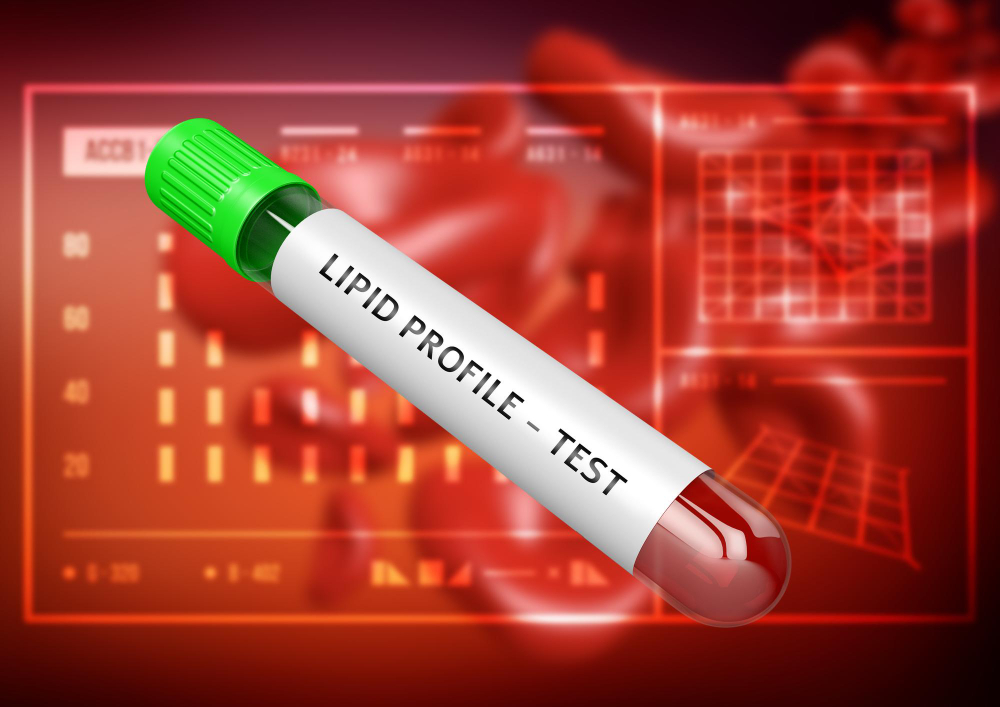
A lipid profile checks your cholesterol, triglycerides, and heart disease risk. Both are increasingly common in Indian men under 30 – often due to genetics, not just lifestyle.
Additionally, two tests worth knowing about:
Lipoprotein(a) or Lp(a): A specific type of cholesterol that’s largely inherited – diet and exercise don’t change it much. High levels raise your risk of heart attack and stroke even in young, healthy men. Lp(a) testing is particularly recommended if you have a family history of early heart disease or stroke, or if your cholesterol level is borderline. Discuss with your doctor whether this test is appropriate for you.
Cardiac Marker Test (hs-CRP): High-sensitivity C-reactive protein is a marker of inflammation in the body. Chronic inflammation quietly drives heart disease – and elevated hs-CRP can flag cardiovascular risk even before your cholesterol looks concerning. Worth adding if heart disease runs in your family.
You won’t feel any of these conditions until it’s too late. Test early, and there’s still time to act.
How often:
- Lipid profile: Once every two years if normal. Annually if borderline or heart disease runs in your family
- Lp(a): Once as a baseline
- hs-CRP: Discuss with your doctor as part of a cardiac risk check
2. Blood Pressure Check

High blood pressure is called the “silent killer” for a reason – it has no symptoms. Over time, it damages your heart, kidneys, and blood vessels in ways that are hard to reverse. The ideal reading is below 120/80 mmHg. A reading consistently at or above 140/90mmHg is considered elevated and worth monitoring, your doctor will advise whether treatment or lifestyle changes are needed.
A blood pressure check takes two minutes and costs almost nothing. However, most men in their 30s haven’t had one in years – or ever. Every adult man should get this checked at least once a year, starting from his late teens.
How often: At least once a year.
3. Blood Sugar Test (Fasting Blood Sugar and HbA1c)
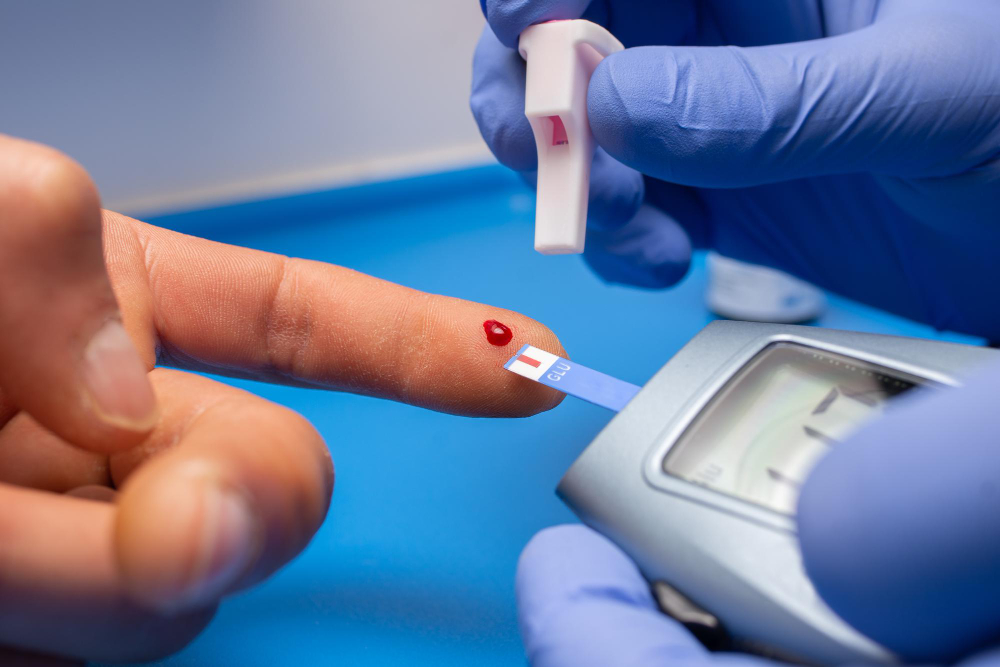
Type 2 diabetes and high cholesterol are both silent. No symptoms, no warning – just damage quietly building over time.
A fasting blood sugar test checks your glucose on the day of the test, while an HbA1c test shows your average blood sugar over the past two to three months – giving a much more complete picture of your diabetes risk.
How often:
Blood sugar: Once a year. Every six months if you’re overweight or have a family history of diabetes
4. Sexually Transmitted Infection (STI) Screening

STIs are far more common than most men realise – and far less talked about. Syphilis, chlamydia, and gonorrhoea can all be asymptomatic in early stages, meaning you can have an infection and not know it. Meanwhile, untreated STIs can cause complications ranging from infertility to serious organ damage over time.
Similarly, HIV can stay silent for years while quietly damaging your immune system. Medical guidelines recommend at least one HIV test for all adult men – regardless of lifestyle or perceived risk. Knowing your status early means treatment can start before any real damage is done.
Both STI and HIV screening are routine conversations with your doctor – not a judgment. The right tests, done at the right time, make a real difference.
How often:
- STIs: Based on your individual risk – discuss with your doctor
- HIV: At least once as a baseline. Annually if risk factors are present
Sexual health matters too. Book an STD Panel Test today for peace of mind and early detection.
5. Liver, Kidney and Thyroid Function Tests (LFT, KFT and TSH)

Your liver handles alcohol, medication, and processed food – quietly, until it’s significantly damaged. Non-alcoholic fatty liver disease (NAFLD) is increasingly seen in men in their 30s, including those who don’t drink alcohol. While an LFT is a useful starting point, it is worth noting that liver enzymes can appear normal in early NAFLD. If your doctor suspects fatty liver, an abdominal ultrasound may also be recommended for a more complete assessment.
Your kidneys filter waste from your blood every single day. High blood pressure and diabetes – both silent – are the biggest drivers of kidney damage. A KFT (kidney function test) checks how well they’re doing before any symptoms appear.
Similarly, thyroid problems in men go undiagnosed for years. Unexplained weight gain, constant fatigue, low libido – these often point to an underactive thyroid, not just stress. A simple TSH test tells you where you stand.
How often:
- LFT: Once a year
- KFT: Once a year – more frequently if you have diabetes or high blood pressure
- TSH: Once every two to three years
4. Mental Health Screening

This one surprises most people. But depression is one of the most underdiagnosed conditions in men – largely because men are far less likely to recognise it or talk about it. Low mood, poor sleep, low energy, loss of interest in things you used to enjoy – these are symptoms, not personality flaws.
However, depression is also one of the most treatable conditions there is – when it’s actually identified. A depression screening is a short questionnaire your doctor runs at a routine check-up. It’s not a separate appointment, not a long process. Just a few questions that could genuinely change the direction of your health.
How often: Every year at your routine check-up.
7. Obesity and Weight Check (BMI and Waist Circumference Assessment)

Simple. Free. And often skipped because it feels too obvious. But excess weight – especially around the abdomen – is directly linked to high blood pressure, type 2 diabetes, heart disease, and fatty liver. Tracking your BMI and waist measurement annually gives you a concrete number to act on.
In contrast to what most men think, obesity doesn’t always look obvious on the outside. Many men within a “normal” weight range still carry excess abdominal fat that puts their metabolic health at risk. An annual weight check keeps you honest – and gives your doctor useful context for everything else on this list.
How often: Every year.
8. Hepatitis B and Hepatitis C Screening

Most people who have hepatitis B or C don’t know it – both infections are silent for years while quietly damaging the liver.
Here’s a simple way to tell them apart. Hepatitis B spreads through blood and body fluids and has a vaccine – if you haven’t received it, your doctor may recommend both the test and the vaccine together. Hepatitis C spreads mainly through blood contact and has no vaccine – but it’s now curable in most cases if caught early.
Medical guidelines recommend hepatitis C screening for all adults from age 18. For hepatitis B, your doctor will guide you based on your vaccination history and individual risk.
How often: Hepatitis C – at least once. Hepatitis B – discuss with your doctor.
Book These Tests, Not Excuses
You don’t need multiple separate appointments. Most of these can be handled in a single visit to your doctor or a diagnostic lab. Blood pressure checks, depression screening, BMI, and the tobacco and alcohol conversation happen at the appointment itself. If you’re sexually active or have other risk factors, your doctor may suggest screening for HIV, hepatitis B and C, and other STIs. These tests are not always performed routinely and may require separate consent or counselling.
Additionally, if you want to go the lab route, look for a men’s preventive health panel that covers blood-based screenings. Book a morning slot, show up, and you’re done before lunch.
FAQs
What blood tests should a man get in his 30s?
The key screenings for men under 40 include blood pressure, blood sugar, cholesterol, liver function, thyroid, depression screening, HIV, hepatitis B and C, STI screening, and an annual BMI check. Most can be bundled into a single visit to your doctor or a diagnostic lab.
At what age should men start regular health check-ups?
Your late 20s is a good starting point for a baseline. At this stage, simple checks such as blood pressure, body weight/BMI, cholesterol (lipid profile), blood sugar, and age-appropriate vaccinations can help identify early risk factors. By your 30s, these screenings become even more important, as many lifestyle-related conditions start developing silently without obvious symptoms.
Can a man in his 30s have high cholesterol or diabetes?
Yes – and it’s more common than most people think. Both develop silently and are increasingly seen in men in their 30s due to poor diet, inactivity, and genetic risk factors.
How often should men get a full body check-up?
Once a year is the general recommendation for men over 30. Tests like blood pressure and blood sugar should be done more frequently if results are borderline.
Is testosterone testing necessary before 40?
Testosterone testing isn’t part of standard routine screening for all men under 40, but it’s worth discussing with your doctor if you’re experiencing unexplained fatigue, reduced muscle mass, weight gain, low libido, or mood changes. Testing is recommended when symptoms are present – not as a blanket annual test.
Are health tests for men before 40 covered by insurance?
Many preventive health packages are covered under annual wellness benefits in Indian health insurance plans. Check your policy – preventive tests are increasingly included in most standard plans.
References:
1. U.S. Department of Veterans Affairs. Get recommended screening tests and immunizations for men [Internet]. Washington (DC): National Center for Health Promotion and Disease Prevention; 2025 [cited 2026 Jun 15]. Available from: https://www.prevention.va.gov/PREVENTION/Healthy_Living/Get_Recommended_Screening_Tests_and_Immunizations_for_Men.asp
2. Prevention guidelines for men 40–49 years old [Internet]. Los Angeles (CA): Cedars-Sinai; [cited 2026 Jun 15]. Available from:https://www.cedars-sinai.org/health-library/prevention-guidelines/prevention-guidelines-for-men-40-to-49.html
(The article is written by Nancy Dixit, Associate Manager, Clinical Health & Content, Medical Affairs, and reviewed by Monalisa Deka, Deputy Manager, Clinical Health & Content, Medical Affairs)
Recommended Reads:
Heart Health Screening: Why You Need More Than a Lipid Profile Test
Doctor-Recommended Mosquito Protection Tips To Stay Safe from Dengue This Monsoon