
You plan everything before the end of the year. Trips, goals, finances, and family plans, but one thing often gets pushed to “next year” – your health. Here’s the truth. Most long-term illnesses don’t appear suddenly. They may build quietly. Be it high blood pressure, high sugar, low vitamins, or even silent heart risks. You may feel fine until one day, you don’t. Health tests are not about fear but rather about clarity. Getting them done at the year end can help you enter the new year with answers instead of doubts about your health.
Dr. Subita Alagh, Medical Content Expert at TATA 1mg, says, “As the year comes to an end, it’s a good moment to reflect on one’s health. Ensuring you’re up to date on preventive screenings is one of the most thoughtful gifts you can offer yourselves and your loved ones.”
Read on to learn about some doctor-recommended health tests to do before the year ends and why each one matters. Also, know about people who should truly prioritise them.
To-Do List: Health Tests
A few targeted health tests can detect problems early and help you make healthier choices for the coming year. Below are the tests most doctors commonly recommend. Let’s learn about why each matters, who should prioritise it, and some quick tips to follow while opting for these tests.
1. Complete Blood Count (CBC)

A complete blood count screens for anaemia, infections, inflammation and some blood disorders. It measures platelets, haemoglobin, red and white blood cells. It is one of the first tests doctors suggest to investigate any health concerns.
Who should consider it:
– Everyone once a year, as part of routine screening.
– Especially those who experience dizziness, weakness, or tiredness.
2. Vitamin Tests (as needed)

Some of the common vitamin tests are Vitamin D and Vitamin B12 if symptoms like numbness, tingling, etc., occur or dietary restrictions exist. Vitamin D deficiency can be commonly seen during winters, as the sun exposure is less or working hours are long. Checking vitamin levels can help you understand whether your body is getting enough micronutrients or not. These are needed for immunity, bone health, energy, and metabolic balance.
3. Lipid Profile (Cholesterol and Triglycerides)

A lipid profile test measures the fats in your blood, such as the HDL (bad cholesterol), LDL (good cholesterol), total cholesterol, and triglycerides. This test is crucial for assessing the risk of heart disease and stroke, which can develop silently over the years. The World Health Organization’s prevention frameworks suggest this test for population risk screening [1].
Who should consider it: Adults, especially if you have any family history, other underlying conditions, or smoking history.
Preparation tip: Fasting may be requested (check with the lab). If you are already on lipid-lowering drugs, bringing a current medication list might help.
4. Thyroid Function Test

The thyroid gland controls your body. So, thyroid disorders (hypothyroidism and hyperthyroidism) can subtly affect weight, energy, mood, heart rate and cholesterol. Routine testing is often recommended if symptoms or risk factors are present. A standard thyroid test includes TSH, T3 and T4.
Who should consider it: People with fatigue, unexplained weight change, irregular periods, or those with a family history. Pregnant women and older adults may need specific monitoring.
Preparation tip: Usually, no fasting is required. Tell your doctor about any recent changes (like pregnancy, etc.) if not informed.
5. Hb1Ac (Glycated Haemoglobin)

This test shows your average blood sugar levels over the past 2-3 months. Unlike fasting sugar, it can give a long-term picture of your glucose levels. Early detection of high blood sugar allows for treatment or lifestyle measures that prevent complications.
Who should consider it:
– People with obesity
– Those with a family history
– People with frequent thirst, urination, or fatigue
6. Kidney Function Test (KFT)
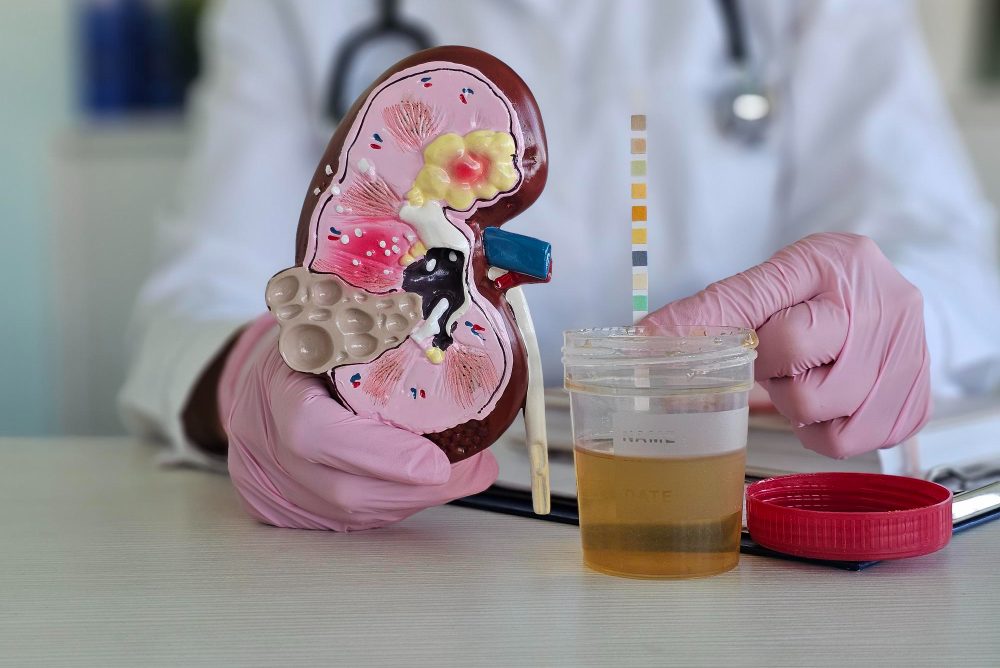
The kidney function test (KFT) screens organ health, which means how well your kidneys are filtering waste from your blood. This test also monitors chronic conditions and checks for medication side effects. It includes urea, serum creatinine, uric acid, and electrolytes. Kidney disease is often silent until later stages [2].
Take Yours In Just a Click and Clear All Your Doubts
Who should consider it: People with diabetes, high BP, swelling in feet or face, or who are on long-term medications.
Preparation tip: Most labs require nothing special – but follow your doctor’s instructions.
7. Liver Function Tests (LFT)

The LFT assesses the health of your liver by measuring enzymes and proteins like bilirubin, SGPT (ALT), AST, etc. This can help detect fatty liver, hepatitis, or any liver-related issues.
Book Yours Today and Save Yourself from Overthinking!
Who should consider it:
– People who drink alcohol regularly
– Those with persistent digestive issues
– Obese or diabetic people
Preparation tip: Avoid heavy meals or alcohol before testing.
A Simple Approach Top Doctors May Suggest

– Get Test Booking Done in Advance: This may help you avoid procrastination.
– Bring Records: Previous reports and medication lists save time.
– Follow preparation instructions: Stool samples, fasting, or day-of-test guidance matters.
– Please Avoid Last-Minute Self-Medication: Skip non-essential supplements that can alter some blood tests. Always ask your doctor for proper instructions that you have to follow for the test.
– Follow-Ups Should Be Planned: Tests are only a way to show you abnormalities, if any. They are only useful if abnormal results are acted upon. Schedule a time and act on visiting your doctor as soon as the test results come.
Bottom Line: Small Tests, Big Peace Of Mind
You do not need every test on this list every year. The smart approach is targeted: choose tests based on age, symptoms, and risk.
The right health tests can avoid both under and over-testing, including early detection that can save lives and treatment costs.
FAQs
Q. What health tests should you do every year?
A basic annual check-up can include CBC, vitamin test, lipid profile, thyroid tests, HbA1c, KFT, and LFT.
Q. At what age is a full-body checkup best?
You can start basic health screenings from your early 20s. Full-body check-ups can become important after 30-35 years, or earlier if you have lifestyle or family history risks.
Q. Can too many blood tests damage veins?
No permanent damage generally occurs, but frequent blood tests can cause temporary soreness, bruising, or vein irritation. The chances of damage increase if your hydration is poor.
Q. What is the best test to check overall health?
There is no single best test, but rather a combination of tests that gives the complete picture of your overall health. A combination of tests like CBC, lipid profile, blood sugar, liver, kidney, and thyroid tests.
Q. What serious illnesses can be detected by blood tests?
Blood tests can help detect anaemia, diabetes, infections, liver or kidney disease, thyroid disorders, and heart disease risk early.
Q. What are the 4 common thyroid tests?
The four commonly used thyroid tests are:
– TSH (thyroid-stimulating hormone) test
– T3 (triiodothyronine)
– T4 (thyroxine)
– Thyroid antibody tests
Q. Can stress influence a full blood count?
Yes, chronic stress can affect white blood cell counts, haemoglobin levels, and inflammation markers in some people. Always make sure you don’t self-analyse and let the expert guide you.
Q. What are red flags in a blood test?
Red flags may include:
- Very high or low haemoglobin
- Abnormal white blood cell counts
- High blood sugar
- Very high bad cholesterol
- Any abnormal values (maybe related to your kidney or liver health)
Reference
1. World Health Organization. WHO STEPS Surveillance Manual.; 2017. https://www.who.int/docs/default-source/ncds/ncd-surveillance/steps/steps-manual.pdf.
2. 10 signs you may have kidney Disease. National Kidney Foundation. https://www.kidney.org/news-stories/10-signs-you-may-have-kidney-disease.
(The article is written by Sneha Jajoo, Intern, Clinical Health & Content, and is reviewed by Dr.Subita Alagh, Assistant Team Lead, Disease Content.)