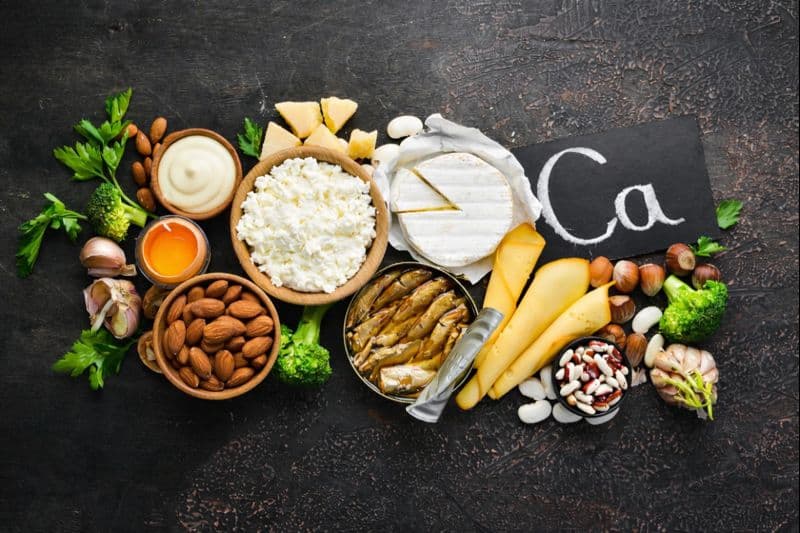
Ever since childhood, milk has been presented as the ultimate go-to health drink, essential to maintain strong bones and teeth. While it is certainly a classic drink that is rich in calcium, along with other benefits, it is far from the only viable source to meet your calcium requirements. Your calcium intake isn’t limited to a daily glass of dairy. For countless people who have trouble digesting milk, following a vegan diet, or simply do not enjoy consuming milk, there are other options to get their calcium naturally. In fact, some of these foods you might already be eating without knowing how rich they are in calcium. So, here are some calcium-rich foods you should know about.
Why is Calcium So Important For You?
Calcium is one of the body’s most vital minerals, serving many purposes beyond just keeping your bones and teeth strong. Most of it is stored in the bones, giving them structure and strength, while a smaller portion supports key daily functions like muscle movement, nerve communication, blood clotting, and maintaining a regular heartbeat. If your diet lacks enough calcium, your body compensates by taking it from your bones, which can gradually weaken them and raise the risk of fractures.
It facilitates the transfer of nerve signals for reflexes and acute focus, propels muscular contractions, and even regulates blood pressure by encouraging vessel relaxation. If you don’t get enough, you might experience fatigue, cramps, brittle nails, or mood fluctuations as a result of hormonal imbalance.
Getting enough calcium is crucial during childhood, pregnancy, and older age when bone density naturally decreases. It also works hand in hand with nutrients such as vitamin D and magnesium to ensure proper absorption and use. That’s why consistently including calcium-rich foods in your diet is essential for lasting bone strength and overall health.
Calcium-rich Foods To Include in Your Diet
Whole Almonds
When it comes to taste and nutrition, almonds have almost too much going for them. They are an excellent food to eat on a regular basis since they are high in plant-based protein, fibre, healthy fats, and vitamin E, all of which promote tissue, immunological, digestive, and heart health. At the same time, these tasty nuts also contain more calcium than cow milk, cup for cup, making them great providers of the mineral. Almonds can be enjoyed in a variety of ways. Soaked almonds are a great breakfast option because they are high in protein and good fats. They can also be roasted on their own or added to a trail mix, or they can be used in baked items.
Chia Seeds
Chia seeds are a great source of fibre, protein, and omega-3 fatty acids, among other healthy nutrients that help with weight management and improved digestion, and more. At the same time, these nutrient-dense seeds are high in calcium, with about 333mg in just four tablespoons. Additionally, chia seeds include boron, which aids in the body’s metabolism of calcium, phosphorus, and magnesium and encourages the growth of bones. They are also a great complement to a variety of recipes due to their crisp texture and neutral flavour.
Tofu
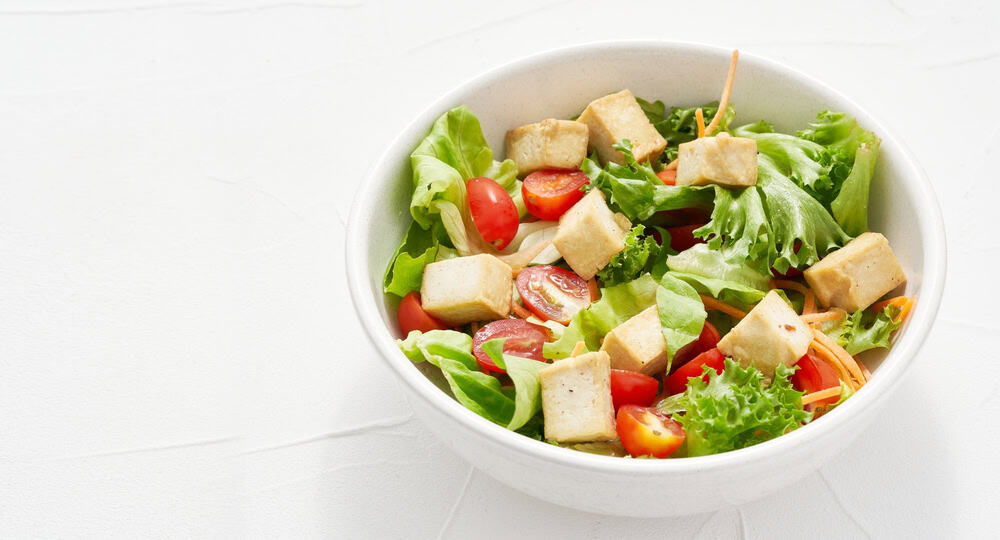
Tofu is commonly regarded as an excellent plant-based protein, B vitamin, and iron-rich food, but it is also a high calcium source. Each cup contains roughly 500 mg of calcium. This is because calcium sulphate is frequently employed as a coagulant during the tofu-making process, increasing its calcium concentration. Firm tofu’s neutral flavour, smooth texture, and well-rounded nutrients make it a delicious addition to a variety of recipes and an excellent vegan alternative to paneer.
Ragi
When it comes to natural calcium sources, ragi is among the foods with the highest calcium concentration. While sometimes overlooked in favour of wheat or rice, ragi is a nutrient-dense powerhouse that is widely used in South Indian cooking. Ragi contains around 344mg of calcium per 100 g, nearly three times more than the same amount of milk. Aside from the numbers, Ragi is an excellent choice for diabetics and individuals controlling their weight because it is gluten-free and has a low glycaemic index. It is especially good for elderly persons, pregnant women, and youngsters due to its bone-supporting properties.
Sesame Seeds
Do not be fooled by their tiny size; sesame seeds are perhaps the most concentrated source of calcium you can find in your kitchen. Just 100 g of these seeds can contain anywhere between 900mg to 122mg of calcium. They also supply magnesium and phosphorus, minerals that work alongside calcium to strengthen bones. These tiny powerhouses shine in bioavailability, especially when roasted or as tahini, and pack magnesium for better absorption. Studies show they support bone density better than many dairy sources when eaten regularly. They are also rich in zinc and copper, which help in the formation of collagen, ensuring that your bones are not just hard, but also flexible and resistant to fractures. From Laddoos to chutneys or sprinkling them on your salads, there are many easy ways to include sesame seeds in your diet.
Wrapping up
Calcium plays a vital role throughout all stages of life, but meeting your daily requirements doesn’t have to depend solely on drinking milk. While milk is well-known for being rich in calcium, it’s far from the only option available. Plenty of everyday foods like nuts, seeds, grains, and plant-based proteins can offer equal or even greater amounts of calcium, often with extra nutritional advantages. For those who avoid milk due to digestion concerns, dietary choices, or personal taste, these alternatives make it simple to maintain healthy calcium levels without sacrifice. It’s also worth remembering that calcium works best when your body can absorb it efficiently. Nutrients such as vitamin D, magnesium, and boron enhance calcium absorption and use, and including calcium-rich foods throughout the day can further improve how well your body takes it in.
FAQs
Why is calcium important for the body?
Calcium supports strong bones and teeth, muscle mobility, neurone function, blood coagulation, and helps maintain a healthy heartbeat.
Is milk the only good source of calcium?
Milk is a rich source of calcium, but there are other foods like almonds, sesame seeds, Kale, Tofu etc can also help you meet your daily calcium requirements.
How much calcium do I need every day?
As per the experts, most healthy adults need around 1000mg of calcium every day, while pregnant women and women over 50 need about 1200mg on a daily basis.
What happens if you don’t get enough calcium?
Calcium deficiency can cause weak bones, brittle nails, muscle cramps, fatigue, and an increased risk of osteoporosis over time.
Why is vitamin D important with calcium?
Vitamin D plays a key role in your body, effectively absorbing calcium and reaping its benefits.
(The article is written by Ehsan Siddiqui, Team Lead and reviewed by Monalisa Deka, Deputy Manager, Clinical Health & Content, Medical Affairs)
Recommended Read:
Waking Up Early Can Help You Rise and Shine—Here’s How!
Brain Exercises: Simple Habits to Stay Sharp as You Age