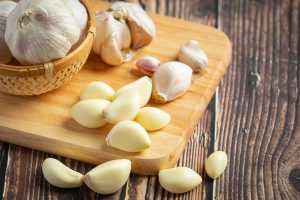
Garlic is a very common cooking ingredient, widely acclaimed for its distinctive flavor and potential health benefits. It’s been studied for its heart health benefits and as an antioxidant. Some people will even eat garlic at night, thinking it is good for digestion, good for the immune system, and good for them in general.
Yet, does eating garlic give you other advantages health-wise? Is raw garlic better than cooked garlic? And will eating garlic at night result in heartburn?
Garlic (Allium sativum) contains a variety of bioactive components, including allicin, alliin, and other sulfur-containing substances, which have been studied for their potential medicinal effects. However, there is no scientific proof that eating garlic at night is more beneficial for health than eating it at any time during the day [1].
Possible Advantages of Consuming Garlic During Evening Meals
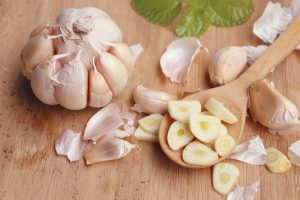
Garlic is rich in compounds that can yield various beneficial effects on health. Below are several ways in which garlic can be useful during dinner.
1. Could Be Good For The Heart
The science on garlic and heart health: What the studies say. Compounds in garlic may have an impact on several processes contributing to heart wellbeing.
A 2026 systematic review and meta-analysis of 108 clinical trials involving 7,137 participants found that garlic supplementation was associated with modest improvements in certain cardiovascular risk markers, including blood pressure, total cholesterol, LDL cholesterol, and triglycerides. However, these findings relate to garlic supplements and cannot be directly generalized to eating garlic cloves as part of everyday meals [2].
However, the above research findings are associated with garlic supplements, not garlic consumption at night. Garlic should be considered a supplement to mainstream medical therapies, not a substitute for them.
2. Antioxidants
The bioactive components of garlic include allicin, diallyl sulphide, and S-allyl cysteine, which are scientifically proven to have antioxidant effects.
These agents may protect the body from oxidative stress produced by free radicals. Oxidative stress is a phenomenon leading to cellular injury and many chronic health conditions.
The efficacy of garlic and its bioactive substances has been studied. However, further research is required to measure the extent of these benefits from regular dietary consumption [3].
3. May Support Immune Function
Garlic has been used in folk medicine for its antimicrobial and immune-enhancing properties.
Evidence from laboratory studies shows that its sulphur-containing ingredients may affect the immune response. While scientific evidence on using garlic for enhancing immunity is scarce, there is no proof of its efficacy if ingested before sleep [1, 3].
4. May Help Maintain Healthy Cholesterol Levels
Garlic supplementation has been studied for its potential effects on cholesterol management. A 2026 meta-analysis found modest improvements in total cholesterol, LDL cholesterol and triglyceride levels among adults receiving garlic interventions. However, ordinary dietary garlic should not be considered a proven treatment for high cholesterol [2].
However, the results may vary depending on the garlic preparation, dosage, duration of use, and individual health status. Eating a few garlic cloves at night has not been established as a treatment for high cholesterol.
5. Possible Benefits to Digestive Health
Garlic contains bioactive compounds that might affect gut bacteria and digestion. In the laboratory, digestive benefits of garlic have been flagged. Yet studies have not yet provided evidence that eating garlic at night helps with digestion or constipation [3].
Moreover, garlic has fructans, which are fermentable carbs. These could potentially cause gas and bloating for people with irritable bowel syndrome (IBS) or FODMAP sensitivity [4].
Raw Garlic versus Cooked Garlic at Night: Which Is Better?
Raw and cooked garlic could help health-wise, but their chemical structures differ during preparation.
Raw Garlic
Raw garlic contains a sulphur compound called alliin. When garlic is smashed or chewed, this compound gets converted by the enzyme alliinase into the allicin compound. Allicin is one of the main bioactive compounds in garlic [3].
Pros:
- It allows for the formation of allicin by crushing garlic right before use.
- It contains sulphur-containing bioactive compounds.
- It might have antioxidant and antimicrobial effects.
Cons:
- It might cause heartburn or stomach upset.
- It might cause bloating and gas.
- It might cause bad breath or odour.
Cooked Garlic
Cooking garlic relates to the chemical alteration of its components. Along with this, it deactivates or decreases the amount of a specific enzyme, alliinase, that generates a compound called allicin.
However, cooked garlic includes specific sulphur components and contributes to a healthy diet [3,5].
Possible advantages:
- Cooked garlic is usually more tolerated than raw garlic among many people.
- It has a milder taste and texture.
- It can be easily put into soups, dals, vegetables, and other meals.
Potential disadvantages:
- Cooking reduces the amount of allicin.
- A long cooking process can change some bioactive components.
- Research published in 2018 investigated the bioavailability and bioequivalence of allicin from different garlic preparations, including supplements and food sources. However, these findings do not establish that raw garlic is nutritionally or medically superior to cooked garlic [5].
Which should you choose?
If you can eat raw garlic without any problems, include it in your regular diet. If raw garlic causes you some acid or digestion issues, cooked garlic may be a better choice. Neither form has been proven to provide additional health benefits specifically when consumed at night.
Who Needs to Stay Away from Garlic at Night?
In culinary uses, garlic is mostly safe. However, some groups might face side effects and complications
1. Acid Reflux and GERD Sufferers
Some individuals might suffer from heartburn, acid reflux, or stomach discomfort due to the presence of raw garlic. Eating raw garlic just before going to bed might aggravate the symptoms.
2. IBS or Sensitive Gut People
Garlic contains fructans, fermentable carbohydrates that may cause gas, bloating and abdominal discomfort in people with IBS or fructan sensitivity [4].
3. People On Blood Thinning Drugs
Garlic supplements may increase the risk of bleeding, particularly when taken alongside anticoagulants, antiplatelet medicines or aspirin. People taking these medications should consult their healthcare provider before using garlic supplements. Normal culinary quantities of garlic should not automatically be treated as equivalent to concentrated supplements.
Those who need to take such medicines should consult their doctors before taking large quantities of garlic supplements.
4. People Undergoing Surgery
High doses of garlic supplements may interfere with blood clotting and increase the risk of bleeding during surgery [1].
Make sure to inform your doctor if you have taken garlic supplements before surgery.
5. People Who Suffer from Garlic Allergy
Some people may manifest an allergic reaction to garlic when taken. It is characterised by symptoms like itching, skin rash, swelling, or problems with breathing. If you notice your throat swelling or breathing problems, call your doctor immediately [1].
6. Pregnant and Nursing Women
Garlic consumed in normal food quantities is generally considered safe during pregnancy and breastfeeding. However, the safety of high-dose garlic supplements or medicinal preparations is not well established. Pregnant and breastfeeding women should consult their healthcare provider before using garlic supplements [1].
How to Properly Consume Garlic at Night?
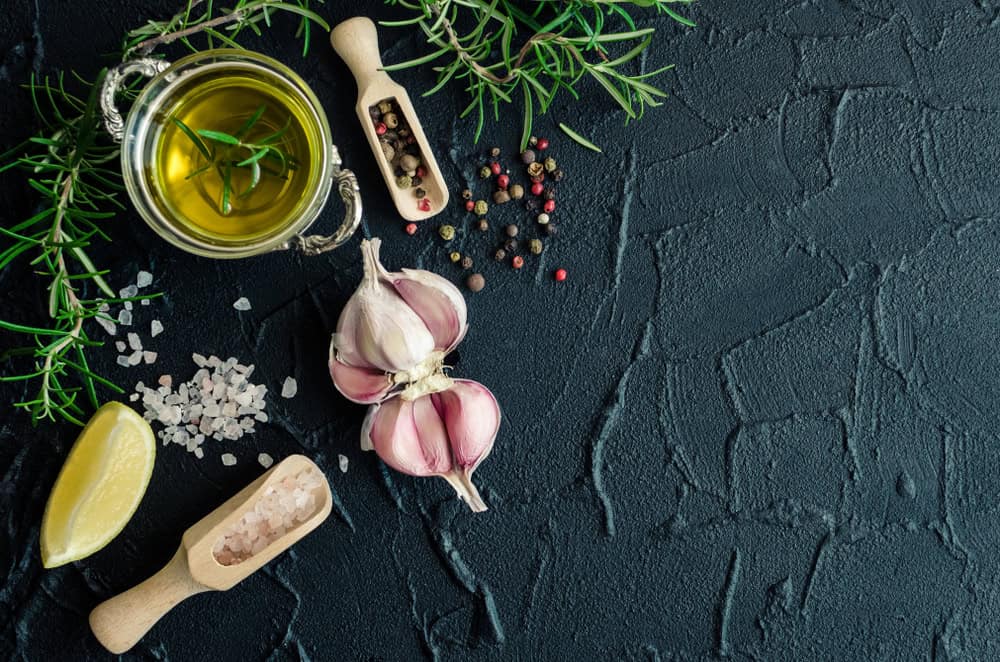
If you like garlic, using it during dinner won’t cause you any additional hassle.
Here are some tips on how to do it:
- Put crushed garlic into vegetable soup or dal.
- Cook garlic together with vegetables.
- Add garlic to chutneys and other dishes.
- Avoid eating raw garlic on an empty stomach.
- If you have problems with digestion right after the intake of raw garlic, shift to cooked one.
- Avoid consuming garlic before going to bed, especially if it causes you reflux.
The Bottom Line
Eating garlic at night is a simple way to add beneficial antioxidants and sulfur-containing compounds into your diet. Nevertheless, there’s no strong scientific proof that garlic consumption has any added health benefits at night as opposed to the day. Both types of garlic have health benefits, although raw garlic may cause a greater degree of digestive discomfort for those with sensitive digestive systems. Pick whichever form is suitable for your digestive system, and always consult your physician before taking garlic supplements if you are also taking medication.
FAQs
Q. Can we eat garlic every night?
Garlic can be added to meals regularly, but you do not have to eat garlic every night to experience its beneficial effects.
Q. Can eating garlic at night lower your blood pressure?
Garlic supplements may have a slight blood pressure-lowering effect on some people, but no evidence suggests that eating garlic at night has any extra benefits.
Q. Does raw garlic have more health benefits than cooked garlic?
Raw garlic can produce more allicin than cooked garlic, but cooked garlic is often easier to digest. Both raw and cooked garlic can be used in a balanced diet.
Q. Can eating garlic at night cause acidity?
Yes, this can happen. Sensitive people might experience a potential risk of heartburn and stomach problems after eating large amounts of raw garlic.
Q. How much garlic can I eat in a night?
There is no established dosage for garlic at bedtime in scientific studies. Use garlic in normal cooking amounts instead of using several cloves for health reasons.
Q. Can eating garlic at night enhance the immune system?
Garlic has some properties that may affect immunity positively. However, there is not enough research conducted in humans to support the idea that nighttime intake of garlic can improve immunity.
Q. Is eating garlic at night effective for weight loss?
There is insufficient evidence to prove that garlic consumption at night aids in burning fat. However, keeping a balanced diet and exercising regularly is still necessary for weight loss.
Q. Is it advisable to drink water after taking raw garlic?
You may drink water to wash away the strong taste of garlic that comes with its consumption. But drinking water after intake of garlic is not guaranteed to prevent the acidity and the problems with digestion.
(The article is written by Deepa Sarkar, Senior Medical Writer, and reviewed by Monalisa Deka, Deputy Manager, Clinical Health & Content, Medical Affairs)
References
1. National Center for Complementary and Integrative Health. Garlic: Usefulness and Safety [Internet]. Bethesda (MD): National Institutes of Health [cited 2026 Nov 2]. Available from: https://www.nccih.nih.gov/health/garlic
2. Behrouz V, Zahroodi M, Clark CCT, Mir E, Atashi N, Rivaz R. Effects of garlic supplementation on cardiovascular risk factors in adults: A comprehensive updated systematic review and meta-analysis of randomized controlled trials. Nutr Rev [Internet]. 2026;84(1):1–35. Available from: http://dx.doi.org/10.1093/nutrit/nuaf090
3. Shang A, Cao SY, Xu XY, Gan RY, Tang GY, Corke H, et al. Bioactive compounds and biological functions of garlic (Allium sativum L.). Foods [Internet]. 2019;8(7):E246. Available from: http://dx.doi.org/10.3390/foods8070246
4. Monashfodmap.com [Internet]. [cited 2026 Nov 2]. FODMAP food list. Available from: https://www.monashfodmap.com/about-fodmap-and-ibs/high-and-low-fodmap-foods
5. Lawson LD, Hunsaker SM. Allicin bioavailability and bioequivalence from garlic supplements and garlic foods. Nutrients [Internet]. 2018;10(7):E812. Available from: http://dx.doi.org/10.3390/nu10070812