
Have you noticed that some girls nowadays are growing up faster? Developing earlier or becoming more emotionally sensitive even before they are 10 years old? Girls are actually starting puberty at younger ages than in the past. This trend raises many questions and concerns: Why is this happening? What does early puberty in girls mean for a child’s physical and emotional health? And is it something parents should worry about?
Puberty isn’t just a set of physical milestones—it’s a complex biological and emotional transition. This transition prepares a young body for reproductive maturity. When this starts to happen earlier than expected, it can feel confusing and overwhelming for both girls and their families. Let’s unfold the possible causes, the associated risks, and the ways families can respond supportively.
What Does the Onset of Early Puberty in Girls Mean?
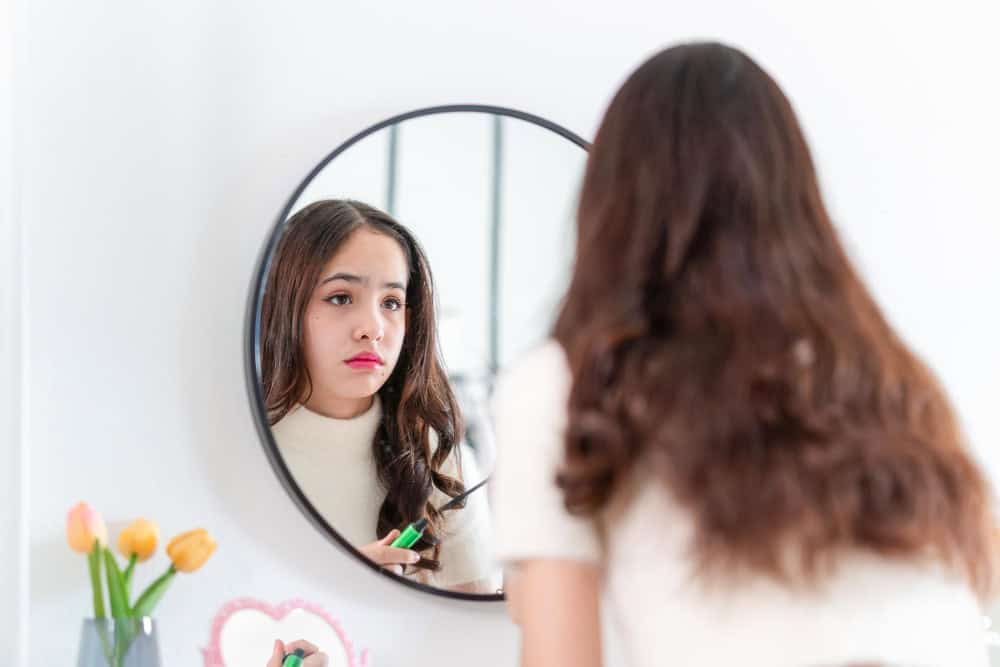
The onset of puberty in the 1900s was marked by menarche (first menstruation) that occurred around ages 14 to 15. But over the past several decades, research shows that this age is gradually decreasing [1]. The average age at the start of puberty in girls has shifted earlier by roughly three months per decade from 1977 to 2013, adding up to a noticeable change across generations [2]. Some girls are now showing secondary sex characteristics — like breast development and body hair — at ages as young as 7 or 8. This is known as precocious puberty, which generally occurs well before the expected window for puberty [2].
What Triggers Puberty? A Quick Biological Background
Puberty begins when a region in the brain called the hypothalamus releases a hormone called gonadotropin-releasing hormone (GnRH). GnRH is a hormone that sends a signal to the pituitary gland. In response, the pituitary releases hormones that “switch on” the ovaries. Once the ovaries are active, they produce estrogen, which leads to physical changes. These changes can be signs of puberty, such as breast development, etc. This hormonal cascade is delicate and influenced by many factors — genetics, body composition, environment, and more.
Multiple Interacting Factors Behind Early Puberty in Girls
There’s no single cause of puberty starting so young. Rather, multiple biological and environmental factors are likely at play.
1. Obesity and Increased Body Weight
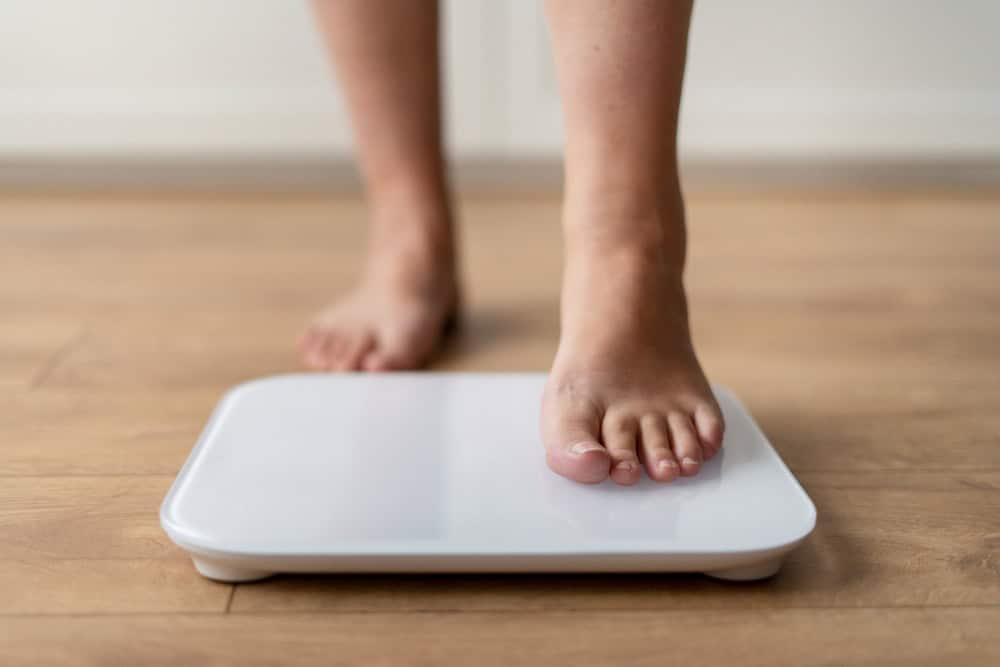
Research suggests that girls with higher body fat tend to begin puberty sooner than peers with lower body fat [1]. The fat tissue produces hormones like leptin, which signal energy sufficiency and may influence the hormonal initiation of puberty. While obesity doesn’t explain all early puberty in girls, it remains an important contributing factor.
2. Quality of Diet
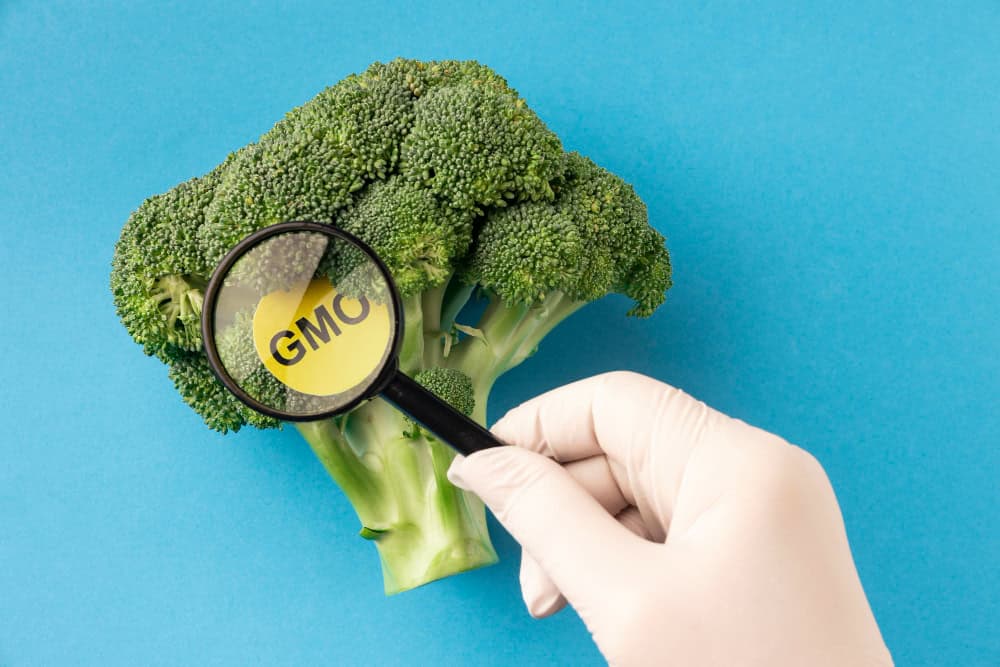
It is not just body weight, but the quality of the diet may influence puberty timing. Girls whose diets are high in ultra-processed foods (UPFs) or added sugars can experience hormonal imbalances and hit puberty earlier [1]. This hints that nutritional patterns beyond just calories or body fat may interact with hormone regulation. Thus, one should eat healthy and nutritious foods to regulate the body’s mechanisms better.
3. Influence of Endocrine-Disrupting Chemicals (EDCs)
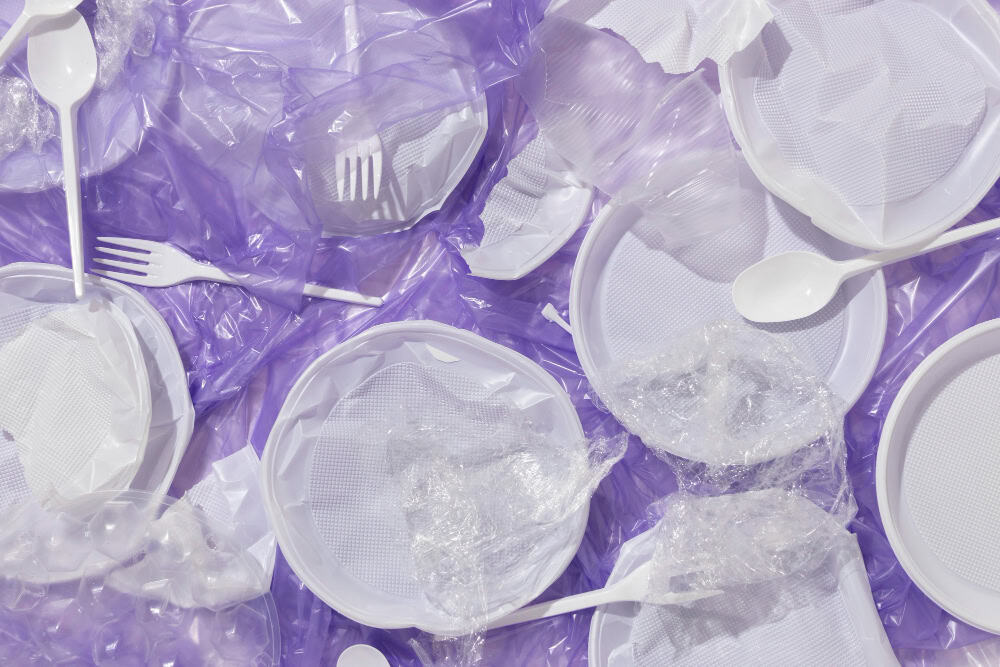
The endocrine-disrupting chemicals found in everyday items, like soaps, plastics, etc., can interfere with hormonal systems and may also trigger early puberty in girls. These chemicals can mimic or block hormones and influence the same receptors involved in puberty initiation. For example, lab studies exposing human brain cell models to environmental compounds found many that activate puberty-related hormone receptors. Some experiments in animals also showed changes in brain regions responsible for hormone release after chemical exposure [3].
4. The Impact of Stress and Lifestyle Changes

Stressful early environments — including socioeconomic adversity, family instability, or trauma — have been linked with earlier puberty. Factors like increased screen time, reduced physical activity, disrupted sleep, and poorer diet patterns were associated with a noticeable uptick in cases.
Stress in early life can influence the hypothalamic–pituitary–adrenal (HPA) axis, which is linked to reproductive hormone regulation. Some studies show that girls who experienced chronic stress or adversity in early childhood are more likely to begin puberty earlier, though the exact mechanisms remain under study [4].
Health Risks of Early Puberty in Girls

Early puberty in girls isn’t just about physical changes — it can have long-term implications for health and well-being.
- Shorter Adult Height
Girls who enter puberty early tend to grow faster initially but stop growing sooner, which can result in a shorter final adult height than genetically expected.
- Increased Risk for Chronic Conditions
Studies link early puberty with higher lifetime risks of type 2 diabetes, obesity, and hypertension [5]. Some metabolic and cardiovascular conditions may also arise.
- Emotional and Psychological Challenges
Early physical maturation can leave girls feeling out of sync with their peers. Girls with early puberty may experience:
– Higher rates of depression, or behavioural dysfunction [5]
– Poorer body image
– Greater vulnerability to peer pressure
– Increased risk-taking behaviours such as substance use or early sexual activity
- Social and Developmental Disparities
When the body matures before the brain and emotional skills are fully developed, girls may struggle to navigate:
– Complex social dynamics
– Self-esteem issues
– Adult expectations are placed upon them because of their appearance
Supportive Tips That Parents Can Follow

Although early puberty in girls can feel scary, parents and caregivers can play a crucial role. For a child, they can make this manageable and healthy.
1. Age-Appropriate and Open Discussions
Talking openly about puberty can help normalize the experience and make children feel less alone or different. Honest, supportive conversations can reduce shame and anxiety.
2. An Appropriate Emphasis on Health Practices
Overall health can be supported by a stable home environment, regular exercise, a balanced diet, and restful sleep. They may also increase resilience and well-being even though they don’t “stop” puberty from occurring.
3. Keep an eye on their mental well-being
Early puberty may make a person more susceptible to emotional difficulties. Keep an eye out for indications of stress, withdrawal, or mood swings, and if necessary, seek professional assistance.
4. Seek Medical Assessment When Required
A medical professional can evaluate puberty more accurately if it starts abnormally early (before the age of eight in girls). They are able to determine whether this is due to an underlying medical condition or falls within normal variation. In certain situations, doctors may prescribe drugs to manage certain health issues or to slow the progression and help preserve height potential.
Complex Phenomenon With No Simple Answer
Early puberty in girls isn’t caused by a single factor—it’s a multifaceted issue involving biology, environment, lifestyle, and societal changes. While patterns like increased obesity and environmental chemicals are likely contributors, research is ongoing and evolving. What is clear is this: early puberty can affect health, emotions, and social development. Addressing this requires empathy, evidence, and thoughtful support.
With better understanding and open communication, families and healthcare providers can help girls navigate these changes with confidence and resilience.
FAQs
Q. What are some of the risk factors of early puberty in girls?
Excess body weight, exposure to hormone-disrupting chemicals, genetics, early life stress, poor diet, and limited physical activity are common risk factors.
Q. What are the first signs of puberty in females?
Breast development is usually the first sign, followed by a growth spurt, body odour, and the appearance of pubic or underarm hair.
Q. What all can trigger a female’s first menstruation?
Hormonal changes from the brain and ovaries, reaching a certain body fat level, genetics, nutrition, and overall health play key roles.
Q. Can weight gain be related to puberty in females?
Yes, increased body fat can signal the body to start puberty earlier. Hormonal shifts during puberty can also lead to temporary weight gain.
Q. Can your final height be affected if you experience early menstruation?
Yes, early menstruation can cause growth plates to close sooner, which may result in a shorter adult height.
Q. Can lifespan be affected by early puberty?
Indirectly, yes. Early puberty is linked to higher long-term risks of conditions like heart disease, diabetes, and certain cancers, which can impact overall health over time.
Q. What are some foods females should avoid during puberty?
Ultra-processed foods, sugary drinks, excessive junk food, and highly refined carbs should be limited. As all these may affect hormones and weight balance.
Q. How can someone delay puberty naturally?
Puberty can’t be “stopped”, but some changes may help support normal timing like:
– Maintaining a healthy weight
– Eating a balanced diet
– Staying active
– Managing stress
– Reducing exposure to endocrine-disrupting chemicals
References
1. Clliu. Why are young girls going through puberty earlier? UCLA G. Oppenheimer Center for Neurobiology of Stress and Resilience. https://uclacns.org/why-are-young-girls-going-through-puberty-earlier/. Published July 25, 2024.
2. Sharma L, Daley SF. Precocious puberty. StatPearls – NCBI Bookshelf. https://www.ncbi.nlm.nih.gov/books/NBK544313/. Published November 7, 2025.
3. Certain chemicals may trigger early puberty in girls. National Institutes of Health (NIH). https://www.nih.gov/news-events/nih-research-matters/certain-chemicals-may-trigger-early-puberty-girls. Published September 18, 2025.
4. Street ME, Ponzi D, Renati R, et al. Precocious puberty under stressful conditions: new understanding and insights from the lessons learnt from international adoptions and the COVID-19 pandemic. Frontiers in Endocrinology. 2023;14. doi:10.3389/fendo.2023.1149417
5. Sun Y, Liu H, Mu C, Liu P, Hao C, Xin Y. Early puberty: a review on its role as a risk factor for metabolic and mental disorders. Frontiers in Pediatrics. 2024;12:1326864. doi:10.3389/fped.2024.1326864
(The article is written by Sneha Jajoo, Intern, Clinical Health & Content, and is reviewed by Dr.Subita Alagh, Assistant Team Lead, Disease Content.)