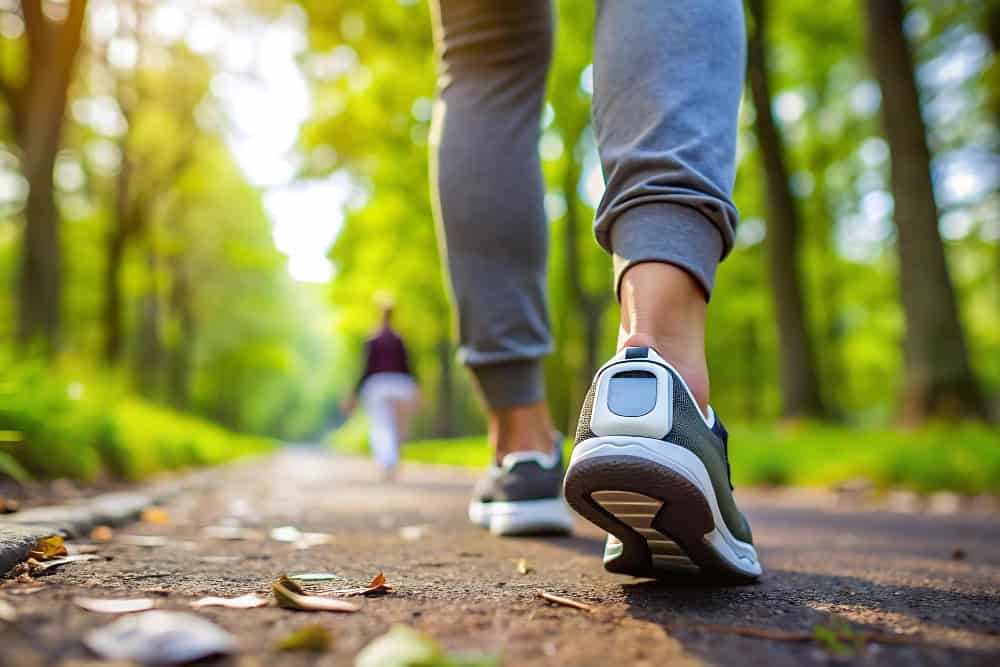
When you think of losing weight, you think of working out at the gym, following a diet plan, or doing enough cardiovascular activity to exhaust yourself. However, you might already be doing one of the best ways to burn fat: simply walking.
Walking is a low-impact exercise that everyone can access. It has no costs and is very sustainable. Walking does not stress your joints, requires no special equipment, and fits easily into your daily schedule. So, how many steps or how much walking do you need to lose weight?
Let’s examine this from a scientific, practical, and realistic standpoint.
How Weight Loss Happens (A Quick Recap)

To lose weight, you need to burn more calories than you eat. Walking helps you burn extra calories without putting much stress on your body.
On average:
- A brisk 30-minute walk burns about 120 to 200 calories, depending on your weight and how fast you walk.
- 10,000 steps will result in burning anywhere from 300 to 500 calories.
- Adding an hour of walking to your daily routine and combining it with mindful eating will provide you with steady weight loss.
However, the actual amount of walking will vary depending on your current weight, walking speed, diet, and overall lifestyle.
So, How Much Should You Walk Daily?

For Beginners:
- 30 minutes a day
- Start with 6,000–8,000 steps
- Be consistent with your time, not your pace
For Noticeable Weight Loss:
- 45 – 60 minutes a day
- 8,000–12,000 steps
- Add brisk pace intervals
For Rapid Fat Loss (With Diet):
- 60+ minutes of walking
- 12,000+ steps
- Add walking variations
Keep in mind that walking alone won’t overcome the effects of a poor diet; a sustainable fat loss plan should also include a healthy diet.
Why Walking Promotes Weight Loss?

Because it helps with:
- Constant caloric expenditure
- Decreased stress levels (which helps prevent weight gain from high levels of cortisol)
- Increased insulin sensitivity
- Increased metabolism
- Aiding hormonal balance
If you walk after meals, you will reduce blood sugar spikes, which aids in weight loss.
How To Change Your Walk To Maximize Its Effectiveness For Weight Loss

If you think walking is too slow for weight loss, you can make adjustments to increase its efficiency. These changes help you burn more calories without extra impact on your joints, making them ideal for beginners and those avoiding high-impact exercises.
The following are three modifications you can include in your walking routine:
1. Power Walking
Power walking means walking faster than a casual pace (between 3 and 5 mph) without the bouncing of jogging. It is like walking quickly enough to catch the bus without running.
While you’re walking with this technique, you can create more movement by using your arms and core muscles. You’ll notice you are exerting yourself if your breathing rate increases. By walking at this intensity, you can burn a similar number of calories as you would by running a mile, depending on pace and duration.
Benefits:
- More calories burned than casual walking
- Cardiovascular health
- Improved mood and decreased stress
- Increased endurance
Power walking is an excellent way to lose weight without actually having to run (which most people dislike). The result is similar to running when looking for a way to lose fat.
2. Speed Walking
Similar to running, speed walking will raise your heart rate. However, it may take longer to burn the same amount of calories as running, depending on your pace and the time spent. Speed walking also helps your lungs work more efficiently and supports heart health.
If you’re recovering from an injury or want to do cardio with less impact, speed walking provides many of the same benefits as running does.
How It Works:
- Improves the amount of oxygen used by your body
- Improves the heart’s performance
- Promotes permanent loss of body fat
Over time, if you maintain consistency with speed walking, you will see improvements in your body.
3. Inclined Walking
When you walk on an incline (either outdoors or on a treadmill with an incline), this will greatly increase the intensity of your workout without requiring you to run.
Benefits of Inclined Walking:
- More calories are burned than when you walk on a flat surface.
- Targets thighs, hips, and glutes.
How Many Steps Equal 1 Kg Weight Loss?
To lose 1 Kg of body fat, you will need approximately 7700 calories less than what you consume.
If you walk enough to burn 300 calories a day more than you eat
- Then you will lose about 1 kilo in approximately 25 days (with good diet management).
Typical fat loss can be:
- 0.5 to 1 kilo per week. (So slower & steadier is healthier and easier to sustain.)
Best Times to Walk for Weight Loss

Although the best time for you is the time that fits your schedule, there are benefits to each of the following times:
Morning Walking:
- Boosts metabolism for the day
- Lifts mood
- Starts the day healthy
Evening Walking:
- Aids in digestion
- Reduces stress
- Helps sleep
After Meals:
- Helps control blood sugar
- Supports fat-burning to occur after you eat
Note: As little as a 10-minute-15 minute walk after eating can be very effective.
Walking with Smart Eating to See Results Faster

Walking works best when done in combination with a healthy lifestyle.
To see results faster:
- Increase your protein intake.
- Limit your sweetened drinks.
- Eat lots of fresh, colorful vegetables.
- Drink plenty of water.
- Do not go on crash diets.
Common Misconceptions about Walking for Weight Loss

Do not:
- Walk too slow for your level of fitness
- Forget to increase the intensity of your walking
- Overeat because you “worked out.”
- Expect to see fast results in one week
- Skip rest and recovery between workouts
Remember, weight loss is a marathon, not a sprint!
Interesting Facts About Walking & Fat Loss
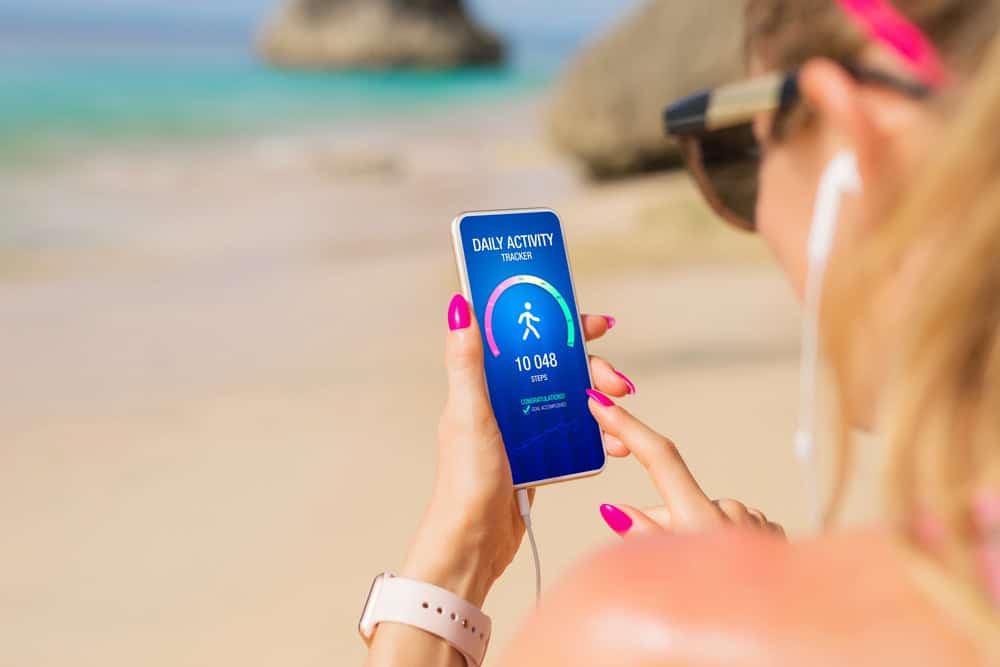
The following are some interesting facts about fat loss while walking:
- Walking 10,000 steps a day will help decrease belly fat over time.
- When walking outdoors, your body produces more vitamin D, which helps your metabolism run effectively.
- Walking in nature decreases the amount of stress hormones that are related to body fat and can be used to lose weight.
- Walking in a fasted state can help increase fat utilization (this is not a requirement).
Who Should Be Careful?
Please check with your doctor before you walk in the following cases:
- Have severe obesity
- Experience joint pain
- Have heart conditions
- If you have had recent surgery
Most people can safely walk; however, it is better to have a plan tailored to you.
Traditional Daily Walking or Japanese 3-3-3 Walking Method. Which one is better at burning fat?
The Japanese 3-3-3 walking method combines a regular interval of walking (brisk) and a longer interval of moderate walking to create a systematic, effective way to lose weight through walking. Each type of walking also has its own specific time measurement to help maximize calories burned while walking, as opposed to a leisurely or slower pace.
Overview of Daily Walking
- Easy to Begin
- Walking can be performed from any location
- Daily Walking establishes a lifetime habit
- Average calories burned during one Session: 120–300 cal., depending on the difficulty and length of time for Walking.
Overview of Japanese 3—3-3—3 Walking Method
- Walking is performed within timed intervals.
- Walking raises heart rate more effectively.
- Walking burns more calories in less time.
- Walking provides improved cardiovascular fitness and endurance.
Which method is better for burning fat?
Daily walking will yield many benefits; however, if you are focused on maximizing calorie expenditure or transitioning into a more encouraged physical activity, the Japanese 3-3-3 method may have an advantage in terms of intensity.
To achieve your fat loss goals, use a combination of regular walking and interval-based mobility (like the Japanese 3-3-3 Method) several times per week.
Learn more about the Japanese 3-3-3 Walk Method as a Weight Loss Program.
Walking for Weight Loss Calculator
Use the table below to estimate how much walking you may need based on your weight-loss goals.
*Estimates vary depending on body weight, pace, terrain, and walking intensity. |
Daily Step Targets for Weight Loss
Remember that diet quality, sleep, and consistency play major roles in achieving sustainable weight loss. |
The Fat-Loss Footnote
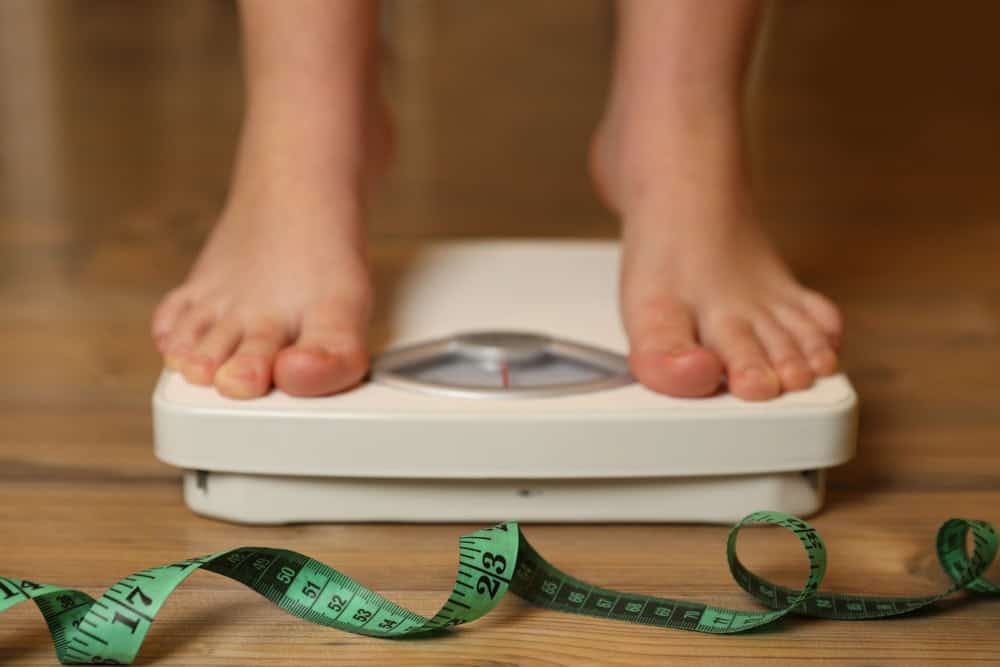
You can lose weight without participating in extreme forms of exercise. Most people can achieve gradual and permanent fat loss by doing 45-60 minutes of brisk walking every day in addition to having a healthy eating pattern.
Once you are consistent with walking, it becomes one of the most effective methods to burn body fat when done daily with differing levels of intensity.
Begin at your level, walk at your speed, and build up to where you want to go, while allowing your walking to be the driving force behind this transformation.
FAQs
Q. Is 30 minutes of walking enough for weight loss?
Yes, especially for beginners. However, walking 45-60 minutes improves fat loss results.
Q. How many steps should I try to take per day?
8,000-12,000 per day is the number of steps you need to start seeing noticeable changes in fat loss.
Q. Will walking help me lose belly fat?
Yes. Walking can help with all fat loss and will also help reduce the amount of belly fat you have lost overall.
Q. Is walking better than running?
Running burns more calories at a quicker rate compared to walking; the increased chance of injury from running makes walking a better option because of the lower impact on your joints and the long-term sustainability of your body.
Q. When will I see results?
You will likely start to notice visible changes within three to six weeks if you perform your walking program on a consistent basis.
Q. Should I walk every day?
Yes, although you should listen to your body. Light walking on your rest days will be beneficial.
Q. Will walking tone your legs?
Brisk walking and incline walking have the greatest ability to tone the legs (thighs, calves, etc.) and buttocks (glutes).
Q. Can I walk indoors?
Yes, using a treadmill, walking through a corridor, and/or marching in place will all count as steps taken during the day.
Q. Is 30 minutes of walking enough for weight loss?
Yes, especially for beginners. However, walking 45-60 minutes improves fat loss results.
Q. How many steps should I try to take per day?
8,000-12,000 per day is the number of steps you need to start seeing noticeable changes in fat loss.
Q. Will walking help me lose belly fat?
Yes. Walking can help with all fat loss and will also help reduce the amount of belly fat you have overall.
Q. Is walking better than running?
Running burns more calories at a quicker rate compared to walking; the increased chance of injury from running makes walking a better option because of the lower impact on your joints and the long-term sustainability of your body.
Q. When will I see results?
You will likely start to notice visible changes within three to six weeks if you perform your walking program on a consistent basis.
Q. Should I walk every day?
Yes, although you should listen to your body. Light walking on your rest days will be beneficial.
Q. Will walking tone your legs?
Brisk walking and incline walking have the greatest ability to tone the legs (thighs, calves, etc.) and buttocks (glutes).
Q. Can I walk indoors?
Yes, using a treadmill, walking through a corridor, and/or marching in place will all count as steps taken during the day.
Q. 30 Minutes of walking is enough to lose weight?
Walking briskly for 30 minutes can burn 120-200 calories, and combined with a caloric-controlled diet, allows for gradual and sustainable weight loss.
Q. How many miles is 10,000 steps?
Typically, for the vast majority of adults, 10,000 steps equals approximately 4-5 miles (6.4-8 km), though this is dependent on your stride length and how quickly you walk.
Q. Will walking help me lose 10 pounds?
Yes! One pound of fat equals 3,500 calories, and to lose 10 pounds, you must create a caloric deficit (burn off) 35,000 calories. By loading regularly and eating healthily over the long term, you will lose weight.
Q. Is walking more beneficial than running for weight loss?
Running will generally burn more calories in a given time period than walking. However, walking is easier to maintain, puts less strain on the joints, and is more likely to provide you with long-term compliance to the exercise.
Q. Does walking after meals aid in weight loss?
Walking for 10-15 minutes after your meals will help your body maintain healthy blood sugar levels, improve digestion, and assist you in achieving your overall weight loss objectives.
Recommended Reads
Is 10,000 Really the Magic Number for Steps in a Day? What Research Says
(The article is written by Deepa Sarkar, Medical Writer, and reviewed by Monalisa Deka, Deputy Manager, Clinical Health & Content, Medical Affairs)