
Summer has a strange effect on the stomach. Suddenly, heavy meals feel exhausting, oily food sits badly, and even your digestion seems slower than usual. That is usually when people start hearing the word “probiotics” everywhere. Some turn to a comforting bowl of curd; others swear by trendy fermented foods like kimchi. Both are known for supporting gut health, both contain beneficial bacteria, and both have built a reputation for being “good for digestion”. But when summer heat starts affecting digestion, bloating, and appetite, which one actually makes more sense for your gut? The answer turns out to be more interesting than simply counting probiotics.
Why Gut Health Feels More Sensitive in Summer
If your digestion feels off during summer, you are not imagining it. Heat has a direct impact on how your gut functions. As temperatures rise, your body redirects blood flow toward the skin to regulate heat, which means the digestive system gets less of it. The result is slower digestion, more bloating, and a general feeling of heaviness even after light meals. Dehydration compounds the problem further.
When you are not drinking enough water, your intestines struggle to move waste efficiently, leading to constipation and discomfort. Summer also brings a higher risk of foodborne infections, since heat accelerates bacterial growth in food and water. This is exactly why your gut microbiome needs extra attention during these months. A diverse and well-fed colony of good bacteria acts as your first line of defence, keeping harmful pathogens in check, regulating inflammation, and ensuring your digestion does not completely fall apart when the temperature peaks.
Health Benefits of Curd
There is a reason dahi becomes a daily habit in so many Indian homes during summer. When the heat makes heavy meals feel uncomfortable, curd is one of the easiest foods on the stomach. Since it is naturally fermented, it contains beneficial bacteria that may support digestion and help maintain a healthier gut balance.
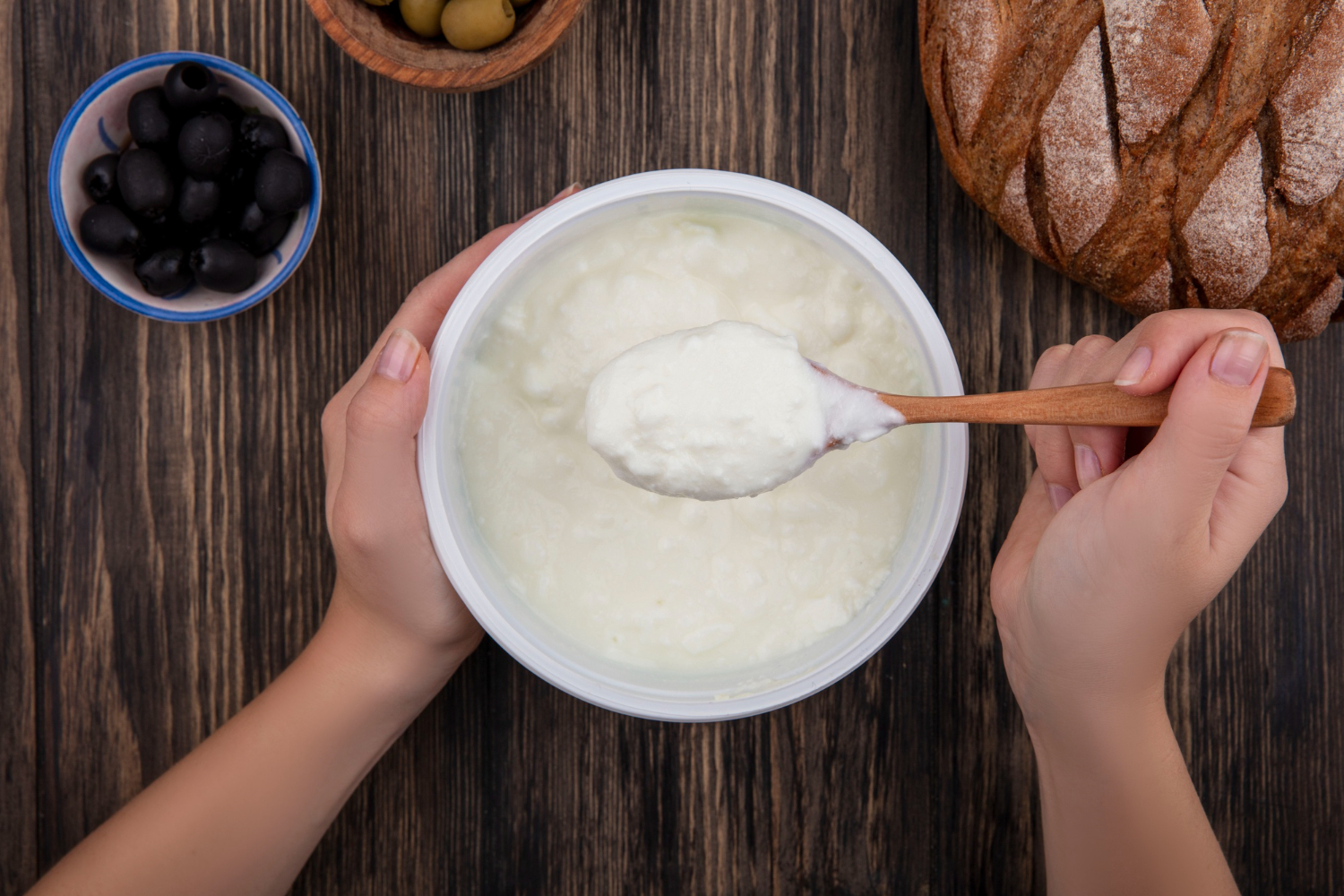
Curd also fits well into balanced weight-loss diets because it is rich in protein and keeps you full without feeling too heavy. The fermentation process breaks down part of the lactose, which makes it easier to digest for many people compared to milk. A simple bowl of curd with lunch can feel refreshing in hot weather, especially when appetite feels low and digestion sluggish. It is light, familiar, and easy to include in everyday meals without overthinking your diet.
Health Benefits of Kimchi
Kimchi might not be a traditional Indian staple, but it has quickly become popular in India thanks to Korean pop culture. This fermented Korean side dish is heavily based on cabbage and radishes, meaning it is incredibly low in calories but loaded with dietary fibre. That fibre keeps you stuffed for hours and acts as the perfect food for your existing gut bacteria. What gives kimchi a unique edge is the spice.
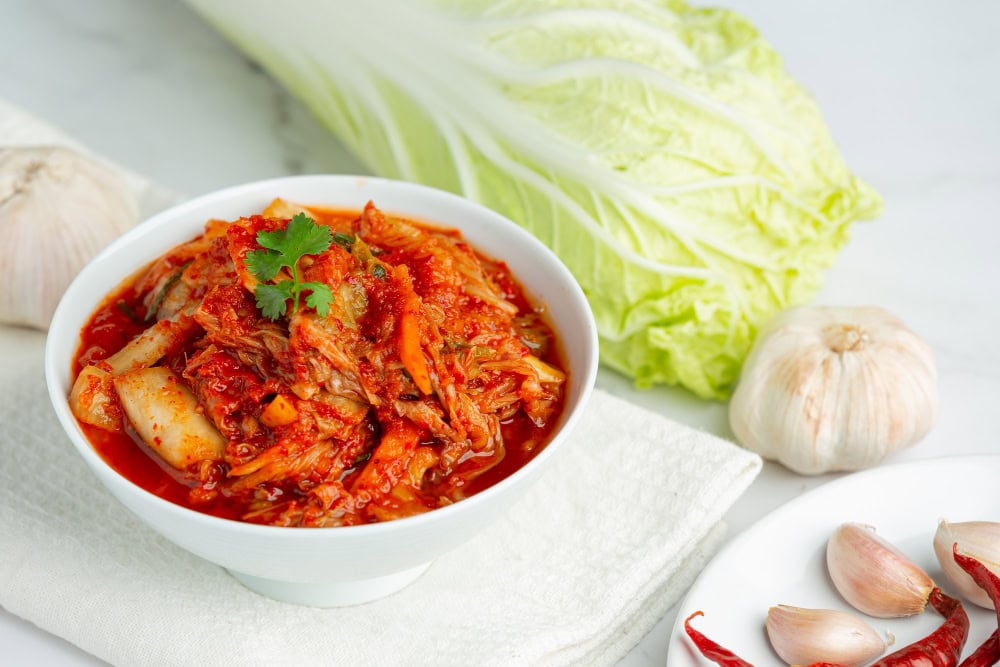
The chilli peppers used in the fermentation contain capsaicin, which naturally spikes your internal temperature slightly and gives your metabolism a quick boost to burn extra calories. It also introduces entirely different strains of probiotics to your system that you simply cannot get from dairy. A small serving of kimchi alongside your dinner adds a sharp, tangy crunch to your meal while actively working to shrink stubborn belly fat.
So, Which One Should You Choose?
Honestly, this is less about declaring one food “better” and more about what your body responds to best in summer. If you want something cooling, light, and easy to include in everyday meals, curd probably has the edge, especially in hot Indian weather. It is gentle on the stomach, hydrating, and familiar to most digestive systems. Kimchi, on the other hand, offers more variety in terms of fermented vegetables and probiotic strains, but it’s spice and salt levels may not suit everyone during peak summer heat. In the end, both can support gut health. The smarter choice is the one your body consistently feels good eating.
Can You Eat Both Together?
You can, and in moderate amounts, it may actually benefit your gut more than sticking to just one. Different probiotic strains from curd and kimchi work alongside each other, adding more bacterial diversity to your microbiome. The practical approach is spacing them out rather than loading both into a single meal. Think curd with lunch and a small portion of kimchi at dinner. If you have a sensitive stomach or are new to fermented foods, go slow. More probiotics are not always better all at once, and your gut will respond better to a gradual introduction.
The Best Time to Eat Them
Timing your meals matters when you are trying to lean out. You can explain that curd is perfect for the first half of the day. Having it with lunch cools your system when the summer sun is at its absolute peak. Kimchi, on the other hand, works brilliantly with your dinner. The natural heat from the Korean chilli peppers gives your evening metabolism a gentle push right when it usually starts to slow down.
FAQs
Is curd better than kimchi for weight loss?
Both curd and kimchi can help in weight loss, but kimchi has an edge due to its metabolism-boosting properties.
Can I eat curd every day in summer?
Yes, eating curd daily is safe, cooling, and great for your gut in summer.
Is kimchi available easily in India?
Most supermarkets and online grocery platforms stock kimchi now, quite easily.
How much kimchi should I eat in a day?
A small portion, roughly two to three tablespoons daily, is more than enough.
Does curd lose its probiotics when added to cooked food?
Yes, heat kills live cultures. Always eat curd cold in summer or at room temperature during winters.
Which is better for bloating, curd or kimchi?
Curd is gentler on bloating. Kimchi can sometimes worsen sensitive stomachs.
(The article is written by Ehsan Siddiqui, Team Lead and reviewed by Monalisa Deka, Deputy Manager, Clinical Health & Content, Medical Affairs)
Recommended Reads:
Can Avocado Help With Weight Loss? Here’s How to Eat It Right
Indian Fermented Foods That Make Summer Easier on Your Gut