
You’ve probably noticed chia seeds popping up everywhere-they’re in smoothies, puddings, and even just in plain old water. But if you’re trying to manage your blood sugar, you may be wondering if they’re really worth adding to your diet. The good news is that chia seeds have been studied for their high fibre, healthy fat, and protein content – all of which may support healthier blood sugar management. Let’s see what these tiny seeds can (and can’t) do.
Why Are Chia Seeds Good for Diabetes?
Chia seeds aren’t just a health trend. They have a nutritional profile that genuinely works in favour of people with diabetes.
Two tablespoons of chia seeds give you:
- 10g of fibre, which helps slow down sugar absorption
- 5g of protein, helping you stay full for longer
- Around 5g of omega-3 fatty acids, which support heart health
- Only about 2g of net carbs, making them a low-impact food for blood sugar
- Calcium and magnesium, two minerals that support overall health
Despite containing around 140 calories, chia seeds are highly filling because of their fibre, protein, and healthy fat content. This combination can help reduce hunger, support weight management, and make blood sugar levels easier to manage.
Additionally, chia seeds are considered a very low-glycaemic food, meaning they have minimal impact on blood sugar levels when eaten as part of a balanced meal.
How Chia Seeds Help When You Have Diabetes
The real benefit of chia seeds isn’t just what’s in them – it’s how those nutrients work together in your body. Here’s what happens when you make them a regular part of your diet.
Slow Down Sugar Absorption
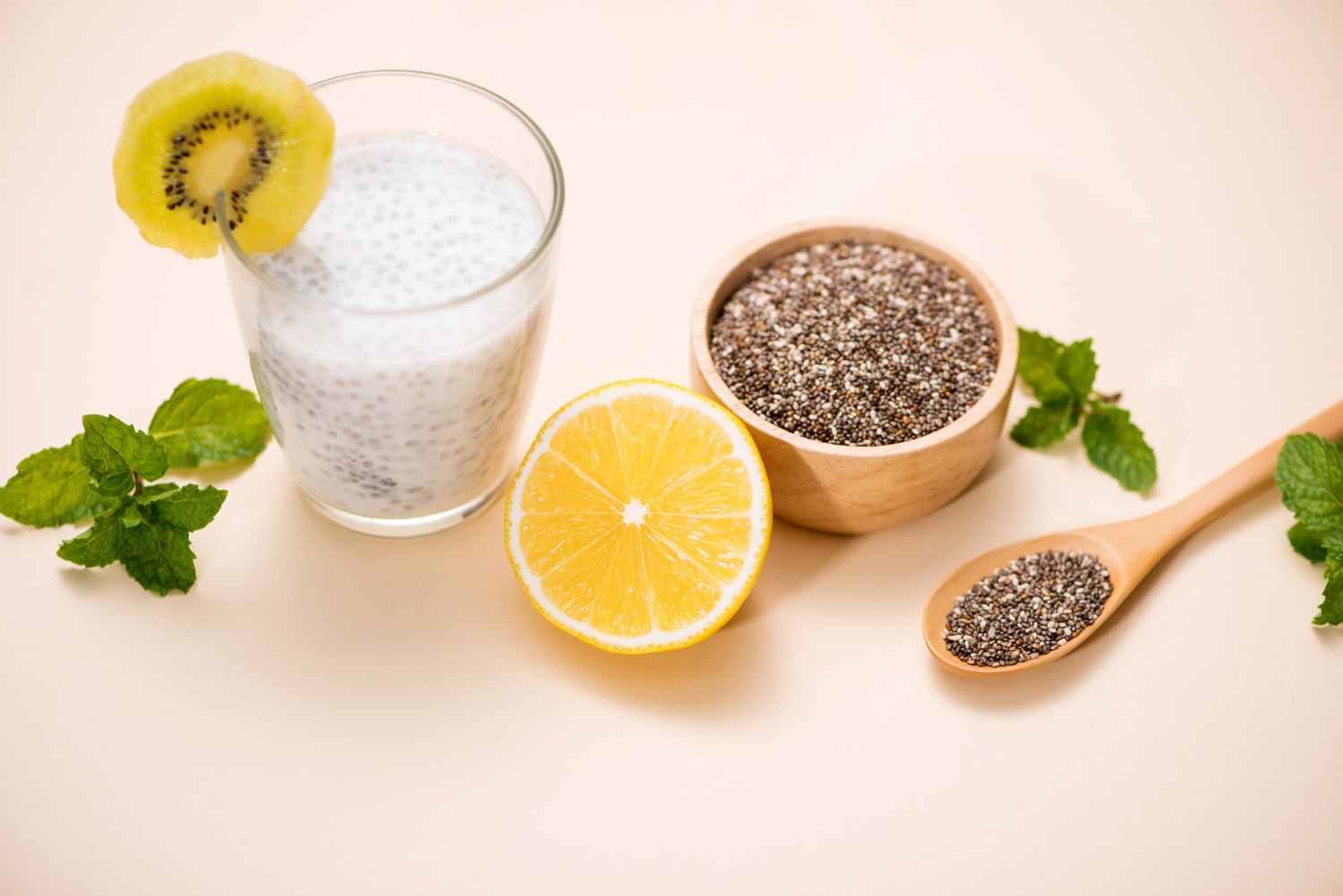
The most important thing chia seeds do is slow digestion. When eaten, the fibre in chia seeds forms a thick gel in your stomach. This gel slows how quickly food moves through your digestive system – and that slows how fast sugar enters your bloodstream.
For people with diabetes, this means smaller, steadier blood sugar rises after meals. Instead of a sharp spike, you get a gradual, manageable increase. Over time, keeping those post-meal spikes under control is one of the most effective ways to manage diabetes day to day.
May Support Heart Health
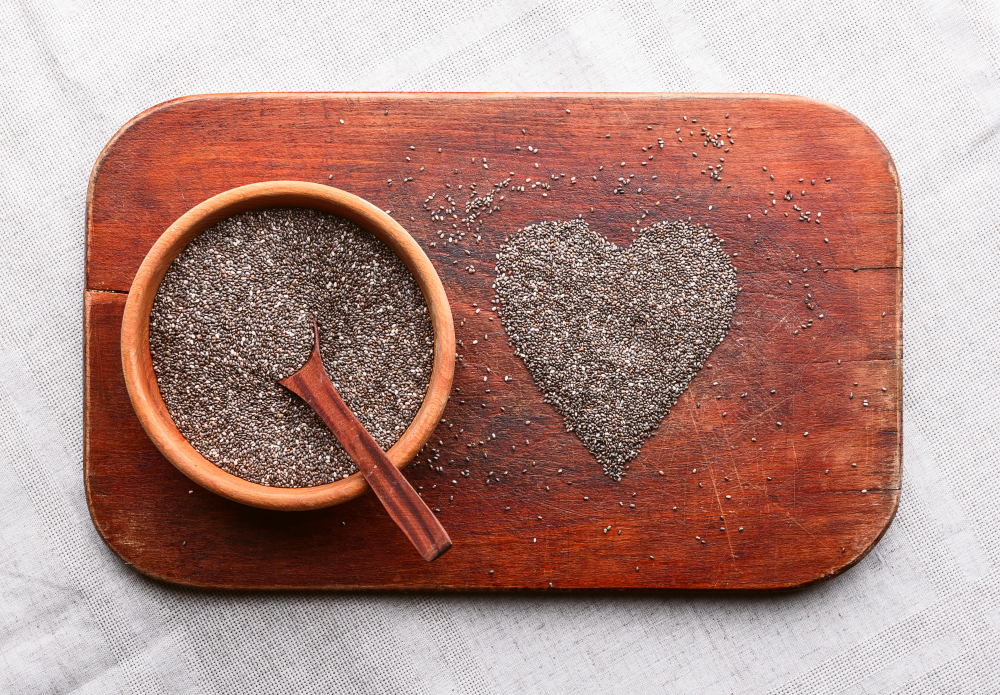
People with diabetes are at a significantly higher risk of developing heart disease than people without diabetes. This is where chia seeds quietly do a lot of good.
Chia seeds are one of the richest plant sources of omega-3 fatty acids. These healthy fats help reduce inflammation, lower triglyceride levels, and improve cholesterol – all key factors in keeping the heart healthy. Research suggests that regular chia seed consumption may help improve cholesterol levels and support healthy blood pressure levels over time. For someone managing both diabetes and cardiovascular risk, that’s a real benefit.
Help Control Hunger and Weight
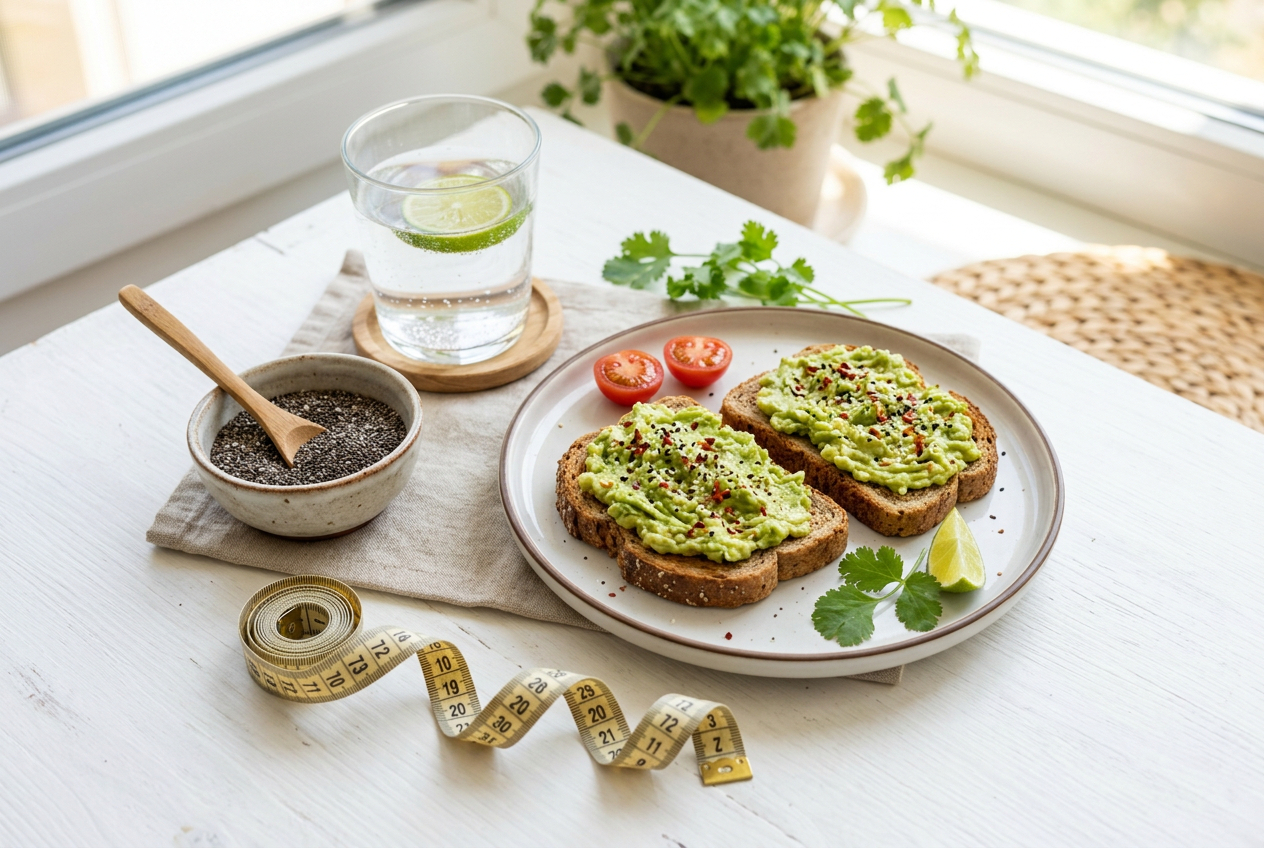
Furthermore, chia seeds are very filling. They absorb liquid in the stomach, expanding significantly. This keeps you feeling full for longer – which helps you avoid reaching for snacks between meals.
For people with type 2 diabetes, managing body weight is closely linked to managing blood sugar. When you’re not constantly hungry, it’s easier to make better food choices throughout the day. The protein in chia seeds also helps with this – protein is one of the best nutrients for controlling appetite.
Reduce Inflammation
Ongoing low-level inflammation in the body can make it harder for insulin to work properly, which is a key problem in type 2 diabetes. Chia seeds contain antioxidants and omega-3 fatty acids that help reduce inflammation in the body.
Research shows that regular chia seed consumption can lower a key inflammation marker called C-reactive protein (CRP). Lower inflammation over time supports better insulin sensitivity and overall metabolic health.
Good Source of Magnesium
Magnesium deficiency is very common in people with type 2 diabetes – often because high blood sugar causes the kidneys to flush it out faster. Magnesium plays a direct role in how insulin works in the body. Getting more magnesium through food like chia seeds may help support healthy blood sugar management over time.
How to Add Chia Seeds to Your Diabetes Diet
Start Small
Always Start With Small
Begin with 1 tablespoon a day and gradually increase up to 2 tablespoons. Because, too much too soon can cause bloating or loose stools, especially if your diet isn’t currently high in fibre right now.
Always Soak Them First
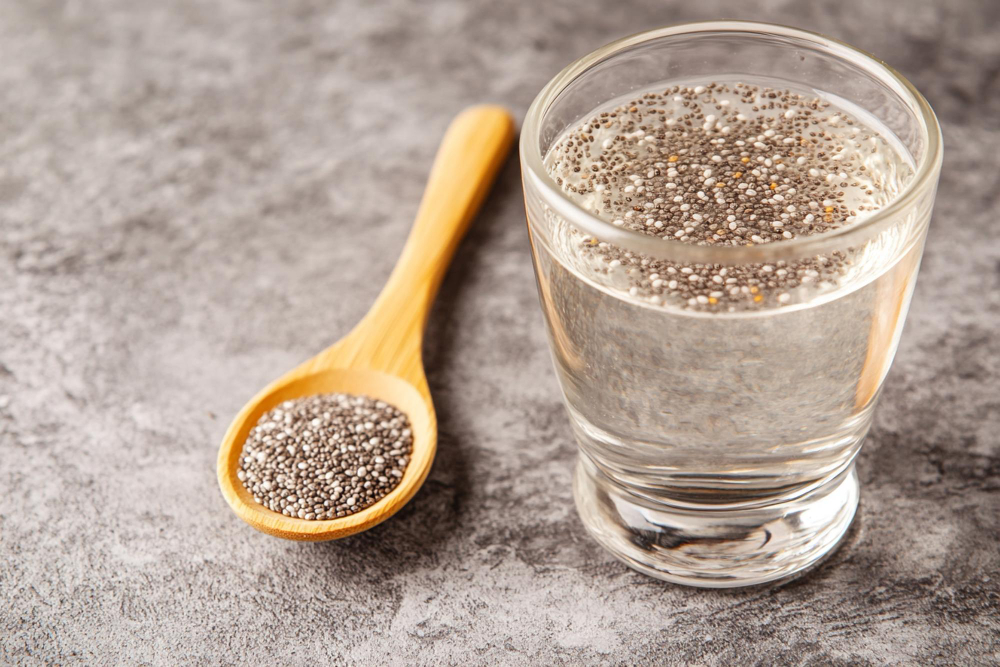
Do not consume raw dry chia seeds They absorb liquid and expand, which can pose a choking risk if consumed dry. Soak them in water, milk, or curd for at least 20–30 minutes before eating.
Simple Ways to Eat Them Every Day
Chia seeds for diabetes don’t need any complicated recipes. Here are easy options:
- Chia water: Soak 1 tbsp in a glass of water for 30 minutes. Drink before meals to reduce post-meal sugar spikes
- Mix into curd (dahi): Stir a spoonful into your morning curd. You won’t taste them at all
- Chia pudding: Soak 2 tbsp in low-fat milk overnight, add cinnamon. Ready by morning
- Add to dal or sabzi: Just sprinkle after cooking for a nutritional boost
- In smoothies or lassi: They blend in completely
One Important Warning
If you’re already on diabetes or blood pressure medication, check with your doctor before adding chia seeds regularly. Because chia seeds may help lower blood sugar and blood pressure, they could enhance the effects of certain medications in some people. Monitor your levels regularly and consult your doctor if you have concerns.
Should People With Diabetes Eat Chia Seeds?
Let’s get one thing straight: Chia seeds are not a miracle cure for diabetes. A 2024 review of eight clinical trials found that chia seeds alone did not significantly directly change fasting blood sugar or HbA1c levels [1]. But they do something just as valuable: they slow sugar absorption after meals, support heart health, reduce inflammation, keep you full, and fit easily into everyday Indian meals.
Think of them as a smart, affordable daily habit -not a medicine. Add 1 to 2 tablespoons to your routine, keep your medication going, eat well, and stay active. Small habits, done consistently, make a real difference.
FAQs
Are chia seeds good for people with diabetes?
Yes. Chia seeds are high in fibre and healthy fats that aid digestion, slow sugar absorption after meals, and support heart health, all critical factors for people with diabetes. They work best in the context of an overall healthy diet, not as a stand-alone treatment.
How many chia seeds should a diabetic person eat per day?
Most people with diabetes should aim for 1-2 tablespoons per day. Always soak before eating and introduce slowly to avoid digestive discomfort.
Do chia seeds lower blood sugar levels?
Chia seeds slow digestion, helping to prevent sharp blood sugar spikes after meals. However, they do not significantly decrease fasting blood sugar or HbA1c alone. They are a supportive food, not a replacement for medication.
Can I eat chia seeds if I’m on diabetes medication?
Generally yes,but check with your doctor first. Chia seeds can also interact with medication, as they can have a mild effect on blood sugar and blood pressure, so these should be monitored.
What is the best time to eat chia seeds for diabetes?
Eating soaked chia seeds before meals -especially before a high-carb meal -works best. The gel they form in your stomach slows sugar absorption. Morning is a great time: either as chia water before breakfast or mixed into your morning curd or pudding.
References:
1. Pam P, El Sayed I, Asemani S, Jamilian P, Zarezadeh M, Ghoreishy Z. The effectiveness of chia seed in improving glycemic status: A systematic review and meta-analysis. Diabetes Metab Syndr. 2024 Jun;18(6):103065. Available from: https://pubmed.ncbi.nlm.nih.gov/38917708/
2. Academy of Nutrition and Dietetics. All about chia seeds [Internet]. Chicago (IL): Academy of Nutrition and Dietetics; 2014 Jan 1 [reviewed 2024 Nov 22; cited 2026 Jun 10]. Available from:https://www.eatright.org/food/food-groups/fats/all-about-chia-seeds
3. Ullah R, Nadeem M, Khalique A, Imran M, Mehmood S, Javid A, Hussain J. Nutritional and therapeutic perspectives of Chia (Salvia hispanica L.): a review. J Food Sci Technol. 2016 Apr;53(4):1750-8. Available from: .https://pmc.ncbi.nlm.nih.gov/articles/PMC4926888/
(The article is written by Nancy Dixit, Associate Manager, Clinical Health & Content, Medical Affairs, and reviewed by Monalisa Deka, Deputy Manager, Clinical Health & Content, Medical Affairs)
Recommended Reads:
Why Soaked Chia Seeds Are Your Ultimate Summer Health Hack
Why Sabja Seeds Are One of the Best Summer Superfoods