
Chronic inflammation is the new incurable disease of the 21st century. Acute inflammation, like swelling due to a bee sting or the immune system’s reaction to the flu, is an issue that everyone faces in their life, but chronic inflammation is a whole different and more dangerous thing. Chronic inflammation is a type of inflammation that never disappears and intensifies for long periods of time, often not being observed until a serious disease develops.
Chronic inflammation leads to damage in healthy cells, tissues, and organs. Using scientific research, one can say that chronic low-grade inflammation can be connected to several serious diseases of the present time, such as heart diseases, type 2 diabetes, Alzheimer’s disease, autoimmune diseases, etc.
The good news? Your daily meals can make a huge difference. The food you eat may either cause chronic inflammation to develop or serve as medicine helping to fight it. Following an anti-inflammatory diet means changing the way you eat completely, switching to a new healthy lifestyle.
The Science of Inflammation: How Food Acts as Medicine
 Understanding how an anti-inflammatory diet works requires a study of its biochemical pathways and processes. When food enters your body, it is immediately reacted to by your immune system and digestive system in ways that can be traced by the categories of chemical substances that you consume.
Some of the foods you eat will specifically cause an increase in pro-inflammatory cytokines and other substances that stimulate the immune system. The foods that are rich in nutrients are packed with antioxidants, vitamins, and essential fatty acids capable of neutralizing free radicals and shutting down inflammation pathways.
By removing pro-inflammatory foods and replacing them with healthy phytonutrients, you can dramatically change the internal biochemical environment.
Foods to Embrace: The Anti-Inflammatory Powerhouse
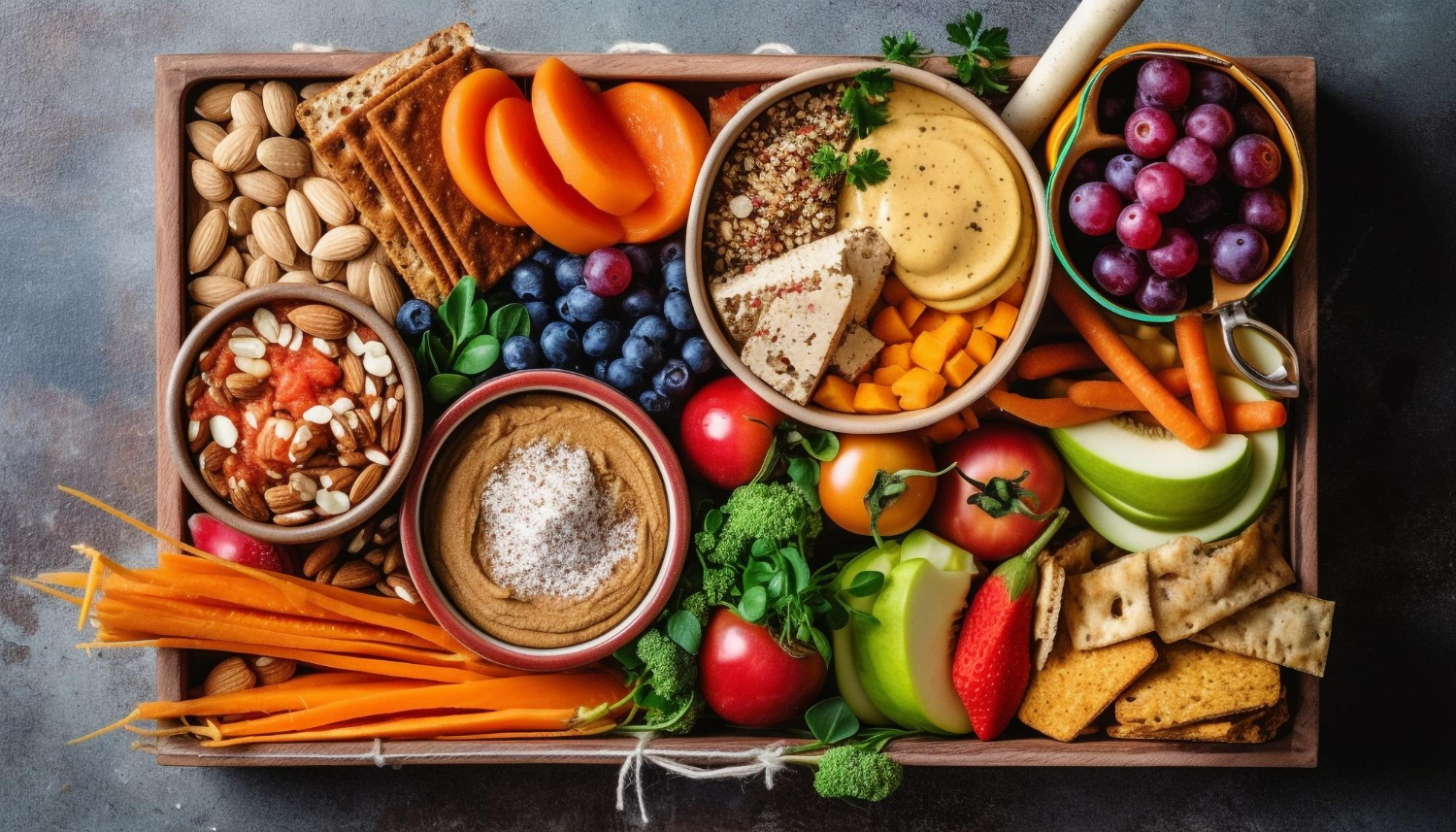
An anti-inflammatory diet is bright and colorful and really delicious. Many traditional nutrition models inspired its creation, Mediterranean cuisine being one of them. You should focus on these categories of food in your diet:
1. Bright Fruits & Vegetables: Fruits and vegetables are rich in antioxidants and polyphenols, meaning the compounds help to fight cellular damage.
- Leafy Greens: Spinach, kale, Swiss chard, as well as collard greens, have a high concentration of vitamins A, C, and K, not to mention minerals that protect cells from damage.
- Berries: Fruits such as blueberries, strawberries, raspberries, and blackberries are rich in anthocyanins, which are powerful antioxidants that have an anti-inflammatory impact.
- Cruciferous Vegetables: Broccoli, cauliflower, cabbage, and Brussels sprouts contain a substance known as sulforaphane, which is considered efficient in lowering inflammation levels.
2. Good Fats: Healthy fats are not the enemies but are critical for cellular composition as well as hormonal regulation. Specifically, unprocessed fats and omega-3 fatty acids block the processes leading to inflammation.
- Extra Virgin Olive Oil (EVOO): An essential component of the Mediterranean diet, EVOO contains oleocanthal, which is a natural ingredient having an anti-inflammatory effect.
- Avocados and Avocado Oil: Avocados are high in healthy monounsaturated fats and carotenoids.
- Nuts and Seeds: Walnuts, almonds, flaxseeds, and chia seeds are loaded with plant-based omega-3 fatty acids.
3. Fatty Fish: The Omega-3 fatty acids found in cold-water fish are among the most powerful anti-inflammatory agents known. They decompose into specialized pro-resolving mediators (SPMs), which stop inflammation.
- Some of the best options include: salmon, sardines, mackerel, anchovies, and herring. It is recommended to eat two servings of them each week or more.
4. Healing Herbs and Spices: Cooking herbs and spices have served as traditional healing agents for centuries, as they contain a wide variety of concentrated phytochemicals with efficiency greater than that of many synthetic supplements.
- Turmeric: Contains curcumin, the main active component in it that is an inflammation killer. Kudos: Curcumin absorption can be increased 2000 times if paired with black pepper.
- Ginger: Contains gingerols and shogaols, which prevent inflammatory enzymes from being synthesized, like with NSAIDs.
- Garlic, onion, and cinnamon are rich in sulfur compounds and polyphenols that benefit the immune system and metabolism.
5. Whole Grains and Legumes: While refined grains cause rapid blood sugar levels to rise, whole grains and legumes do just the opposite; they lead to proper gut microbiome functioning.
- Whole grains: Quinoa, brown rice, wild rice, oats, and farro.
- Legumes: Lentils, chickpeas, black beans, and kidney beans are rich in soluble fiber, which feeds beneficial gut bacteria that produce anti-inflammatory short-chain fatty acids (like butyrate).
Foods to Avoid: Fueling the Internal Fire
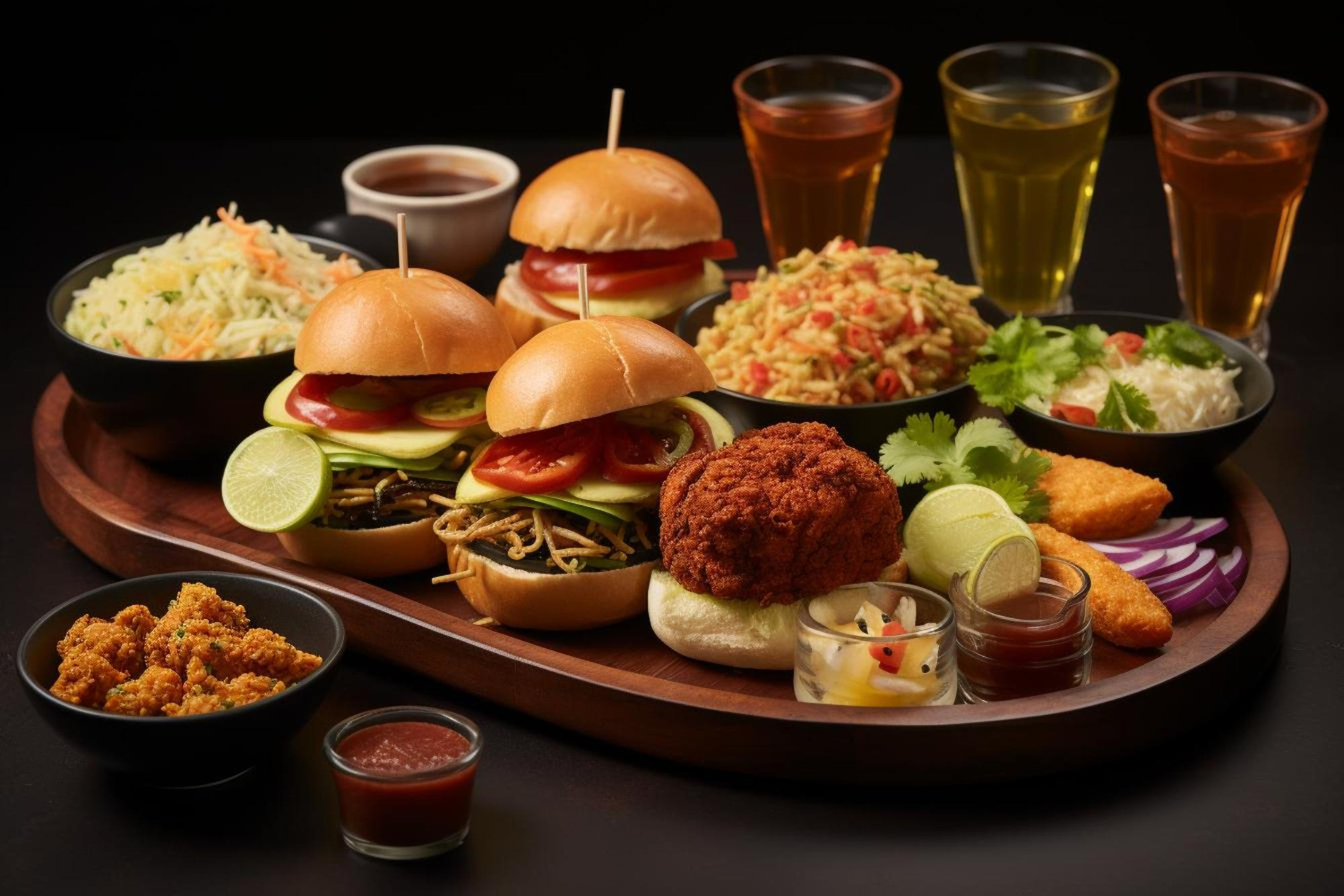
Some food products can be beneficial, while others can cause problems in the body’s systems. It is essential to avoid certain food items to avoid developing an inflammatory response.
1. Artificial Sweeteners & High Fructose Corn Syrup
Sweeteners create a surge in blood glucose levels and insulin levels. This results in the creation of inflammatory cytokines and AGEs, which kill cells and accelerate the aging process.
- Primary Sources: Soda, fresh juices, sweets, confectionery, baking products, breakfast cereals, and sugar-containing sauces.
2. Refined Carbohydrates
White flour and white bread, as well as white rice, may be considered similar to sugars in the body. Left without nutrients, they are digested very quickly, creating trouble with glucose levels.
3. Pro-Inflammatory Vegetable Oils
The oils used to be called healthy in the advertising campaigns, but the modern production processes together with excess omega-6 acids oppose this statement. The consumption of such oils as soybean oil, corn oil, or canola oil results in inflammation.
4. Trans Fats & Processed Meats
Trans fats are commonly used in various fried items, baked goods, and margarine. Trans fats are known to be harmful to the heart by reducing HDL (good cholesterol) and increasing LDL (bad cholesterol). Processed meat such as bacon and sausages contains chemical preservatives, which leads to the activation of the immune system.
5. Excessive Consumption Of Alcohol
Though moderate consumption of red wine is deemed to have some health benefits, excessive drinking damages the intestines.
Looking to boost your vitamin D naturally? Read our article on 10 Healthy Foods Rich in Vitamin D You Should Add to Your Diet to discover the best dietary sources.
Lifestyle Factors Beyond the Plate

Food alone is not enough to maintain an anti-inflammatory lifestyle. To promote a healthy lifestyle, consider various aspects of life.
- Prioritize Restorative Sleep: Make sure to get enough sleep. Sleep deprivation is known to increase inflammation indicators. It is recommended to sleep for at least 7 hours each night.
- Control Chronic Stress: Mental stress releases cortisol and adrenaline in the body. Gradual accumulation of stress leads to hormonal resistance and widespread inflammation. Try mindfulness, meditation, yoga, or various methods of breathing exercises in your daily life.
- Practice Regular Physical Activity: Regular moderate activities (like walking fast, swimming, or weight lifting) help the immune system work efficiently. Don’t overwork yourself with training, though, as intense physical activity can raise the inflammation level.
- Take Care of Your Microbiome: About 70–80% of the body’s immune cells are found in the gut. Eating a variety of prebiotics and foods that undergo fermentation (like kimchi, sauerkraut, kefir, or kombucha) creates a good microbiome that prevents inflammation.
Practical Steps to Transitioning Your Diet

Making your kitchen healthier can be overwhelming. Instead of trying to be perfect at once, aim for gradual and reasonable changes:
- Crowd Out, Don’t Just Cut Out: Instead of concentrating on what you can’t do, pay attention to increasing your vegetable or berry intake by one portion.
- Improve Your Cooking Fats: Replace inexpensive seed oils with extra virgin olive oil, avocado oil, or butter/ghee from grass-fed cattle.
- Check Ingredient Labels: Be a sleuth at the supermarket. If the ingredients list contains complicated terms, high-fructose corn syrup, or any hydrogenated oils, do not buy it.
- Add Some Spices: Have turmeric and black pepper or ginger in your pantry for easy incorporation into your soups, stews, and roasted veggies.
Final Takeaway: A Lifetime Investment In Your Health
Eating anti-inflammatory foods may not reveal instant results, but it is an important act of self-care. By choosing to consume whole foods over their processed counterparts, you gain control over your overall health. Being on this diet keeps your mind sharp, decreases joint pain and stiffness, protects your heart, and prepares you for a lifetime of long-lasting well-being.
FAQs
Q. What is chronic inflammation?
Chronic inflammation is a slow internal immune response that causes harm to healthy cells, leading to illnesses such as heart disease or diabetes.
Q. Is food considered medicine?
Food may indeed be used as medicine. Whole foods contain antioxidants and omega-3 fatty acids that interfere with the pathways active in the inflammatory process in the body.
Q. Why is the use of seed oils discouraged?
Processed seed oils, such as corn and soybean oils, are high in omega-6 fatty acids, which, when consumed, cause inflammation in the body.
Q. What should be done for turmeric to be absorbed properly?
Turmeric needs to be taken with a pinch of black pepper since its active component, called piperine, significantly enhances the absorption of turmeric.
Q. Is it possible to exclude all types of carbohydrates from your diet?
There is no need to exclude all carbohydrates from your diet. While it is better to avoid refined carbohydrates, including white bread and sugar, eating whole grain products such as quinoa, oats, or brown rice is acceptable.
Q. Can fruits be consumed?
Yes. Whole fruits comprise fiber and antioxidants that ensure stable blood sugar levels, contrary to processed fruit juices.
Q. What is the relationship between stress and inflammation?
Chronic stress leads to increased cortisol levels, which in turn results in hormone resistance and uncontrolled inflammation.
Q. When can I expect results?
Many people report less joint pain, better digestion, and higher energy levels after changes in diet within the period of 2-4 weeks.
(The article is written by Deepa Sarkar, Senior Medical Writer, and reviewed by Monalisa Deka, Deputy Manager, Clinical Health & Content, Medical Affairs)