
Summer heat can quickly disrupt your digestive system, often leading to sluggishness, bloating, and discomfort. Curd is a staple summer food in Indian kitchens due to its probiotic content, supporting digestive health and acting as a natural coolant.
Dr. Deepak Soni, an Ayurvedic expert at TATA 1mg, says, “Curd has a lot of good bacteria to help with digestion and keep your gut balanced, but if you add digestive spices such as cumin and black pepper, you’ll get additional benefits by enhancing nutrient absorption and helping reduce bloating during the summer.”
There are several kinds of spices from which to choose that can add flavor and be a healthy addition to your curds, and provide you with the necessary nutrients for your gut, as well as help you feel refreshed and energised during the hot summer months.
1. Cumin Powder (Roasted)
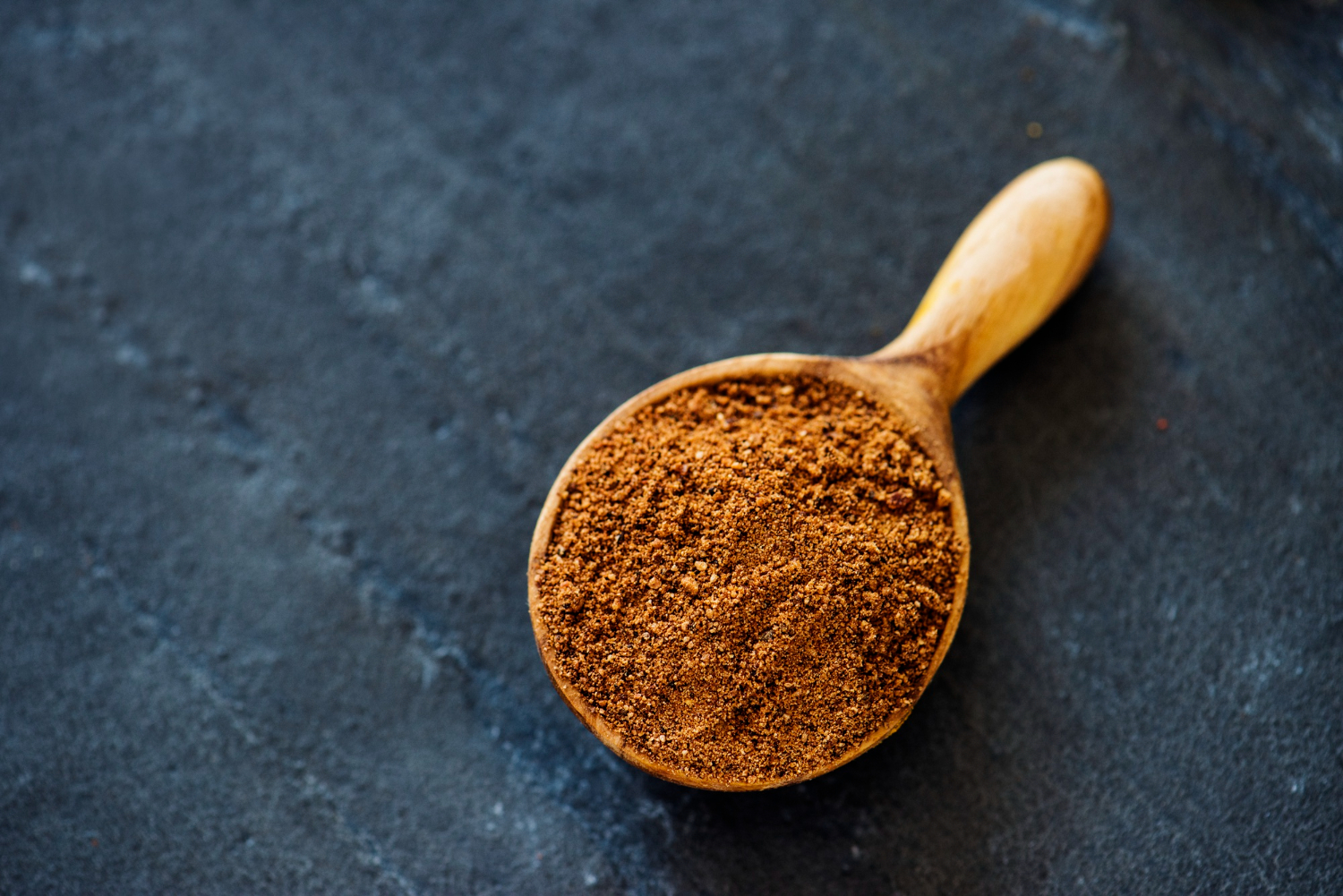
Another spice that is perfect to mix into summer curd is cumin (jeera) powder, as cumin helps to cool your body down and also aids in digestion.
Cumin may help stimulate your digestive system by increasing the production of digestive enzymes, as well as reducing any gas, bloating, or fullness after eating a meal. Adding roasted cumin powder to curd will also add flavour.
A quick and easy bowl of curd with some roasted cumin and a bit of black salt can make a great refreshment during the day or a nice side dish in the summertime.
2. Black Pepper

Black pepper is commonly associated with warming foods; however, in moderation, it can actually help improve digestion and the absorption of nutrients. This is mainly due to the presence of piperine in black pepper and the way this compound supports the gut’s function and improves the absorption of nutrients into the body.
Additionally, when added to curd, black pepper provides a light spiciness to the dish and balances out the cooling effect of the curd. Black pepper can help prevent/or reduce sluggish digestion caused by overindulging in food or overeating.
When adding black pepper to any curd-based dish (type of raita, buttermilk, etc.), be sure to use freshly ground pepper. Doing this will increase the health benefits from a digestive standpoint!
3. Mint Powder
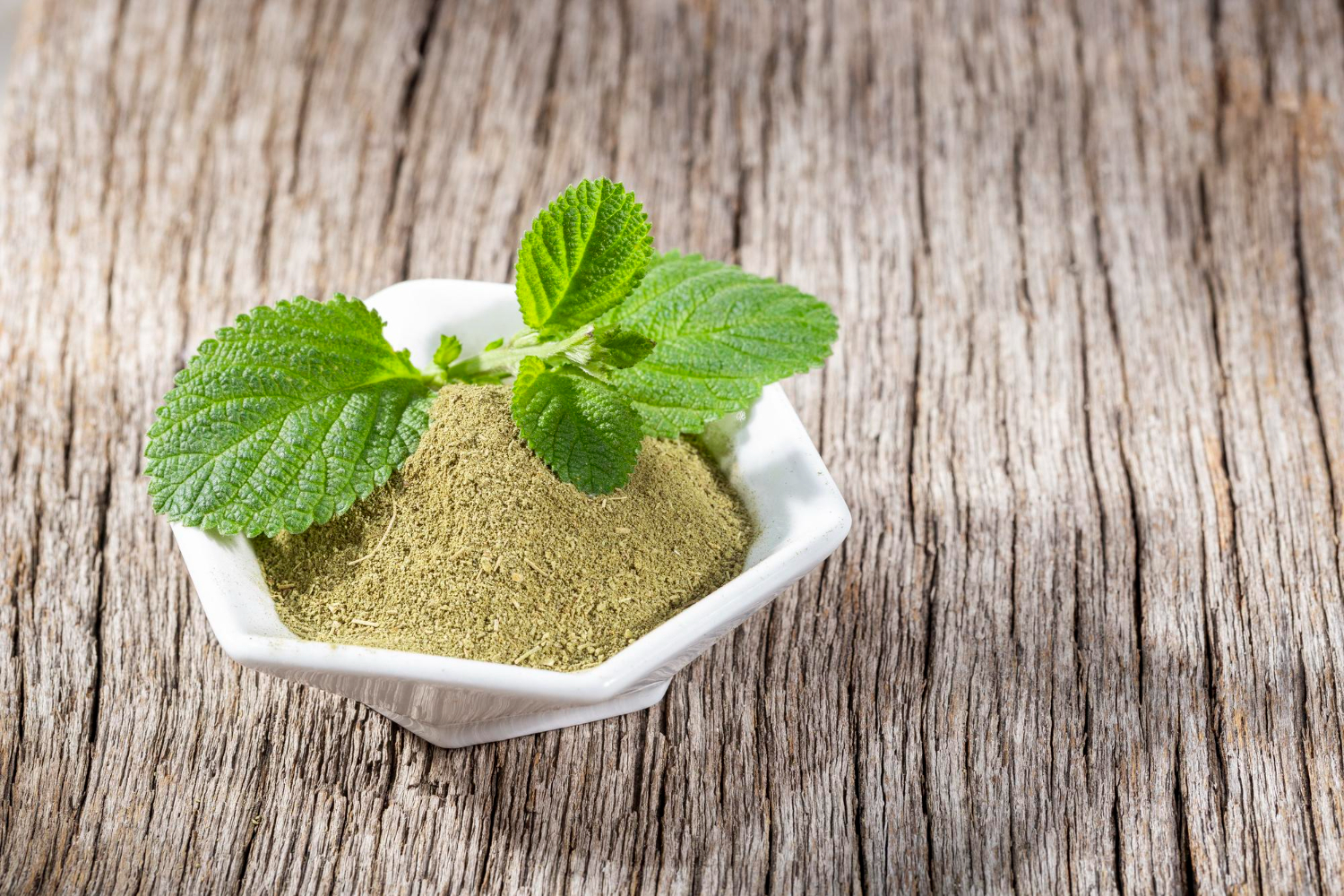 Mint is often known as the most refreshing herb for summertime because of its cool and soothing ability to help settle the stomach and aid in alleviating indigestion.
By mixing dried mint powder or using fresh mint leaves with plain yogurt, it becomes more refreshing and has additional flavor. In addition, mint has the added benefit of potentially reducing nausea, bloating, and irritation of the stomach caused by hot temperatures.
As a result, Mint yogurt (Pudina raita) is an excellent addition to the overall health value of your typical summertime lunch.
4. Asafoetida (Hing)
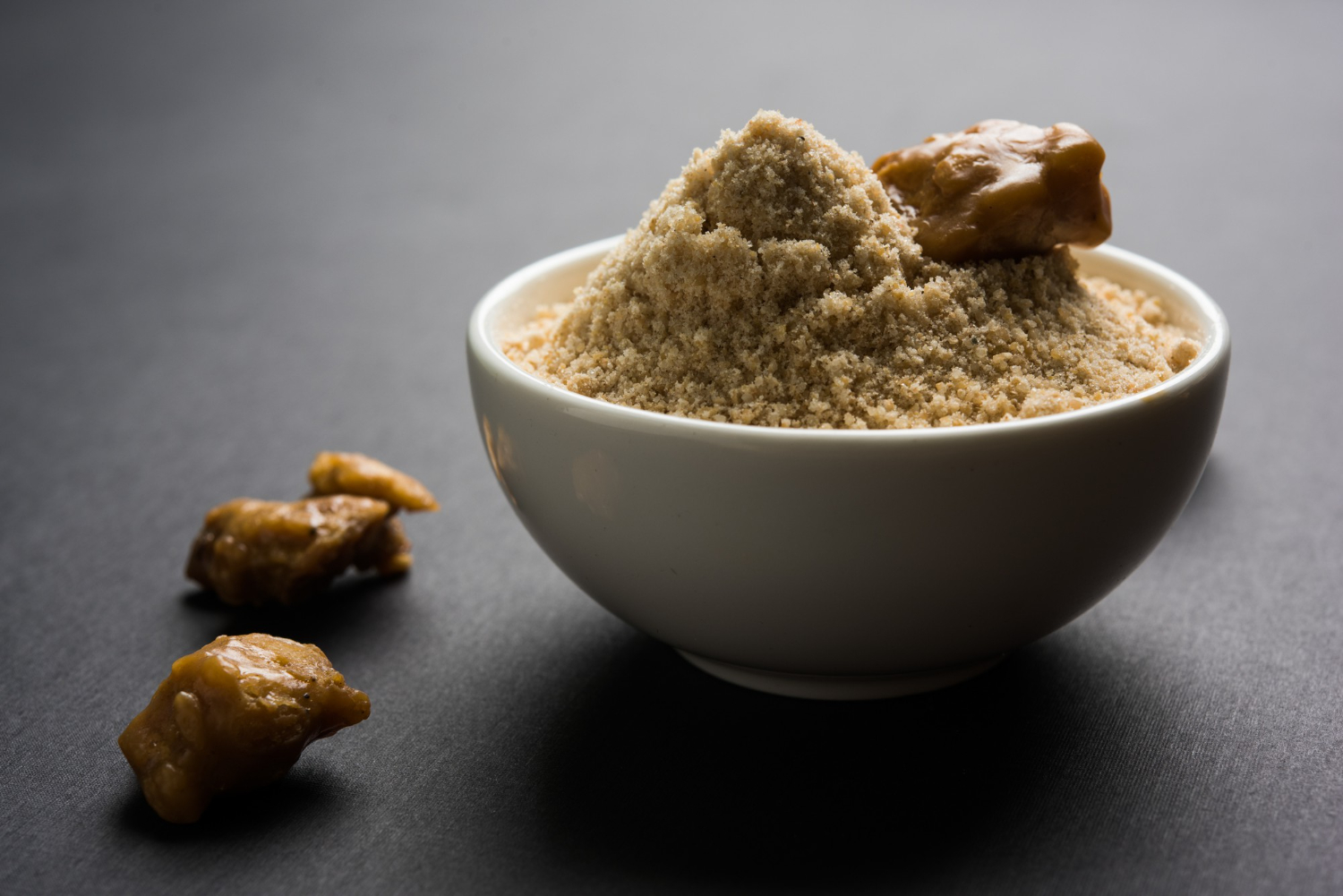
Hing or Asafoetida is an ancient spice used throughout India for digestive support. A pinch of this spice in yogurt can provide relief from bloating and gas.
For those who feel uncomfortable after eating legumes or very rich foods, Hing may relieve their discomfort. Because of its extremely strong flavor profile (one tiny pinch is all that is necessary), please use a very small amount of the spice.
Blending hing with yogurt, cumin, and chopped coriander creates a simple digestive side dish that pairs well with main meals.
5. Ginger Powder
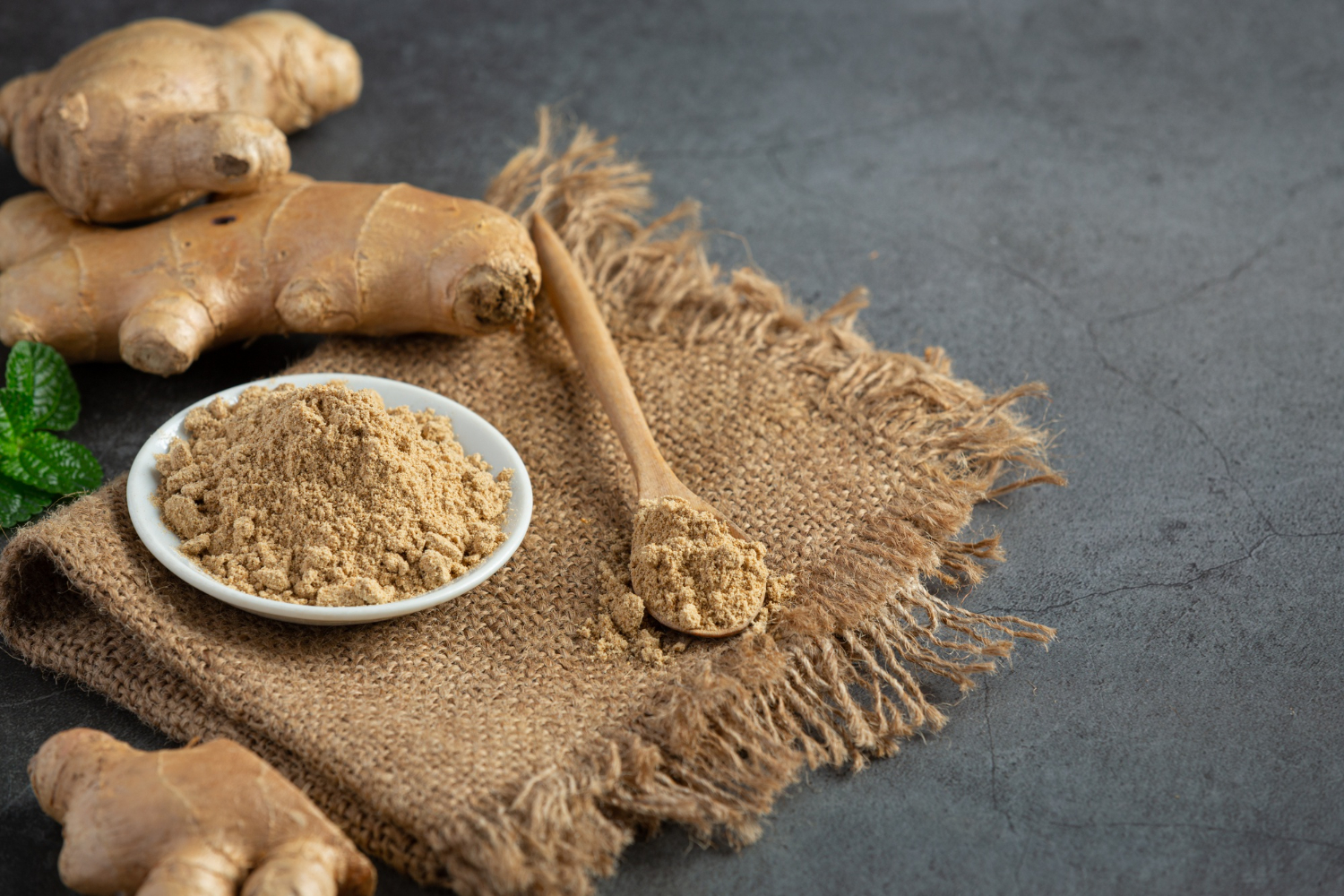
Dry ginger powder, also known as saunth, is considered one of the spices that can help with digestive health, as ginger has historically been used in traditional medicine for digestive problems.
A small amount of dried ginger in a curd can help with digestion, as well as help with morning sickness or an upset stomach.
For someone who usually feels bloated after food, combining curd with ginger and cumin may assist.
6. Coriander Powder
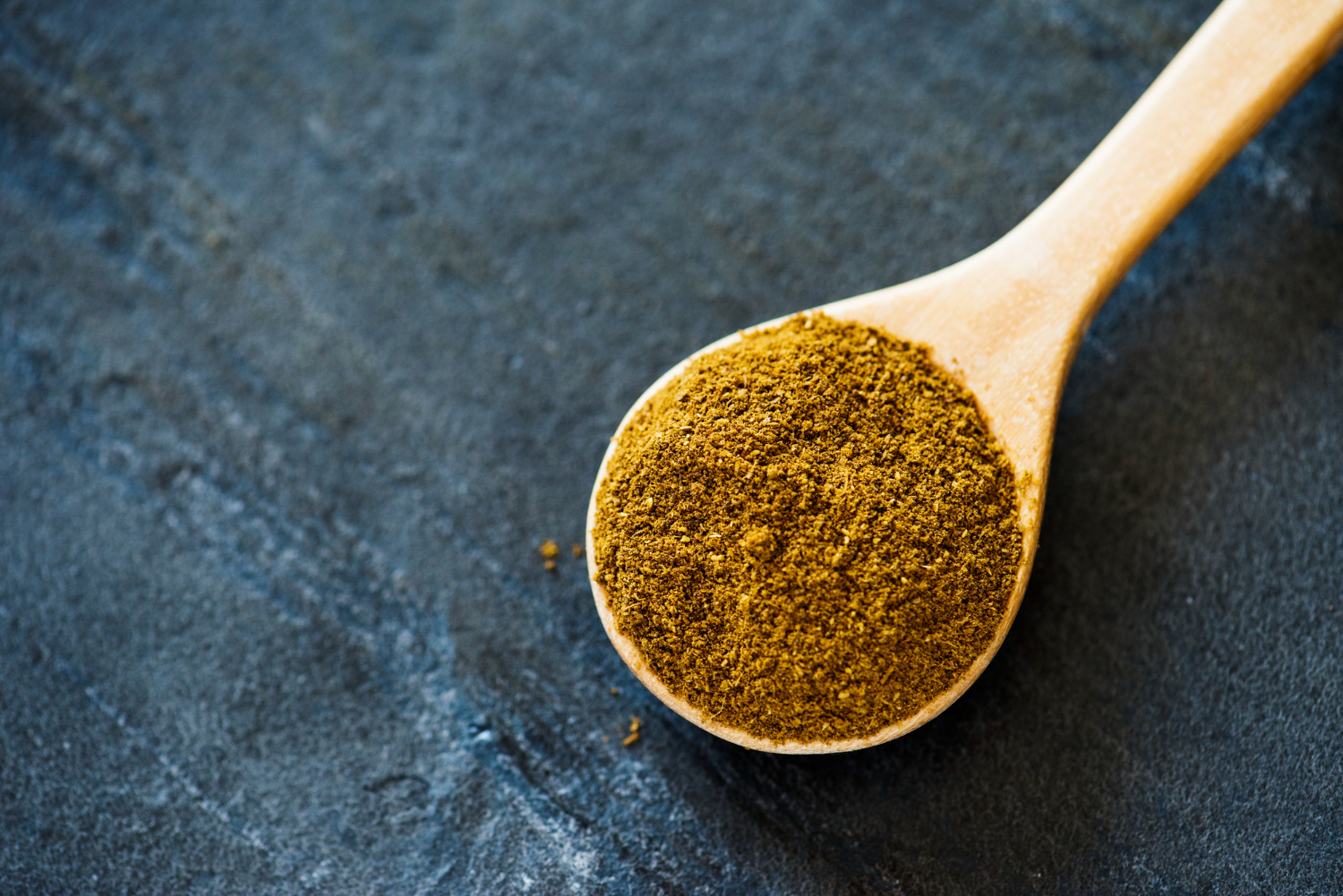
Coriander has a cooling property, which makes it an excellent spice to incorporate into your summer diet.
Including coriander powder in your curd can help calm acidity while assisting your digestive system in the warmer months. Coriander also gives food a mild, earthy taste and will complement raita and dips.
7. Black Salt
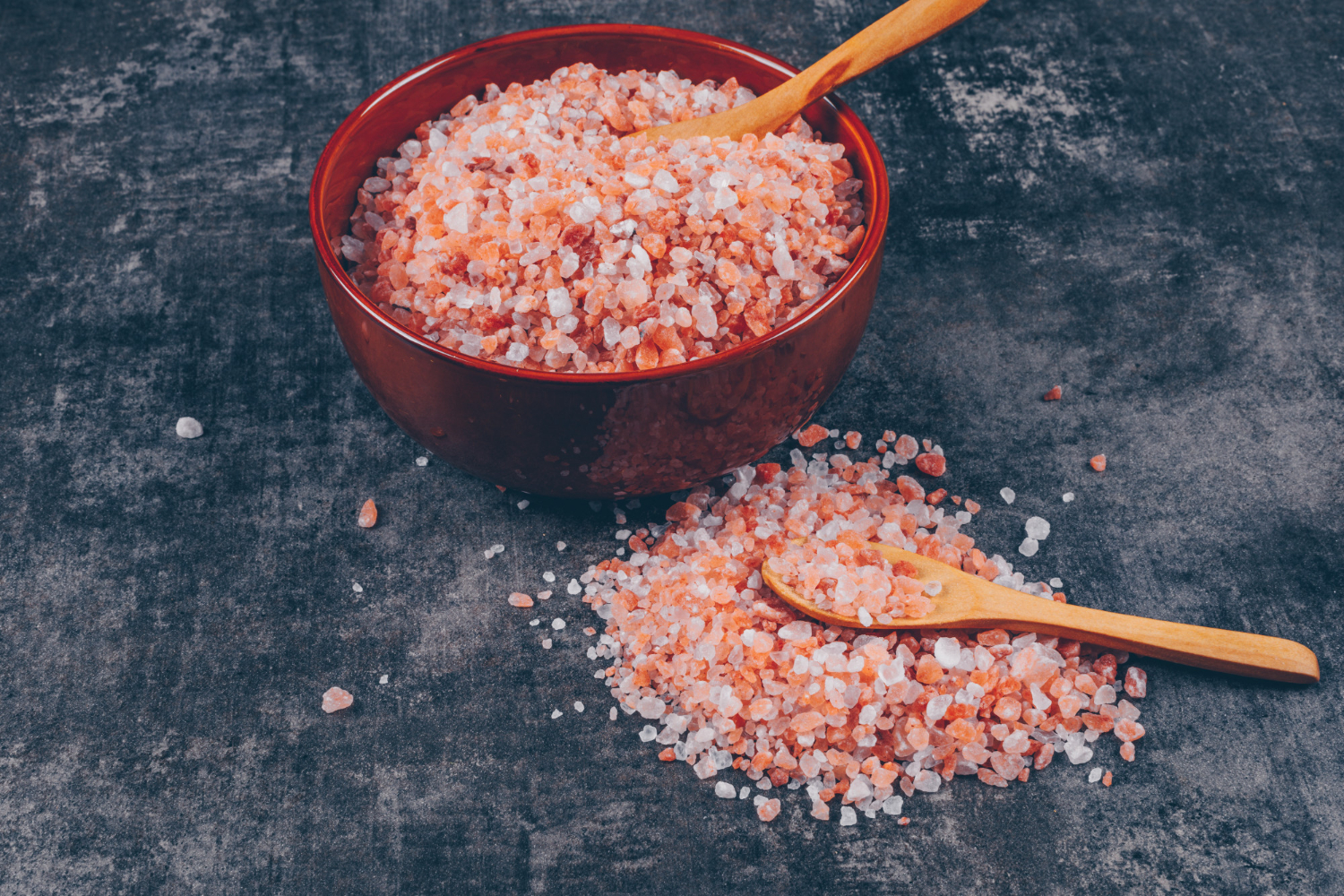
Although black salt is not a spice, it does belong on this list due to its ability to aid digestion. It is very commonly added to curd and chaas and fruit salads consumed in the hot summer months.
It is believed that black salt can assist with improving digestion and eliminating bloating symptoms & it also naturally adds flavour to food.
Combining curd, black salt, mint, and roasted cumin makes a popular classic summer digestive remedy found throughout every Indian household.
How does curd help improve gut health?

Curd is naturally high in probiotics (good for your gut), which help promote balance and a healthy gut microbiome. This is associated with healthier digestion, stronger immunity, and better absorption of nutrients.
In the summertime, consuming curd may help:
- Natural cooling of the body
- Reduced acidity in the body
- Improved digestion
- Increased hydration in the body
- Increased effectiveness in maintaining healthy gut flora
How to incorporate spiced curd in summer?

You can use spiced curd in a variety of delicious and refreshing ways:
- Plain with seasoning
- Vegetable raita
- Mixed in buttermilk
- As a dip for snacks
- On rice or khichdi
- With roasted vegetables
If your goal is to help improve gut health, use as little sugar as possible when using curd. Fresh homemade curds are also the best choice for improving gut health.
Things to Keep in Mind
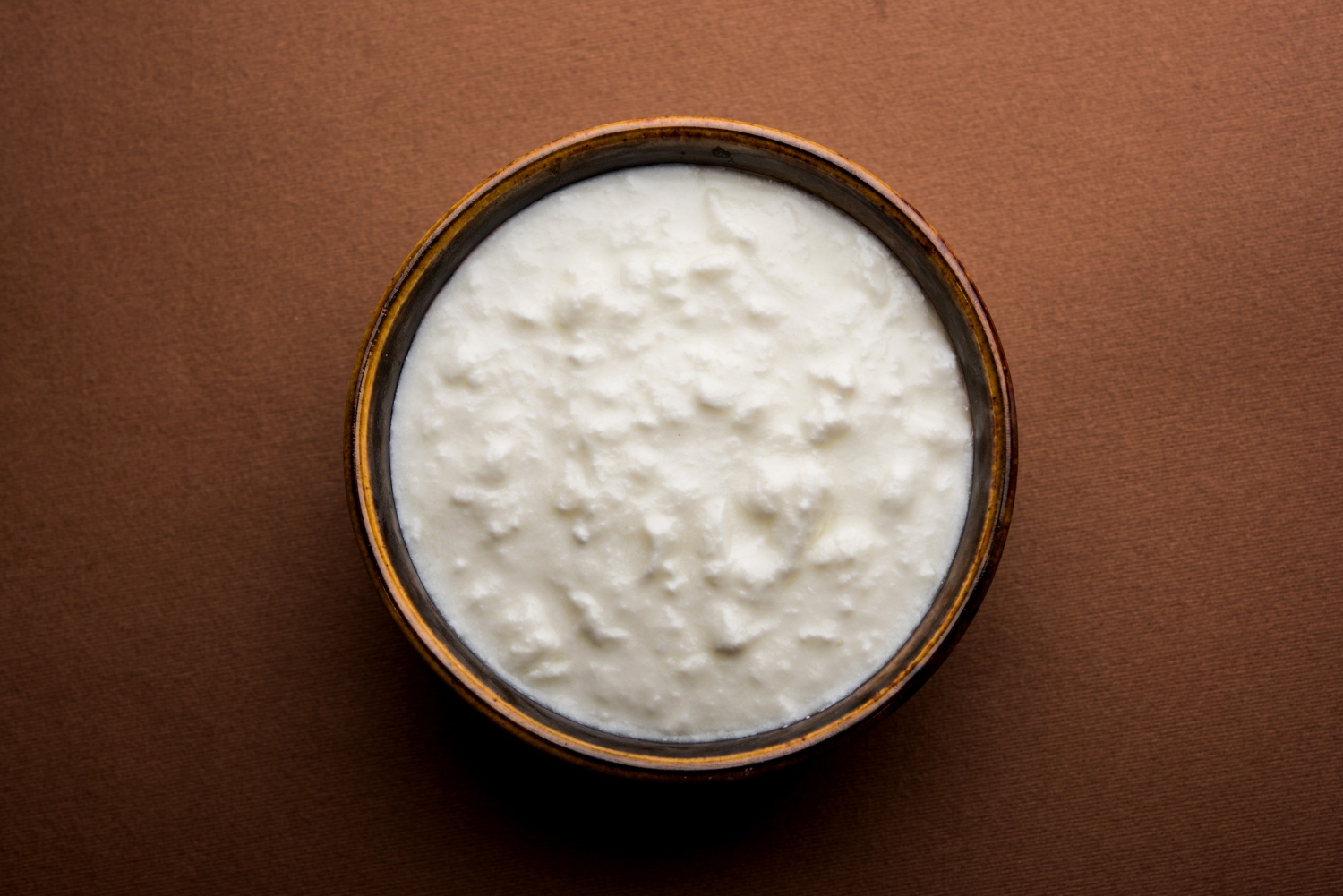
Curd is beneficial for many; however, some people will have issues with it due to their lactose intolerance or sensitivity to dairy.
When eating curd, be sure:
- Avoid old curd
- Store it safely when it’s hot
- Use spices in moderation
- Use freshly-made curd as much as you can
If you have chronic digestive disorders, please consult a medical professional before making changes to your diet.
Final Takeaway
In the summertime, having curd in your diet is one of the simplest and most effective superfoods beneficial for gut health. Additionally, when you combine curd with different spices that aid in digestion, including cumin, mint, black pepper, hing, and coriander, then it can benefit your intestines even more while adding to how refreshing it is on hot days.
Making small changes to your meal routines can have a significant impact on digestion, bloating, and overall comfort during the summertime. Eating a large bowl of curd seasoned with a variety of spices can be a great tasting habit to have during the summertime and also help maintain healthy digestive functions.
FAQs
Q. What are the benefits of curd for gut health?
Curd contains live active cultures that help maintain a healthy gut flora and aid digestion.
Q. Which spice is best to add to curd in summer?
Cumin (roasted) is one of the most commonly used spices for digestive purposes, and it reduces bloating during summertime.
Q. Does eating curds reduce acidity in the stomach?
Yes, eating curds on occasion can help cool down the stomach and reduce its acidity.
Q. Can black pepper be included with curds?
Adding black pepper can assist with digestion and better absorption of nutrients when eating curds if used in moderation.
Q. Can someone with lactose Intolerance eat curds?
Usually, curds will not have as many negative effects on someone who has issues with consuming lactose and/or dairy as drinking milk will. However, this can be different in every person who has an intolerance to dairy.
Q. Is making your own yogurt more nutritious than purchasing from the store?
Generally speaking, homemade yogurt has fewer additives/preservatives than store-bought yogurt, which makes it healthier than third-party grocery store yogurts.
Q. Do spices added to Curd relieve discomfort/bloating after meals?
Among the spices that can help reduce discomfort/bloating after meals, cumin can be added along with mint and hing to help you feel more comfortable.
Q. What is an appropriate time to eat curd in the summertime?
The best times to enjoy curd are typically during lunch or the daytime period for maximum results regarding digestive benefits and cooling effect.
Recommended Reads
(The article is written by Deepa Sarkar, Senior Medical Writer, and reviewed by Monalisa Deka, Deputy Manager, Clinical Health & Content, Medical Affairs)