The idea of a black toothpaste guaranteeing a whiter smile seems almost unbelievable. If you take a look at social media, you will notice many influencers using charcoal toothpaste, stating that it takes away stains and whitens teeth. The difference is astonishing – a black paste that turns into a white smile.
But can activated charcoal actually whiten teeth? And is it safe to use every day?
Research shows that the answer is more complicated than advertising claims suggest. Charcoal toothpaste may remove minor stains, but studies show it doesn’t really whiten teeth, and frequent use can even wear away tooth enamel.
Let us talk some science.
What Is Charcoal Toothpaste?
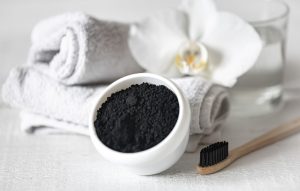
Charcoal toothpaste is a toothpaste that consists of activated charcoal, a special black powder obtained from heating substances such as coconut shells, bamboo, and wood at high temperatures.
Unlike normal charcoal used in barbecue, activated carbon features a porous surface created for specific molecule absorption and is thus a useful element in clinics in cases of poisoning and water purification.
As far as toothpaste is concerned, companies that produce it claim that activated carbon helps to:
- Remove stains from coffee, tea, and smoking
- Whiten teeth naturally
- Freshen breath
- Remove toxins from the mouth
- Improve overall oral health
Does Charcoal Toothpaste Actually Whiten Teeth?
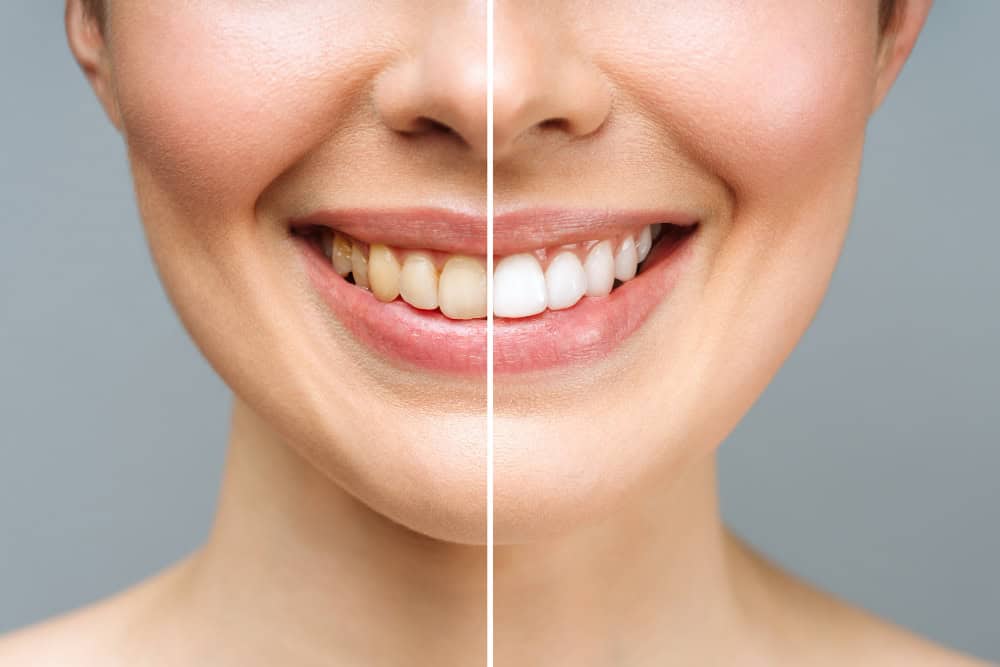
The answer is “yes” if we mean that it removes some of its outer stains, but it does not whiten them compared to whitening toothpastes or professional procedures.
Stains Elimination
Activated carbon is a mild abrasive, so it may remove stains that lie on the outer layer of teeth. If your teeth are stained with coffee or drinks, they will most likely look cleaner after use.
It Doesn’t Change Tooth Colour
In general, tooth whitening means bleaching stains inside the tooth with the help of substances like hydrogen peroxide or carbamide peroxide. Activated carbon is not able to do it as well.
A review published in the British Dental Journal found insufficient evidence to support the safety and effectiveness of charcoal-based toothpastes for whitening claims.
How Does Charcoal Toothpaste Work?
Activated charcoal acts mainly through the following mechanisms:
- Gentle Rubbing: It works by physically scrubbing stains away.
- Adsorption: The porous surface can attract particles on the surface of the teeth. However, there are no studies to prove its effectiveness in terms of whitening.
- Charcoal does not penetrate enamel like products containing peroxide.
Regarding the safety of charcoal toothpaste, dentists prefer to remain cautious.
Is Charcoal Toothpaste Safe To Use?
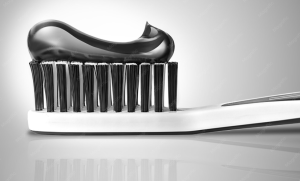
The occasional use of charcoal toothpaste should not cause problems for most people, but using it often might not result in anything good because some charcoal toothpastes are known for being abrasive.
1. It may erode enamel
Enamel is the outer layer of the tooth. It doesn’t grow back once lost.
Using abrasive toothpaste might lead to a gradual erosion of the enamel, which may lead to:
- Increased sensitivity
- Increased risk of cavities
- Increased yellow appearance
2. It may cause gum irritation
Some of the people might have gum problems due to charcoal particles, namely irritation in case of aggressive brushing.
3. Not every product includes fluoride
Fluoride is an important component of toothpaste that is necessary for strengthening enamel and preventing cavities.
Some charcoal toothpastes contain fluoride while others don’t.
As a result, using a fluoride-free product means
4. Presence of charcoal particles in the mouth
Prior dental work, such as fillings, crowns, and veneers, may retain charcoal particles and render the cleaning process difficult.
Who Should Not Use Charcoal Toothpaste?
Dentists caution people with the following issues to avoid using charcoal toothpaste:
- Sensitive teeth
- Decaying tooth enamel
- Gum recession
- Braces
- Veneers
- Crowns
- Large fillings
Children in the early stages of their boyhood need to be using toothpaste meant for their age and fluoride needs rather than charcoal until they reach adulthood.
What Does the Research Say?
Charcoal toothpaste has been scientifically reviewed several times. They reveal the following:
- Overall, the evidence supporting whitening claims is limited.
- There is no convincing evidence that charcoal can remove toxins from the mouth.
- We also have limited safety information for long-term daily use.
The American Dental Association (ADA) also said there is insufficient evidence to support the marketing claims of many charcoal toothpastes.
Better Ways to Whiten Teeth Safely
If you want to achieve a brighter smile, it is suggested by dentists that you find methods with more scientific evidence.
1. Use fluoride toothpaste that whitens
Look for whitening toothpastes:
- That include fluoride
- That have slight or moderate abrasiveness
- That have dental approval whenever possible.
2. Think about going for professional whitening services
Professional whitening procedures (those done by dentists) usually have peroxide ingredients helping to deal with tough stains.
3. Increase your level of oral hygiene
Performing simple things may help you a lot:
- Brush your teeth twice per day for two minutes.
- Floss your teeth regularly.
- Clean the tongue as part of mouth hygiene.
- Update your toothbrush every three or four months.
4. Minimize habits that may cause discoloration of teeth
Tea, coffee, red wine, and smoking can stain teeth gradually.
Drinking water after having these beverages will help to diminish the effects of these products.
Can You Use Charcoal Toothpaste Occasionally?
In the case of healthy adults, it is most likely safe to use the toothpaste from time to time if the following conditions are met:
- The toothpaste includes fluoride.
- You brush your teeth very carefully.
- You do not use charcoal toothpaste as your main paste
Nevertheless, if the product is significantly abrasive, daily usage all the time is not optimal. For those who have sensitive teeth or existing dental work, one should talk to the dentist about the options to whiten their teeth.
The Final Thought

Charcoal toothpaste has gained popularity for wellness followers, but the underlying science does not back up a lot of its significant claims.
While it does appear to eliminate some stains from the surface and make the teeth cleaner, there is limited proof that it indeed allows for teeth whitening beyond the enamel. The improper use of very abrasive charcoal toothpaste might even increase the chances of wearing away enamel, cause tooth sensitivity, and reduce cavity prevention if the product does not contain fluoride.
Fluoride-containing whitening paste or dentist-related whitening procedures are better alternatives for those who want to whiten their teeth in the safest way possible. A beautiful smile can be achieved by different methods as long as the right approach is used.
FAQs
Q. Is charcoal toothpaste capable of whitening the teeth?
Not really; it helps to remove stains from the surface but cannot change the natural color of the teeth permanently.
Q. Is it safe to use charcoal toothpaste every day?
The daily usage of charcoal toothpaste may not be good for everyone since charcoal toothpaste can be abrasive and can lead to wear and tear of dental enamel.
Q. Is enamel damaged due to charcoal toothpaste?
In case the toothpaste is abrasive and overused or used with vigorous brushing, the enamel may be compromised.
Q. Is charcoal better than regular whitening toothpaste?
Scientific studies do not prove that charcoal toothpaste is better than fluoride containing teeth-whitening toothpaste.
Q. Should people with sensitive teeth use charcoal toothpaste?
People suffering from sensitive teeth, damaged enamel, or having dental fillings should seek their dentist’s opinion before regular use of charcoal toothpaste.
Q. Does charcoal toothpaste cause bad breath?
Though charcoal toothpaste can clean the mouth and make breath smell better temporarily, there is no evidence that activated charcoal works to improve the actual cause of bad breath better than regular fluoride toothpaste.
Q. Can charcoal toothpaste eliminate stains from coffee and tea?
Charcoal toothpaste may help eliminate surface stains from coffee and tea due to its abrasive properties, but it doesn’t help combat deeper stains like whitening treatments can.
Q. Is charcoal toothpaste safe to use with crowns and veneers?
Doctors usually advise caution as charcoal’s abrasive particles may damage or scratch dentures, crowns, or certain dental fillings. Regular use of charcoal toothpaste should be considered in consultation with a doctor.
(The article is written by Deepa Sarkar, Senior Medical Writer, and reviewed by Monalisa Deka, Deputy Manager, Clinical Health & Content, Medical Affairs)
References
1. Greenwall LH, Greenwall-Cohen J, Wilson NHF. Charcoal-containing dentifrices. Br Dent J. 2019;226(9):697-700.
2. Brooks JK, Bashirelahi N, Reynolds MA. Charcoal and charcoal-based dentifrices. J Am Dent Assoc. 2017;148(9):661-670.
3. American Dental Association. MouthHealthy: Whitening Your Teeth. Available from: ADA MouthHealthy .
4. Cochrane Oral Health Group. Home-use tooth whitening interventions for adults. Cochrane Database of Systematic Reviews.