Let’s be honest. Breakfast in most Indian homes is a big deal. Mummy insists you eat something “garam garam” before you rush out. The problem? That something is often a greasy paratha, a mountain of poha, or toast slathered with butter and jam. Tasty? Absolutely. Helping with your weight goals? Not so much.
You don’t need to give up your favorite breakfast. You just need to swap it smarter.
Nutritionist Mamta Sharma at Tata 1mg says: “Starting your day with a wholesome meal is an act of self-care that pays off all day long.” Here’s what dietitians suggest: simple changes that fit into your desi kitchen and lifestyle.
1. Swap Sugary Cereals for Oats

Those colorful cereal boxes look healthy, but they’re basically candy in a bowl. One serving can have more sugar than a gulab jamun. You eat it at 8 AM, and by 10 AM, you’re starving and cranky.
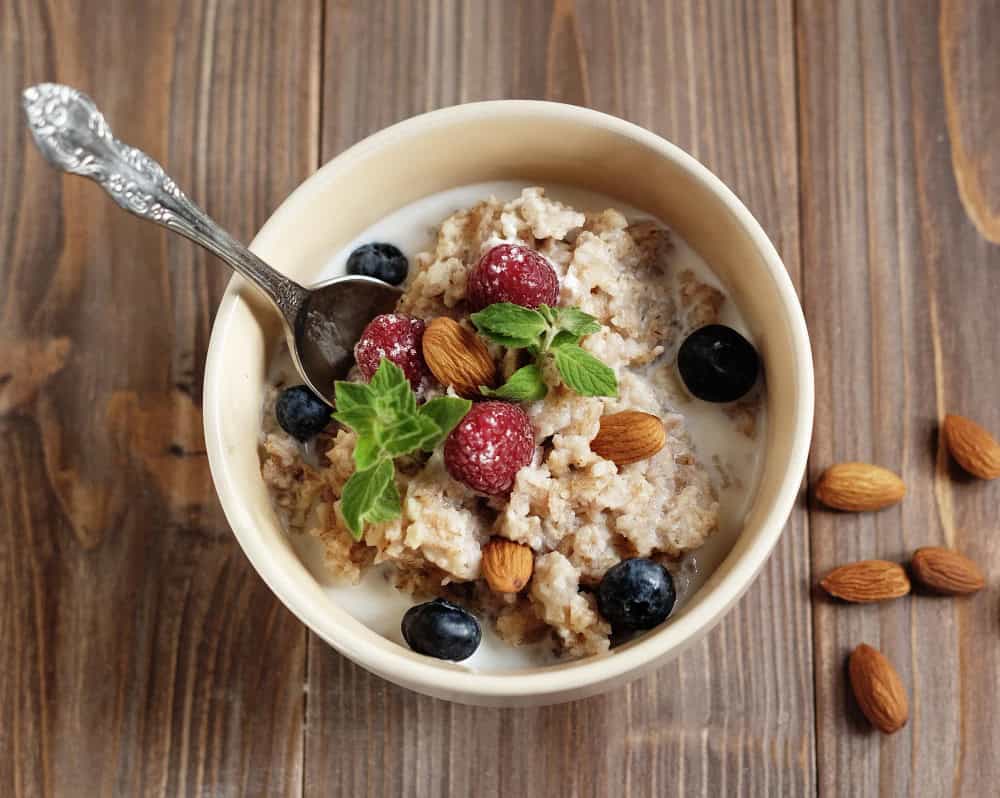
Oats are your real friend: plain rolled oats, not the sugary instant packets. Cook them with milk or water, add a banana or a spoon of peanut butter, and you’re set. You can even make savory oats by adding some haldi, jeera, and veggies. It’s like upma, but better for your waistline.
Dietitians love oats because they keep you full for hours. The fiber slows digestion, so you don’t get those mid-morning cravings. Plus, they’re cheap and available everywhere.
2. Swap White Bread for Multigrain or Millet Roti
White bread with butter is a classic, but it’s empty calories. It digests fast, spikes your blood sugar, and leaves you hungry again.
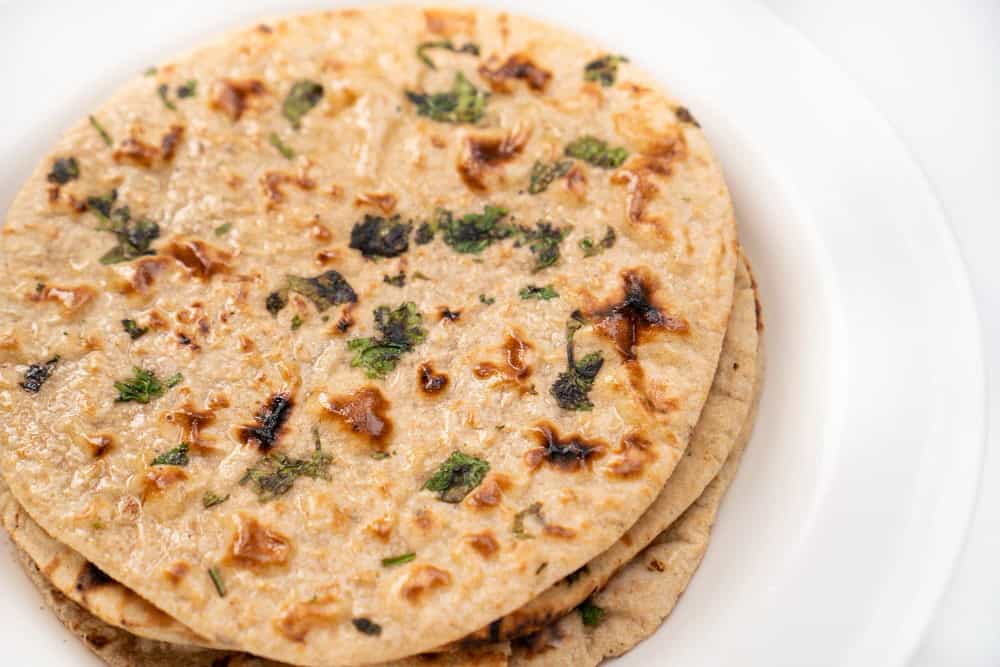
Try multigrain bread or, even better, make a quick millet roti. Jowar, bajra, or ragi rotis are packed with fiber and nutrients. Top it with avocado, hummus, tofu, paneer, or a boiled egg. If you want desi flavor, spread some homemade chutney or a thin layer of ghee with achar.
The trick is to add protein or healthy fat. That combo keeps you satisfied till lunch.
3. Swap Fruit Juice for Whole Fruit
A glass of orange juice feels healthy, right? Wrong. Most packaged juices are sugar water. Even fresh juice loses the fiber that makes fruit filling.
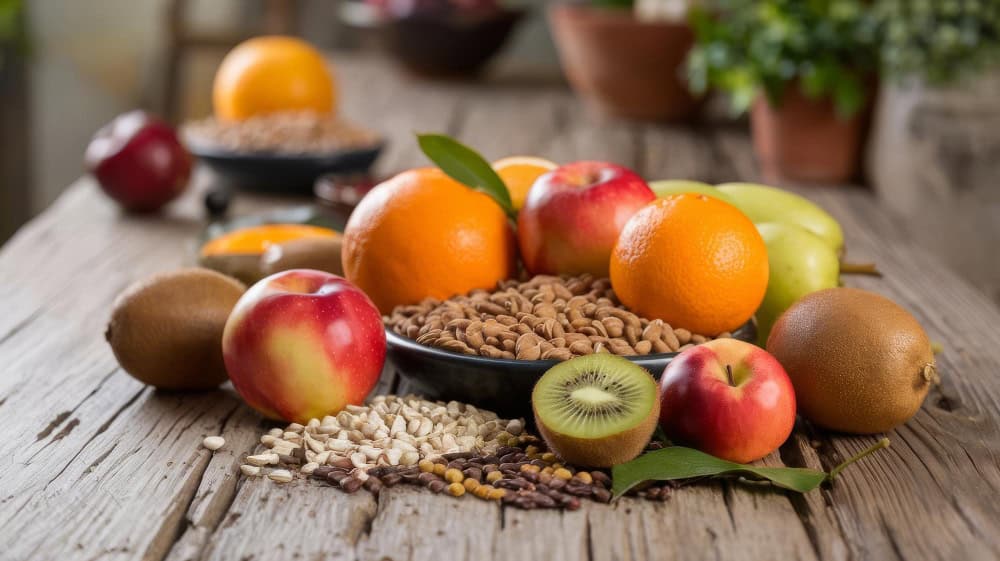
Eat the fruit whole. An orange, a banana, a bowl of papaya, whatever’s in season. The fiber keeps you full, and you absorb nutrients slowly. If you really want a drink, make a smoothie. Blend whole fruit with curd or milk, add (1tsp) soaked chia seeds, and you’ve got a proper meal.
This swap alone can cut hundreds of empty calories from your week.
4. Swap Your Sugary Chai for a Lighter Version
If your morning chai has two spoons of sugar and a pile of biscuits on the side, that’s not breakfast, that’s dessert. You’re starting your day with a sugar spike.
Cut back gradually. Try one spoon of sugar, then half. Or switch to green tea or black coffee. If you can’t imagine chai without meethapan, add a pinch of elaichi or ginger for flavor. It tricks your brain into thinking it’s sweeter than it is.
Dietitians say this one change can save you 150-200 calories daily. That adds up fast.
5. Swap Butter-Laden Parathas for Smarter Stuffed Ones
Parathas are non-negotiable in many homes. But the ones drowning in ghee or butter? They’re heavy and calorie-dense.
Make them work for you. Use minimal ghee, whole wheat atta, and stuff them with protein-rich fillings. Paneer, moong dal, or grated veggies are perfect. Serve with dahi instead of pickle. You still get that comforting, garam garam feeling, but with way better nutrition.
Your mummy might not even notice the difference, except that you’re eating more thoughtfully.
6. Swap Processed Breakfast Bars for Real Food
Those “energy bars” you grab on the way to work? Most are just candy bars in disguise. They have hidden sugars, syrups, and preservatives.
Make your own version. Overnight oats in a jar are perfect. Mix oats, milk, dates, soaked chia seeds (1tsp), and fruit before bed. In the morning, it’s ready to grab. Or try chia pudding: soak chia seeds in milk, add a bit of jaggery, and nuts. It’s desi, filling, and actually healthy.
Dietitians always say: if it doesn’t need a label, it’s probably better for you.
7. Swap Simple Carbs for Protein-rich Add-ons
Poha, upma, and idli, these are breakfast staples. But they’re mostly carbs. Carbs alone digest quickly and leave you hungry.
Don’t skip them; just balance them. Add sprouts to poha, peanuts to upma, or a glass of buttermilk with your idlis. Even a boiled egg on the side works wonders. Protein slows digestion and keeps cravings away.
This is one of the most effective long-term strategies. It’s sustainable and doesn’t feel like you’re on a diet.
8. Swap Flavored Yogurt for Plain Dahi or Greek Yogurt
Those fruity yogurts in the supermarket look tempting, but they’re full of sugar. One small cup can have 15-20 grams of added sugar.
Plain dahi or Greek yogurt is the real deal. It’s high in protein, low in sugar, and great for your gut. Add your own fruit, a drizzle of honey, or some roasted jeera powder for flavor. It’s cheaper, tastier, and actually healthy.
Your digestion improves, and your hunger stays in check.
9. Swap Frying for Steaming or SautéingToasting
How you cook matters as much as what you cook. Frying poha in lots of oil or making dosas with generous gheeoil can add hundreds of calories.
Use a nonstick pan. Shallow fry or sauté. Toast instead of frying. Measure oil with a spoon instead of pouring from the bottle. One tablespoon of oil is 120 calories. Save that, and you’ve made progress without changing your food.
Small cooking tweaks like this make meals lighter without losing taste.
10. Swap Skipping Breakfast for Eating Mindfully
The biggest mistake isn’t overeating, it’s skipping. When you skip breakfast, you slow your metabolism, lose energy, and crave junk later. You think you’re saving calories, but you end up eating more at lunch and dinner.
Just eat. Sit down for 10 minutes, enjoy your food, and listen to your body. You don’t need an elaborate spread. A simple combination of protein, fiber, and healthy fat is enough. Two boiled eggs and a fruit. Or a bowl of oats with nuts. Or a paneer paratha with dahi.
Mindful eating changes your relationship with food. You stop seeing it as the enemy.
A Final Thought
Weight loss isn’t about starving. It’s about making smarter choices that fit your life. These swaps aren’t fancy or expensive. They’re practical, desi, and tested by dietitians who understand how we actually eat.
Start small. Change one thing this week. Maybe it’s your chai. Maybe it’s your bread. Once that sticks, change another. Your body and your favorite pair of jeans will thank you.
(The article is written by Mantasha, Sr. Executive, Clinical Health & Content, and reviewed by Monalisa Deka, Deputy Manager, Clinical Health & Content, Medical Affairs.)