
Matcha has gone from a traditional Japanese tea to a regular feature on café menus, breakfast tables, and social media feeds. And if you’re trying to lose weight, you’ve probably seen it described as a natural fat-burning drink.
But can a cup of bright green tea really help you lose weight?
The answer is a little more interesting than a simple yes or no. Matcha contains catechins, especially epigallocatechin gallate (EGCG), along with caffeine and L-theanine. These compounds may support some of the processes involved in energy use and fat metabolism. However, the effect is modest, and drinking matcha won’t cancel out an unhealthy diet or lack of physical activity. Research on green tea suggests that catechin-and-caffeine combinations can produce small changes in body weight, while evidence specifically on matcha and weight loss is still developing.
So, what makes matcha worth adding to your routine? Let’s look at seven ways it may help.
1. It may support your metabolism
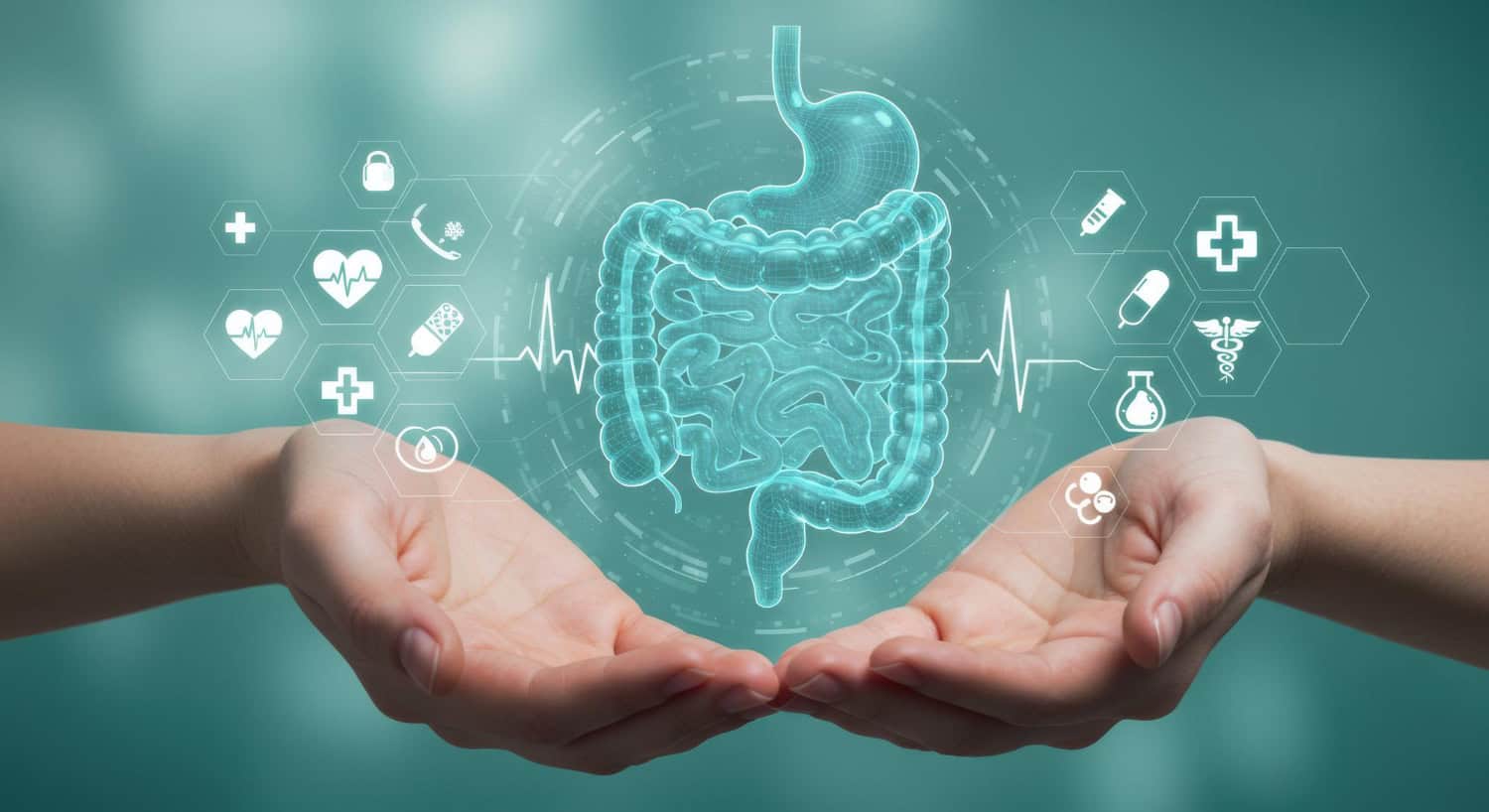
Your metabolism is the process through which your body uses energy to keep you alive and active. Matcha may give this process a small boost because it contains both catechins and caffeine.
EGCG, the best-known catechin in matcha, has been studied for its possible role in energy expenditure and fat oxidation. Caffeine can also increase energy expenditure and stimulate the nervous system.
Research on green tea, which provides the same major compounds found in matcha, has found small reductions in body weight in some studies. One meta-analysis found that catechins combined with caffeine were associated with reductions in body weight, BMI, and waist circumference, although the researchers described the overall clinical effect as modest.
That means matcha may help your body use a little more energy, but don’t expect your metabolism to suddenly go into overdrive after one cup.
2. It may help your body burn fat during exercise

If you already exercise, matcha may fit nicely into your routine.
The combination of catechins and caffeine has been studied for its effect on fat oxidation, which is the process of using stored fat as an energy source. Green tea research suggests that this effect may be more noticeable when tea consumption is combined with physical activity [1].
For example, having unsweetened matcha before a morning walk or workout may give you caffeine for alertness while also providing catechins.
The important part is the workout. Matcha isn’t going to replace it.
Think of it as a small supporting player, not the main character.
3. It can give you energy without adding many calories
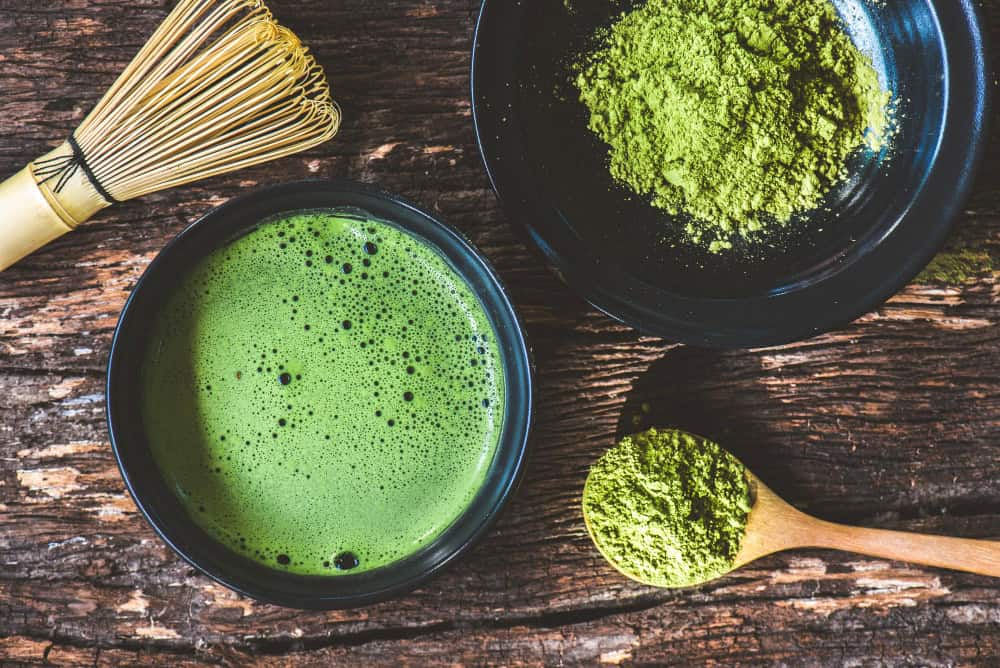
Plain matcha prepared with water is naturally low in calories. That makes it an easy replacement for drinks that can quietly add hundreds of calories to your day.
Think about your usual café order. A sweetened coffee, flavoured latte, milkshake, or sugary cold drink can contain a surprising amount of sugar and calories. Swapping one of these for plain matcha can reduce your overall calorie intake without requiring you to eat less food.
This is one of the simplest ways matcha can support weight management.
The catch? Matcha itself isn’t the problem. What you add to it can be.
A matcha drink loaded with sugar, flavoured syrups, whipped cream, or large amounts of high-calorie milk isn’t the same as plain matcha tea.
4. It may help you stay active and focused
Matcha contains caffeine and L-theanine. L-theanine is an amino acid naturally found in tea.
This combination may promote alertness and attention while providing a calmer feeling than caffeine alone for some people. Matcha contains caffeine because you consume the powdered tea leaf rather than simply drinking water that has been infused with tea leaves.
Why does that matter for weight loss?
When you’re tired, staying active can feel like a chore. A little extra alertness may make it easier to get through your morning walk, workout, or busy day.
Of course, your energy levels depend on much more than one drink. Sleep, food intake, hydration, stress, and regular exercise all matter.
5. It may help you replace sugary drinks
This might be one of the most practical benefits.
Weight loss often comes down to habits that you can repeat every day. You don’t need to completely overhaul your diet overnight. Sometimes, changing what you drink is an easier place to start.
If you usually reach for sweetened tea, soda, packaged juices, or sugary coffee, switching to unsweetened matcha can help lower your calorie intake.
And because matcha has a distinct earthy taste, you may find that you don’t need as much sugar once you get used to it.
If plain matcha tastes too strong at first, try gradually reducing the amount of sweetener rather than forcing yourself to drink something you dislike.
Healthy habits have a better chance of sticking when you actually enjoy them.
6. It may support weight maintenance
Losing weight is only one part of the process. Keeping it off can be just as challenging.
Green tea catechins and caffeine have been studied for their possible role in maintaining energy expenditure and supporting weight management after weight loss. Some research suggests that the combination may have a small beneficial effect on weight maintenance.
However, the evidence isn’t completely consistent. A Cochrane review found that the overall effect of green tea preparations on weight loss in overweight or obese adults was very small and not statistically significant in its main analysis.
This is why it’s better to think of matcha as one part of a weight-management routine rather than a treatment for weight gain.
Your everyday meals, activity, sleep, and long-term habits still do most of the work.
7. It may help make a healthy routine easier to follow
There’s another benefit that doesn’t get as much attention: routine.
Having a simple drink that you associate with a healthy habit can make your day feel more structured. You might prepare matcha before your morning walk, have it during your work break, or use it instead of reaching for a sugary afternoon drink.
That consistency matters.
Matcha also contains antioxidants called catechins, which contribute to its nutritional appeal beyond weight management. Since you’re consuming the powdered leaf itself, matcha can provide a more concentrated source of tea compounds than a typical brewed green tea.
But don’t fall into the trap of thinking that more is better. Matcha contains caffeine, and excessive caffeine can cause problems such as restlessness, digestive discomfort, or sleep disturbances in some people.
How to drink matcha if you’re trying to lose weight
The simplest option is also one of the best: whisk matcha with water and drink it without added sugar.
You can start with a small serving and see how your body responds. If you’re sensitive to caffeine, avoid having it late in the day.
If you’re making a matcha latte, pay attention to what goes into it. Milk and sweeteners aren’t automatically unhealthy, but large portions and added sugar can increase the calorie content.
You should also avoid treating matcha as a meal replacement. Skipping meals and relying on caffeinated drinks can leave you hungry, tired, and more likely to overeat later.
And if you’re already drinking coffee, tea, energy drinks, or other caffeinated beverages, remember to consider your total caffeine intake.
For a broader look at how everyday drinks can fit into a healthier diet, you may also like this guide to the potential benefits of black coffee and this comparison of avocado and ghee for heart health.
Matcha and weight loss: What should you realistically expect?
Let’s keep expectations realistic.
Matcha isn’t a fat-melting drink. It doesn’t specifically target belly fat, and drinking several cups won’t compensate for regularly eating more calories than your body needs.
The strongest evidence comes from studies of green tea catechins and caffeine rather than matcha alone. Results have varied between studies, and some reviews have found only small or clinically modest effects.
So why include it?
Because small habits can add up. If unsweetened matcha replaces a sugary drink, helps you feel more alert before exercise, and becomes part of a balanced routine, it can support your overall weight-management efforts.
That’s a much more realistic promise than calling it a miracle fat burner.
FAQs
Can matcha tea help you lose weight?
Matcha may support weight management because it contains catechins and caffeine, which may influence energy expenditure and fat oxidation. However, the effect is likely to be small, and matcha works best alongside a balanced diet and regular physical activity.
Is matcha better than green tea for weight loss?
Matcha and green tea come from the same plant. The main difference is that matcha is made from powdered whole tea leaves, so you consume the leaf rather than only the brewed infusion. This can give matcha a more concentrated intake of certain tea compounds. However, there isn’t enough evidence to say that matcha consistently produces greater weight loss than regular green tea.
Does matcha burn belly fat?
No drink can specifically target belly fat. Matcha may support overall fat metabolism, but it doesn’t cause spot reduction. If you lose body fat over time, some of that reduction may occur around your abdomen.
When should you drink matcha for weight loss?
Morning or before exercise can be practical times because of its caffeine content. If caffeine affects your sleep, avoid matcha later in the day.
Can I drink matcha every day?
For most healthy adults, moderate amounts of matcha can fit into a daily diet. Since its caffeine content can vary, pay attention to how much you’re drinking and how your body responds.
Does matcha reduce appetite?
Some people may find that a warm, unsweetened drink helps them feel satisfied between meals, but there isn’t strong evidence that matcha itself reliably suppresses appetite. Don’t use it as a substitute for proper meals.
Can I drink matcha with milk while trying to lose weight?
Yes. A matcha latte can be part of a weight-loss diet. Just keep an eye on portion size and added sugar, since these can increase the drink’s calorie content.
Is matcha better before or after a workout?
Having matcha before a workout may be useful if you tolerate caffeine well, as caffeine can support alertness and exercise performance. You don’t need matcha after exercise specifically for weight loss.
How much matcha should I drink for weight loss?
There isn’t a scientifically established dose of matcha specifically for weight loss. Matcha is concentrated and contains caffeine, so moderate consumption is a sensible approach rather than taking large amounts in an attempt to speed up results.
Who should be careful with matcha?
People who are sensitive to caffeine, have certain medical conditions, take medicines that may interact with caffeine, or are pregnant or breastfeeding should check with a healthcare professional about an appropriate intake. Matcha can also affect iron absorption because tea compounds can reduce absorption of non-heme iron, so timing may matter for people who need to maximise iron intake.
The bottom line
Matcha can be a useful addition to a weight-loss routine, but it isn’t a shortcut.
Its catechins and caffeine may support metabolism and fat oxidation, while its low calorie content makes it a useful alternative to sugary drinks. It may also give you a little extra energy and focus that can make staying active easier.
The research, however, points toward modest effects rather than dramatic weight loss.
So enjoy your matcha. Keep it simple, watch the added sugar, stay active, eat balanced meals, and give your habits time to work. A cup of matcha can support the journey, but your daily routine is what ultimately moves the needle.
References
1. Westerterp-Plantenga MS. Green tea catechins, caffeine and body-weight regulation. Physiol Behav. 2010;100(1):42-6. doi:10.1016/j.physbeh.2010.02.005
The article is written by Mantasha, Sr. Executive, Clinical Health & Content, and reviewed by Monalisa Deka, Deputy Manager, Clinical Health & Content, Medical Affairs.)
Recommended Reads:
Simple Habits to Boost Vitamin D and Lower Cortisol Levels Naturally
Clinically Explained Vitamin D Supplements: Benefits, Dosage & Timing