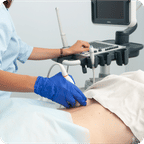
Ultrasound KUB


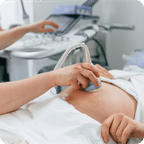
The Ultrasound KUB (Kidneys, Ureters, and Bladder) is a safe, noninvasive, painless imaging scan that utilizes high-frequency sound waves to produce clear images of these essential organs. It aids in diagnosing kidney stones, urinary tract infections, obstructions, or other structural abnormalities, providing accurate information about the urinary system.



Understanding Ultrasound KUB
Ultrasound KUB aids in assessing the health of the urinary system. It evaluates the size, shape, and condition when it's full and immediately after emptying of the urinary bladder. It also examines the right and left kidneys, the ureters, and the other soft tissue structures within the abdomen. In men, the test examines the prostate gland.
This test is usually advised when there are symptoms like stomach pain, hematuria, frequent urination, or not being able to urinate. It helps to look for abnormalities in the bladder wall, kidney size, or shape. It is also performed to detect stones within the urinary tract. Additionally, it helps assess the cause of recurrent kidney infections. Furthermore, it can help detect the root cause for the renal or pelvic pain.
The Ultrasound KUB test is a safer option to other imaging studies, i.e., X-rays or Computed Tomography (CT) scans, as it does not employ ionizing radiation or oral contrast media.
Normally, fasting is not needed for the test. Drink plenty of water before the USG examination to have a full bladder at the time of the test. This helps ensure clear pictures of the subject areas. Dress in comfortable clothing to provide easy access to parts of the body that require a scan. If you are pregnant, tell the doctor or technician. Although the USG is harmless, some adjustments might be necessary to provide optimal care during pregnancy.
Interpretation of test results requires expert guidance. Therefore, do not self-medicate solely based on the test results. Always consult the doctor for a proper understanding of the test results. The Ultrasound KUB helps doctors make informed decisions about further treatment or lifestyle recommendations.
Disclaimer: You must visit your nearest Tata 1mg partnered lab facility for radiology tests.
What does Ultrasound KUB measure?
The Ultrasound KUB test visualizes the size, shape, and structure of these organs to determine their health and detect any abnormalities. It is used to identify conditions such as kidney stones, cysts, obstructions, or tumors and to check for fluid accumulation or evidence of infection. With real-time images, the test provides useful information about the functioning of the urinary system without the use of radiation.
FAQs related to Ultrasound KUB
- Ultrasound [Internet]. NIH; Dec 20223 [Accessed 26 Sep. 2024]. Available from:
- Southgate SJ, Herbst MK. Ultrasound of the Urinary Tract. [Updated 2023 Jan 16]. In: StatPearls [Internet]. Treasure Island (FL): StatPearls Publishing; 2024 Jan-. Available from:
- Hansen KL, Nielsen MB, Ewertsen C. Ultrasonography of the Kidney: A Pictorial Review. Diagnostics (Basel). 2015 Dec 23;6(1):2. [Accessed 26 Sep. 2024]. Available from:
Other tests
- Urine R/M (Urine Routine & Microscopy)
- KFT with Electrolytes (Kidney Function Test with Electrolytes)
- Urine C/S (Urine Culture and Sensitivity)
- Serum Creatinine
- LFT and KFT (Liver Function Test & Kidney Function Test)
- Uric Acid, Serum
- Serum Calcium
- Cortisol, Serum (Morning Sample)
- Microalbumin Creatinine Ratio, Urine
- Potassium
- CBC (Complete Blood Count)
- FBS (Fasting Blood Sugar)
- Thyroid Profile Total (T3, T4 & TSH)
- HbA1c (Glycosylated Hemoglobin)
- PPBS (Postprandial Blood Sugar)
- Lipid Profile
- Vitamin D (25-Hydroxy)
- Urine R/M (Urine Routine & Microscopy)
- Coronavirus Covid -19 test- RT PCR
- LFT (Liver Function Test)
- KFT (Kidney Function Test)
- TSH (Thyroid Stimulating Hormone) Ultrasensitive
- ESR (Erythrocyte Sedimentation Rate)
- Uric Acid, Serum
- Vitamin B12
- CRP (C-Reactive Protein), Quantitative
- Urine C/S (Urine Culture and Sensitivity)
- Serum Electrolytes
- Serum Calcium
- Serum Creatinine
- Diabetes Screening (HbA1C & Fasting Sugar)
- KFT with Electrolytes (Kidney Function Test with Electrolytes)
- Cholesterol - Total
- Hb (Hemoglobin)
- Complete Hemogram (CBC & ESR)


.png?dpr=3&format=auto&w=48px)