Tacrolimus by LC-MS/MS
Also referred as
FK-506
+2
Fujimycin
Tacro

360+ booked recently

For men & women
Earliest reports in

48 hours

Contains

1 test
Test price:
₹3599
Get it at ₹3131 with coupon
Apply coupon 1MGNEWG during checkout


More offers available

Know more about this test

The Tacrolimus by LC-MS/MS is a blood test that is used to monitor the levels of tacrolimus, an immunosuppressive medication commonly prescribed to prevent organ rejection in transplant recipients. It helps doctors ensure that individuals maintain optimal levels of tacrolimus in their blood, minimizing the risk of transplant rejection and avoiding toxicity.


Samples required
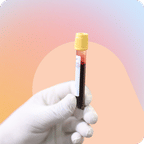
Blood

Find out
Why is this test booked?
Preparation for this test

Sample Collection
Who will collect your samples?
Conducted by

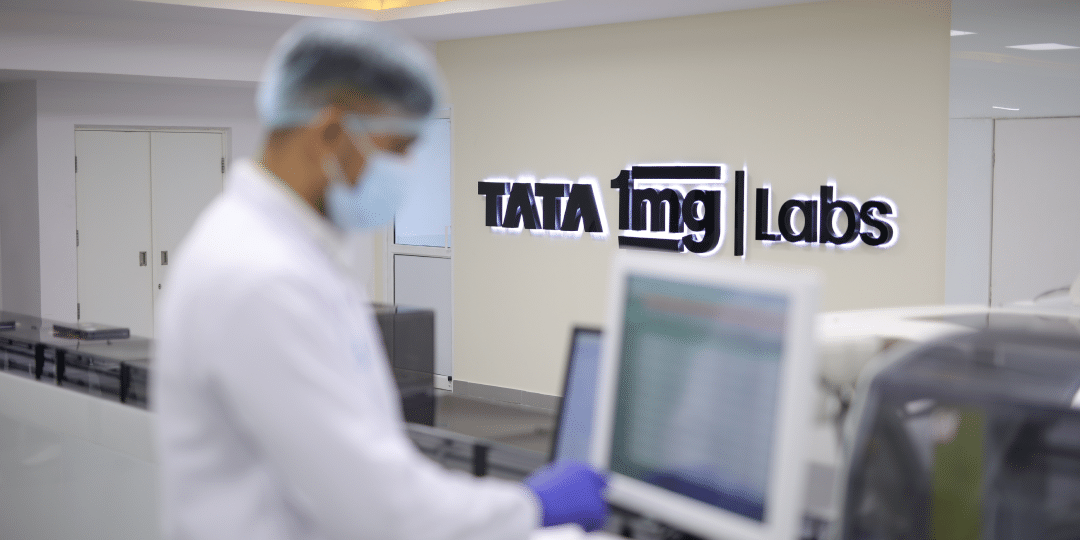
Tata 1mg Labs


Accredited
labs
Highly skilled
Phlebos
Verified
reports
Who will collect your samples?
Tata 1mg certified phlebotomists
Know more about lab
Frequently booked together





Test Information is reviewed by: Dr. Swati Gupta (Anand), MD Lab Medicine, MBBS and written by Shweta Prakash, MSc, BSc . The test details are for information purpose only. Consult a doctor before taking any test. Last updated on: 8th May 2026
Did you find information useful ?
 YES (2)
 NO (1)
Book a Tacrolimus by LC-MS/MS test at home near me
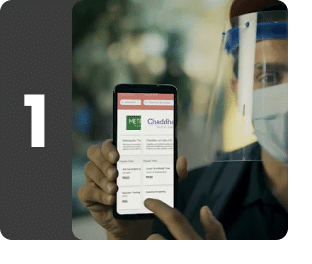
Easy online booking
Search for tests and packages, book your preferred time slot and enter your address for seamless at-home lab tests.
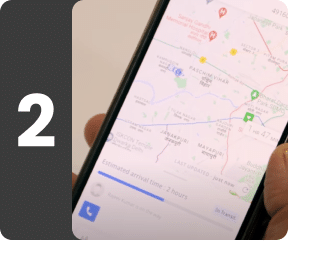
Live tracking of phlebotomist
Track our trained phlebotomist's real time location for seamless sample collection.
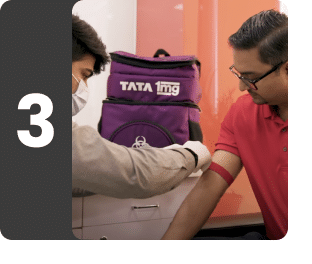
Safe Sample Collection
Our phlebotomists follow strict safety protocols to collect samples safely at home and on time.
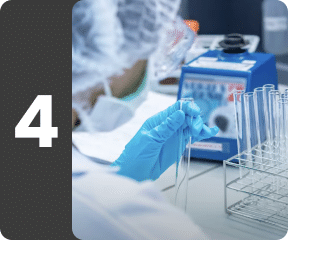
Sample received at lab
Samples are transported securely to our accredited labs with world-class machines for testing by qualified experts.
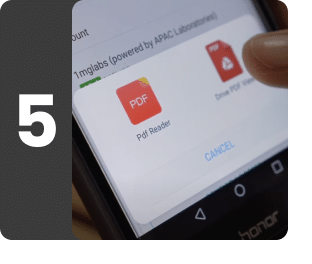
Quick, Doctor-Verified Reports
Get doctor-approved reports via email and WhatsApp, with options for doctor follow-ups and AI insights.



References
- Araya AA, Tasnif Y. Tacrolimus. [Updated 2023 May 29]. In: StatPearls [Internet]. Treasure Island (FL): StatPearls Publishing; 2024 Jan-. Available from:

- Warty V, Zuckerman S, Venkataramanan R, Lever J, Chao J, Mckaveney T, Fung J, Starzl T. Tacrolimus analysis: a comparison of different methods and matrices. Ther Drug Monit. 1995 Apr;17(2):159-67. [Accessed 15 Jul. 2025]. Available From:
- Yin S, Song T, Jiang Y, Li X, Fan Y, Lin T. Tacrolimus Trough Level at the First Month May Predict Renal Transplantation Outcomes Among Living Chinese Kidney Transplant Patients: A Propensity Score-Matched Analysis. Ther Drug Monit. 2019 Jun;41(3):308-316. [Accessed 15 Jul. 2025]. Available From:
- Kalt DA. Tacrolimus: A Review of Laboratory Detection Methods and Indications for Use. Lab Med. 2017 Nov 8;48(4):e62-e65. [Accessed 15 Jul. 2025]. Available From:
- Massoglia G, Ramnarine M, Schuh MJ. Tacrolimus Therapeutic Drug Monitoring in Kidney Transplant Patients Before and After Pharmacist Post-transplant Consults. Innov Pharm. 2021 Jun 10;12(3):10.24926/iip.v12i3.4212. [Accessed 15 Jul. 2025]. Available From:
- Nakamura A, Amada N, Haga I, Tokodai K, Kashiwadate T. Effects of elevated tacrolimus trough levels in association with infectious enteritis on graft function in renal transplant recipients. Transplant Proc. 2014;46(2):592-4. [Accessed 15 Jul. 2025]. Available From:
- Hsiao CY, Ho MC, Ho CM, Wu YM, Lee PH, Hu RH. Long-Term Tacrolimus Blood Trough Level and Patient Survival in Adult Liver Transplantation. J Pers Med. 2021 Feb 1;11(2):90. [Accessed 15 Jul. 2025]. Available From:
- Hieu TB, Dung NM, Toan PQ, Kien TQ, Van Duc N, Thang LV, Van Tran P, Hop VQ, Phuong NM, Ben NH, Van Khoi N, Nghia TT, Dung VD, Van Thinh N, Hang DTT, Van Men C, Long DD, Su HX. Determination of tacrolimus in human whole blood in kidney transplant recipients using a rapid and specific LC-MS/MS method. J Clin Lab Anal. 2023 Aug;37(15-16):e24958. [Accessed 15 Jul. 2025]. Available From:

Recommended for everyone
This package is designed with everyone’s overall health considerations in mind, offering assessments to address a wide range of wellness needs.
Contains 1 test
Report delivery
Standard time
48 hrs
For slots after 11 AM, report will be delivered in 48 hours.
Samples required
Blood
Our phlebotomist will draw a blood sample, typically from a vein in your inner elbow.
Preparations
1
Timing of the last Tacrolimus dose is important. Please mention the exact time of the last dose taken during the sample collection (e.g., trough level C0 or peak level C2).
2
Doctor's prescription, clinical history, and timing of last dose are mandatory.
3
Avoid excessive alcohol consumption the day before the test.
Why is this test booked?
1
To monitor tacrolimus levels in the body.
2
To ensure tacrolimus doses are correct and effective post-transplant.
3
To adjust tacrolimus dosage to achieve and maintain therapeutic levels.
4
To check the levels of tacrolimus in cases showing signs and symptoms of side effects, toxicity, or organ rejection.
5
To assess patient response to the medication.
6
To determine the frequency of testing based on individual factors.
7
To provide insights for doctors to optimize tacrolimus levels.
Coupon details
Get it at ₹3131 with coupon
Get upto 15% off on your lab tests
Maximum discount: ₹1500
1MGNEWG

10% off
₹999

13% off
₹3000
15% off
₹5000
Available Offers
Get additional upto 15% off
Get upto 15% off on your lab tests
Maximum discount: ₹1500
1MGNEWG
Upto Rs 650 off on all lab tests
Get Upto Rs 650 off on all lab tests
Maximum discount: ₹650
1MGSUPER
Upto Rs 1500 off on all lab tests
Get Upto Rs 1500 off on all lab tests
Maximum discount: ₹1500
1MGSUPERMAX
Who's behind your sample collection?




MEET YOUR PHLEBO

Certified & experienced professionals
Tata 1mg phlebotomists are DMLT / B.Sc MLT certified and have 1+ years of experience

Best in-class collections
Tata 1mg phlebotomists are trained for painless, single-prick hygienic sample collection

Comprehensive expertise
Other than sample collection, our phlebos are also skilled in first aid, ECG & BP monitoring
WHAT OUR CUSTOMERS ARE SAYING
Excellent work
~ BALRAJ ARUNRAJ NAYADU

Pain Free collection
~ Govindaraj M
Excellent service by the techician
~ Rahul.R
PERFECT SERVICE....
~ AMIT ANAND 7330002602
Very Professional
~ SHALINI SINHA 7000024312
On time and well done
~ Sonia Isaac
Very nice 👍
~ PANKAJ SHARMA 7310002964
Your colleague Madhusudan is a very good professional.
Hats off
~ Elvin Gabriel Madtha
The technician's behaviour and conduct was kind and professional. He ensured safety procedures were explained and followed. The collection of sample was done well in time as requested.
~ Richa
It's good and comfortable
~ Meena Pachori