Sirolimus by LC-MS/MS
Also referred as
Sirolimus (Rapamycin) test

For men & women
Earliest reports in

48 hours

Contains

1 test

More offers available

Know more about this test

The Sirolimus by LC-MS/MS is a blood test used to monitor the levels of sirolimus, an immunosuppressive medication commonly prescribed to prevent organ rejection in transplant recipients. It helps doctors ensure that individuals maintain optimal levels of sirolimus in their blood, reducing the risk of transplant rejection while avoiding toxicity. This test is used to optimize the dose so that toxic effects of the drug are avoided. The optimum time for the test is an hour before the next dose (trough).


Samples required
Blood

Find out
Why is this test booked?
Preparation for this test

Sample Collection
Who will collect your samples?
Conducted by
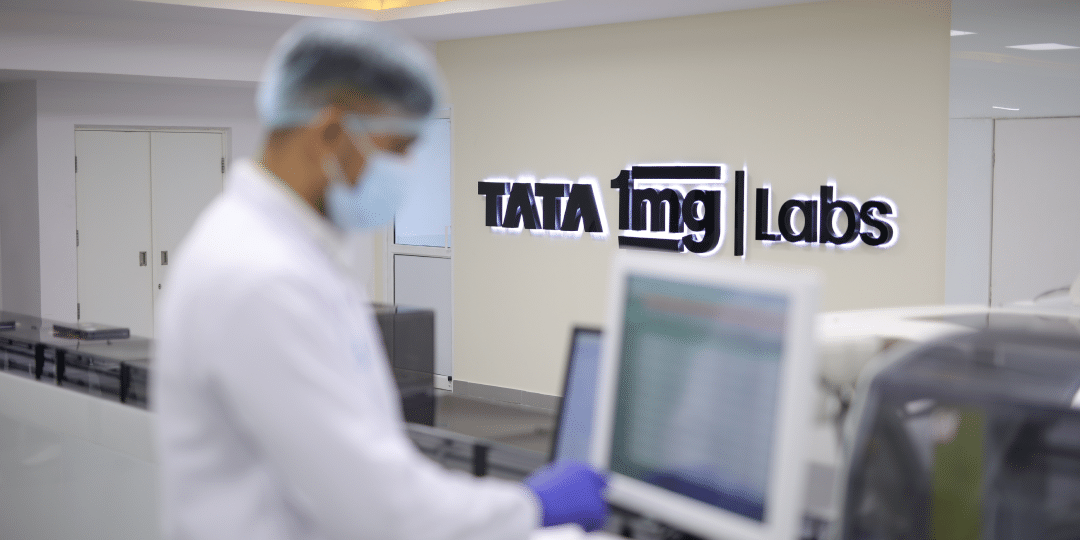
Tata 1mg Labs


Accredited
labs
Highly skilled
Phlebos
Verified
reports
Who will collect your samples?
Tata 1mg certified phlebotomists
Know more about lab
Test Information is reviewed by: Dr. Swati Gupta (Anand), MD Lab Medicine, MBBS and written by Shweta Prakash, MSc, BSc . The test details are for information purpose only. Consult a doctor before taking any test. Last updated on: 4th Jun 2026
Did you find information useful ?
 YES
YES  NO
NO 
Book a Sirolimus by LC-MS/MS test at home near me
Easy online booking
Search for tests and packages, book your preferred time slot and enter your address for seamless at-home lab tests.
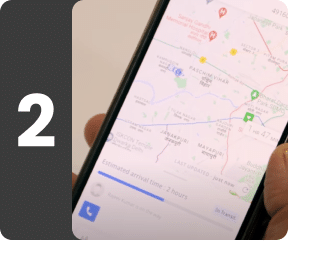
Live tracking of phlebotomist
Track our trained phlebotomist's real time location for seamless sample collection.
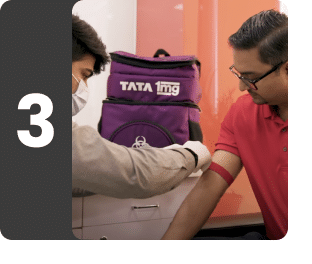
Safe Sample Collection
Our phlebotomists follow strict safety protocols to collect samples safely at home and on time.
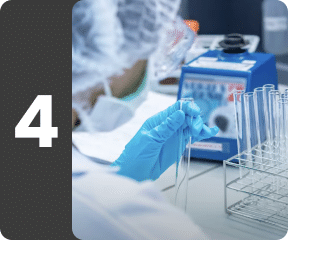
Sample received at lab
Samples are transported securely to our accredited labs with world-class machines for testing by qualified experts.
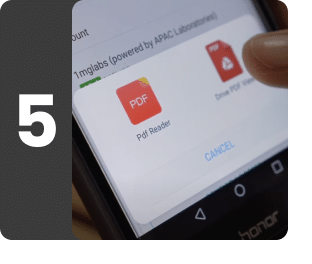
Quick, Doctor-Verified Reports
Get doctor-approved reports via email and WhatsApp, with options for doctor follow-ups and AI insights.



References
- Treder N, Plenis A, Maliszewska O, Kaczmarczyk N, Olędzka I, Kowalski P, Bączek T, Bień E, Krawczyk MA, Roszkowska A. Monitoring of sirolimus in the whole blood samples from pediatric patients with lymphatic anomalies. Open Med (Wars). 2023 Mar 2;18(1):20230652.

- Bouzas L, Hermida J, Tutor JC. Determination of blood sirolimus concentrations in liver and kidney transplant recipients using the Innofluor fluorescence polarization immunoassay: comparison with the microparticle enzyme immunoassay and high-performance liquid chromatography-ultraviolet method. Ups J Med Sci. 2009;114(1):55-61.

Recommended for everyone
This package is designed with everyone’s overall health considerations in mind, offering assessments to address a wide range of wellness needs.
Contains 1 test
Report delivery
Standard time
48 hrs
For slots after 11 AM, report will be delivered in 48 hours.
Samples required
Blood
1 vial required
Our phlebotomist will draw a blood sample, typically from a vein in your inner elbow.
Preparations
1
Timing of the last Sirolimus dose is important. Please mention the exact time of the last dose taken during the sample collection (e.g., trough level C0 or peak level C2).
2
Doctor's prescription, clinical history, and timing of last dose are mandatory.
Why is this test booked?
1
To monitor sirolimus levels in the body.
2
To ensure sirolimus doses are correct and effective post-transplant.
3
To adjust sirolimus dosage to achieve and maintain therapeutic levels.
4
To check sirolimus levels in cases showing signs of side effects, toxicity, or organ rejection.
5
To assess patient response to the medication.
6
To determine the frequency of testing based on individual factors.
7
To provide insights for doctors to optimize sirolimus therapy.
Available Offers
Get additional 15% off
Get 15% off on your first order of lab tests
Maximum discount: ₹300
1MGNEW

Get additional upto 15% off
Get upto 15% off on your lab tests
Maximum discount: ₹1500
1MGNEWG
Upto ₹650 off on all lab tests
Get upto ₹650 off on all lab tests
Maximum discount: ₹650
1MGSUPER
Upto Rs 1500 off on all lab tests
Get upto ₹1500 off on all lab tests
Maximum discount: ₹1500
1MGSUPERMAX
Flat 20% off on all lab tests
Get flat 20% off on all lab tests
Maximum discount: ₹2500
1MGMAX20
Who's behind your sample collection?




MEET YOUR PHLEBO

Certified & experienced professionals
Tata 1mg phlebotomists are DMLT / B.Sc MLT certified and have 1+ years of experience

Best in-class collections
Tata 1mg phlebotomists are trained for painless, single-prick hygienic sample collection

Comprehensive expertise
Other than sample collection, our phlebos are also skilled in first aid, ECG & BP monitoring
WHAT OUR CUSTOMERS ARE SAYING
Pain less collection and very professional
~ Vishal Asarfilal Chaurasiya

Kindly provide contact number to collect report on watsapp and reschedule my urine sample collection appointment..
~ Nitin Sharma 0239788171
Good
~ Dr Akhil G H
It's good
~ Ragini Ramakant Patil
Nice
~ Sujita Deepak Mane 0239883637
Good
~ MANALI DHANAWADE 7310001674
Nice
~ Deepak Ashok Mane 0239883637
T
~ Jamsheer
..
~ UDAY RANA 0288579458