Mumps virus IgM antibody, Serum


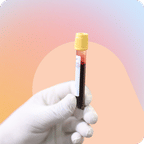
The Mumps virus IgM antibody, Serum test detects the presence of immunoglobulin M (IgM) antibodies against the mumps virus in the blood. This test helps identify a recent or current mumps infection.



Understanding Mumps virus IgM antibody, Serum
Mumps is a contagious viral infection caused by the mumps virus. It is most commonly recognized by swelling of the salivary glands, especially the parotid glands near the jaw. While the infection is often mild, it can sometimes lead to complications. These may include orchitis (swelling of the testicles), oophoritis (swelling of the ovaries), meningitis (inflammation or infection of the lining around the brain and spinal cord), or hearing loss.
This Mumps virus IgM antibody, Serum test checks for the presence of IgM antibodies in the blood, which are produced by the immune system as an early response to infection. Detecting these antibodies typically indicates that the infection is recent or currently active.
A positive IgM result suggests a recent or ongoing mumps infection. A negative result may indicate the absence of active infection, but it can also occur if the test is done too early or too late in the illness, or if prior vaccination affects the IgM antibody response. This test is often recommended when symptoms such as fever, headache, muscle aches, fatigue, loss of appetite, or swelling of the jaw (parotitis) are present, particularly in unvaccinated individuals or those recently exposed to mumps.
The doctor may recommend this test for individuals showing symptoms of mumps, such as fever, muscle aches, fatigue, headache, loss of appetite, or swelling of the jaw (parotitis). It may also be advised for people who have had close contact with an infected person, particularly if they are unvaccinated. In addition, testing may be important for pregnant women, healthcare workers, and travelers to areas with ongoing mumps outbreaks, as early identification can help guide timely medical advice and preventive measures.
No special preparation is required before undergoing the Mumps virus IgM antibody, Serum test. Inform your doctor about any medications, supplements, medical conditions, or recent vaccinations, as these may influence the test results.
The MMR (measles, mumps, and rubella) vaccination is the most effective way to protect against mumps and its complications. It provides strong protection, although immunity can decrease over time. The vaccine is recommended for children as well as adults who may be at increased risk. Keeping vaccinations up to date can help reduce the spread of mumps.
Test result ranges are approximate and may differ slightly between labs depending on the methodology and laboratory guidelines. Do not self-medicate and always consult a doctor to understand the test results correctly.
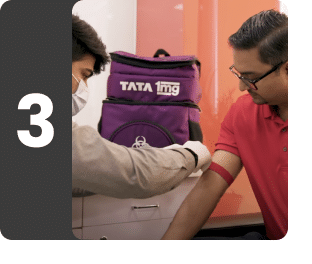
Please note: This is an outsourced test. The sample for this test is collected by TATA 1MG and processed at a NABL accredited partnered lab.
What does Mumps virus IgM antibody, Serum measure?
The Mumps virus IgM antibody, Serum test detects immunoglobulin M (IgM) antibodies specific to the mumps virus in the blood. These antibodies usually appear early in the course of infection, often within the first few days of symptoms, and may remain detectable for several weeks. Their presence suggests a recent immune response to the virus, but IgM results can occasionally be false-positive or false-negative and should be interpreted along with clinical findings and other tests.


FAQs related to Mumps virus IgM antibody, Serum
- About Mumps [Internet]. CDC; 06 Jun. 2024 [Accessed 12 Aug. 2025] Available from:
- Rausch-Phung EA, Davison P, Morris J. Mumps. [Updated 2024 May 1]. In: StatPearls [Internet]. Treasure Island (FL): StatPearls Publishing; 2025 Jan-. Available from:
- Mumps Symptoms and Complications [Internet]. CDC; 05 Jun. 2024 [Accessed 12 Aug. 2025] Available from:
- Mumps Antibody [Internet]. Rochester, NY: University of Rochester Medical Center; [Accessed 12 Aug. 2025]. Available from:
- Serology to Diagnose Mumps [Internet]. CDC; 5 Jun. 2024 [Accessed 12 Aug. 2025] Available from:
- Mumps Vaccination [Internet]. CDC; 20 Sept. 2024 [Accessed 12 Aug. 2025] Available from:
- MMR (measles, mumps and rubella) vaccine [Internet]. NHS; 08 Mar. 2024 [Accessed 12 Aug. 2025]. Available from:
Other tests
- PT INR (Prothrombin Time with INR)
- HIV 1 and 2 Antibody, Rapid Screening Test
- Viral Marker Screening (HIV, HBsAg, Anti-HCV)
- Total IgE
- Rheumatoid Factor - Quantitative
- STD Panel (Sexually Transmitted Diseases Panel)
- HIV Combo (Antigen And Antibody) Test
- Anti-CCP Antibody
- Lipid Profile, Non Fasting
- Anti-Nuclear Antibody (ANA) by IFA - End Point Titer
- CBC (Complete Blood Count)
- FBS (Fasting Blood Sugar)
- Thyroid Profile Total (T3, T4 & TSH)
- HbA1c (Glycosylated Hemoglobin)
- PPBS (Postprandial Blood Sugar)
- Lipid Profile
- Vitamin D (25-Hydroxy)
- Urine R/M (Urine Routine & Microscopy)
- Coronavirus Covid -19 test- RT PCR
- LFT (Liver Function Test)
- KFT (Kidney Function Test)
- TSH (Thyroid Stimulating Hormone) Ultrasensitive
- ESR (Erythrocyte Sedimentation Rate)
- Uric Acid, Serum
- Vitamin B12
- CRP (C-Reactive Protein), Quantitative
- Urine C/S (Urine Culture and Sensitivity)
- Serum Electrolytes
- Serum Calcium
- Serum Creatinine
- Diabetes Screening (HbA1C & Fasting Sugar)
- KFT with Electrolytes (Kidney Function Test with Electrolytes)
- Cholesterol - Total
- Hb (Hemoglobin)
- Complete Hemogram (CBC & ESR)