







KOH Staining, Hair
Also referred as
KOH Staining (Small Specimen)
+3
Fungal test for Hair
KOH (Potassium Hydroxide) test or KOH prep
KOH Mount

109+ booked recently

For men & women
Earliest reports in

30 hours

Contains

1 test
Test price:
₹319
9% off
Upto 15% extra discount with coupon
Min. order value: ₹5000 | Coupon: 1MGNEWG


More offers available

Know more about this test

The KOH Staining, Hair test is a simple, noninvasive test used to detect fungal infections of hair and scalp. It involves dissolving a hair sample with potassium hydroxide (KOH) solution to break down keratin so that hyphae and spore-like fungal material can be seen under the microscope. This test helps in the diagnosis of fungal infection of the hair and to distinguish hair fungal infections from other hair and scalp infections.


Samples required
Hair

Find out
Why is this test booked?

Preparations
No special preparation is required.

Sample Collection
Who will collect your samples?
Conducted by

Tata 1mg Labs


Accredited
labs
Highly skilled
Phlebos
Verified
reports
Who will collect your samples?
Tata 1mg certified phlebotomists
Test Information is reviewed by: Dr. Swati Gupta (Anand), MBBS, MD Lab Medicine and written by Dr. Lipika Khurana, BDS, PGDHHM . The test details are for information purpose only. Consult a doctor before taking any test. Last updated on: 4th Oct 2026
Did you find information useful ?
 YES (3)
 NO (1)
Book a MRI Pelvis with Contrast (MRI) test at home near me
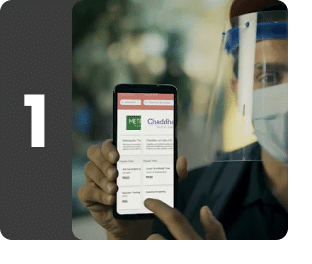
Easy online booking
Search for tests and packages, book your preferred time slot and enter your address for seamless at-home lab tests.

Live tracking of phlebotomist
Track our trained phlebotomist's real time location for seamless sample collection.
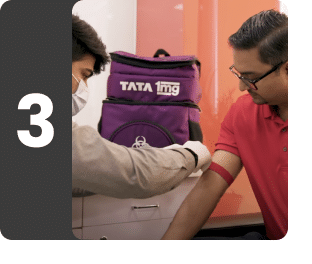
Safe Sample Collection
Our phlebotomists follow strict safety protocols to collect samples safely at home and on time.
Sample received at lab
Samples are transported securely to our accredited labs with world-class machines for testing by qualified experts.
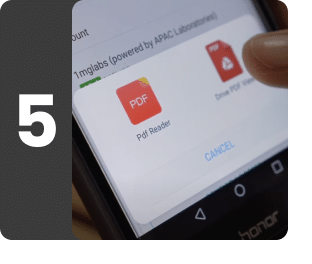
Quick, Doctor-Verified Reports
Get doctor-approved reports via email and WhatsApp, with options for doctor follow-ups and AI insights.



References
- Ponka D, Baddar F. Microscopic potassium hydroxide preparation. Can Fam Physician. 2014 Jan;60(1):57. PMID: 24452564; PMCID: PMC3994805. [Accessed 05 Dec. 2024]. Available from:

- Hay R. Therapy of Skin, Hair and Nail Fungal Infections. J Fungi (Basel). 2018 Aug 20;4(3):99.
- Hay RJ. Tinea Capitis: Current Status. Mycopathologia. 2017 Feb;182(1-2):87-93.
- Yee G, Al Aboud AM. Tinea Corporis. [Updated 2023 Aug 8]. In: StatPearls [Internet]. Treasure Island (FL): StatPearls Publishing; 2024 Jan-. Available from:
Contains 1 test
Samples required
Preparations
Why is this test booked?
Coupon details
Available Offers