Hepatitis B is a serious liver infection caused by the hepatitis B virus (HBV). It can spread through contact with infected body fluids like blood, saliva, vaginal fluids, and semen. It can also be passed from a mother to her baby during childbirth.
HBsAg is a protein on the surface of the hepatitis B virus (HBV) that appears in the blood within a few weeks of infection. It is one of the earliest markers of hepatitis B and indicates that a person is infectious. Many people do not show symptoms initially, but some may experience fever, nausea, vomiting, loss of appetite, stomach pain, joint pain, dark urine, pale stools, and yellowing of the skin and eyes (jaundice).
The Hepatitis B Surface Antigen (HBsAg) test is recommended for people who show signs of hepatitis, those at higher risk of hepatitis B (like healthcare workers, people using injectable drugs, or those with multiple sexual partners), during routine health checkups, before surgery, or for job screenings, after vaccination, and for babies born to hepatitis B-infected mothers. Pregnant women are also tested to prevent the virus from being passed to their baby. Early detection helps start treatment early and prevent serious liver problems like cirrhosis or cancer.
No special preparation is needed for this test, and you can eat and drink normally. Please inform your doctor about any medications or recent vaccinations, and provide a complete medical history to help them accurately interpret the results.
Lab test results require expert interpretation; therefore, never self-medicate at home solely based on these results. Always consult a doctor for a proper understanding of the test results.
What are the Symptoms or Conditions That May Require a Hepatitis B Surface Antigen (HBsAg) Test?
You may need the Hepatitis B Surface Antigen (HBsAg) test if you experience:
- Fatigue, jaundice, or abdominal discomfort
- Nausea, vomiting, or unexplained weight loss
- Dark-colored urine or pale stools
- Liver enzyme abnormalities in routine blood tests
You may also need the test if:
- You came into contact with the blood or body fluids of someone with hepatitis B
- You have multiple sexual partners or take part in high-risk activities
- You need a check before surgery, medical procedures, or organ transplants
- Your doctor wants to monitor your liver health or check how well your hepatitis B vaccination is working
When Would I Need a Hepatitis B Surface Antigen (HBsAg) Test?
You may need the Hepatitis B Surface Antigen (HBsAg) test to:
- Detect current and past infection with the Hepatitis B virus (HBV).
- Screen individuals at higher risk of HBV infection.
- Screen individuals who show symptoms of acute hepatitis.
- Help prevent the spread of hepatitis B to others, especially newborns or transplant patients.
How Do I Prepare for a Hepatitis B Surface Antigen (HBsAg) Test?
Do I need to fast or stop any medications before the Hepatitis B Surface Antigen (HBsAg) test?
No, fasting is not required before the Hepatitis B Surface Antigen (HBsAg) test. You can eat and drink normally before the test. However, it is essential to inform your doctor about any medications or supplements you are taking, as certain medicines may interact with test results. Your doctor will guide you if any temporary adjustments are needed before the test.
How is the Hepatitis B Surface Antigen (HBsAg) done?
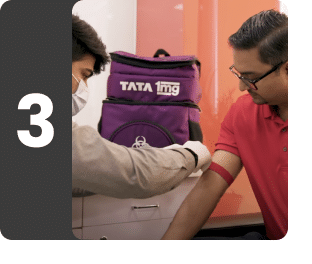
- The Hepatitis B Surface Antigen (HBsAg) is done by collecting a small amount of blood from a vein, usually in the arm.
- The procedure is quick, minimally invasive, and generally causes only slight discomfort.
What happens before the Hepatitis B Surface Antigen (HBsAg) test?
- Fasting is not required for this test.
- Kindly provide complete clinical details and medication history or a doctor's prescription. This information is important for the correlation of your test results.
- Take your medicines as usual. Inform your doctor about any special treatments or supplements.
- Let your doctor know if you are sick or have had recent blood loss, as this can affect results.
- Bring a list of your current medications, supplements, and any recent health history.
What happens during the Hepatitis B Surface Antigen (HBsAg) test?
- You will be seated comfortably with your arm supported on a flat surface or armrest.
- A tourniquet (elastic band) is tied around your upper arm to make the veins more visible and easier to locate.
- The phlebotomist identifies a suitable vein for blood collection.
- The puncture site is then cleaned thoroughly with an alcohol swab to reduce the risk of infection.
- A thin, sterile needle is gently inserted into the vein, and a small amount of blood is collected into a test tube.
What happens after the Hepatitis B Surface Antigen (HBsAg) test?
- Once enough blood is collected, the tourniquet is released and the needle is removed.
- A cotton ball or gauze is placed on the site, followed by a small bandage or dressing to stop any bleeding.
- The blood sample is carefully labeled with your details and sent to the laboratory for analysis.
- You can resume your daily routine after the test is done.
Is the Hepatitis B Surface Antigen (HBsAg) test painful?
No, the test is generally simple and safe. However, you may feel slight discomfort during blood sample collection, but the chances of serious complications are extremely rare.
How Long Does the Hepatitis B Surface Antigen (HBsAg) Test Take?
The procedure is quick, simple, and safe. It requires only a small blood sample and is completed within a short duration.
When Will I Get the Results?
The availability of your test report may vary depending on your location and the laboratory where the test is conducted. Generally, the results are provided within the stipulated time frame after sample collection.
When Should I Consult a Doctor After the Test?
- If you test positive for hepatitis B
- If symptoms like jaundice, abdominal pain, or fatigue worsen
- For guidance on vaccination, antiviral treatment, or liver monitoring
Are There Any Risks Associated with the Hepatitis B Surface Antigen (HBsAg) Test?
The Hepatitis B Surface Antigen (HBsAg) test is safe, with usually minimal or no risk that resolves on its own:
- Small bruise, pinch, or slight tenderness at the puncture site
- Occasional lightheadedness if you are sensitive to needles or blood
- Rarely, infection or blood vessel injury
If you have a bleeding disorder or are taking blood thinners, please inform the phlebotomist beforehand.
What Do the Results Mean?
Pathological Factors
|
Test Result
|
Interpretation
|
Possible Causes
|
|
Reactive
|
Indicates the presence of hepatitis B surface antigen in the blood
|
Active hepatitis B infection (acute or chronic)
|
|
Non-Reactive
|
No hepatitis B surface antigen detected
|
No active infection, or very early/resolved infection
|
|
Inconclusive
|
Retesting required
|
Sample quality issues or borderline antigen levels
|
Physiological Factors
🧒 Age: Newborns and infants may have maternal HBsAg in their blood, which can affect test results.
🫄 Pregnancy: Changes in immunity and liver function during pregnancy may slightly affect HBsAg detection.
⏳ Infection Stage: Very early infection (window period) or late/chronic stages may change HBsAg levels.
Lifestyle Factors
🍷Alcohol: Heavy drinking can affect liver function, which may indirectly influence test results.
💊 Medications: Antivirals or immunosuppressive drugs can lower viral levels, potentially altering HBsAg readings.
💉 Recent Vaccination: Hepatitis B vaccination may affect antibody levels but usually does not impact HBsAg detection.
Disclaimer: This information is for educational purposes only and should not replace professional medical advice, diagnosis, or treatment. Always consult your healthcare provider for personalized guidance.
What Do Negative Hepatitis B Surface Antigen (HBsAg) Test Results Mean?
A negative result usually means you do not have an active hepatitis B infection at the time of the test. It does not rule out a past infection or very early-stage infection.
What Do Positive Hepatitis B Surface Antigen (HBsAg) Test Results Mean?
An HBsAg result means the hepatitis B virus is present in your blood. Early detection allows timely treatment, monitoring, and steps to prevent spreading it to others.
What to Do if Your Hepatitis B Surface Antigen (HBsAg) Test Result Is Positive?
- Consult your doctor for further evaluation and treatment
- Inform close contacts so they can get vaccinated or tested
- Follow your doctor’s schedule for liver checkups and viral load monitoring
- Avoid sharing personal items like razors or toothbrushes
Can Hepatitis B Surface Antigen (HBsAg) Test Results Be Inaccurate?
Yes. HBsAg test results can sometimes be inaccurate due to factors such as testing too early after infection, improper sample handling, or interference from other medical conditions. If your results do not match your symptoms or risk factors, your doctor may recommend repeating the test or performing additional tests like anti-HBc or HBV DNA to confirm the diagnosis.
What Factors Can Affect Hepatitis B Surface Antigen (HBsAg) Test Results?
Though the test is reliable, certain factors may lead to false-positive or false-negative results:
- Low viral load (in the early stage)
- Improper sample collection or handling
- Interference from recent vaccination or medical conditions
What Follow-Up Tests May Be Required?
Based on your Hepatitis B Surface Antigen (HBsAg) test results, your doctor may recommend additional tests to confirm infection, assess liver function, and determine the stage or activity of the disease. These tests may include:
Table: Tests Commonly Ordered Alongside HBsAg
|
Test Name
|
Primary Purpose
|
|
Anti-HBc (Hepatitis B Core Antibody)
|
Detects past or ongoing Hepatitis B infection
|
|
HBeAg (Hepatitis B e Antigen)
|
Assesses active viral replication and infectivity
|
|
HBV DNA (Viral Load)
|
Measures the amount of virus in the blood to monitor disease activity
|
|
Liver Function Test (LFT)
|
Evaluates liver enzyme levels and checks for liver damage
|
|
Anti-HBs (Hepatitis B Surface Antibody)
|
Determines immunity due to recovery or vaccination
|
How Does the HBsAg Test Differ from Other Hepatitis B Tests?
It is important to understand how the Hepatitis B Surface Antigen (HBsAg) test differs from other common Hepatitis B tests:
Anti-HBs (Hepatitis B Surface Antibody): Detects antibodies that develop after recovery from Hepatitis B infection or vaccination, indicating immunity.
Anti-HBc (Hepatitis B Core Antibody): Identifies past or ongoing infection by detecting antibodies to the core protein of the virus.
HBeAg (Hepatitis B e Antigen): Indicates active viral replication and higher infectivity in an ongoing infection.
HBV DNA (Viral Load): Measures the amount of viral genetic material in the blood to assess disease activity and monitor treatment response.
Each of these tests provides different insights into infection status, immunity, and disease progression, helping doctors make accurate diagnostic and treatment decisions.
Lifestyle Tips for a Healthy Liver and Hepatitis B Management
🥤 Hydration: Drink plenty of water daily to help support overall liver function.
🥗 Eat (Diet): Follow a liver-friendly diet rich in leafy greens, fruits, whole grains, and lean proteins. Avoid excessive saturated fats and processed food to support hepatitis B management.
🏃♀️ Activity (Exercise): Engage in regular physical activity such as walking, swimming, or light aerobics to maintain a healthy weight and promote optimal liver function.
🧘 Lifestyle (Stress): Manage stress through mindful practices like yoga, meditation, or deep-breathing exercises, as stress can negatively affect liver health and immune function.
👩⚕️ Talk to Your Doctor (Consultation): Regularly consult your healthcare provider to monitor hepatitis B infection, track liver function, and discuss vaccination or treatment options to prevent complications.
🍺 Habits (Smoking & Alcohol): Avoid smoking and limit alcohol consumption, as both can worsen liver inflammation and compromise hepatitis B management.
Note: The lifestyle tips shared here serve as an adjunct to the ongoing treatment. These tips in no manner are intended to replace professional medical advice or treatment. If you have medical concerns, ongoing symptoms, or underlying conditions, please consult a doctor before making changes to your health routine.


























 YES (1)
 NO
NO