

Sign in to your account
or
By signing in you agree to our
Terms & conditions
 and 
Privacy policy

ABPA Profile - Allergic Bronchopulmonary Aspergillosis

Also referred as
Allergic Bronchopulmonary Aspergillosis (ABPA) Diagnostic Panel
xyz people viewed recently
183+ booked recently
For men & women
Earliest reports in
6 days
Contains
3 tests
Test price:
₹2698
₹3104
13% off
Get it at ₹2428 with coupon
Apply coupon 1MGNEWG during checkout
arrow
Know when you'll get your report
For sample collection between
6 AM - 1 PM
1 PM - 10 PM
Reporting in
6 days
discount_stamp
More offers available
Know more about this test
<font color='#864291'>Know more about this test</font>

ABPA Profile - Allergic Bronchopulmonary Aspergillosis detects hypersensitivity to Aspergillus fumigatus that occurs in patients with asthma or cystic fibrosis by measuring Total IgE, Aspergillus fumigatus (Specific IgG), and Aspergillus fumigatus (Specific IgE). The test is also used to monitor treatment response in ABPA. You should consider the ABPA testing, if you notice symptoms similar to asthma including fever and chills, chest or joint pain, weight loss, wheezing, cough, coughing up blood, shortness of breath. When the ABPA test is positive, and the patient shows the presence of predisposing conditions like asthma or cystic fibrosis, it is indicative of hypersensitivity to Aspergillus fumigatus species. A negative result indicates that the symptoms are not due to Aspergillus fumigatus and other differential diagnoses must be considered.

Samples required
Blood
Find out
Why is this test booked?
Preparations
No special preparation is required.
Sample Collection
Who will collect your samples?
Conducted by
know_more_icon
Tata 1mg Labs
chevron
most trusted lab
Accredited labs
Highly skilled Phlebos
Verified reports
Who will collect your samples?
Tata 1mg certified phlebotomists
View phlebo details

Understanding ABPA Profile - Allergic Bronchopulmonary Aspergillosis

Aspergillus bronchopulmonary aspergillosis (ABPA) is a fungal infection of the lungs that occurs due to the allergic reaction to the fungus Aspergillus fumigatus, where the immune system overreacts to the fungus, causing inflammation and damage to the airways. It primarily affects individuals with chronic conditions such as asthma or cystic fibrosis. 

ABPA causes wheezing and produces thick mucus that leads to persistent coughing and breathing difficulties. Over time, this condition can permanently damage the airways (a condition called bronchiectasis), making it harder to breathe and increasing the risk of lung infections. In individuals with asthma, ABPA makes symptoms worse and much harder to control with standard asthma treatments.

Consider taking the ABPA Profile - Allergic Bronchopulmonary Aspergillosis when there are symptoms similar to asthma, including fever and chills, chest or joint pain, weight loss, wheezing, cough, coughing up blood, shortness of breath, and other symptoms that can develop if the infection spreads from the lungs to other parts of the body.

The ABPA Profile - Allergic Bronchopulmonary Aspergillosis helps confirm if mold allergy is causing the symptoms, distinguishing them from regular asthma flare-ups. Also, this test helps assess the severity of allergic reactions, identify the long-term damage to the lungs early, and guide whether steroids or other antifungal medications are required to manage the condition.

No special preparation is required for the ABPA Profile - Allergic Bronchopulmonary Aspergillosis. Eat and drink normally as per the daily routine unless instructed otherwise. Inform the doctor of all the medications (such as antihistamines, oral steroids, immunosuppressants, etc.) or supplements currently being taken. Also, narrate any underlying medical history, such as a recent infection (e.g., flu, common cold), pregnancy, or immune disorders. All these factors may affect the test results and hence need to be discussed with a doctor before undertaking the ABPA Profile - Allergic Bronchopulmonary Aspergillosis for appropriate interpretation of the test results.

Test result ranges are approximate and may differ slightly between labs depending on the methodology and laboratory guidelines. Do not self-medicate and always consult a doctor to understand the test results correctly.

See more

What does ABPA Profile - Allergic Bronchopulmonary Aspergillosis measure?

Contains 3 tests

The ABPA Profile - Allergic Bronchopulmonary Aspergillosis detects hypersensitivity to Aspergillus fumigatus, a common mold that can trigger respiratory problems in individuals with asthma or cystic fibrosis. This test measures three key markers in the blood:  

  • Total IgE Levels –  Increased levels may indicate an active allergic response.
  • Aspergillus fumigatus-Specific IgG – Suggests long-term exposure or past infection.
  • Aspergillus fumigatus-Specific IgE – Confirms an immediate allergic hypersensitivity.

These tests help diagnose conditions like Aspergillus bronchopulmonary aspergillosis (ABPA).

The Total IgE (Immunoglobulin E) test is used to quantify the total level of IgE antibodies in your blood. Immunoglobulins are antibodies (proteins) secreted by plasma cells (immune cells) when the body identifies a dangerous foreign substance like bacteria, viruses, or allergens. There are five basic forms of immunoglobulins: IgA, IgG, IgM, IgD, and IgE. Of these, IgE plays a primary role in allergic reactions to allergens such as pollen, dust, pet dander, mold, latex, some foods (such as eggs, peanuts, or strawberries), or insect stings.

Unlike other antibodies, IgE is primarily associated with immune responses to allergenic substances, such as plant pollen, latex, pet dander, mold, eggs, peanuts, bee venom, and strawberries. Typically, IgE is present in tiny amounts in the blood. When the immune system encounters an allergen, it triggers the production of IgE antibodies. The Total IgE test measures the concentration of these IgE antibodies in the blood, providing insights into the presence and severity of allergies.

Know more about Total IgE

Aspergillus fumigatus(Specific IgG)
Aspergillus fumigatus (Specific IgE)
Did you find information useful ?
yesYES
noNO

ABPA Profile - Allergic Bronchopulmonary Aspergillosis test price for other cities

Price inNew DelhiRs. 2698
Price inMumbaiRs. 2878
Price inLucknowRs. 2698
Price inBangaloreRs. 2769
Price inKolkataRs. 2838
Book a ABPA Profile - Allergic Bronchopulmonary Aspergillosis test at home near me
Easy online booking
Easy online booking
Search for tests and packages, book your preferred time slot and enter your address for seamless at-home lab tests.
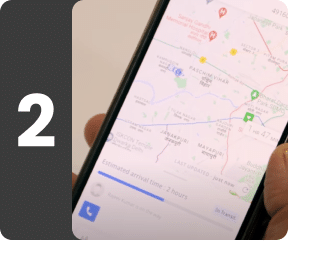
Live tracking of phlebotomist
Track our trained phlebotomist's real time location for seamless sample collection.
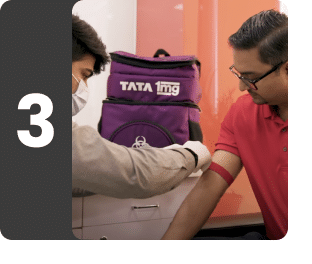
Safe Sample Collection
Our phlebotomists follow strict safety protocols to collect samples safely at home and on time.
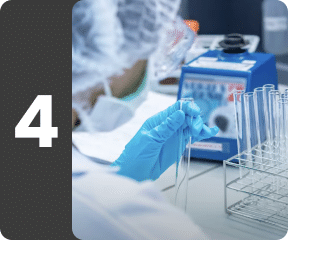
Sample received at lab
Samples are transported securely to our accredited labs with world-class machines for testing by qualified experts.
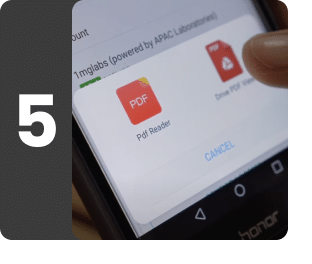
Quick, Doctor-Verified Reports
Get doctor-approved reports via email and WhatsApp, with options for doctor follow-ups and AI insights.

FAQs related to ABPA Profile - Allergic Bronchopulmonary Aspergillosis

The ABPA Profile - Allergic Bronchopulmonary Aspergillosis is a simple blood test that helps diagnose Aspergillus bronchopulmonary aspergillosis (ABPA), a type of fungal lung condition that can occur due to the colonization of A. fumigatus species in the airways.
You might need this test if you notice symptoms similar to asthma, such as fever and chills, chest or joint pain, weight loss, wheezing, cough, coughing up blood, shortness of breath, etc. Also, undertake this test if you have asthma or cystic fibrosis with worsening symptoms (such as chronic cough, wheezing, brown mucus plugs, etc.), recurrent lung infections, or poor response to asthma medications. Moreover, a doctor may suggest this test if a chest scan shows mucus blockages or bronchiectasis.
Fasting is not required for the ABPA Profile - Allergic Bronchopulmonary Aspergillosis test. Eat and drink as per your daily routine unless instructed otherwise. Inform the doctor of any medications, supplements, and medical history before taking this test, as all these factors may affect the test results.
The test is done by taking a blood sample from a vein in your arm. The sample is then analyzed in a lab to determine the levels of three key markers (total IgE, specific IgE, and specific IgG) in the blood.
No, the ABPA Profile - Allergic Bronchopulmonary Aspergillosis is generally safe with minimal risks. You may feel slight discomfort, bruising, or swelling at the blood draw site, which resolves on its own and is not bothersome.
A. Positive Result: Indicates an allergic reaction to Aspergillus fumigatus (common in individuals with asthma or cystic fibrosis). Your doctor may recommend allergy medications or antifungal treatment. B. Negative Result: Suggests your symptoms are likely caused by something other than Aspergillus fumigatus (like regular asthma flare-ups or infections). Your doctor will check for other possible causes.
There is no cure, but early treatment may help control symptoms and prevent lung damage.
To reduce the chances of mold exposure that could trigger ABPA symptoms: Indoors: Keep the home dry and use dehumidifiers. Fix and clean A/C leaks without a delay. Outdoors: Wear a mask to shield the lungs when handling soil, compost, or decaying plant matter. Stay away from damp buildings, visible mold areas, and rotten vegetation. Avoid Smoking to lower the odds of mold-related problems.
Tata 1mg ensures accurate lab test results through certified laboratories that use advanced technology and adhere to stringent quality control measures. This commitment to high standards guarantees reliable results.
Contains 3 tests
Samples required
Preparations
Why is this test booked?
Coupon details
Available Offers