







Fatigue Monitoring Checkup




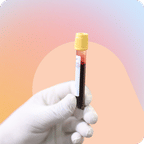
The Fatigue Monitoring Checkup is a comprehensive health assessment tailored to identify the causes of persistent fatigue and lack of energy. It includes a range of blood tests that measures key biomarkers impacting your vitality. This checkup helps to restore energy and improve overall well-being by identifying potential medical conditions contributing to fatigue.








Fatigue can be a symptom of numerous underlying conditions, and the Fatigue Monitoring Checkup includes a variety of blood tests to provide a thorough evaluation of your overall health. It includes a complete blood count (CBC) test that helps evaluate overall health and detects conditions like anemia, infections etc., contributing to fatigue; an erythrocyte sedimentation rate (ESR) test that detects inflammation, providing insights into potential systemic issues affecting energy levels; vitamin D test which is essential for metabolism and can help identify the causes of fatigue; iron tests which helps find out anemia, a common cause of fatigue; glycosylated hemoglobin (HbA1c) and fasting blood sugar test that helps monitor blood sugar levels or detect diabetes, potentially influencing the energy levels; a thyroid profile total (T3, T4 & TSH) to evaluate thyroid function. Additionally, the checkup includes a liver function test (LFT) to assess liver health and a kidney function test with (KFT) electrolytes to measure kidney function and electrolyte levels, which are essential for optimal bodily function and energy production.
Consider getting tested with the Fatigue Monitoring Checkup when you have symptoms such as persistent fatigue, low energy, sleepiness, headache, muscle weakness, slowed reflexes and responses or a decline in overall wellness.
The Fatigue Monitoring Checkup offers a holistic view of various bodily functions and helps identify the causes of persistent fatigue and chronic tiredness. It aids in the early detection of potential health problems, allowing for timely intervention and management, thereby enhancing vitality and productivity.
An overnight fasting (8-12 hours) is required before the test. However, drinking water is acceptable. Inform the doctor if you are taking any medications or supplements, as they might interfere with test results. Your doctor may ask you to stop taking them temporarily.
Lab test results may vary across laboratories. Do not self-medicate at home based solely on these results and always consult a doctor for proper understanding of the test results.
The Fatigue Monitoring Checkup includes a range of blood tests that measure various health parameters contributing to constant fatigue and low energy in your body. This package measures iron levels, vitamin D, diabetes screening, kidney function test, liver function test, thyroid profile, complete blood picture among others. Altogether these tests help in the early detection of any abnormalities such as nutrient deficiency, anemia, glucose imbalance, thyroid disorders, chronic infections etc, all contributing to fatigue and low energy levels in the body.
Testing with the Fatigue Monitoring Checkup helps in the identification of underlying causes for your persistent tiredness, lethargy, or dullness. This package helps doctors curate the treatment plan and recommend certain medications including supplements (such as iron and vitamins) and other lifestyle changes which can help improve overall health.
The CBC (Complete Blood Count) test measures the number of red blood cells (RBCs), white blood cells (WBCs), and platelets. Each of these blood cells performs essential functions–RBCs carry oxygen from your lungs to the various body parts, WBCs help fight infections and other diseases, and platelets help your blood to clot. Therefore, determining their levels can provide significant health information. A CBC test also determines the hemoglobin level, a protein in RBC that carries oxygen from the lungs to the rest of your body. Evaluating all these components together can provide important information about your overall health.
Know more about CBC (Complete Blood Count)
Differential Leukocyte Count
- Differential Basophil Count
- Differential Neutrophil Count
- Differential Lymphocyte Count
- Differential Monocyte Count
- Differential Eosinophil Count
There are five types of WBCs: neutrophils, lymphocytes, monocytes, eosinophils, and basophils. A Differential Leukocyte Count test measures the percentage of each type of WBC in the blood. Leukocytes or WBCs are produced in the bone marrow and defend the body against infections and diseases. Each type of WBC plays a unique role to protect against infections and is present in different numbers.
This further contains
Red Blood Cell Count
The Red Blood Cell Count test measures the total number of red blood cells in your blood. RBCs are the most abundant cells in the blood with an average lifespan of 120 days. These cells are produced in the bone marrow and destroyed in the spleen or liver. Their primary function is to help carry oxygen from the lungs to different body parts. The normal range of RBC count can vary depending on age, gender, and the equipment and methods used for testing.
Hb (Hemoglobin)
The Hb (Hemoglobin) test measures the concentration of hemoglobin in your blood. Hemoglobin binds oxygen molecules and carries them to body tissues while removing carbon dioxide. Low hemoglobin suggests reduced oxygen-carrying capacity. It can be due to anemia, bleeding, nutritional deficiencies (iron, vitamin B12, folate), or chronic disease. High hemoglobin may occur in dehydration, living at high altitudes, smoking, or diseases like polycythemia vera.
Platelet Count
The Platelet Count test measures the average number of platelets in the blood. Platelets are disk-shaped tiny cells originating from large cells known as megakaryocytes, which are found in the bone marrow. After the platelets are formed, they are released into the blood circulation. Their average life span is 7-10 days.
Platelets help stop the bleeding, whenever there is an injury or trauma to a tissue or blood vessel, by adhering and accumulating at the injury site and releasing chemical compounds that stimulate the gathering of more platelets. A loose platelet plug is formed at the site of injury and this process is known as primary hemostasis. These activated platelets support the coagulation pathway that involves a series of steps, including the sequential activation of clotting factors; this process is known as secondary hemostasis. After this step, there is a formation of fibrin strands that form a mesh incorporated into and around the platelet plug. This mesh strengthens and stabilizes the blood clot so that it remains in place until the injury heals. After healing, other factors come into play and break the clot down so that it gets removed. In case the platelets are not sufficient in number or not functioning properly, a stable clot might not form. These unstable clots can result in an increased risk of excessive bleeding.
Total Leukocyte Count
The Total Leukocyte Count test measures the numbers of all types of leukocytes, namely neutrophil, lymphocyte, monocyte, eosinophil, and basophil, in your blood. Leukocytes or WBCs are an essential part of our immune system. These cells are produced in the bone marrow and defend the body against infections and diseases. Each type of WBC plays a unique role to protect against infections and is present in different numbers.
Hematocrit
The Hematocrit test measures the proportion of red blood cells (RBCs) in your blood as a percentage of the total blood volume. It is a crucial part of a complete blood count (CBC) and helps in assessing your blood health. RBCs are responsible for carrying oxygen from the lungs to different parts of the body. The hematocrit test provides valuable information about your blood's oxygen-carrying capacity.
Higher-than-normal amounts of RBCs produced by the bone marrow can cause the hematocrit to increase, leading to increased blood density and slow blood flow. On the other hand, lower-than-normal hematocrit can be caused by low production of RBCs, reduced lifespan of RBCs in circulation, or excessive bleeding, leading to a reduced amount of oxygen being transported by RBCs. Monitoring your hematocrit levels is essential for diagnosing and managing various blood-related disorders.
Mean Corpuscular Volume
The Mean Corpuscular Volume test measures the average size of your red blood cells, which carry oxygen through your body. This test tells whether your RBCs are of average size and volume or whether they are bigger or smaller.
Mean Corpuscular Hemoglobin
An MCH test measures the average amount of hemoglobin in a single red blood cell (RBC). Hemoglobin is an iron-containing protein in RBCs, and its major function is to transport oxygen from the lungs to all body parts. This test provides information about how much oxygen is being delivered to the body by a certain number of RBCs.
Mean Corpuscular Hemoglobin Concentration
An MCHC test measures the average amount of hemoglobin in a given volume of RBCs. MCHC is calculated by dividing the amount of hemoglobin by hematocrit (volume of blood made up of RBCs) and then multiplying it by 100.
Mean Platelet Volume
An MPV test measures the average size of the platelets in your blood. Platelets are disk-shaped tiny cells originating from large cells known as megakaryocytes, which are found in the bone marrow. After the platelets are formed, they are released into the blood circulation. Their average life span is 7-10 days.
Platelets help stop bleeding whenever there is an injury or trauma to a tissue or blood vessel by adhering and accumulating at the injury site, and by releasing chemical compounds that stimulate the gathering of more platelets. After these steps, a loose platelet plug is formed at the site of injury, and this process is known as primary hemostasis. These activated platelets support the coagulation pathway that involves a series of steps including the sequential activation of clotting factors; this process is known as secondary hemostasis. After this, there is a formation of fibrin strands that form a mesh incorporated into and around the platelet plug. This mesh strengthens and stabilizes the blood clot so that it remains in place until the injury heals. After healing, other factors come into play and break the clot down so that it gets removed. In case the platelets are not sufficient in number or are not functioning properly, a stable clot might not form. These unstable clots can result in an increased risk of excessive bleeding.
PDW
The PDW test reflects variability in platelet size, and is considered a marker of platelet function and activation (clot formation in case of an injury). This marker can give you additional information about your platelets and the cause of a high or low platelet count. Larger platelets are usually younger platelets that have been recently released from the bone marrow, while smaller platelets may be older and have been in circulation for a few days. Higher PDW values reflect a larger range of platelet size, which may result from increased activation, destruction and consumption of platelets.
RDW CV
The RDW CV test which is part of red cell indices, helps identify characteristics of red blood cells. RDW (red cell distribution width) measures the variations in the sizes of red blood cells, indicating how much they differ from each other in a blood sample. RDW is expressed as RDW-CV, a coefficient of variation. A higher RDW may suggest more variation in red cell sizes, while a lower RDW indicates more uniform red cell sizes.
Absolute Leucocyte Count
- Absolute Eosinophil Count
- Absolute Neutrophil Count
- Absolute Basophil Count
- Absolute Lymphocyte Count (ALC)
- Absolute Monocyte Count
The Absolute Leucocyte Count test measures the total number of white blood cells (leucocytes) in the given volume of blood. It examines different types of white blood cells such as neutrophils, lymphocytes, monocytes, basophils and eosinophils. These cells tell about the status of the immune system and its ability to fight off infections and other conditions like inflammation, allergies, bone marrow disorders etc.
This further contains
The ESR (Erythrocyte Sedimentation Rate) measures how fast red blood cells (erythrocytes) settle in a tube over one hour.
When your body is inflamed, certain proteins, mainly fibrinogen, increase in the blood. These proteins cause the red blood cells to stick together in stacks. These stacks settle faster, leading to a higher ESR.
High ESR values may indicate that inflammation is present. However, it cannot tell you exactly where the inflammation is or what is causing it. That’s why doctors usually do this test along with other tests. This helps them understand and treat your health problems.
Know more about ESR (Erythrocyte Sedimentation Rate)
The Fatigue Monitoring Checkup is done:
- To determine the causes for chronic fatigue and tiredness.
- To detect nutrient deficiencies that may contribute to fatigue.
- To detect imbalance in blood sugar levels that could lead to fatigue.
- To identify potential health problems early on, allowing timely intervention and management.
- To assess the functioning of vital organs such as the kidney, liver and thyroid, dysfunction of which can contribute to fatigue
- To provide a holistic view of health, enabling customized recommendations for diet, lifestyle or treatments.
| Test Parameter | Reference Range |
|---|---|
| ESR (Erythrocyte Sedimentation Rate) |
|
| Test Parameter | Reference Range |
|---|---|
| Unsaturated Iron Binding Capacity |
|
| Test Parameter | Reference Range |
|---|---|
| Uric Acid, Serum |
|
| Blood Urea |
|
- Overnight fasting (8-12 hrs) is required. Do not eat or drink anything except water before the test.
- Avoid iron supplements for at least 24 hours prior to sample collection.
- Do not stop taking your thyroid medications on the day of the test unless otherwise advised by the doctor.



 YES (23)
 NO (8)









- Reber E, Gomes F, Vasiloglou MF, Schuetz P, Stanga Z. Nutritional Risk Screening and Assessment. J Clin Med. 2019 Jul 20;8(7):1065. [Accessed 19 Jul. 2024]. Available From:

- Serón-Arbeloa C, Labarta-Monzón L, Puzo-Foncillas J, Mallor-Bonet T, Lafita-López A, Bueno-Vidales N, Montoro-Huguet M. Malnutrition Screening and Assessment. Nutrients. 2022 Jun 9;14(12):2392. [Accessed 19 Jul. 2024]. Available From:
- Givler DN, Givler A. Health Screening. [Updated 2023 Feb 19]. In: StatPearls [Internet]. Treasure Island (FL): StatPearls Publishing; 2024 Jan-. Available from:
- Maisel P, Baum E, Donner-Banzhoff N. Fatigue as the Chief Complaint–Epidemiology, Causes, Diagnosis, and Treatment. Dtsch Arztebl Int. 2021 Aug 23;118(33-34):566-576. [Accessed 19 Jul. 2024]. Available From:
- Sapra A, Bhandari P. Chronic Fatigue Syndrome. [Updated 2023 Jun 21]. In: StatPearls [Internet]. Treasure Island (FL): StatPearls Publishing; 2024 Jan-. Available from:
- Tardy AL, Pouteau E, Marquez D, Yilmaz C, Scholey A. Vitamins and Minerals for Energy, Fatigue and Cognition: A Narrative Review of the Biochemical and Clinical Evidence. Nutrients. 2020 Jan 16;12(1):228. [Accessed 19 Jul. 2024]. Available From:
- Sapra A, Bhandari P. Chronic Fatigue Syndrome. [Updated 2023 Jun 21]. In: StatPearls [Internet]. Treasure Island (FL): StatPearls Publishing; 2024 Jan-. Available from: