Sign in to your account
or
By signing in you agree to our
Terms & conditions
 and 
Privacy policy

Allergy - Child Panel, ImmunoCAP

Also referred as
Child Allergy Panel
Allergy - Child Panel
For men & women
Earliest reports in
48 hours
Contains
19 tests
Test price:
₹12118
₹13090
7% off
Get it at ₹10618 with coupon
Apply coupon 1MGNEWG during checkout
arrow
discount_stamp
More offers available
Know more about this test

<font color='#864291'>Know more about this test</font>

The Allergy - Child Panel, ImmunoCAP comprises a group of blood tests tailored for children to detect allergies caused by various allergens including food, environment allergens, pet danders, etc. It measures specific immunoglobulin (IgE) and total IgE antibodies using the ImmunoCAP, helping doctors create effective treatment plans. 

Samples required
Blood

Find out
Why is this test booked?

Preparations
No special preparation is required.

Sample Collection
Who will collect your samples?
Conducted by

know_more_icon
Tata 1mg Labs
chevron
most_trusted_lab
Accredited labs
Highly skilled Phlebos
Verified reports
Who will collect your samples?
Tata 1mg certified phlebotomists
View phlebo details
Know more about lab
Tata 1mg Labs
About this lab
TATA 1mg Labs is a cutting-edge facility delivering top-quality diagnostic services right to your doorstep. We take pride in three core values: Assured Quality, Best Prices and Timely Reports. Transparency is at the heart of our operations, ensuring our customers always have clear and reliable information. Our dedicated team is committed to offering an exceptional customer experience and continually innovates to meet and exceed customer expectations.
See more

Understanding Allergy - Child Panel, ImmunoCAP

Children are found to be most allergic to allergens, including foods and environmental allergens. These are known to cause problems with allergic reactions, possibly up to 90% of the time. These allergic reactions usually show up as skin rashes, breathing problems, or stomach issues. These allergic reactions happen because the child’s immune system wrongly thinks harmless things like food, house dust, and pet dander are dangerous. When the body reacts to allergens, it produces a type of antibody called immunoglobulin E (IgE), which can trigger a wide range of allergic reactions.

The Allergy - Child Panel, ImmunoCAP is a comprehensive allergy panel that measures both total IgE antibodies (the overall level of allergy-related antibodies in the blood) and specific IgE antibodies to a wide range of allergens that are known to cause allergic reactions in children, such as food allergens (wheat, rice, soybean, cow milk, egg white, codfish, potato, almond, coconut, peanut, cocoa, and corn), pet danders (cat and dog dander), fungus (Aspergillus fumigatus), grass pollen (Bermuda grass), and house dust mites (Dermatophagoides farinae and cockroach). 

This panel is particularly useful for children experiencing persistent allergic symptoms such as itching, redness, and dry, scaly skin, nausea, vomiting, abdominal pain, gastrointestinal distress, etc. It is also for children with a family history of allergies or asthma, or when standard treatments have not provided adequate relief. By identifying the exact triggers, healthcare providers can offer more precise treatment plans, including medications, dietary changes, or environmental modifications.

Generally, no special preparation is required for the Allergy - Child Panel, ImmunoCAP. However, inform the doctor about any medications (such as antihistamines) being taken, as they might influence the test results.

A positive test result indicates sensitivity to one or more of the allergens included in the panel, which can be further investigated through more specific allergy testing. Conversely, a negative result indicates no sensitization to the tested allergens, though it does not eliminate the possibility of allergies to other substances not covered in this panel.

Lab test results can vary depending on the specific test kit used, as different methods and the quality of allergens used can affect the quantification of IgE. Therefore, these results are intended to be interpreted in conjunction with clinical symptoms. 

See more

What does Allergy - Child Panel, ImmunoCAP measure?

Contains 19 tests

The Allergy - Child Panel, ImmunoCAP measures both total IgE and specific IgE antibodies against a broad range of allergens. This panel includes common food allergens such as wheat, rice, soybean, cow milk, egg white, codfish, potato, almond, coconut, peanut, cocoa, and corn), pet danders (cat and dog dander), fungus (Aspergillus fumigatus), grass pollen (Bermuda grass), and house dust mites (Dermatophagoides farinae and cockroach). The ImmunoCAP technique provides an accurate, quantitative measurement of IgE antibodies, which helps identify the allergens responsible for a child's allergic reactions and gauge the severity of their sensitivities.

The Total IgE (Immunoglobulin E) test is used to quantify the total level of IgE antibodies in your blood. Immunoglobulins are antibodies (proteins) secreted by plasma cells (immune cells) when the body identifies a dangerous foreign substance like bacteria, viruses, or allergens. There are five basic forms of immunoglobulins: IgA, IgG, IgM, IgD, and IgE. Of these, IgE plays a primary role in allergic reactions to allergens such as pollen, dust, pet dander, mold, latex, some foods (such as eggs, peanuts, or strawberries), or insect stings.

Unlike other antibodies, IgE is primarily associated with immune responses to allergenic substances, such as plant pollen, latex, pet dander, mold, eggs, peanuts, bee venom, and strawberries. Typically, IgE is present in tiny amounts in the blood. When the immune system encounters an allergen, it triggers the production of IgE antibodies. The Total IgE test measures the concentration of these IgE antibodies in the blood, providing insights into the presence and severity of allergies.

Know more about Total IgE

The Wheat ( Gehon / Triticum aestivum) test measures the level of specific IgE antibodies against wheat (gehon proteins. This test is a highly sensitive and accurate way to detect IgE antibodies, helping to assess the severity of the allergic reaction and guide further diagnostic and treatment decisions.

Know more about Wheat ( Gehon / Triticum aestivum)

The Soyabean test measures the level of IgE antibodies in the blood that are directed against soyabean proteins. High IgE levels suggest an allergy to soyabeans. This test helps doctors understand how severe the allergy is, which can guide treatment and help decide how strictly the person should avoid soyabeans in their diet. It helps plan the next steps for diagnosis and treatment.

Know more about Soyabean

The Cows Milk (Doodh) test measures the amount of specific antibodies (IgE) in the body that react to proteins found in cow milk (doodh) such as such as casein and whey. This test is important for diagnosing milk-based allergies and distinguishing them from other conditions like ike lactose intolerance or mild food sensitivities. It helps doctors understand how severe the allergy might be, guiding the next steps in diagnosis and treatment.

Know more about Cows Milk (Doodh)

The Egg White (Anda) test measures the level of specific IgE antibodies against egg white (anda) proteins. This test is a highly sensitive and accurate way to detect IgE antibodies, helping to assess the severity of the allergic reaction and guide further diagnostic and treatment decisions.

Know more about Egg White (Anda)

The Dog test measures the presence and levels of specific IgE antibodies produced by the immune system in response to allergens found in dog dander. These allergens are present in dog’s dead skin scales, saliva, and sweat on their fur, which can become airborne and trigger allergic reactions. Elevated IgE levels in response to dog dander indicate an allergic sensitivity, helping doctors diagnose and manage allergic reactions more effectively. This test is a highly accurate and reliable method for quantifying IgE antibodies, providing valuable insights into the severity of the allergic response and guiding further diagnostic and treatment decisions.

Know more about Dog

The Aspergillus Fumigatus test checks the levels of specific IgE antibodies against Aspergillus fumigatus. This test helps to see if the immune system is reacting to this common mold, which is important for diagnosing fungal infections like allergic bronchopulmonary aspergillosis (ABPA), invasive pulmonary aspergillosis (IPA), severe allergies with mold sensitivity (SAFS), chronic pulmonary aspergillosis (CCPA), and allergic conditions like asthma, rhinitis, and others.

The test is a highly precise and reliable method that measures IgE antibodies, providing valuable insights into the severity of the aspergillus fumigatus allergic response and guiding further diagnostic and treatment decisions.

Know more about Aspergillus Fumigatus

The Potato test measures the amount of specific antibodies (IgE) in the body that react to potato proteins. This test is important for diagnosing potato allergies and distinguishing them from other conditions like food sensitivities or oral allergy syndrome (OAS). It helps doctors understand how severe the allergy might be, guiding the next steps in diagnosis and treatment.

Know more about Potato

The Almond test measures the presence and levels of specific IgE antibodies produced by the immune system in response to proteins found in almonds. These proteins can trigger allergic reactions in sensitive individuals, particularly when consuming almonds or foods containing almonds derivatives. Elevated IgE levels suggest an allergy to almond, helping doctors diagnose and manage allergic reactions more effectively. This test is a highly accurate and reliable method for quantifying IgE antibodies, providing valuable insights into the severity of the allergic response and guiding further diagnostic and treatment decisions. 

Know more about Almond

The Coconut test measures the presence and levels of specific IgE antibodies produced by the immune system in response to proteins found in coconut. These proteins can trigger allergic reactions in sensitive individuals, particularly when consuming coconut or products containing coconut derivatives. Elevated IgE levels suggest an allergy to coconut, helping doctors diagnose and manage allergic reactions more effectively. This test is a highly accurate and reliable method for quantifying IgE antibodies, providing valuable insights into the severity of the allergic response and guiding further diagnostic and treatment decisions. 

Know more about Coconut

The Rice test measures the level of specific IgE antibodies produced against rice proteins. Elevated levels of these antibodies suggest an allergic response to rice. The test helps assess the severity of the allergy, which can guide treatment decisions and help determine how strictly the individual needs to avoid rice in their diet. It helps doctors understand how severe the allergy might be, guiding the next steps in diagnosis and treatment.

Know more about Rice

The Bermuda Grass (Durva / Cynodon grass) test measures the presence and levels of specific IgE antibodies produced by the immune system in response to proteins found in Bermuda grass pollen. These proteins can trigger allergic reactions in sensitive individuals, especially during the grass pollen season. Elevated IgE levels suggest an allergy to Bermuda grass, helping doctors diagnose and manage allergic reactions more effectively. This test is a highly accurate and reliable method for quantifying IgE antibodies, providing valuable insights into the severity of the allergic response and guiding further diagnostic and treatment decisions.

Know more about Bermuda Grass (Durva / Cynodon grass)

The Dermatophagoides Farinae test measures the presence and levels of specific IgE antibodies produced by the immune system in response to allergens from Dermatophagoides farinae mites (a common house dust mite). The test helps evaluate the body's immune response to dust mites, which are often found in home environments. Elevated IgE levels in response to these mites indicate an allergic sensitivity, enabling doctors to diagnose and manage allergic reactions more accurately.

This test is a highly precise and reliable method that quantifies IgE antibodies, providing valuable insights into the severity of the house dust allergic response and guiding further diagnostic and treatment decisions.

Know more about Dermatophagoides Farinae

The Cockroach test measures the presence and levels of specific IgE antibodies produced by the immune system in response to allergens found in cockroach saliva, feces, and other body parts. These allergens can spread through the air, much like dust mites, and worsen allergy symptoms. Elevated IgE levels in response to these mites indicate an allergic sensitivity, enabling doctors to diagnose and manage allergic reactions more accurately. This test is a highly precise and reliable method that quantifies IgE antibodies, providing valuable insights into the severity of the cockroaches allergic response and guiding further diagnostic and treatment decisions.

Know more about Cockroach

The Peanut (Moongfali / Arachis hypogaea) test measures the level of IgE antibodies in the blood that are directed against peanut proteins. High IgE levels suggest an allergy to peanuts. This test helps doctors understand how severe the allergy is, which can guide treatment and help decide how strictly the person should avoid peanuts in their diet. It helps plan the next steps for diagnosis and treatment.


Know more about Peanut (Moongfali / Arachis hypogaea)

The Cat Dander test measures the presence and levels of specific IgE antibodies produced by the immune system in response to allergens found in cat dander. These allergens are present in cat’s dead skin scales, saliva, and sweat on their fur, which can become airborne and trigger allergic reactions. Elevated IgE levels in response to cat dander indicate an allergic sensitivity, helping doctors diagnose and manage allergic reactions more effectively. This test is a highly accurate and reliable method for quantifying IgE antibodies, providing valuable insights into the severity of the allergic response and guiding further diagnostic and treatment decisions.

Know more about Cat Dander

The Cod Fish ( Machhli / Gadus morhua) test measures the level of IgE antibodies directed against proteins found in cod fish. This test is a highly precise and reliable method that quantifies IgE antibodies, providing valuable insights into the severity of the cod fish allergic response and guiding further diagnostic and treatment decisions. 

Know more about Cod Fish ( Machhli / Gadus morhua)

The Cocoa test measures the presence and levels of specific IgE antibodies produced by the immune system in response to proteins found in cocoa. Elevated IgE levels suggest an allergy to cocoa, helping doctors diagnose and manage allergic reactions more effectively. This test is a highly accurate and reliable method for quantifying IgE antibodies, providing valuable insights into the severity of the allergic response and guiding further diagnostic and treatment decisions.


Know more about Cocoa

The Corn test measures the level of IgE antibodies in the blood that are directed against proteins found in corn. High levels of IgE antibodies indicates a potential allergy to corn. This test helps doctors understand how severe the allergy is, which can guide treatment and help decide how strictly the allergic individual should avoid corn and corn-based products in their diet. It helps plan the next steps for diagnosis and treatment.

Know more about Corn

Did you find information useful ?
yesYES
noNO (1)

Allergy - Child Panel, ImmunoCAP test price for other cities

Price inKolkataRs. 11779
Price inAligarhRs. 11699
Price inCuttackRs. 11570
Price inAmritsarRs. 11699
Price inAsansolRs. 11699
Book a Allergy - Child Panel, ImmunoCAP test at home near me

Easy online booking
Easy online booking
Search for tests and packages, book your preferred time slot and enter your address for seamless at-home lab tests.

Live tracking of phlebotomist
Track our trained phlebotomist's real time location for seamless sample collection.
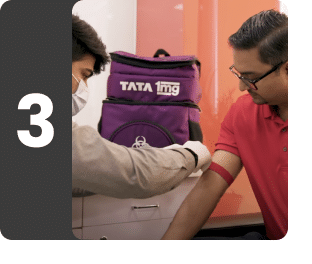
Safe Sample Collection
Our phlebotomists follow strict safety protocols to collect samples safely at home and on time.

Sample received at lab
Samples are transported securely to our accredited labs with world-class machines for testing by qualified experts.

Quick, Doctor-Verified Reports
Get doctor-approved reports via email and WhatsApp, with options for doctor follow-ups and AI insights.

FAQs related to Allergy - Child Panel, ImmunoCAP

The Allergy - Child Panel, ImmunoCAP is a group of blood tests that help detect allergies in children caused by food, environmental triggers, and pet dander. It measures specific IgE antibodies along with total IgE antibodies to identify potential allergens.
The panel includes allergens like wheat (gehon / Triticum aestivum), rice, soybean, cow's milk (doodh), egg white (anda), codfish (machhli / Gadus morhua), potato, almond, coconut, peanut (moongfali / Arachis hypogaea), cocoa, corn, dog dander, cat dander, Aspergillus fumigatus, Bermuda grass (durva / Cynodon grass), Dermatophagoides farinae, and cockroach.
The test is recommended for children who are experiencing symptoms of allergies, such as rashes, itching, sneezing, watery eyes, difficulty breathing, nausea, vomiting, abdominal pain, etc., or for those with a family history of allergies.
No special preparation is needed for the test. However, inform your doctor about any medications, especially antihistamines, as they can affect the results.
The test involves a blood sample, which is generally safe. Children may feel a small pinch or discomfort during the blood draw, but there are no significant risks.
A positive result means the child’s immune system has reacted to one or more allergens, indicating a potential allergy. A negative result suggests no sensitization to the allergens tested, but other allergens may still be a concern if symptoms persist.
The test helps doctors identify the exact allergens causing symptoms and create personalized treatment plans, including medications, dietary changes, or environmental adjustments.
The frequency of testing depends on the child's symptoms, treatment progress, and the doctor's recommendations. Doctors may ask to repeat the test if symptoms change or worsen.
Tata 1mg ensures accurate lab test results through certified laboratories that use advanced technology and adhere to stringent quality control measures. This commitment to high standards guarantees reliable results.
Recommended for everyone
This package is designed with everyone’s overall health considerations in mind, offering assessments to address a wide range of wellness needs.
Package can be booked by :
Men
Women
Contains 19 tests
Total IgE
Wheat ( Gehon / Triticum aestivum)
Soyabean
Cows Milk (Doodh)
Egg White (Anda)
Dog
Aspergillus Fumigatus
Potato
Almond
Coconut
Rice
Bermuda Grass (Durva / Cynodon grass)
Dermatophagoides Farinae
Cockroach
Peanut (Moongfali / Arachis hypogaea)
Cat Dander
Cod Fish ( Machhli / Gadus morhua)
Cocoa
Corn
Report delivery
Standard time
48 hrs
For slots after 11 AM, report will be delivered in 72 hours.
Samples required
Blood
Our phlebotomist will draw a blood sample, typically from a vein in your inner elbow.
Preparations
1
No special preparation is required.
Why is this test booked?
1
To identify allergens causing allergic reactions like skin rashes, asthma, or sneezing in children.
2
To guide treatment plans, including dietary changes, medications, and environmental modifications.
3
To monitor the effectiveness of allergy treatments.
4
To identify children at higher risk, especially those with a family history of allergies or asthma.
Coupon details
Get it at ₹10618 with coupon
Get upto 15% off on your lab tests
Maximum discount: ₹1500
1MGNEWG
copy
10% off
₹999
separator
13% off
₹3000
separator
15% off
₹5000
Available Offers
Get additional 15% off
Get 15% off on your first order of lab tests
Maximum discount: ₹300
1MGNEW
copy
Get additional upto 15% off
Get upto 15% off on your lab tests
Maximum discount: ₹1500
1MGNEWG
copy
Upto Rs 650 off on all lab tests
Get Upto Rs 650 off on all lab tests
Maximum discount: ₹650
1MGSUPER
copy
Upto Rs 1500 off on all lab tests
Get Upto Rs 1500 off on all lab tests
Maximum discount: ₹1500
1MGSUPERMAX
copy
Who's behind your sample collection?
About Phlebotomist
Play
Tata 1mg Phlebotomist
icon
MEET YOUR PHLEBO
icon
Certified Professionals
Certified & experienced professionals
Tata 1mg phlebotomists are DMLT / B.Sc MLT certified and have 1+ years of experience
Best collections
Best in-class collections
Tata 1mg phlebotomists are trained for painless, single-prick hygienic sample collection
Expertise
Comprehensive expertise
Other than sample collection, our phlebos are also skilled in first aid, ECG & BP monitoring
frame icon
WHAT OUR CUSTOMERS ARE SAYING
frame icon
Pain free blood collection
~ Vaghela Sagar Shashikantbhai
double quote icon
On Time, pain free collection, Hygiene & safety
~ RAJEEV KUMAR SINGH 7330190217
double quote icon
Pain free collection
~ Sandugade Subhash Tukaram
double quote icon
Excellent service
~ JITENDER KUMAR
double quote icon
Pain free collection Conduct & Behaviour good On time collection
~ Kajal Ramakant Pal 0239889984
double quote icon
Very polite
~ Sadhana Kumari
double quote icon
Technician was great..
~ Saurav Choudhury
double quote icon
Good skill for sample collection
~ Pawan Kumar Sah
double quote icon
Very gentle
~ Divya Chawla
double quote icon
Very professional and humble
~ Sheela
double quote icon
Footer